Fishing season laws determine when, where, and how anglers can fish legally, and they sit at the center of modern fishing regulations and licensing. In practice, these rules are not just dates on a calendar. They include open and closed seasons, daily bag limits, size limits, gear restrictions, license requirements, protected waters, species-specific protections, and special rules that change by region. I have worked through these regulations with charter operators, private boaters, and shore anglers, and the biggest mistake people make is assuming a general fishing license covers everything all year. It does not. Legal fishing depends on matching your license, target species, method, location, and season to the exact rule in force.
That matters because fishing season laws serve two purposes at once. First, they protect fish populations during vulnerable periods such as spawning runs, nesting cycles, and low-water stress events. Second, they create a clear legal framework for anglers, guides, marinas, and enforcement officers. State fish and wildlife agencies, provincial authorities, and federal regulators use creel surveys, stock assessments, hatchery data, and habitat monitoring to set seasons that balance harvest with long-term sustainability. In the United States, for example, inland seasons often come from state agencies, while anadromous species, migratory fish, or marine species may also fall under federal rules from bodies such as NOAA Fisheries or regional fishery management councils.
For anyone navigating boating laws and regulations, this topic is especially important because many people fish from a boat and assume boating compliance ends with registration, safety equipment, and navigation rules. In reality, fishing legality adds another layer. A boater can be fully compliant on vessel safety and still violate the law by fishing in a closed area, keeping an undersized fish, or targeting a species during a closure. This hub explains the core structure of fishing regulations and licensing so you can understand what fishing season laws mean, where to verify them, and how to fish legally with confidence.
What Fishing Season Laws Actually Regulate
Fishing season laws regulate more than the start and end of harvest. They define whether a species is open to harvest, open only for catch and release, or completely closed in a particular waterbody at a given time. They also tie directly to possession limits, slot limits, bait rules, hook requirements, and time-of-day restrictions. In trout streams, for instance, I often see separate spring harvest seasons, year-round catch-and-release stretches, and artificial-lure-only sections within the same watershed. On coastal waters, seasons may open for one species while another remains under emergency closure because quotas have already been met.
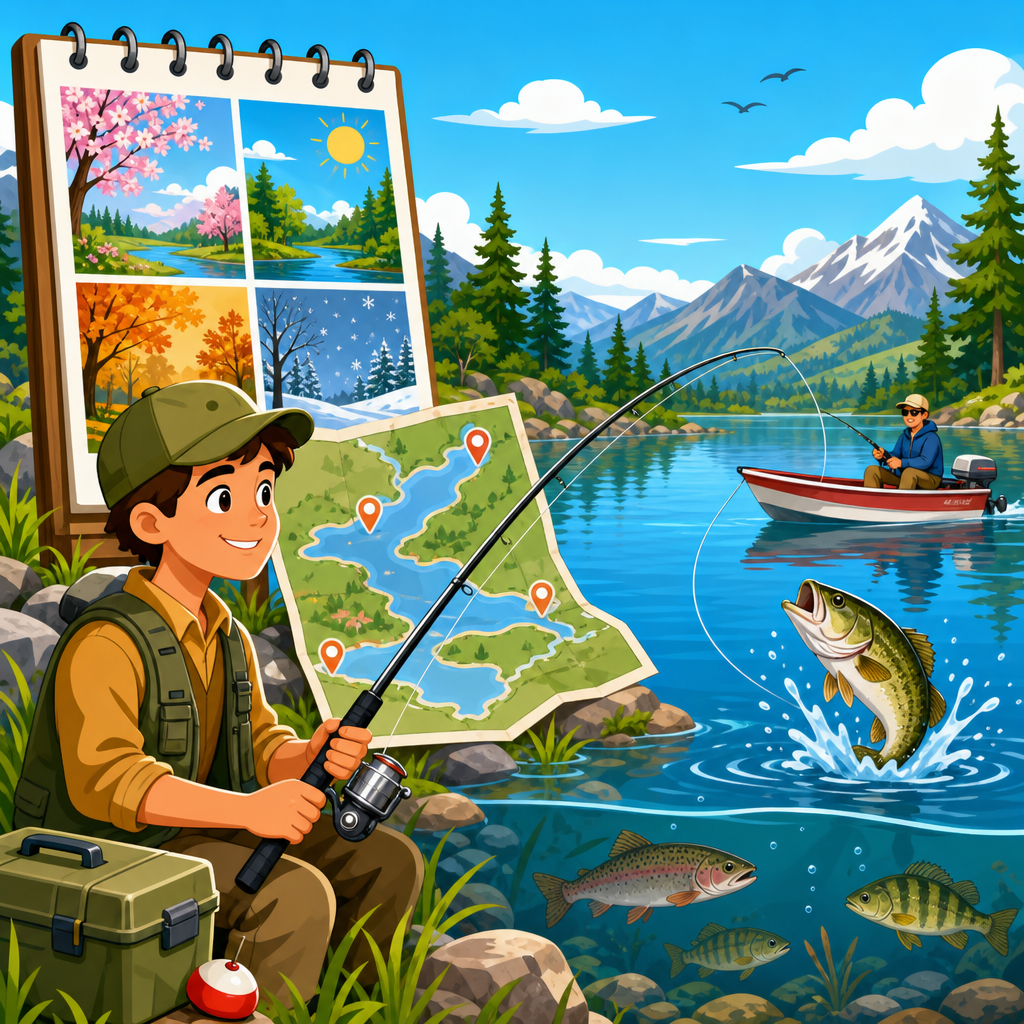
A simple example is largemouth bass. In one state, bass may be catch-and-release only during spawning months, then open for harvest later in the year with a minimum size limit and a daily creel cap. In another state, the same species may be open year-round but subject to a protected slot that requires release of breeding-size fish. Salmon and steelhead rules can be even more technical, with wild fish mandatory release requirements, hatchery mark-selective retention, and tributary-specific closures tied to migration timing. The legal rule is always the exact regulation for that place, species, and date.
Enforcement is typically strict because fishery rules are designed to be objective. Wardens look at your license, location, catch, gear, and onboard storage. If the season is closed, intent usually does not matter. If your cooler contains over-limit fish, ignorance rarely helps. That is why the safest approach is to check the current regulations summary, then confirm any emergency updates on the agency website before launching or casting.
Licenses, Endorsements, and Permits You May Need
A fishing license is the baseline legal requirement in most jurisdictions, but many anglers need more than a basic permit. Depending on the state or province, you may need separate freshwater and saltwater licenses, species endorsements for salmon, steelhead, trout, sturgeon, or lobster, and harvest record cards for species with strict reporting controls. Some areas require free registration instead of a paid marine license, while others require both a general license and a habitat or conservation stamp. Age exemptions, resident discounts, veteran benefits, and short-term nonresident permits also vary widely.
From experience, the compliance issue that surprises visiting boaters most is reciprocity. A license valid on one side of a river, reservoir, or estuary may not be valid on the other. Border waters can have compact agreements, but those agreements often limit where you may launch, dock, land fish, or transport catch. Guide trips create another point of confusion. A guide’s license does not replace the client’s license unless the jurisdiction expressly provides that exception, which is uncommon. Charter passengers targeting offshore species may also need federal permits to be held by the vessel operator, while each angler still needs personal authorization under state law.
| Requirement | What It Covers | Common Example | Why It Matters |
|---|---|---|---|
| General fishing license | Basic authority to fish in a jurisdiction | Annual resident freshwater permit | Fishing without it can trigger fines and catch seizure |
| Species endorsement | Additional privilege for protected or managed species | Salmon or steelhead tag | Required even if you already hold a general license |
| Harvest record card | Mandatory reporting for retained fish | Sturgeon or halibut catch card | Supports quota tracking and stock management |
| Special area permit | Access to regulated waters | Reservoir permit or tribal access stamp | Local rules may apply beyond statewide regulations |
Always verify expiration dates, digital license acceptance, and proof-of-identity rules. Some officers accept a mobile copy; others require the physical license or signed harvest card. If you are fishing from a boat, keep all documents dry, accessible, and matched to the anglers onboard.
Where You Can Fish Legally: Boundaries, Access, and Jurisdiction
Legal fishing locations are shaped by public access law, water ownership, navigability rules, and fishery closures. Many anglers assume that if a boat can physically enter a cove or creek, fishing there is legal. That is not always true. Public waters may contain sanctuary zones, dam safety exclusion areas, fish hatchery buffers, swimming areas, municipal no-fishing docks, or seasonal spawning closures. On rivers, one bank may be under one state’s rules while the opposite bank falls under another. On reservoirs, the shoreline may be managed by a federal agency such as the U.S. Army Corps of Engineers, adding separate access restrictions.
Private property issues matter too. In some states, the bed of a nonnavigable stream can be privately owned, limiting wading or bank access even if the water itself looks open. In tidal areas, public trust doctrine can preserve navigation rights while still restricting landing on private shorelines. Tribal waters deserve special attention because tribal governments may regulate access, harvest, and species independently through treaty rights and sovereign authority. I have seen anglers comply with state seasons yet still violate access law by crossing tribal or private land without permission.
The practical rule is simple: confirm both fishery legality and access legality. Use official regulation maps, GIS layers, buoy markers, and posted notices at ramps. If coordinates matter, save them on your chartplotter or phone before departure. In ambiguous areas, call the local district office, not just a bait shop. Local knowledge helps, but agency interpretation controls.
How Seasons, Limits, and Size Rules Work Together
Fishing regulations and licensing are built as a system, not as isolated rules. An open season does not mean unlimited harvest. You still need to follow daily bag limits, possession limits, and minimum or maximum size requirements. Bag limit means how many fish you may keep per day. Possession limit means how many you may hold in total, including fish at camp, in your freezer, or onboard, depending on the jurisdiction. Size limits protect juvenile fish before first spawning, while slot limits protect midrange or large breeding fish to maintain stock structure.
Consider walleye management on a heavily used inland lake. The season may open in spring, but anglers can keep only a set number per day, and only fish within a narrow size window. Any fish below the minimum or above a protected slot must be released immediately. Marine fisheries often add quota-based closures. Black sea bass, red snapper, halibut, and tuna seasons may close early once landings approach an annual catch limit. In those fisheries, the lawful season can change with little notice, which is why emergency rule updates matter as much as printed guides.
When I advise anglers, I tell them to read each rule in sequence: license, waterbody, species, season, method, size, bag, possession, transport. That order prevents the common mistake of focusing only on one restriction while missing another. If any part does not match, the trip plan needs to change.
Special Rules for Methods, Gear, and Protected Species
Many legal issues arise from gear rather than harvest. Fishing season laws often specify whether you may use bait, treble hooks, barbless hooks, multiple rods, trotlines, cast nets, gigs, spears, or downriggers. Ice fishing can have separate rules for unattended lines and shelter marking. Bowfishing may be legal for rough fish but prohibited for game fish. In fly-fishing-only waters, adding split shot or scented bait can turn a lawful outing into a citation. On some salmon rivers, using bait during low-water periods is banned to reduce deep hooking mortality on released fish.
Protected species create another layer. Sturgeon, Atlantic salmon, certain shark species, and many native trout populations can be catch-and-release only or entirely off-limits. Endangered Species Act protections may require immediate release, no targeting, or area closures where bycatch risk is high. Marine mammal and sea turtle interaction rules can also affect where and how you fish. If a regulation says a species must be released unharmed, that means fast handling, lawful gear, and often no removal from the water when possible.
These rules exist because survival after release is part of fishery management. Circle hooks in reef fisheries, barbless hooks in trout streams, and descending devices for reef fish are not minor details. They are evidence-based tools used to reduce mortality and keep seasons open longer. Follow them exactly.
How to Check Current Fishing Regulations Before Every Trip
The most reliable source for fishing season laws is the agency that manages the water you plan to fish. Start with the current regulations digest, then review in-season updates, emergency orders, and area notices. Most state wildlife agencies now publish searchable online rules, mobile apps, and GIS maps. For saltwater trips, also review NOAA Fisheries notices and regional council announcements if federal waters or federally managed species are involved. Printed booklets are useful, but they can become outdated quickly after quota changes, wildfire closures, drought restrictions, or habitat emergencies.
My standard pre-trip process is straightforward. First, identify the exact waterbody and launch site. Second, list the target species and backup species. Third, verify license requirements for every angler. Fourth, read the special regulations for that zone, including seasonal closures and gear restrictions. Fifth, check same-day updates for emergency action. Sixth, confirm access conditions, especially if low water, algae blooms, storm damage, or tribal notices are in play. This takes minutes and prevents expensive mistakes.
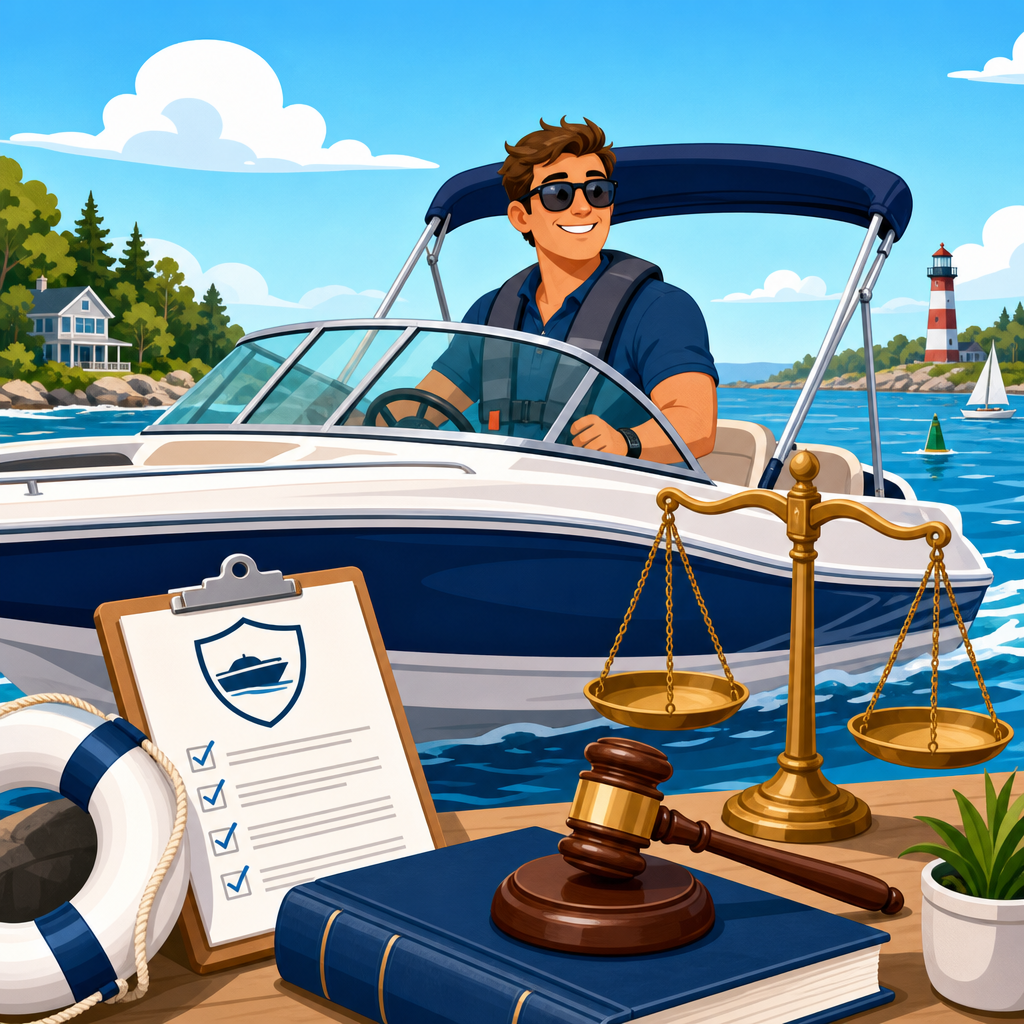
If you are building a broader compliance habit under boating laws and regulations, keep a checklist in your glovebox or dry bag. Pair vessel documents with fishing documents. Save regulation links, hotline numbers, and enforcement contacts. Legal fishing is easiest when verification becomes routine, not last-minute.
Common Violations and How Anglers Avoid Them
The most common violations are predictable: fishing without the right license, keeping over-limit fish, retaining undersized fish, fishing closed waters, and using unlawful gear. Transport mistakes are also common. An angler may lawfully catch fish in one place, then violate the law by filleting them before reaching shore when intact carcass rules require length verification. Another frequent issue is misidentification. Juvenile salmonids, black bass hybrids, and similar rockfish species can be difficult to separate, yet the legal consequences are real because limits may differ by species.
The best prevention tools are conservative decision-making and documentation. If identification is uncertain, release the fish. If a boundary is unclear, stay outside it. Measure fish on a rigid ruler, not by guesswork. Count total retained fish by angler, not by cooler. Photograph unusual catches and note location coordinates if reporting is required. On guided trips, ask who is responsible for tagging and recording retained fish before the first line goes in. Clear procedures reduce errors when action gets fast.
Fishing season laws are manageable when you treat them as part of trip planning instead of an afterthought. The core benefit is simple: you protect fisheries, avoid penalties, and fish with confidence. Remember the essentials from this hub on fishing regulations and licensing: get the right license, verify the exact season, confirm lawful access, follow limits and size rules, use legal gear, and check updates before every trip. Regulations change because fish populations, water conditions, and harvest data change. Make official agency sources your first stop, then build your trip plan around what the current rule actually says. If you want to stay legal on the water, review your local regulations today before your next cast.
Frequently Asked Questions
1. What do fishing season laws actually regulate beyond open and closed dates?
Fishing season laws cover far more than a simple start and end date for going fishing. In most jurisdictions, they regulate when you can target certain species, where you can fish for them, what methods you can use, how many fish you may keep, and what size those fish must be. A season may be “open” for one species and “closed” for another in the same body of water, which is why anglers need to read the rules by species as well as by location. These laws also commonly include daily bag limits, possession limits, slot limits, minimum size limits, hook and bait restrictions, and gear rules such as whether treble hooks, nets, traps, or multiple lines are allowed.
They also address protected areas and special management zones. For example, a river might be open to general fishing but closed to wading in a spawning reach, or a lake may allow catch-and-release only during part of the year. Some waters are entirely off-limits because they are fish hatchery zones, wildlife refuges, private waters, tribal waters, or conservation areas with special protections. In coastal areas, regulations may even change based on distance from shore, federal versus state jurisdiction, or whether you are fishing from land, a private vessel, or a licensed charter boat.
License rules are another major part of fishing season law. Legal fishing often depends not only on the season being open, but also on whether the angler holds the correct resident or nonresident license, species stamp, saltwater endorsement, or report card required for that fishery. In short, fishing season laws are a full legal framework designed to protect fish populations, manage harvest, reduce pressure during spawning periods, and keep access fair and sustainable for everyone.
2. How can I tell if a fishing season is open in the specific place where I want to fish?
The safest approach is to verify the rules using the official regulations issued by the state, province, or national agency that manages fisheries in that area. Start by identifying the exact waterbody, county, management district, or marine zone where you plan to fish. Many anglers make mistakes because they rely on general summaries, old printed guides, tackle shop advice, or regulations from a neighboring area that looks similar on a map. In reality, the rules can change at a county line, bridge crossing, dam boundary, harbor entrance, or even a marked buoy line.
Once you know the location, check the current official regulation booklet or online fishing regulation tool and read the entry for that body of water and the species you intend to target. Look for season dates, catch-and-release rules, harvest limits, size restrictions, and special notes. Pay attention to emergency orders and in-season updates, because agencies often close waters temporarily due to low runs, high harvest pressure, drought, disease concerns, or conservation needs. This is especially common for migratory fish, trout streams, salmon runs, shellfish beds, and saltwater species managed under changing quotas.
If the regulations are unclear, contact the fisheries agency directly or ask a conservation officer before you fish. It is much better to ask in advance than to assume you are legal. Also remember that the rules may differ depending on whether you are fishing from shore, from a boat, in inland fresh water, or in marine water. Checking the exact location, exact species, and most recent agency update is the most reliable way to know whether a season is legally open where you plan to fish.
3. Do I need a fishing license during open season, and can special permits still apply?
Yes, in most places an open fishing season does not automatically mean you can fish without a license. The season tells you when a fishery may be legally pursued, but the license requirement determines whether you personally are authorized to participate. Most states and provinces require anglers above a certain age to carry a valid fishing license, and many also require additional permits for specific species or types of water. Examples include trout stamps, salmon permits, lobster tags, saltwater registrations, harvest record cards, or special endorsements for sturgeon or reef fish.
There can also be different licensing rules for residents, nonresidents, seniors, youth anglers, disabled anglers, military members, and people fishing on designated free-fishing days. Some charter passengers are covered under a vessel license in certain saltwater fisheries, while in other areas every individual on board still needs a personal license. Private ponds, pay lakes, and some community waters may have separate access rules, but that does not always override general licensing law. The details depend on the jurisdiction, which is why anglers should never assume that a public announcement about an “open season” removes the need for permits.
It is also important to understand that carrying the wrong license can be treated the same as having no license at all. If the law requires a species tag, harvest report, or catch card and you do not have it in your possession, you may still be out of compliance even if the season is open and your catch is otherwise legal. Before heading out, confirm the license type, expiration date, required endorsements, and any mandatory reporting obligations tied to the fishery you intend to use.
4. What happens if I accidentally fish during a closed season or keep fish outside the legal limits?
Accidentally violating fishing season laws can still lead to penalties. In many places, fisheries regulations are enforced strictly because agencies need clear, workable rules to protect fish populations and habitat. If you fish during a closed season, keep too many fish, retain undersized fish, use prohibited gear, or harvest a protected species, you could face warnings, fines, confiscation of fish, seizure of gear, suspension of fishing privileges, or even criminal charges in serious cases. The consequences often become more severe when the species is threatened, highly regulated, or subject to commercial-style overharvest concerns.
Intent does matter in some enforcement situations, but it is not a guarantee that you will avoid a citation. Saying you “didn’t know” is usually not a strong defense if the regulation was publicly available. That is why experienced anglers build a habit of measuring fish immediately, tracking bag counts carefully, and reviewing current regulations before every trip rather than once at the beginning of the year. This is especially important in mixed-species waters where one fish may be legal to keep and another nearly identical species may be fully protected or subject to a different size limit.
If you realize you are in a questionable situation, the best response is to stop fishing and verify the rule right away. If you have unintentionally hooked a fish during a closed season in a catch-and-release context, follow the local rules on immediate release and safe handling. If you are checked by an officer, be respectful, honest, and organized with your license and gear. Most avoidable violations come from assumptions, outdated information, and failure to check special regulations, not from the main season dates alone.
5. Why do fishing laws change so much by region, species, and time of year?
Fishing laws vary because fish populations, habitats, migration patterns, and fishing pressure vary. A rule that makes sense in one lake, river, or coastal fishery may be harmful or ineffective somewhere else. Fisheries managers set seasons and harvest rules based on spawning cycles, recruitment levels, water temperatures, habitat conditions, local conservation goals, and biological data collected over time. For example, one region may close a species during spawning to protect nesting fish, while another may allow limited harvest because the stock is stronger and monitored differently.
Species-specific rules are also necessary because not all fish respond to pressure the same way. Some grow slowly and need tight size limits. Others are highly migratory and are managed through quotas that can trigger sudden closures. Still others are vulnerable in only certain tributaries or protected nursery areas. Regional variation also reflects differences in access and use. Waters heavily used by charter fleets, private boaters, shoreline anglers, and seasonal tourists may need more detailed management than remote areas with lighter fishing pressure.
From a practical standpoint, this is why anglers should think of fishing regulations as local and dynamic rather than universal and fixed. The same species may have different legal seasons in neighboring states, different bag limits in nearby reservoirs, and different gear restrictions depending on whether you are in a river mouth, inland stream, pier zone, or offshore management area. These changes are not random; they are the result of conservation science, enforcement realities, and efforts to keep fisheries healthy for future seasons as well as the current one.