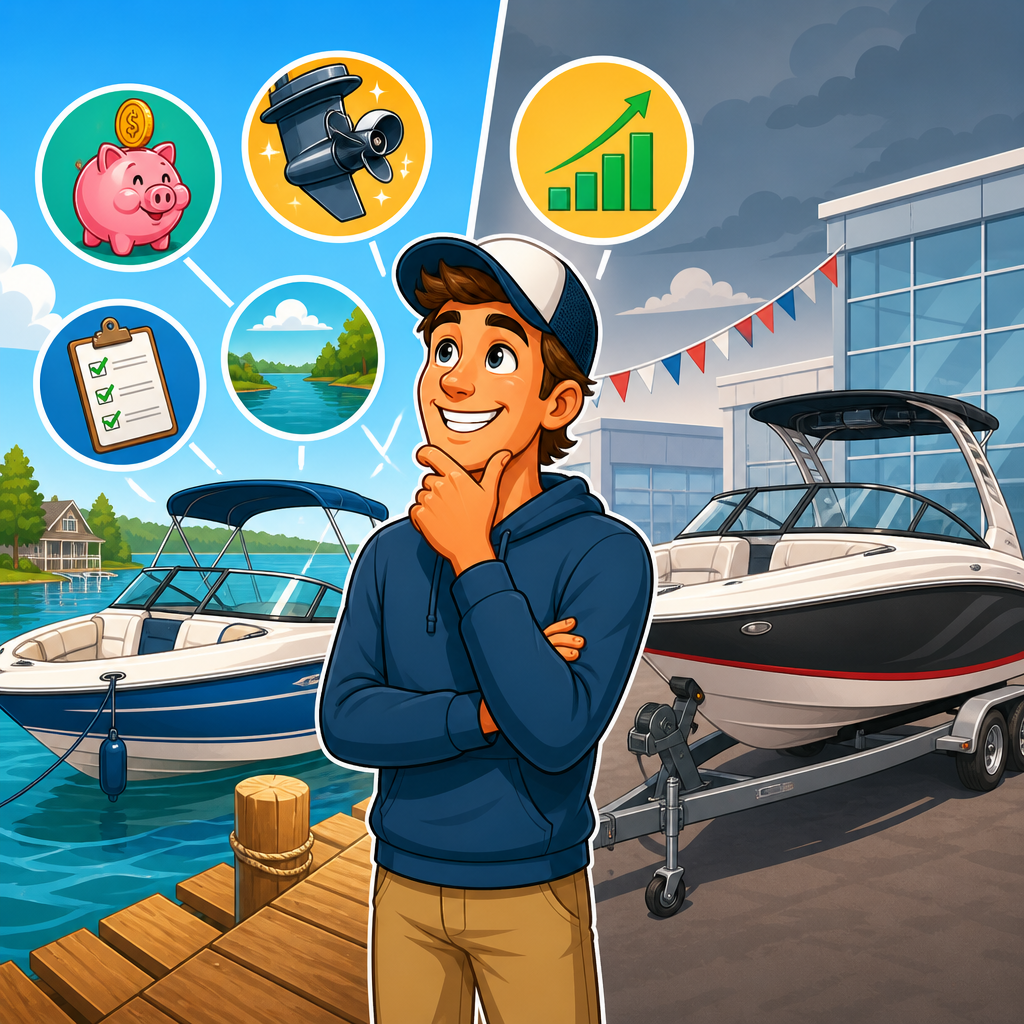
Boat financing can make ownership possible years sooner, but the wrong loan structure can turn an exciting purchase into a long, expensive commitment that limits how often you actually enjoy the water. In practical terms, boat financing means borrowing money to buy a vessel and repaying that amount, plus interest and fees, over a set term. This subtopic also includes marine insurance, because lenders usually require coverage before closing and because insurance costs directly affect what you can comfortably afford each month. If you are researching financing and insurance for boats, this page is the starting point: it explains how lenders evaluate applications, what loan terms really mean, how down payments change risk, which insurance policies matter, and where common mistakes happen.
I have worked with buyers comparing banks, credit unions, and marine lenders, and the same pattern shows up repeatedly. People focus on the sticker price of the boat, then underestimate the full cost of ownership: interest, storage, fuel, maintenance, registration, taxes, transport, safety gear, and insurance deductibles. A $60,000 boat does not cost $60,000 if you finance it over fifteen years. It may cost far more by the time interest and operating expenses are included. That is why understanding the financing process before you apply matters. Better preparation improves approval odds, helps you negotiate from a stronger position, and reduces the chance of buying a boat that strains your budget after the first season.
Boat loans differ from auto loans in several important ways. Loan terms are often longer, rates can be higher, collateral standards are stricter, and lenders may require a marine survey for used vessels or larger loan amounts. Some loans are secured by the boat itself, while others are unsecured personal loans used for smaller purchases. Annual percentage rate, or APR, reflects the full borrowing cost including certain fees, while the loan term determines how long you repay. Loan-to-value ratio compares the amount borrowed to the boat’s market value or purchase price. Debt-to-income ratio measures how much of your gross monthly income already goes toward debt. These terms are not jargon for lenders alone; they are the levers that determine whether your application is approved and what it will cost.
This matters because financing and insurance decisions shape the whole ownership experience. The right structure preserves cash for maintenance, allows room for off-season repairs, and protects you from major liability or storm losses. The wrong one leaves you underinsured, overleveraged, or locked into a boat that depreciates faster than the loan balance falls. As a hub article under buying and selling boats, this guide gives you the framework to evaluate every decision before applying for a boat loan, from budgeting and lender selection to policy choices and closing documents.
How Boat Financing Works and What Lenders Review
Most boat loans are installment loans. You borrow a fixed amount, agree to a repayment schedule, and make equal monthly payments unless the contract allows another structure. For new and late-model used boats, lenders commonly offer terms from 10 to 20 years depending on price, age, and size. Longer terms lower the monthly payment but increase total interest paid. A lender will usually review your credit score, income stability, debt-to-income ratio, employment history, liquid reserves, and the details of the boat itself. They are underwriting both the borrower and the asset.
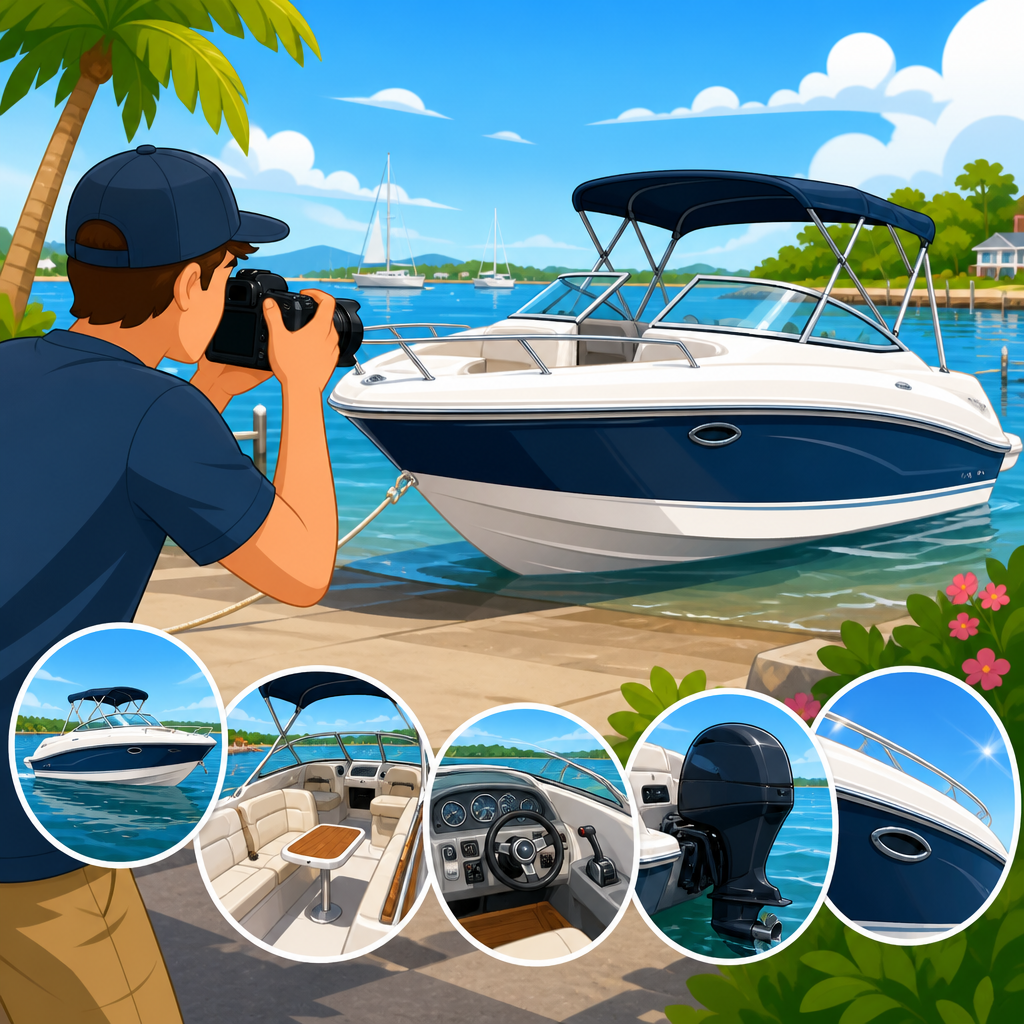
The asset review is more important in marine lending than many first-time buyers expect. Lenders care about manufacturer reputation, model year, engine hours, condition, and whether the vessel type has a strong resale market. A mainstream center console from Boston Whaler, Grady-White, or Sea Ray is often easier to finance than an obscure custom build because market value is easier to verify. If you are buying used, the lender may request photos, maintenance records, an NADA Guides valuation, and for larger vessels, a marine survey and sea trial results. On older boats, financing options narrow because depreciation, maintenance risk, and uncertain collateral value increase lender exposure.
Approval also depends on how much cash you bring in. Many lenders prefer at least 10 percent down, and some require 15 to 20 percent for used boats, liveaboards, or borrowers with thinner credit profiles. A larger down payment does three things at once: it reduces monthly payments, lowers the loan-to-value ratio, and gives you a buffer against depreciation. In real transactions, this can be the difference between approval at a competitive rate and a declined file that must be restructured.
Budgeting Beyond the Boat Price
The most reliable way to choose the right boat loan is to start with full ownership cost, not the advertised payment. In client budgeting conversations, I build a simple annual model: loan payments, insurance premium, storage or slip fees, winterization, scheduled engine service, fuel, cleaning, registration, taxes, trailer maintenance, and a repair reserve. For saltwater boaters, corrosion-related upkeep alone can materially change affordability. For wake boats and offshore fishing boats, fuel burn rates can surprise first-time owners. Even a well-priced vessel becomes expensive if every weekend use adds significant operating cost.
A practical rule is to leave room for irregular marine expenses that do not show up in the sales listing. Electronics fail. Upholstery cracks. Batteries age out. Bilge pumps need replacement. Outdrives need service. If a survey identifies deferred maintenance, address that before calculating your target payment. I have seen buyers stretch to qualify for the hull they want, then postpone necessary repairs because the monthly payment consumed their cash cushion. That usually leads to higher long-term cost and lower resale value.
| Cost Category | What It Includes | Why It Matters Before Applying |
|---|---|---|
| Loan costs | Down payment, APR, term, fees | Determines monthly payment and total borrowing cost |
| Insurance | Hull, liability, medical payments, deductibles | Lenders often require coverage before funding |
| Storage | Marina slip, dry stack, trailer parking, winter storage | Often a fixed annual expense that rivals several loan payments |
| Maintenance | Engine service, bottom paint, detailing, batteries | Predictable upkeep prevents deferred repairs and value loss |
| Operations | Fuel, pump-out, launch fees, safety gear | Changes how frequently you can afford to use the boat |
| Taxes and registration | Sales tax, title work, state registration | Raises cash needed at closing and affects total budget |
Choosing the Right Loan Type, Term, and Lender
There is no single best boat loan. The right option depends on the boat, your credit profile, and how long you expect to keep the vessel. Banks and credit unions may offer attractive rates to strong borrowers, especially if you already have deposit or lending relationships. Specialized marine lenders often handle more complex deals, including older boats, larger yachts, and transactions requiring surveys, documentation, or Coast Guard recording. Dealers can arrange financing through lending partners, which is convenient, but convenience should not stop you from comparing APR, term length, prepayment penalties, and documentation fees.
Secured boat loans are the norm for larger purchases because the boat serves as collateral. They generally offer lower rates than unsecured personal loans. Unsecured loans can make sense for a smaller purchase when speed matters and you want fewer asset-related conditions, but rates are usually higher and terms shorter. A home equity product may offer another funding route, although that shifts the risk to your home and should be evaluated carefully with a tax and lending professional.
Term length deserves careful attention. A twenty-year term can make a premium boat look affordable on paper, yet you may still owe substantial principal when it is time to sell or upgrade. If your boating habits are still evolving, a shorter term with a higher down payment often creates more flexibility. Read the promissory note for prepayment provisions, late fee language, and required insurance clauses. Some lenders also place navigation limits or usage restrictions on the collateral, especially for charter or liveaboard scenarios.
Credit Scores, Documentation, and Preapproval Strategy
Before applying, pull your credit reports from all three major bureaus and review them for errors. A disputed late payment or outdated balance can meaningfully affect your offered rate. In marine lending, top-tier credit generally receives the best terms, but approval is not based on score alone. Lenders want consistent income, manageable debt obligations, and confidence that the boat is insurable and marketable. Self-employed applicants should expect to provide more documentation, often including tax returns, profit and loss statements, and recent bank statements.
Preapproval is useful because it sets a realistic price range and gives you leverage when negotiating with a dealer or private seller. It also reveals conditions early. I recommend gathering recent pay stubs or tax returns, proof of residence, photo identification, a list of assets and liabilities, and if you already selected a boat, the purchase agreement and vessel specifications. For used boats, maintenance logs and prior survey reports can help smooth underwriting. If your debt-to-income ratio is borderline, paying down revolving balances before applying can improve your file quickly.
Timing matters too. Avoid taking on other major debt right before seeking a boat loan. A new auto loan, higher credit card utilization, or multiple hard inquiries can weaken the application. If your profile needs improvement, waiting three to six months to reduce balances, correct report errors, and build reserves can save significant money over the life of the loan.
Insurance Requirements, Coverage Options, and Cost Drivers
Boat insurance is not just a lender checkbox. It is the financial backstop that protects your asset, your passengers, and your liability exposure. Most financed boats require physical damage coverage for the hull and equipment, plus liability coverage naming the lender as loss payee. Policies may be written on an agreed value basis, which pays the value established at policy issue in a covered total loss, or actual cash value basis, which accounts for depreciation. For newer and higher-value boats, agreed value often provides more predictable protection.
Core coverages typically include hull and machinery, protection and indemnity liability, medical payments, uninsured or underinsured boater coverage, and sometimes towing assistance. Depending on your waters and usage, you may also need coverage for fishing gear, personal effects, trailers, hurricane haul-out, pollution liability, or freeze damage. Navigation territory matters. A policy priced for inland lakes may not cover offshore use, coastal named storm exposure, or winter lay-up outside declared dates. This is where buyers get caught: they assume all policies are interchangeable, but marine policy wording can differ substantially.
Insurance premiums depend on vessel type, horsepower, age, mooring location, claims history, navigation limits, operator experience, and selected deductibles. A high-performance boat stored in a hurricane-prone marina will not price like a trailer-kept freshwater bowrider. Some carriers offer discounts for boating safety courses approved by the National Association of State Boating Law Administrators, clean claims histories, or bundled policies. Compare not only premium but settlement basis, exclusions, deductible structure, and salvage coverage. The cheapest quote is often the weakest protection.
Used Boats, Surveys, Closing Costs, and Common Mistakes
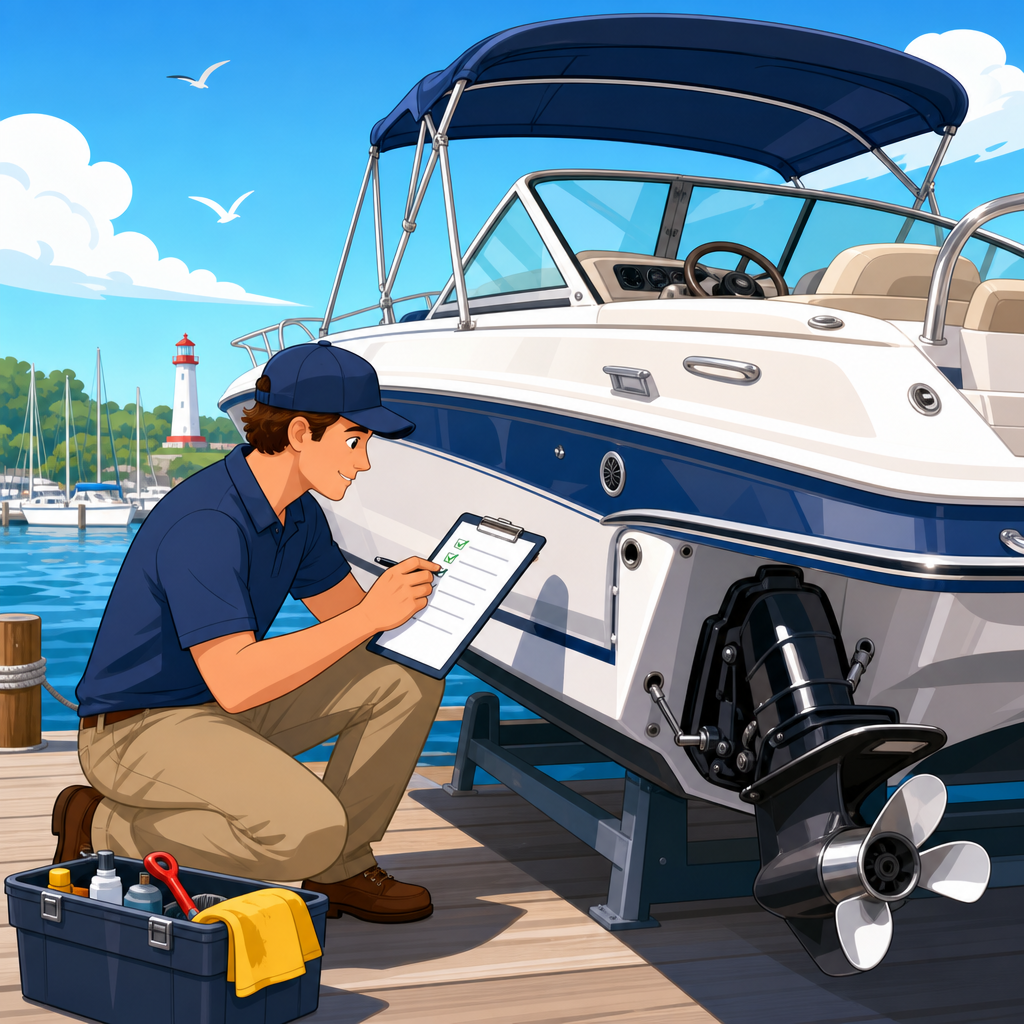
Used boats can offer excellent value, but financing them requires more diligence. A marine survey is one of the best tools in the process. Conducted by an accredited surveyor, it assesses structural condition, systems, safety items, and fair market value. Lenders and insurers may require it for older or more expensive vessels, and buyers should want it even when it is optional. Survey findings create leverage to renegotiate price, require repairs before closing, or walk away from a problem boat. I have seen surveys uncover wet cores, neglected fuel systems, and outdated wiring that would have turned a “deal” into a major refit.
Closing costs also deserve attention. Depending on the transaction, you may pay documentation fees, title or registration charges, sales or use tax, survey and haul-out costs, and sometimes Coast Guard documentation fees for eligible vessels. If a dealer is involved, verify which charges are mandatory and which are administrative add-ons. Ask for a written loan estimate and a complete buyer’s order before you sign. Matching those documents line by line prevents unpleasant surprises.
The most common mistakes are predictable: financing too much boat, stretching the term to mask affordability issues, skipping insurance comparisons, underestimating maintenance, and buying without a survey or sea trial. Another mistake is ignoring exit strategy. Think about resale before you buy. Popular brands, documented maintenance, and conservative financing hold value better and are easier to sell. Smart boat financing is not only about getting approved today; it is about preserving options later.
Boat financing works best when it supports your boating life instead of controlling it. The buyers who have the smoothest experience usually do four things well: they build a full ownership budget, compare multiple lenders, prepare documentation before applying, and match insurance coverage to real usage rather than minimum requirements. They understand that APR, term length, down payment, survey results, and policy wording all connect. A lower payment is not always a better deal, and a lower premium is not always better protection.
As the hub for financing and insurance for boats, this guide gives you the framework to evaluate every next step with clarity. Use it to move deeper into related topics such as boat loan preapproval, marine survey checklists, agreed value versus actual cash value policies, and how to insure older boats or high-performance models. If you are preparing to buy, start by calculating total annual ownership cost, checking your credit, and requesting quotes from at least two lenders and two marine insurance carriers. That simple preparation will help you choose a boat you can afford to own, protect, and enjoy for years.
Frequently Asked Questions
What should I know about boat financing before I apply for a loan?
Before you apply, it helps to understand that boat financing is about much more than the purchase price of the vessel. A lender will look at the total risk of the loan, which includes the boat’s age, type, condition, purchase amount, your credit profile, your income, your debt obligations, and the length of the repayment term. In most cases, the stronger your credit and financial documentation, the better your chances of qualifying for a lower interest rate and more favorable terms. It is also important to know that lenders often have different requirements for new boats, used boats, pontoons, fishing boats, and larger yachts, so financing options are not always one-size-fits-all.
You should also prepare for the full cost of ownership, not just the monthly payment. In addition to principal and interest, you may need to budget for a down payment, marine insurance, registration, storage, fuel, maintenance, repairs, and seasonal hauling or docking fees. Many buyers focus too heavily on getting approved and not enough on whether the loan fits comfortably into their long-term budget. A good rule is to decide what monthly expense you can realistically handle before shopping, then work backward from there. That approach can help you avoid stretching into a loan that makes the boat feel like a burden instead of a source of enjoyment.
How do lenders decide whether to approve a boat loan?
Lenders typically evaluate boat loan applications by reviewing your creditworthiness, income stability, debt-to-income ratio, available assets, and the details of the boat itself. Credit score is often one of the first filters, because it gives lenders a quick picture of your borrowing history. A higher score may help you secure lower rates and longer terms, while lower scores can lead to higher costs, stricter conditions, or a larger required down payment. In addition, lenders want to see that your income is steady enough to support the payment along with your other financial obligations.
The boat also matters more than many first-time buyers expect. Lenders usually consider the vessel’s age, market value, condition, and whether it is being purchased from a dealer or a private seller. Some lenders restrict financing for older boats or may require a marine survey to verify value and seaworthiness. They may also set minimum and maximum loan amounts, especially for specialized vessels or luxury purchases. Because of these variables, pre-approval can be very helpful. It gives you a realistic budget, shows sellers you are serious, and helps you identify any credit or documentation issues before you are deep into the buying process.
How much should I put down on a boat, and how does the loan term affect the total cost?
The right down payment depends on the lender, the type of boat, and your overall financial picture, but putting more money down usually works in your favor. A larger down payment reduces the amount you need to borrow, which lowers your monthly payment and decreases the total interest paid over the life of the loan. It can also improve your approval odds and help you qualify for better rates, especially if you are financing a used or higher-risk vessel. While some borrowers aim to put down the minimum required amount, doing so may increase the long-term cost of ownership more than they realize.
Loan term is just as important. Longer terms can make monthly payments more manageable, which is one reason they are popular for expensive boats. However, a longer term also means paying interest for more years, often making the boat significantly more expensive overall. On the other hand, a shorter term usually comes with higher monthly payments but lowers the total interest cost and helps you build equity faster. The best strategy is to balance affordability with total loan cost. If you can comfortably handle a shorter term or make extra principal payments without penalty, you may save a meaningful amount over time.
Why is marine insurance part of the financing process, and what should I expect?
Marine insurance is usually a required part of boat financing because the lender wants to protect the collateral securing the loan. If the boat is damaged, stolen, or involved in a serious accident, the lender needs assurance that there is financial protection in place. That means you will often need proof of coverage before the loan can close. Depending on the vessel and where it will be used, the policy may need to include physical damage coverage, liability protection, uninsured boater coverage, and sometimes additional protections for navigation areas, trailers, equipment, or named storms.
From a budgeting standpoint, insurance matters because it directly affects what you can truly afford each month and each year. Premiums vary based on the boat’s value, type, horsepower, age, storage method, boating experience, location, and claims history. A buyer who qualifies for the boat loan itself may still be surprised by the insurance cost, especially in coastal regions or for high-performance vessels. That is why it is smart to request insurance quotes early, not after you have emotionally committed to a particular boat. Factoring insurance into your total ownership cost from the beginning gives you a much clearer view of whether the purchase is financially sustainable.
What mistakes should I avoid when comparing boat loan offers?
One of the biggest mistakes is focusing only on the advertised interest rate. A lower rate does not always mean a better loan if it comes with higher fees, a longer term, prepayment penalties, or insurance requirements that raise your overall costs. When comparing offers, look closely at the annual percentage rate if available, origination fees, documentation fees, down payment requirements, repayment term, total interest over the life of the loan, and whether there are penalties for paying the loan off early. You should also verify whether the lender has any restrictions tied to the boat’s age, usage, or seller type.
Another common mistake is failing to compare the loan to the real-world cost of ownership. Even a seemingly affordable loan can become problematic if it leaves little room in your budget for maintenance, storage, slip fees, fuel, winterization, repairs, and insurance. It is also wise to avoid financing right at the top of what a lender says you can afford. Lenders approve based on risk models, but only you know how the payment fits into your lifestyle and priorities. The best loan is not simply the one that gets you into a boat sooner. It is the one that supports ownership comfortably, keeps long-term costs reasonable, and allows you to enjoy the boat without financial strain.