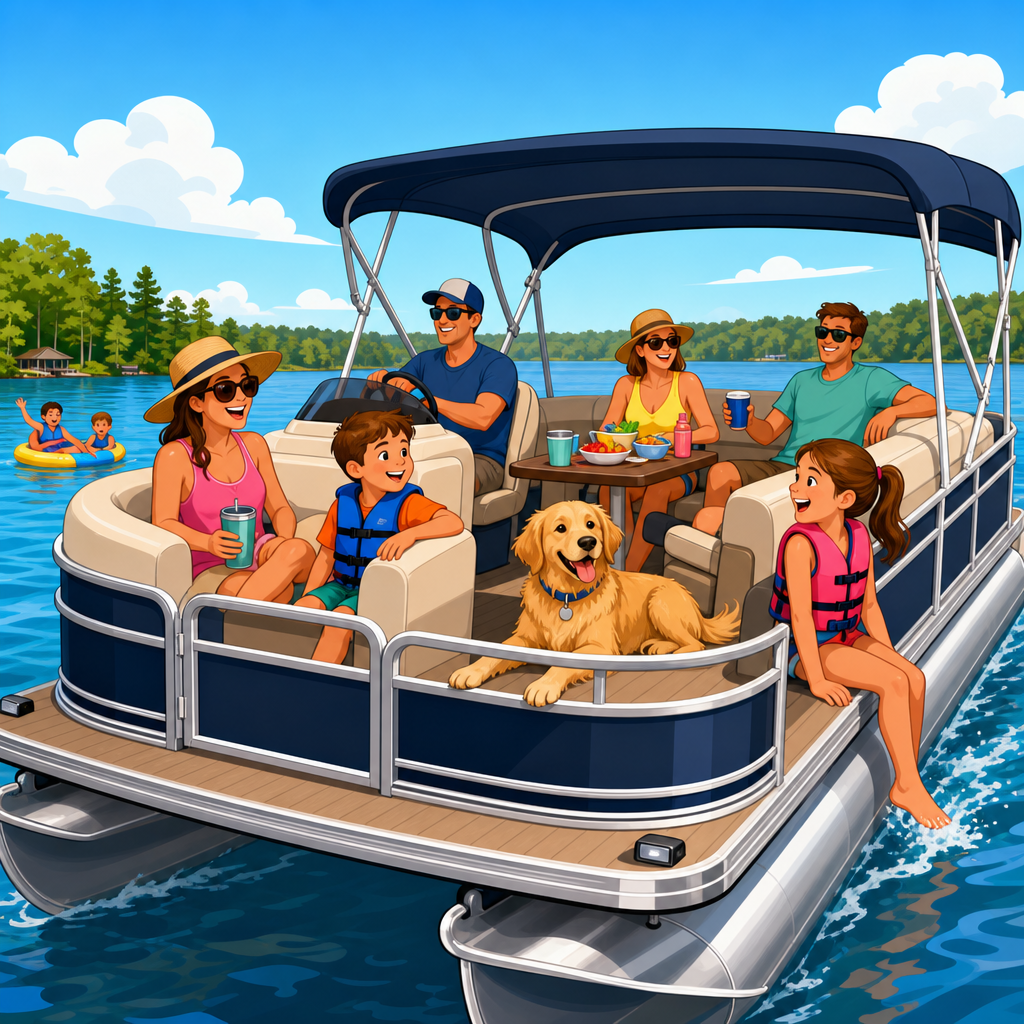
Marine insurance protects a boat owner against financial loss from damage, theft, liability, medical payments, and emergency assistance, but the best marine insurance companies for boat owners do more than reimburse claims. They understand navigation risks, named-storm haul-out rules, salvage law, pollution liability, and the difference between agreed value and actual cash value policies. In my experience reviewing boat policies for coastal cruisers, anglers, and first-time buyers, the strongest insurers combine broad coverage language, specialized underwriting, responsive claims handling, and clear navigation-area terms. That matters because boat ownership involves intertwined financial decisions: purchase price, loan structure, depreciation, storage, fuel, maintenance, and insurance requirements all affect total cost of ownership. A good policy supports financing approval, protects equity in the vessel, and reduces the chance that one grounding, lightning strike, or guest injury becomes a personal financial crisis. For readers exploring financing and insurance for boats, this hub explains how leading marine insurers compare, what coverages actually matter, how lenders view insurance, and how to evaluate policies with the same discipline you use when comparing hulls, engines, and survey findings.
What makes a marine insurance company the best choice for boat owners
The best marine insurance company is the one that fits your boat type, cruising area, experience level, and financial profile, not simply the one with the lowest premium. A strong carrier or specialist program should offer hull and machinery coverage, protection and indemnity liability, uninsured boater protection, medical payments, wreck removal, fuel spill liability, personal effects coverage, and optional towing or fishing equipment protection. For financed boats, lenders usually require physical damage coverage for at least the outstanding loan value and often want proof of named insured, lienholder status, and deductible limits before closing.
Specialized marine underwriters generally outperform general home and auto carriers when a claim involves salvage, partial sinking, latent defect disputes, or offshore navigation. Companies commonly recommended by brokers and surveyors include Markel, Progressive, GEICO Marine underwritten through partner programs, Travelers, Chubb, and BoatUS-linked policies through GEICO in many markets. Regional strength also matters. A Gulf Coast owner needs clear hurricane-season lay-up or haul-out language, while a Great Lakes owner may care more about freeze losses and shorter navigation seasons.
When I compare insurers, I look first at policy form quality, then claims reputation, then underwriting flexibility. Agreed value coverage is often superior for newer, well-maintained boats because it sets the payout basis in advance for a total loss. Actual cash value may cost less, but depreciation can materially reduce settlement after a serious casualty. The best companies explain that difference plainly, document exclusions clearly, and do not bury critical limitations in endorsements that owners rarely read.
Top marine insurance companies and where each one fits
Several insurers consistently stand out, but each serves a different segment of the market. Markel is widely respected for specialized marine expertise and broad product options across pleasure craft, fishing boats, and yachts. Progressive is often competitive on trailerable boats, runabouts, and pontoons, especially for buyers who value digital quoting and bundling convenience. GEICO Marine and BoatUS-related programs have strong brand recognition, useful educational resources, and wide national reach. Chubb tends to appeal to higher-value yacht owners who expect tailored service, higher liability limits, and refined claims support. Travelers can be a solid option for mainstream recreational owners who already carry homeowners or umbrella coverage and want multi-policy coordination.
No single insurer dominates every category. A center-console owner in Florida may find better storm terms from one market, while a freshwater cruiser in Michigan may get stronger pricing and fewer restrictions elsewhere. High-performance boats, liveaboards, older vessels, and boats with prior losses often require specialist underwriting review. That is why independent marine agents remain valuable. They can approach multiple carriers, explain survey requirements, and spot hidden differences such as whether soft goods, electronics, tenders, or fishing tackle are sub-limited.
| Company | Best Fit | Key Strength | Watch Item |
|---|---|---|---|
| Markel | Serious boaters, anglers, varied vessel types | Specialized marine underwriting | Premium may be higher for coastal risks |
| Progressive | Trailerable boats, pontoons, runabouts | Competitive pricing and online tools | Coverage details vary by policy form |
| GEICO Marine / BoatUS | Broad national market, education-focused owners | Strong brand and boating resources | Review partner underwriting terms carefully |
| Chubb | Yachts and higher-value vessels | High-end service and tailored limits | Not always the lowest-cost option |
| Travelers | Mainstream recreational owners | Multi-policy coordination | May be less flexible for unusual risks |
Core coverages every boat owner should understand before buying
Hull insurance pays for physical damage to the boat from causes such as collision, fire, theft, vandalism, windstorm, or sinking, subject to exclusions and deductibles. Liability coverage pays when you injure someone or damage another vessel, dock, or property. Pollution liability matters because even a modest fuel spill can produce cleanup bills that far exceed the cost of repairing fiberglass. Medical payments coverage helps with guest injuries regardless of fault, and uninsured or underinsured boater coverage can be critical in crowded waterways where not every operator carries adequate protection.
Two valuation methods deserve close attention. Agreed value means insurer and owner establish the boat’s insured value at policy inception, usually based on purchase documents, comparable sales, and often a survey. If the boat becomes a total loss, that agreed amount generally applies, minus deductible or adjustments required by policy wording. Actual cash value reflects replacement cost less depreciation, which can sharply reduce a payout for older engines, canvas, electronics, and upholstery. Owners focused only on premium often underestimate how painful depreciation feels after a total loss.
Additional clauses can change claim outcomes significantly. Salvage coverage should be adequate because removing a stranded or sunken vessel is expensive. Wreck removal, emergency towing, personal effects, fishing gear, trailer coverage, and roadside assistance for the trailer may all be separate items. If you charter, race, lend the boat regularly, or live aboard, disclose that upfront. These uses can alter eligibility and void assumptions behind a standard pleasure-use policy.
How financing and insurance for boats work together
Boat financing and boat insurance are closely linked because lenders are protecting collateral while owners are protecting both cash flow and net worth. Most marine lenders require proof of insurance before funding, and they typically ask to be listed as lienholder or loss payee. The policy must remain active for the term of the loan. If it lapses, the lender may force-place coverage that is expensive and usually protects the lender more than the owner.
Loan structure affects coverage decisions. A buyer making a small down payment on a rapidly depreciating new boat may owe more than market value for part of the loan term. In that situation, agreed value coverage, total loss replacement options where available, and a realistic deductible deserve extra attention. Larger yachts financed through longer terms often require current surveys, captain warranties in some cases, and stricter navigation restrictions. Insurance cost also changes debt-to-income calculations for buyers near underwriting limits, especially when marina fees and winter storage are added to monthly obligations.
From a buying and selling perspective, clean insurance history helps resale. Boats with repeated claims, unresolved damage, or poor maintenance records can become harder to insure for the next owner, which indirectly affects marketability. Sellers who keep surveys, maintenance logs, and claim repair documentation make financing easier for buyers and demonstrate that the vessel presents a better underwriting risk.
How insurers price boat policies and why premiums vary so widely
Marine insurance pricing is built on risk segmentation. The insurer evaluates vessel type, age, length, propulsion, speed capability, replacement cost, cruising territory, mooring location, storage method, operator experience, prior claims, credit-based insurance scoring where permitted, and local catastrophe exposure. A 22-foot pontoon on an inland lake presents a different loss profile than a twin-outboard center console stored in a hurricane-prone marina. Even identical boats can receive meaningfully different quotes depending on whether they are dry-stacked, trailer stored, or kept in the water year-round.
Surveys influence pricing and eligibility, especially for older boats. Many carriers want an out-of-water survey for vessels over a certain age, commonly around 10 to 15 years depending on type and value. Underwriters review structural condition, electrical systems, fuel systems, safety gear, and recommendations. If the surveyor notes wet core, corroded seacocks, outdated wiring, or soft decks, the insurer may require repairs before binding full coverage. This is not arbitrary; unresolved deficiencies correlate directly with future claims.
Deductibles also vary by peril. Named-storm deductibles are often a percentage of insured value rather than a flat dollar amount, which can materially affect owner exposure. A 5 percent deductible on a $200,000 insured value means the owner absorbs $10,000 before insurance pays. That number should shape reserve planning just as much as the annual premium does.
How to compare policies, quotes, and claims service like an informed buyer
Comparing marine insurance quotes requires more than lining up premiums. Start by standardizing insured value, navigation limits, liability limits, deductibles, and endorsements so you are reviewing comparable offers. Then read the exclusions. Common trouble spots include wear and tear, gradual deterioration, corrosion, mold, osmosis, manufacturer defects, and damage resulting from lack of maintenance. Those exclusions are normal, but the surrounding language matters. Some forms are clearer and fairer than others when a covered peril combines with an excluded condition.
Claims service is where policy quality becomes real. Ask how emergency haul-out, towing, salvage coordination, and repair estimates are handled. Find out whether the insurer pays actual repair cost at a yard of your choice, whether they allow owner-selected surveyors, and how depreciation applies to partial losses. In practice, fast communication after a casualty is often as important as the settlement amount. During regional storm events, insurers with established marine adjuster networks generally perform better than carriers that rarely handle vessel losses.
I also advise owners to ask their agent direct scenario questions: What happens if I strike a submerged object? Is my trailer covered while parked at home? Are my electronics scheduled or blanket covered? Can I transit to the Bahamas? Direct answers expose weak spots quickly. If an agent cannot explain the difference between liability, hull, and salvage in simple terms, keep shopping.
Best practices for first-time buyers, seasonal owners, and sellers
First-time buyers should involve insurance early, ideally before making an offer. I have seen buyers win an auction or sign a purchase agreement only to learn later that the boat is difficult to insure because of age, horsepower, claims history, or intended navigation. Getting an indicative quote before survey and sea trial prevents expensive surprises. Seasonal owners should review lay-up periods carefully; using the boat outside the declared lay-up window can restrict coverage. Sellers should maintain active coverage through closing and sea trial because liability can still arise while the vessel is in their care.
Documentation improves outcomes across the ownership cycle. Keep the bill of sale, registration, title or Coast Guard documentation, survey, engine service records, and photos of the boat’s condition. Update the insurer after major upgrades such as new electronics, repower work, or a refit. Those improvements affect insured value and can support better claim settlements later. If you are buying from a private seller, verify whether previous storm or sinking damage was professionally repaired and whether the insurer was involved. A repaired boat is not automatically a bad boat, but undisclosed history is a warning sign.
Finally, match the policy to how you really boat. Weekend lake cruising, tournament fishing, coastal passages, and liveaboard use create different exposures. The best marine insurance companies for boat owners are the ones that price those exposures accurately and respond fairly when conditions on the water turn expensive.
Choosing among the best marine insurance companies for boat owners comes down to fit, coverage quality, and claims reliability, not brand familiarity alone. The right policy protects the boat itself, satisfies lender requirements, preserves resale value, and shields you from liability, salvage, and pollution costs that can escalate quickly after an accident. Specialized marine insurers often have an edge because they understand navigation limits, survey findings, storm plans, and repair realities in ways general carriers may not. Still, broad-market insurers can be effective for simpler risks like inland pontoons, runabouts, and trailerable fishing boats, especially when pricing and convenience matter.
As the hub for financing and insurance for boats, the key takeaway is simple: treat insurance as part of the purchase decision, not an afterthought after closing. Compare agreed value versus actual cash value, verify deductibles and exclusions, confirm lender requirements, and ask detailed claims questions before you bind coverage. Gather quotes early, use a knowledgeable marine agent when the risk is complex, and keep surveys and maintenance records organized. If you are buying or selling a boat soon, start with an insurance review alongside your financing plan so the numbers, protections, and ownership risks all make sense together.
Frequently Asked Questions
What should boat owners look for when choosing the best marine insurance company?
The best marine insurance companies for boat owners offer much more than a low annual premium. A strong policy starts with solid core protections such as physical damage coverage for the boat, liability protection, medical payments, and theft coverage, but the real difference often shows up in the details. Boat owners should look closely at whether the insurer understands navigation territory, hurricane or named-storm requirements, haul-out reimbursement rules, salvage coverage, wreck removal, fuel spill or pollution liability, and emergency towing assistance. These are not minor extras in marine insurance; they are issues that commonly arise after serious losses and can dramatically affect out-of-pocket costs.
It is also important to compare how a company settles claims. Some policies pay on an agreed value basis, which means the insurer and owner establish the boat’s insured value in advance. If the vessel is a total loss, the payout is generally based on that agreed amount, subject to policy terms. Other policies use actual cash value, which factors in depreciation and may produce a lower payout over time. For many owners, especially those with well-maintained or higher-value boats, this difference can be significant.
Customer service and claims handling should carry real weight in the decision. A marine insurer should have adjusters or claims teams familiar with boats, marinas, repair yards, survey requirements, and marine-specific losses. Fast claims response matters, but expertise matters just as much. Owners should also evaluate whether the company offers flexible add-ons such as fishing equipment coverage, personal effects, electronics coverage, trailer coverage, uninsured boater protection, and coverage for consequential damage caused by sinking, fire, or storm events. The best insurers combine specialized marine knowledge, broad protection, fair policy language, and dependable claims support.
What is the difference between agreed value and actual cash value in boat insurance?
Agreed value and actual cash value are two of the most important concepts in marine insurance, and understanding them can help boat owners avoid major surprises after a loss. With an agreed value policy, the owner and insurer agree on the insured amount of the boat when the policy is written. If the vessel is later declared a total loss, the claim is generally settled based on that agreed amount rather than on a depreciated market estimate. This type of policy is often preferred for newer boats, high-value vessels, classic boats, and boats that owners maintain carefully.
Actual cash value coverage works differently. Instead of paying a predetermined insured amount, the insurer calculates what the boat was worth at the time of the loss after accounting for age, wear, condition, and depreciation. That means a total-loss payment under an actual cash value policy may be lower than the owner expected, especially if the boat, engine, or electronics have lost market value over time. While these policies can sometimes come with lower premiums, they can also create a bigger financial gap when it is time to replace the vessel.
Boat owners should also remember that settlement methods may not apply the same way to every part of the claim. Hull damage, partial losses, equipment, trailers, and personal property may be treated differently depending on the policy language. Some insurers may offer agreed value on the boat itself but depreciate certain components or accessories. That is why it is smart to review not only the declarations page but also the loss settlement section of the policy. The best marine insurance companies explain these differences clearly and help owners choose the option that fits both their budget and their risk tolerance.
Does marine insurance cover named storms, haul-out costs, and hurricane-related damage?
Many marine insurance policies do cover damage caused by named storms or hurricanes, but coverage is rarely as simple as checking a yes-or-no box. In coastal areas especially, insurers often impose special conditions during hurricane season. These may include geographic restrictions, named-storm deductibles, mandatory storm preparation procedures, and requirements to haul the boat or relocate it to a safer area when a storm warning is issued. The best marine insurance companies make these terms clear before a claim ever happens, because confusion around hurricane rules is one of the most common pain points for boat owners.
Haul-out coverage is another key detail. Some policies reimburse the reasonable cost to haul and store the boat when a named storm threatens, while others may offer this as an optional endorsement or subject it to specific limits. For owners in hurricane-prone regions, that benefit can be extremely valuable because preventive action can reduce the chance of catastrophic damage and lower the overall claim severity. However, owners should verify exactly when the reimbursement applies, whether the storm must be officially named, what dollar cap exists, and whether there are approved marinas, yards, or time windows involved.
Hurricane-related claims also often involve more than hull repairs. There may be salvage expenses, wreck removal, environmental cleanup, marina damage, or liability if the vessel breaks free and damages other property. This is why the strongest marine insurers distinguish themselves by how thoroughly they address storm-related risks, not just whether they advertise storm coverage. Boat owners should review the deductible structure carefully, confirm compliance obligations under the policy, and ask how claims are handled after widespread regional weather events. A policy that looks affordable before storm season can become far less attractive if it includes narrow terms or unusually high named-storm deductibles.
Why are salvage, wreck removal, and pollution liability so important in boat insurance?
Salvage, wreck removal, and pollution liability are critical parts of marine insurance because serious boating losses often involve costs far beyond repairing or replacing the vessel itself. If a boat sinks, runs aground, burns, or is badly damaged in a storm, the owner may be legally or contractually responsible for removing it from the water or preventing further hazards. Salvage operations can be expensive, especially if divers, cranes, barges, towing services, or environmental mitigation are required. In some cases, these expenses can rival or even exceed the physical value of the boat.
Wreck removal matters because marinas, ports, and government authorities may require a sunken or disabled vessel to be removed promptly. If the owner lacks adequate insurance for that obligation, the resulting bills can be financially painful. Pollution liability is equally important. Even a modest fuel or oil release can trigger cleanup requirements, third-party claims, and regulatory involvement. Many owners assume their standard liability coverage automatically handles these scenarios in full, but policy terms and limits can vary considerably.
The best marine insurance companies stand out by offering policy language that properly addresses these real-world marine exposures. They understand that boating losses are governed not only by repair invoices but also by maritime practices, emergency response demands, and environmental responsibilities. Owners should ask whether salvage is included within the hull limit or paid in addition to it, whether wreck removal has a separate limit, and how pollution liability is defined. These details can determine whether a policy truly protects the owner after a major incident or leaves them responsible for substantial marine-specific costs.
Is a specialized marine insurer better than a standard insurance company for boat owners?
In many cases, yes. A specialized marine insurer often provides stronger protection for boat owners because marine risks are different from ordinary property or auto risks. Boats operate in changing weather, navigable waters, crowded marinas, and remote areas where emergency response can be complicated. Claims may involve haul-outs, surveys, navigation limits, towing, salvage law, marina contracts, and seasonal lay-up requirements. A company that works with these issues every day is generally better positioned to write practical coverage and handle claims efficiently.
That does not mean every general insurer is inadequate, but specialization often leads to better underwriting and more relevant policy features. A marine-focused company is more likely to offer tailored options for cruisers, anglers, yacht owners, and first-time buyers. It may also better understand vessel types, usage patterns, and equipment differences, from center consoles and pontoons to sailboats and liveaboards. When a claim occurs, that experience can make a major difference in how quickly the insurer evaluates damage, approves repairs, and coordinates with marine surveyors or repair facilities.
For boat owners comparing insurers, the smartest approach is to look beyond brand recognition and ask practical questions. Does the company write true marine policies? Does it offer broad navigation territory? How does it treat lay-up periods, storm prep, towing, fishing gear, and trailers? Are claims handled by teams with marine expertise? The best marine insurance companies for boat owners tend to be the ones that combine financial strength with real knowledge of life on the water. That combination usually delivers better policy design, clearer expectations, and fewer unpleasant surprises when something goes wrong.