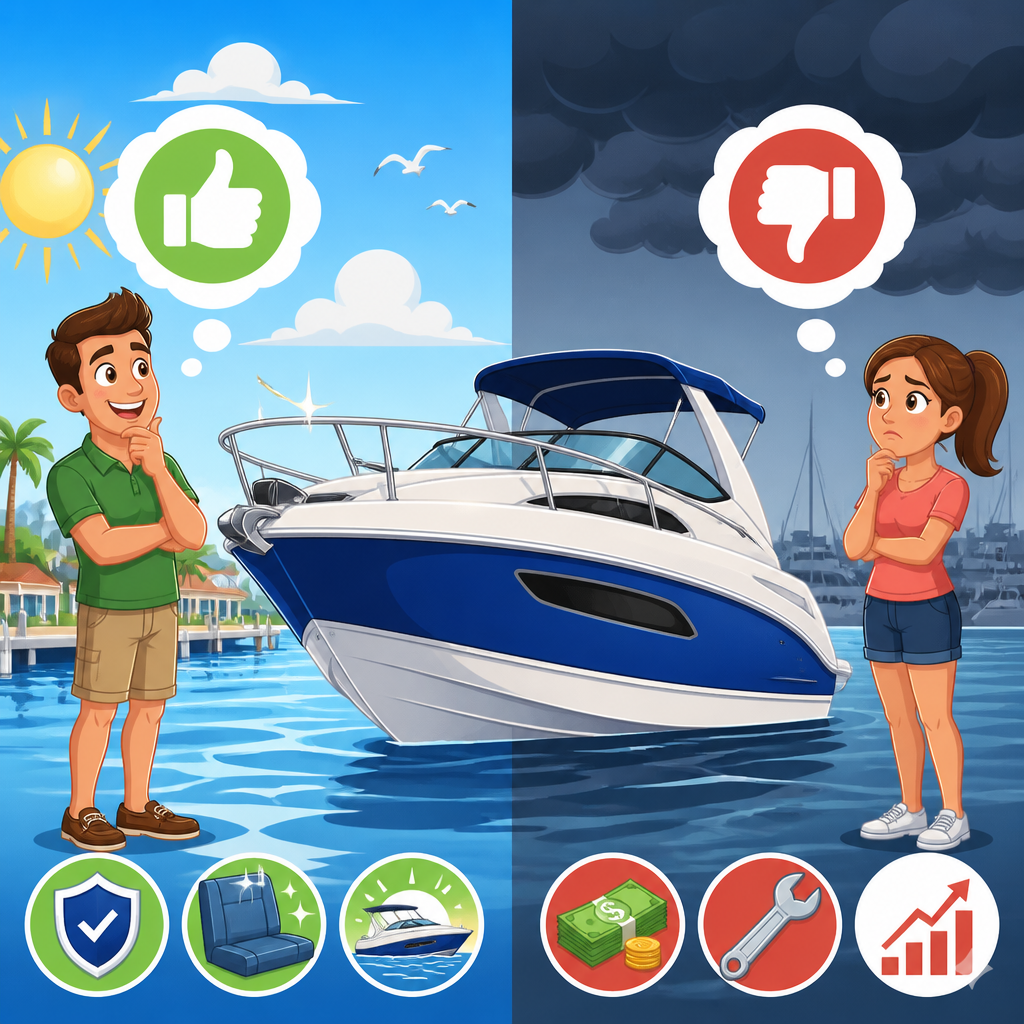
Selling your boat to a dealer or through a trade-in program is often the fastest path to turning a vessel into cash or applying its value toward your next purchase. In the broader buying and selling boats market, this route matters because it reduces the work of listing, showing, negotiating, and screening private buyers, while also simplifying paperwork, financing coordination, and delivery logistics. A dealer is a licensed marine business that buys used boats outright, takes them on consignment, or accepts them as trade toward another boat. A trade-in program is a structured valuation and exchange process in which the dealer credits your current boat against the price of a new or used replacement. I have worked with owners who wanted top dollar and owners who wanted certainty by the weekend; dealer sales serve the second group especially well. The core issue is understanding the tradeoff: convenience, speed, and lower transaction risk usually come at the cost of a lower net sale price than a successful private-party sale. If you know how dealers appraise condition, title status, service history, marketability, and reconditioning cost, you can enter the process with realistic expectations and negotiate from a stronger position.
This hub article explains how dealer purchases and trade-in programs work, when they make sense, how values are calculated, what documents you need, and which mistakes reduce your leverage. It also frames the subtopic for deeper related content, including valuation methods, preparing your boat for appraisal, tax considerations, loan payoff handling, consignment versus direct purchase, and negotiating trade-in allowances. Whether you are selling a center console, pontoon, wake boat, trawler, or cruiser, the principles are the same: dealers buy based on resale margin, risk, and time to turn inventory. Your goal is to make your boat easy to inspect, easy to transfer, and easy to resell.
How dealer boat buying and trade-in programs actually work
When a dealer evaluates your boat, they are not asking what it is worth to you or what similar boats are listed for online. They are estimating what they can realistically retail it for, subtracting transport, cleaning, repairs, detailing, mechanical service, survey findings, marketing costs, floorplan carrying cost, warranty exposure if any, and desired gross margin. That is why a dealer offer can feel lower than marketplace asking prices. Asking prices are not sold prices, and dealers underwrite against actual transaction value and holding risk.
Most programs fall into three models. First is an outright purchase, where the dealer buys the boat directly and pays you after title and lien verification. Second is a trade-in, where the dealer assigns a value and applies it as credit toward a replacement boat. Third is consignment, where the dealer does not own the boat initially but markets it for a commission. As a hub topic, it is important to separate these clearly because the seller experience, payment timing, and risk profile differ. Outright purchase is fastest. Trade-in is most convenient if you are replacing the boat immediately. Consignment can produce a higher net return than a direct dealer buy, but it is slower and not guaranteed.
In practice, dealers begin with photos, make, model, year, engine hours, hull identification number, trailer details, electronics list, and maintenance records. Many also review NADA Guides, SoldBoats data through YachtWorld for larger vessels, regional listing history, and recent auction or wholesale comparables. Then they factor in local demand. A 24-foot bay boat may move quickly in Florida or Texas, while an express cruiser may sell better in Great Lakes markets at the right season. That local demand curve changes your offer materially.
When selling to a dealer makes more sense than a private sale
A dealer sale is usually the right move when speed, certainty, and administrative simplicity matter more than squeezing out the last dollar. Owners facing marina deadlines, loan resets, estate administration, divorce settlements, relocation, or a short boating season often benefit most. I have seen sellers spend months answering low-quality inquiries, coordinating no-show appointments, and renegotiating after sea-trial issues. A credible dealer offer can remove that drag in a day.
Trade-ins are especially useful when your next purchase depends on timing. If the new boat you want is in stock, tying the transactions together prevents the gap where you sell privately, lose your slip, and then miss inventory on the replacement. There can also be sales-tax advantages in some states when the trade-in value reduces the taxable difference between the old and new purchase prices. This is not universal, and rules vary by state, vessel type, and registration regime, so confirm with the dealer and your tax advisor. Still, in states where the credit applies, the effective value of a trade-in can exceed a slightly higher private offer once tax savings are included.
The private market still wins if your boat is rare, highly upgraded, exceptionally clean, or attractive to a niche enthusiast willing to pay a premium. Dealer programs are built around scalable resale, not emotional attachment. If your vessel has custom rigging that only a specific buyer segment values, a dealer may discount those additions sharply. That does not make the dealer wrong; it reflects how broadly the inventory must appeal when re-listed.
How dealers determine boat value
Boat valuation is a disciplined process, not guesswork. Dealers look first at baseline market value by make, model, year, propulsion package, and regional demand. They then adjust for engine hours, cosmetic condition, service history, trailer inclusion, electronics age, soft-goods wear, bottom paint status, and signs of deferred maintenance. A single unresolved issue, such as moisture in a transom, outdated navigation screens, or evidence of saltwater corrosion around steering components, can reduce a trade figure substantially because the dealer prices in downstream repair uncertainty.
| Valuation factor | What dealers look for | Typical effect on offer |
|---|---|---|
| Title and lien status | Clear ownership, payoff amount, matching HIN | Unresolved paperwork lowers offer or stops deal |
| Mechanical condition | Compression, service records, engine diagnostics, sea-trial performance | Strong records support value; unknowns trigger discounts |
| Cosmetic presentation | Gelcoat shine, upholstery, canvas, odors, mildew | Clean boats appraise better and sell faster |
| Marketability | Popular layout, seasonality, local demand, trailerability | High-demand boats get firmer numbers |
| Reconditioning cost | Detailing, tires, batteries, pumps, electronics, safety items | Every expected repair comes out of margin |
For larger yachts, survey history, generator hours, maintenance logs, hull moisture readings, and compliance items become more important. For towboats and fishing boats, dealers scrutinize ballast systems, towers, trolling motor mounts, power-pole installations, and trailer brakes. In every segment, documented maintenance matters. A folder with annual service invoices from a recognized yard or certified technician can narrow the uncertainty discount significantly.
Preparing your boat before appraisal or trade-in
Preparation directly affects dealer confidence. Start with documents: title or registration, payoff letter if financed, bill of sale from your purchase, engine serial numbers, trailer title, warranty transfer information, and service records. Then prepare the boat physically. Remove personal gear, empty lockers, clean bilges, wash and wax the hull, treat vinyl, replace dead batteries if practical, and fix inexpensive defects that signal neglect, such as broken latches, nonworking lights, or torn mooring covers. Dealers know the difference between normal age and poor care, and first impressions move numbers.
Do not overinvest in major upgrades expecting full recovery. New electronics, custom stereo systems, or premium decking rarely return dollar for dollar in a trade-in. Focus instead on reliability and presentation. If the outboard is due for service, completing it with invoice in hand is often worth more than adding accessories. If the boat has been sitting, insist on a proper startup, water test, and diagnostic scan before appraisal. A no-start boat is usually valued defensively because the dealer assumes worst-case repair scenarios.
Take current, honest photos before contacting dealers. Include hull sides, transom, helm, upholstery, engine cowlings, trailer, gauges with hours displayed, and any flaws. Sending clear information early leads to stronger provisional offers and fewer surprises when the dealer inspects in person. It also helps if you collect comparable retail listings, not to demand matching value, but to anchor the conversation around realistic market positioning.
Negotiating the best dealer offer without wasting time
Negotiating with dealers works best when you understand their economics and create competitive pressure professionally. Get multiple bids from reputable marine dealers that actively sell your type of boat. A bass boat specialist will value a loaded tournament rig more accurately than a generalist coastal dealer. Ask each buyer to state whether the number is contingent on inspection, sea trial, lien payoff, trailer inclusion, and timing. This eliminates the common problem of headline offers shrinking later.
If you are trading in, negotiate the price of the replacement boat and the value of your current boat as separate lines. Combining them too early makes it hard to see where value is moving. Dealers can appear generous on trade allowance while holding firmer on the purchase price of the next boat, or vice versa. Separate the components and evaluate the net difference, including tax effect, prep fees, freight, and finance terms.
You gain leverage by presenting a boat that is easy to buy. Have the payoff letter ready, list all included accessories clearly, disclose known issues upfront, and propose a fast closing date. Dealers pay more confidently when uncertainty is low. What does not help is exaggerating condition, hiding soft spots, or insisting that online asking prices prove your number. Professionals discount unsupported claims immediately. Precise records, candid disclosure, and readiness to transact carry more weight than emotion.
Paperwork, liens, taxes, and closing details
Many boat deals stall over paperwork rather than price. Before accepting an offer, verify that the hull identification number on the boat matches the title or registration exactly. Confirm whether your state titles boats, trailers, both, or neither, and gather the required transfer forms. If there is a loan, request a current payoff statement with per diem interest and lender instructions for releasing the lien. Dealers handle payoffs regularly, but you still need to understand the flow of funds and when any equity will be disbursed to you.
For trade-ins, ask how sales tax is calculated in your jurisdiction and whether the trade credit reduces the taxable amount. For outright sales, clarify when payment is made, whether funds are wired, and whether the offer is subject to survey or water test. On larger vessels, escrow arrangements and acceptance periods are common. On trailer boats, same-day transactions are more typical if documents are clean. Remove toll tags, chartplotter accounts, marina access devices, and personal registration decals as required. Cancel or transfer insurance only after ownership transfer is complete.
If the boat has a trailer, include its VIN, title status, tire condition, bearing service history, and brake functionality in the transaction discussion. A trailer can add or subtract meaningful value depending on roadworthiness. Dealers know that a neglected trailer creates liability and recon cost, so do not treat it as an afterthought.
Common mistakes sellers make in dealer and trade-in transactions
The most common mistake is confusing retail aspiration with wholesale reality. Dealers need margin to stay in business, absorb recon cost, and support warranty or customer service after resale. Sellers who understand that dynamic negotiate more effectively because they focus on reducing uncertainty instead of arguing from emotion. Another mistake is contacting only one dealer. Even within the same metro area, offers can vary widely based on inventory mix, customer demand, and the season.
Sellers also lose value by presenting dirty boats, missing records, inactive engines, dead electronics, or vague ownership history. Every unknown becomes a line item in the dealer’s risk budget. Another frequent error is waiting until after committing to a replacement purchase to discuss the trade. That timing weakens leverage. Start the appraisal process early, compare options, and know your payoff before you walk into the purchase negotiation.
Finally, do not ignore alternatives. If the outright buy number is too low, ask about consignment, broker representation for larger boats, or seasonal timing that could improve the trade value. This hub exists to help you choose the right path, not to force one method. The best decision depends on your timetable, tax position, boat condition, and appetite for handling a private sale yourself.
Selling your boat to a dealer or using a trade-in program works best when you treat the process like a professional transaction. Know the difference between direct purchase, trade-in, and consignment. Prepare documents before valuation. Improve reliability and presentation rather than overspending on upgrades. Get multiple offers from specialists, separate trade value from replacement price, and verify the tax and lien details that affect your true net proceeds. When those pieces are handled well, dealer sales deliver what they are supposed to deliver: speed, simplicity, and lower execution risk.
As the central resource for this subtopic within buying and selling boats, this page gives you the framework to evaluate every related question that follows, from appraisal strategy to payoff handling and negotiation tactics. Use it to decide whether convenience or maximum price matters more in your situation. Then gather your records, request competing valuations, and move forward with the option that gives you the clearest, cleanest close.
Frequently Asked Questions
What documents do I need to sell my boat to an international buyer?
When selling a boat to an international buyer, complete and accurate documentation is one of the most important parts of the transaction. In most cases, you will need the original title or proof of ownership, current registration, a signed bill of sale, and any lien release documents if there was ever financing on the vessel. If the boat is documented rather than state titled, you may also need federal documentation records and transfer forms. International buyers often want additional records that help confirm the boat’s history and condition, including maintenance logs, engine service records, manuals, survey reports, and receipts for major upgrades or repairs.
Beyond ownership paperwork, the buyer may need specific export and import documents depending on the destination country. These can include customs declarations, proof of value, identification for both parties, and in some cases a notarized sale agreement. If the boat is being shipped overseas, the transport company or customs broker may ask for dimensions, hull identification number details, engine serial numbers, and marina release forms. The best approach is to gather every relevant record before you list the vessel, because international buyers tend to move carefully and will often walk away if paperwork is incomplete or unclear. If you want the smoothest process possible, a licensed marine dealer, broker, or documentation service can help organize the file and make sure the transaction meets both U.S. and foreign requirements.
How can I safely accept payment from an overseas boat buyer?
Secure payment is critical in an international boat sale because the distances involved make fraud prevention even more important. In most legitimate transactions, sellers prefer a bank wire transfer because it is traceable, widely accepted, and practical for larger purchases. Before releasing the boat, title, or export documents, confirm directly with your bank that the funds have fully cleared and are not merely pending. Do not rely on emailed confirmations, screenshots, or messages from the buyer claiming the transfer has been sent. Always verify through your bank using known contact information.
For higher-value transactions, some sellers use an escrow service, especially when the buyer wants added protection before funds are released. If you choose escrow, use only a reputable service with a strong track record in marine or high-value asset transactions. Be cautious of overpayment scams, counterfeit cashier’s checks, requests to refund excess funds, or pressure to release the boat before payment is fully confirmed. It is also smart to match the buyer’s legal name to the purchase agreement, invoice, and wire instructions, and to keep a clear paper trail of all communications. If you are working with a dealer or trade-in program instead of a private buyer, payment handling is often simpler because the dealer manages valuation, paperwork, and financial processing in a more controlled business setting.
Who is responsible for shipping, export, and customs when selling a boat internationally?
Responsibility for shipping and customs should never be left vague. It should be clearly spelled out in the purchase agreement before money changes hands. In some international boat sales, the buyer takes full responsibility for transport, export coordination, insurance, and import duties once the vessel is delivered to an agreed location, such as a marina, boatyard, or port. In other deals, the seller may agree to help coordinate haul-out, loading, or delivery to the shipping company. The key is to define exactly where the seller’s responsibility ends and the buyer’s begins.
Because export compliance and customs procedures can be complex, many sellers work with a freight forwarder, customs broker, or marine transport specialist. These professionals can help with shipping schedules, cradling requirements, port handling, and required filings. You should also clarify who pays for storage, shrink-wrapping, disassembly of towers or arches, cleaning for agricultural inspection, and insurance during transit. If the vessel is sold through a dealer, broker, or trade-in arrangement, they may be able to coordinate much of this process and reduce the risk of delays or misunderstandings. A well-written sales contract protects both sides and helps prevent expensive disputes after the boat leaves your possession.
How do I price my boat for an international buyer?
Pricing a boat for an international buyer starts with the same fundamentals as any other sale: age, brand, model, condition, engine hours, maintenance history, onboard equipment, and current market demand. However, international demand can change the value equation. Some makes and models are especially attractive in certain regions due to brand reputation, fishing capability, cruising layout, local parts availability, or import economics. That means a boat that is average in one domestic market may command stronger attention from buyers abroad.
To set a realistic and competitive price, review comparable listings, recent sale data, and current inventory levels for similar vessels. It also helps to consider how shipping costs, taxes, and import duties may affect the buyer’s willingness to pay. If transport costs are high, buyers may negotiate more aggressively unless the boat is rare, exceptionally well kept, or priced attractively. A pre-sale survey or mechanical inspection can strengthen your asking price by giving foreign buyers more confidence from a distance. If speed and simplicity matter more than maximizing every dollar, selling to a dealer or using a trade-in program can be a smart alternative. While that route may not always produce the highest top-line sale price, it often reduces time on market, cuts down on negotiation friction, and simplifies everything from paperwork to delivery planning.
Should I sell my boat directly to an international buyer or work with a dealer or broker?
The right choice depends on your priorities. Selling directly to an international buyer can potentially bring a higher sale price, especially if your boat fits a specific overseas market and you are willing to invest time in marketing, answering questions, arranging inspections, handling documentation, and coordinating payment and transport. Direct sales can work well for experienced sellers who are comfortable managing negotiations and protecting themselves throughout a cross-border transaction. That said, international deals involve more moving parts than a typical local sale, including identity verification, export paperwork, customs coordination, and long-distance communication.
Working with a dealer or broker often makes the process far more manageable. A licensed marine dealer may buy the boat outright, take it on consignment, or apply its value toward a trade-in, which is usually the fastest path if your goal is to turn the boat into cash or move into another vessel quickly. This route reduces the workload of listing, showing, screening buyers, and sorting out financial logistics. A broker can also be valuable if your boat is likely to appeal to foreign buyers, because established brokers often have international networks and experience with marine documentation and transport partners. If convenience, speed, and risk reduction are your top concerns, professional help is usually worth serious consideration. If maximizing the final price is your main objective and you are prepared for a more hands-on process, a direct sale may be the better fit.