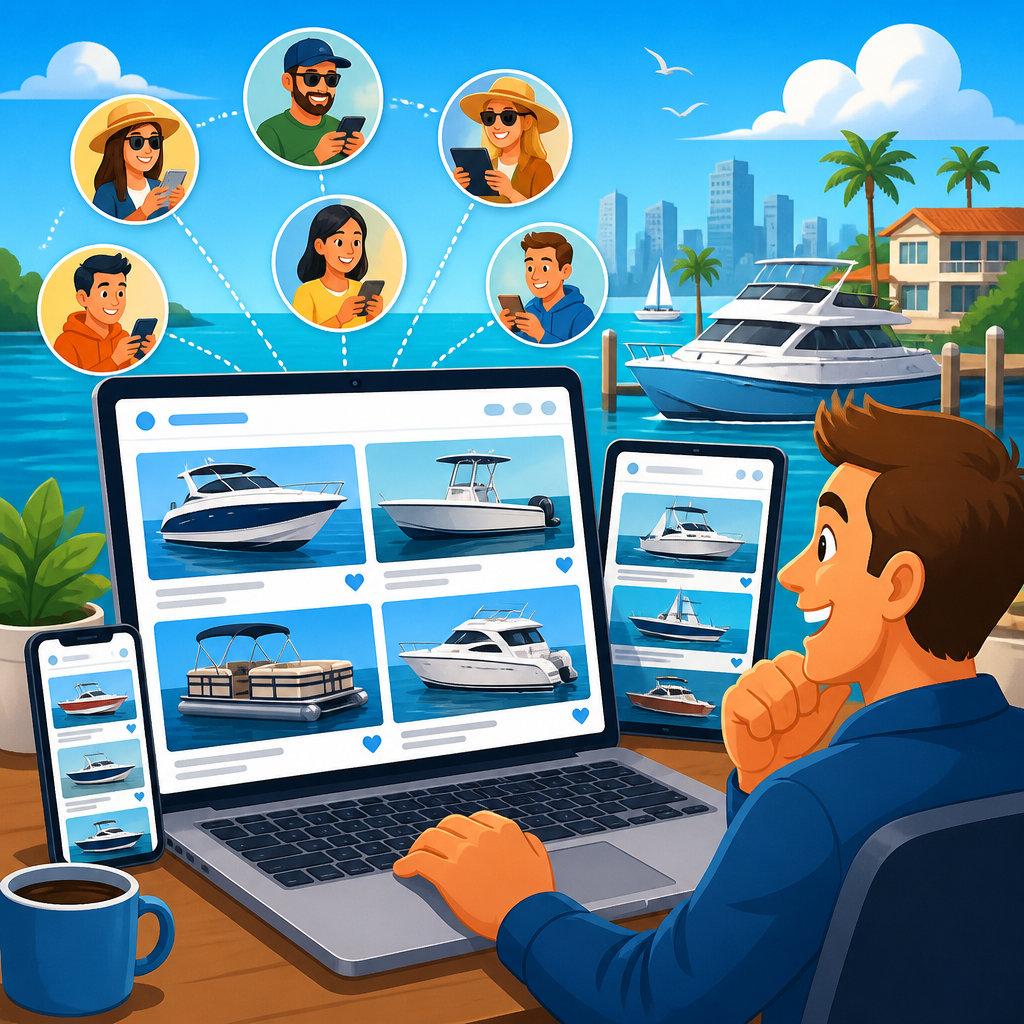
Selling a boat quickly and profitably starts with choosing the right channel, and the best boat selling websites can dramatically expand buyer reach while also supporting dealer offers and trade-in programs. In this subtopic, “dealer” means a licensed marine business that buys boats outright, takes consignments, or applies trade value toward another purchase, while “trade-in program” usually means the dealer evaluates your current boat and credits its value against a replacement vessel. I have worked with owners who listed privately for months without traction, then moved to platforms connected to dealer networks and closed in days because their pricing, paperwork, and exposure improved at the same time. That is why this topic matters: the website you choose does more than publish photos. It shapes who sees the boat, how serious the leads are, how financing is handled, and whether a dealer can make a realistic offer.
For sellers under the broader Buying & Selling Boats journey, this page serves as the hub for understanding when to use listing marketplaces, when to approach dealers directly, and how trade-ins fit into the decision. Websites in this category generally fall into three groups. First are high-traffic marketplaces such as YachtWorld, Boat Trader, and boats.com, which attract retail buyers and often feed inventory to broker and dealer audiences. Second are dealer-group sites and local dealership websites, where valuation forms, “sell us your boat” pages, and trade-in request tools produce direct acquisition offers. Third are general marketplaces such as Facebook Marketplace and Craigslist, which can generate volume but usually require heavier screening and more caution. If your goal is maximum net proceeds, private retail exposure often wins. If your goal is speed, tax efficiency, or convenience, a dealer purchase or trade-in may be better.
The key is understanding the tradeoff between gross sale price and total transaction value. A private buyer may pay more than a dealer because the buyer plans to use the boat rather than resell it at a margin. A dealer, by contrast, has to account for reconditioning, transport, floorplan costs, warranty risk, and time to retail. Yet owners often underestimate the hidden costs of a private sale: storage, insurance, slip fees, cleaning, survey issues, title delays, and weeks spent handling no-show inquiries. In states where sales tax is reduced by trade allowance, a lower trade number can still produce a higher effective outcome than a private sale. The best boat selling websites help you compare these paths with better data, stronger presentation, and access to both retail buyers and professional buyers.
What Makes a Boat Selling Website Effective for Dealer Sales and Trade-Ins
An effective boat selling website does four things well: attracts qualified traffic, collects complete boat details, supports price discovery, and reduces transaction friction. Qualified traffic matters because ten inquiries from buyers who understand your boat category are worth more than fifty casual messages. Sites with marine-specific search filters for make, model, length, engine hours, hull material, and propulsion create better matching than generic platforms. That is why serious sellers often start with marine marketplaces or dealer acquisition forms rather than broad classified sites. Dealers reviewing trade-ins also look for standardized details, because incomplete submissions force them to assume worst-case condition and lower the offer.
Price discovery is equally important. The strongest sites expose comparable listings, sold-market signals when available, and category-specific trends. For example, a late-model center console with four-stroke outboards may receive stronger dealer interest in spring than a thirty-year-old express cruiser with deferred maintenance. Websites that syndicate listings across broker networks or connect directly to customer relationship management systems help dealers react faster to hot segments. In practice, I have seen clean freshwater pontoons, trailerable fishing boats, and popular family bowriders move quickly because dealers know they can retail them with limited refurbishment. Older sailboats, houseboats in niche geographies, and project boats often generate weaker trade offers because the resale pool is narrower.
Finally, an effective site reduces friction. Good forms request title status, lien balance, service records, trailer inclusion, engine diagnostics, and recent upgrades upfront. Better sites also explain next steps clearly: whether the dealer gives a sight-unseen range, requires inspection, arranges pickup, or offers consignment instead of cash purchase. When a platform makes these steps transparent, sellers can compare options rationally rather than chasing headline numbers that disappear after inspection.
Best Boat Selling Websites for Reaching Buyers and Getting Dealer Offers
For broad exposure, YachtWorld, Boat Trader, and boats.com remain major names because they aggregate marine shoppers and are deeply integrated into dealership and brokerage inventory systems. YachtWorld is especially influential for larger vessels, yachts, and brokered listings, while Boat Trader performs strongly for mainstream powerboats and trailerable inventory. boats.com offers wide discoverability and educational content that helps bring in informed buyers. These platforms are not always direct self-service solutions for every private seller, but they matter because many dealers and brokers use them as primary merchandising channels. If your local dealer plans to retail your trade, these are often the places where your boat will eventually be marketed.
Dealer websites themselves are often underrated. Many regional marine groups now run dedicated acquisition pages with instant appraisal forms and “we buy boats” campaigns tied to current inventory shortages. A dealer specializing in bass boats, wake boats, or premium pontoons may pay more than a generalist because they know their customer base and turn rate. Manufacturer-affiliated dealer networks can be especially useful for trade-ins when you are moving within the same segment. For example, an owner upgrading from one towboat brand to another within a competitive ski and wake market may find aggressive trade support during peak season or manufacturer incentive periods.
General marketplaces still have a role. Facebook Marketplace delivers huge local reach and quick message volume, which helps if you are testing price or targeting cash buyers for entry-level boats. Craigslist is less dominant than it once was, but in some regional trailerable markets it still generates leads. The drawback is lower signal quality, more scam attempts, and inconsistent search filtering. If you use these sites, pair them with a structured information sheet, a lien payoff plan, and a firm screening process before sea trials.
| Website Type | Best For | Main Advantage | Key Limitation |
|---|---|---|---|
| Marine marketplaces | Maximum retail exposure | Qualified boating audience and detailed filters | May require broker or paid listing support |
| Dealer websites | Fast offers and trade-ins | Direct acquisition workflow and local pickup options | Offer reflects resale margin and reconditioning costs |
| General marketplaces | Local cash buyers | High message volume and simple posting | More low-quality leads and fraud risk |
How Dealers Value Boats and Why Trade-In Numbers Differ from Asking Prices
Owners often ask a direct question: why is the trade-in offer lower than similar boats listed online? The answer is that asking prices are not sale prices, and dealers value boats based on wholesale reality, not retail hope. A dealer starts with likely retail price, then subtracts mechanical inspection costs, detailing, fiberglass repair, upholstery work, electronics updates, transport, listing costs, carrying costs, and target gross margin. If a boat has an open recall, corrosion issues, soft decks, outdated navigation equipment, or an engine near a major service interval, the deductions increase quickly. NADA Guides, ABOS Marine Blue Book references, auction data, and local market comps may all inform the estimate, but none replaces physical inspection.
Condition drives value more than many sellers expect. Complete service records, compression results, hour reports from digital engine systems, recent survey documentation, and clean ownership paperwork can materially improve confidence. So can evidence that the boat has been stored indoors, used in freshwater, or upgraded with desirable accessories such as modern multifunction displays, a quality trailer, or newer canvas. By contrast, unresolved liens, missing HIN documentation, water intrusion, neglected bottom paint, or cosmetic neglect force a dealer to price defensively. In my experience, the biggest valuation gaps occur when owners compare their average-condition boat to the best retail examples online rather than to true sold-condition equivalents.
Seasonality and dealer inventory matter too. A dealer overstocked on twenty-two-foot deck boats in late summer may bid conservatively, while another dealer short on clean center consoles before spring may bid aggressively. Trade numbers are strategic, not universal. That is why sellers should get multiple offers from category-relevant dealers and compare the total transaction, not just the allowance line.
When Selling to a Dealer or Using a Trade-In Program Makes the Most Sense
Selling your boat to a dealer makes the most sense when speed, certainty, and convenience matter more than squeezing out the last dollar. Common examples include owners relocating, stepping out of boating before storage renews, settling an estate, upgrading during a manufacturer promotion, or avoiding another season of maintenance on an aging vessel. Dealers can also solve practical issues that private buyers cannot, including lien payoff coordination, documentation transfer, transport scheduling, and bundling the transaction with financing on the replacement boat. For many families, reducing administrative burden is worth the margin difference.
Trade-ins become especially attractive when tax rules work in your favor. In many states, taxable purchase price on the next boat is reduced by the trade allowance. If you receive a $40,000 trade credit and your local tax structure allows credit against the new purchase, the tax savings can be meaningful enough to close much of the gap between trade value and a private sale. This is not universal, so verify state and local rules with the dealer and your tax advisor, but it is one of the most overlooked financial advantages in boat transactions.
There are limits. If you own a highly desirable, late-model boat with strong service history and broad appeal, private retail may net substantially more. If the boat is unusual, beautifully maintained, and targeted to an enthusiast audience, consignment through a specialist broker may outperform a dealer cash offer. The right decision depends on urgency, condition, market segment, and your tolerance for handling the sale yourself.
How to Prepare Your Boat and Listing Information Before Requesting Offers
Preparation directly affects the quality of dealer and trade-in offers. Start with documents: title or registration, lien information, HIN, engine serial numbers, maintenance records, trailer VIN, warranty transfer details, and any recent survey. Then clean the boat thoroughly. A dealer knows the difference between cosmetic shine and mechanical condition, but presentation still changes first impressions and can prevent unnecessary deductions for avoidable cleanup. Remove personal gear, photograph the hull, deck, upholstery, helm, bilge, trailer, engines, and electronics, and disclose known defects clearly.
Next, build a concise spec sheet. Include year, make, model, length, engine type, horsepower, engine hours, fuel type, beam, draft if relevant, major options, electronics, trailer details, storage method, and notable recent service. Mention expensive completed work such as manifolds and risers, impellers, batteries, tires, brake service, canvas replacement, bottom job, or chartplotter upgrades. Dealers price risk. Every item you document reduces uncertainty. If a sea trial issue exists, state it upfront. Surprises discovered later almost always reduce trust and lower the final number.
Finally, submit the same package to several appropriate outlets: two or three dealers who specialize in your segment, one broker if the boat fits a brokered market, and at least one high-quality listing path if you may also test retail demand. That creates leverage and gives you a realistic picture of the market.
Choosing the Best Path and Moving Forward
The best boat selling websites help you do more than advertise. They help you choose between retail exposure, direct dealer sale, consignment, and trade-in with clearer information and less wasted time. Marine marketplaces are strongest when your priority is reaching the widest pool of serious buyers. Dealer websites are strongest when you want a fast, structured offer or a simple upgrade path. General marketplaces can supplement exposure, but they require stricter lead screening and greater caution.
For the Selling Your Boat to a Dealer or Trade-In Programs subtopic, the central lesson is simple: evaluate the entire transaction, not just the highest visible number. A slightly lower dealer offer may outperform a private sale after taxes, storage, reconditioning, financing timing, and risk are considered. A stronger listing package with complete records and accurate photos will improve every path, whether you sell outright, consign, or trade. And multiple quotes from relevant dealers are essential because inventory needs, seasonality, and specialization can materially change value.
If you are preparing to sell, start by gathering records, documenting condition, and requesting offers from category-specific dealers alongside one strong retail listing option. Compare net proceeds, tax impact, timing, and effort, then choose the path that fits your priorities. That approach reaches more buyers, produces more credible offers, and puts you in control of the deal.
Frequently Asked Questions
What are the best boat selling websites for reaching more buyers?
The best boat selling websites are usually the ones with strong marine-specific traffic, detailed listing tools, and a large audience of serious shoppers rather than casual browsers. In most cases, sellers get the best exposure from established boating marketplaces that specialize in new and used boats, because those platforms already attract buyers who are actively comparing brands, lengths, engines, and price ranges. A strong website should let you upload multiple high-quality photos, write a detailed description, include specifications such as year, make, model, engine hours, beam, draft, and electronics, and make it easy for interested buyers to contact you directly.
It is also smart to compare general online marketplaces with marine-focused platforms. General classified sites can generate attention, but dedicated boat selling websites often provide better-qualified leads because visitors are specifically shopping for boats. Some sellers also benefit from listing with dealer-backed platforms or consignment programs, since licensed marine businesses may already have a network of repeat customers and financing resources that private sellers do not. If your goal is to reach more buyers quickly, the most effective strategy is often to use one of the top boat-specific websites, build a complete and accurate listing, and consider adding dealer support or trade-in options if convenience and speed matter as much as final sale price.
Should I sell my boat privately online or work with a dealer?
That decision depends on your priorities. Selling privately online can sometimes produce a higher final price because you are dealing directly with the buyer and keeping the entire sales amount, aside from listing fees or advertising costs. If you have time to photograph the boat, answer questions, handle showings, negotiate, and manage paperwork, private selling through boat websites can be a strong option. It also gives you more control over the listing presentation, pricing strategy, and timing.
Working with a dealer, however, can be a much easier and faster path for many owners. In this context, a dealer is a licensed marine business that may buy your boat outright, sell it on consignment, or apply its value toward another purchase. That can reduce a lot of the friction involved in a private transaction. Dealers often know how to price boats based on local demand, condition, seasonality, and comparable sales. They may also have access to buyers already looking for a vessel like yours. If you want to avoid handling inquiries, sea trials, negotiations, and title transfer logistics on your own, a dealer can offer a more streamlined experience.
The right choice comes down to balancing profit, effort, and timing. If maximizing your return is the top goal and you do not mind doing the work, private online selling may be best. If you want less hassle, a quicker closing, or help moving into another boat, a dealer or trade-in program may be the better fit.
How do trade-in programs work when selling a boat?
A trade-in program usually means a dealer evaluates your current boat and applies its value as a credit toward the purchase of a replacement vessel. This approach is common for boaters who are upgrading, downsizing, or switching styles, such as moving from a bowrider to a center console or from a fishing boat to a cruiser. Instead of selling your current boat separately and then shopping for the next one, the transaction is combined into a more convenient process.
The dealer will typically assess the boat’s year, make, model, condition, engine hours, maintenance history, equipment, trailer status, and current market demand. They may also inspect the hull, electronics, upholstery, and propulsion system before presenting a trade value. That value is generally lower than what you might achieve through a successful private-party sale, because the dealer assumes the risk, overhead, reconditioning costs, and resale timeline. However, many sellers accept that trade-off for the speed and simplicity.
Trade-in programs can make especially good sense if you want to avoid the uncertainty of waiting for a buyer or if your next purchase depends on applying the current boat’s value right away. They can also simplify paperwork, logistics, and timing. Before accepting an offer, it is wise to compare the trade value with estimated private sale value and ask whether the dealer is offering outright purchase, consignment, or a direct trade credit. That comparison helps you understand whether convenience or maximum price should drive your decision.
How can I create a boat listing that attracts serious buyers?
A high-performing boat listing starts with accuracy, transparency, and presentation. Serious buyers want enough detail to determine whether your boat is worth pursuing before they contact you. At a minimum, include the year, make, model, length, engine type, engine hours, condition, major features, trailer information, service history, and any recent upgrades or repairs. Clear disclosure matters. If the boat has cosmetic wear, mechanical issues, or missing equipment, say so directly. Honest listings build trust and reduce wasted conversations.
Photos are one of the most important factors in generating interest. Use sharp, well-lit images of the exterior, helm, seating, engine compartment, electronics, trailer, and any standout features. Clean the boat thoroughly before taking pictures, remove clutter, and photograph it in daylight from multiple angles. Buyers often skip listings with poor or limited photos because they assume the seller is hiding condition issues or is not serious about the sale.
Pricing also plays a major role. If the price is too high, your listing may sit with little engagement; if it is too low, buyers may assume something is wrong. Compare similar boats currently listed and recently sold in your market, taking into account engine hours, upgrades, freshwater versus saltwater use, and seasonal demand. A detailed, realistic listing placed on one or more of the best boat selling websites gives you a much better chance of attracting qualified buyers who are ready to move forward.
What should I watch out for when selling a boat online?
When selling a boat online, the biggest concerns are scams, unqualified buyers, vague offers, and incomplete paperwork. Be cautious if someone wants to buy the boat immediately without asking detailed questions, refuses a proper inspection, or pushes unusual payment arrangements. Overpayment scams, fake escrow services, and requests to move communication off the platform too quickly are all warning signs. Serious boat buyers usually ask about condition, title status, maintenance records, engine hours, and sea trials.
You should also protect yourself by documenting everything. Keep records of maintenance, ownership, registration, title information, lien releases if applicable, and any equipment included in the sale. If a buyer wants a survey or marine inspection, that is normal for many used boat transactions. Be prepared for sea trial requests, but handle them carefully and verify the buyer’s seriousness before investing too much time. Meeting in safe locations and confirming funds before transferring ownership are basic but essential steps.
Finally, pay close attention to the closing process. A successful online boat sale is not just about getting interest on a listing website; it is about completing a clean, legal transaction. Make sure the bill of sale is complete, confirm how title and registration transfers work in your state, and do not release the boat until payment has fully cleared. If the process feels overwhelming, using a licensed dealer, consignment service, or trade-in program can reduce risk and help ensure the sale is handled professionally.