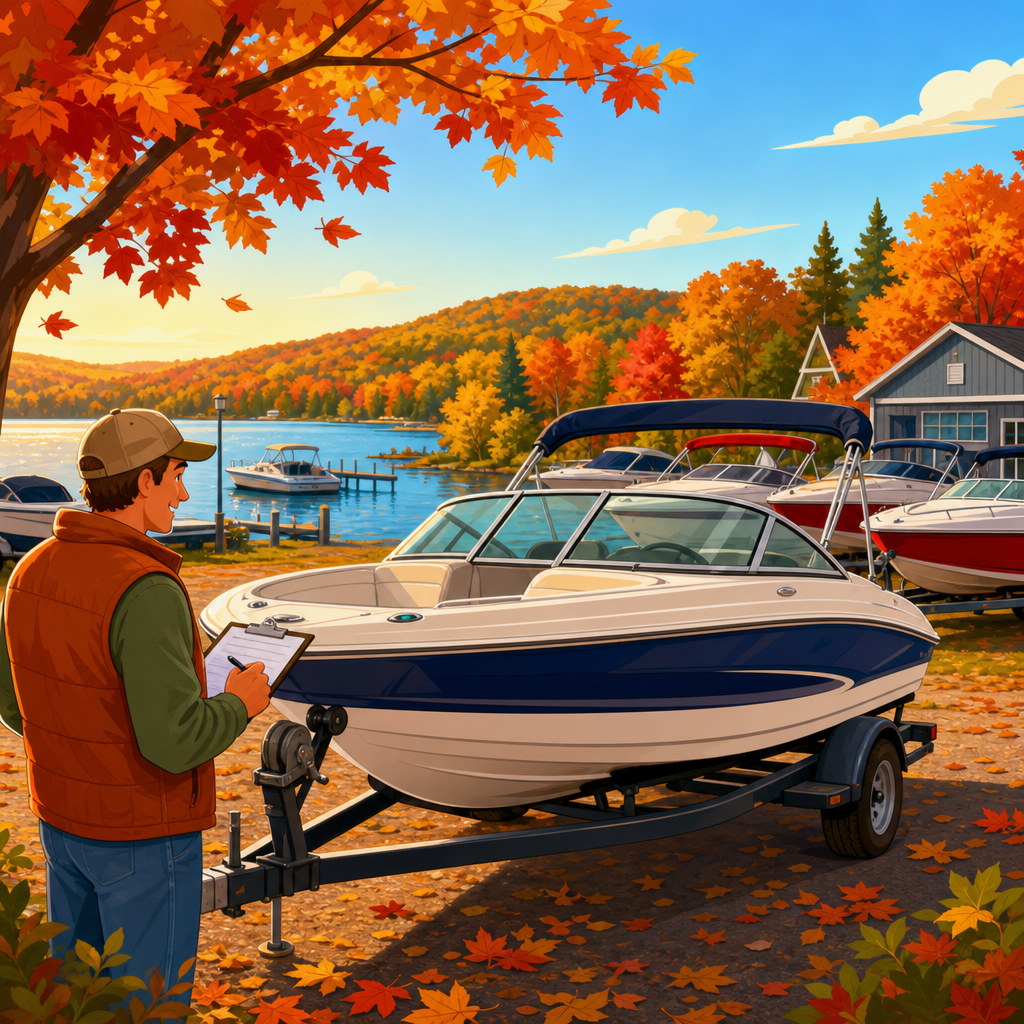
Choosing between a new boat and a used boat is one of the biggest decisions any buyer makes, because the right answer depends on budget, boating goals, maintenance tolerance, and how quickly you want value to depreciate. In practical terms, a new boat is purchased directly from a dealer or manufacturer with no previous owner, while a used boat has already logged time on the water and comes with a service history, wear patterns, and a market price shaped by age, condition, and demand. I have helped buyers evaluate both paths, and the pattern is consistent: people who compare total ownership cost, expected usage, financing, warranty coverage, and resale outlook make better choices than people who focus only on sticker price. This matters because boats are emotional purchases with very real operating expenses. A $90,000 new center console and a $55,000 used one may serve the same fishing plan, yet insurance, depreciation, electronics age, trailer condition, and engine hours can make one a far better fit. Buyers also need to think beyond the first season. Storage, fuel burn, registration, maintenance schedules, marine survey findings, and parts availability all affect satisfaction after closing. If you are weighing new vs. used boats, the goal is not to find a universal winner. The goal is to match the boat to your use case, skill level, cash flow, and risk tolerance so you buy once and buy intelligently.
Understand the True Cost of Ownership
The first question most shoppers ask is simple: is a used boat cheaper? Usually yes at purchase, but not always over the first three to five years. New boats carry a higher upfront cost, destination charges, dealer prep fees, taxes, and often expensive option packages. Used boats avoid the steepest initial depreciation, which is why many experienced buyers target models that are three to seven years old. However, lower purchase price does not automatically mean lower ownership cost. A used sterndrive with deferred maintenance, aging manifolds, original batteries, and obsolete chartplotters can consume thousands of dollars immediately.
When I help buyers build budgets, I separate fixed and variable costs. Fixed costs include loan payment, insurance, registration, winter storage, slip fees, and taxes. Variable costs include fuel, routine engine service, haul-outs, bottom paint, detailing, and repairs. For outboard-powered boats, annual service may include oil, gear lube, water pump inspection, filters, and prop work. For inboards or sterndrives, costs can rise with bellows, gimbal bearings, shaft alignment, and corrosion issues. A new boat usually reduces surprise repairs in the early years. A used boat may reduce depreciation enough to offset those repairs, but only if the boat was maintained correctly.
The smartest comparison is not new price versus used price. It is total cost to own, use, and resell the boat within your expected timeline. If you plan to keep a boat for ten years, buying new can make sense because you control maintenance from day one. If you expect to trade in after three seasons, a well-kept used model often limits the depreciation hit.
Depreciation, Resale Value, and Market Timing
Depreciation is the strongest financial argument in favor of buying used. Like cars, many boats lose value fastest in the first years, though exact rates vary by brand, propulsion, and category. Premium builders with strong dealer networks, such as Boston Whaler, Grady-White, Cobalt, and Malibu, often hold value better than lesser-known brands because buyers trust build quality and parts support. Aluminum fishing boats, pontoons, and popular center consoles also tend to trade actively, which helps resale. New buyers pay for that clean slate; used buyers may benefit from the previous owner absorbing the initial drop.
That said, resale is not just about age. Condition, engine hours, freshwater versus saltwater use, storage practices, and documented maintenance matter more than many first-time buyers realize. I have seen a five-year-old boat with complete service records and indoor storage sell faster and stronger than a three-year-old boat with oxidation, soft upholstery, and vague ownership history. Upgrades can help, but they rarely return dollar for dollar. New electronics, SeaDek, stereo systems, and power poles improve appeal, yet buyers still anchor price to hull age, engine year, and comparable sales.
Market timing matters too. During supply shortages, late-model used boats can command unusually high prices because they are available immediately. In softer markets, dealers may offer incentives on new inventory, including discounted financing, electronics bundles, or extended warranties. If resale value is central to your decision, study sold listings, not just asking prices, and compare actual engine hours and trailer inclusion.
Warranty, Reliability, and Risk Exposure
The clearest advantage of a new boat is warranty protection. A manufacturer hull warranty, component warranties, and new-engine coverage reduce early ownership risk. On many outboards, factory warranty terms can range from three to five years, sometimes longer during promotional periods. New buyers also have recourse through the dealer if delivery issues appear, such as wiring faults, failed pumps, or leaking fittings. That support has real value, especially for first-time owners who are not yet comfortable diagnosing marine systems.
Used boats can still be reliable, but reliability depends heavily on previous care. Engines with regular service, compression within specification, clean diagnostic reports, and proper winterization can run for years. The risk is uncertainty. A bilge pump may work during a showing yet fail under load. A transducer may lose bottom at speed. A trailer axle may look acceptable until a long interstate tow overheats a bearing. These are manageable risks, but they are real.
A pre-purchase marine survey is the best protection when buying used, particularly for larger fiberglass boats, offshore hulls, and anything with complex systems. Surveyors inspect hull moisture, structural integrity, electrical safety, fuel systems, and visible installation quality, then sea-trial the boat. For outboards, engine diagnostics from Yamaha, Mercury, Honda, or Suzuki software can confirm hours, RPM history, and fault codes. If a seller resists a survey or independent mechanic inspection, treat that as a warning.
Features, Technology, and Customization
New boats win on technology, layout refinement, and customization. Modern multifunction displays from Garmin, Simrad, Raymarine, and Humminbird integrate sonar, radar, charts, engine data, and autopilot cleanly. Digital switching, joystick docking, lithium battery systems, and efficient four-stroke outboards have improved usability significantly. New hull designs also often provide better storage, seating ergonomics, and noise reduction than older equivalents. If you know exactly what you want, buying new lets you specify electronics, trolling motors, upholstery colors, tower options, and trailer setup before delivery.
Used boats can still offer excellent value if the previous owner already installed high-cost gear. A two-year-old wake boat with ballast upgrades, surf tabs, and a premium trailer may be far better value than ordering a stripped new model and adding everything later. The tradeoff is compromise. You inherit someone else’s choices in electronics brand, canvas color, prop pitch, and seating configuration. Sometimes that works in your favor; sometimes it means paying to re-rig the boat after purchase.
Technology age also affects serviceability. Electronics become obsolete faster than hulls and engines. A used boat may look attractively priced until you realize replacing a dead chartplotter, radar dome, VHF, and transducer package can cost several thousand dollars. New buyers pay more upfront but avoid immediate modernization expenses.
Inspection Checklist: What to Compare Before You Decide
The most effective way to compare a new boat and a used boat is to score them against the same criteria. That keeps emotion from dominating the decision and makes tradeoffs visible. I recommend documenting the basics, then testing systems on the water whenever possible.
| Factor | New Boat | Used Boat | What to Verify |
|---|---|---|---|
| Purchase price | Higher upfront | Lower upfront | Out-the-door cost, taxes, fees, trailer inclusion |
| Depreciation | Greatest in early years | Often slower after first owner | Comparable sold listings and trade-in estimates |
| Warranty | Strongest coverage | Limited or expired | Hull, engine, electronics, transferable terms |
| Condition risk | Low initially | Varies widely | Survey, compression, diagnostics, sea trial |
| Technology | Latest systems | May be outdated | Electronics age, software support, battery health |
| Customization | Built to order | Fixed by prior owner | Layout, seating, storage, fishing or watersports needs |
| Immediate availability | May require lead time | Usually faster | Delivery date, dealer prep, title and registration status |
Use this framework alongside a sea trial. Run the boat cold, monitor startup smoke, check idle quality, verify full-throttle RPM against manufacturer range, and test pumps, lights, trim, steering, gauges, and livewells. On a trailer, inspect tires, brakes, bunks, winch strap, lights, and the VIN plate.
Financing, Insurance, and Dealer Support
Financing often favors new boats. Lenders generally offer longer terms and lower rates on new models because collateral value is clearer and condition risk is lower. Dealers may also partner with marine lenders to package promotional rates. Used boats can still be financed, but age limits, shorter terms, and survey requirements are common. If cash flow matters more than total interest paid, those differences can influence the decision as much as purchase price.
Insurance follows a similar pattern. New boats are easier to value and insure, while older boats may require agreed-value policies, surveys, or usage restrictions. For high-performance boats, offshore fishing boats, and cruisers with overnight systems, insurers may ask about navigation limits, storm plans, and operator experience. A used boat with outdated wiring or visible neglect can raise red flags during underwriting.
Dealer support is another practical advantage of buying new. Good dealers handle delivery orientation, warranty claims, software updates, and seasonal service scheduling. That support is especially valuable for buyers moving into more complex boats with multiple batteries, pumps, heads, and integrated electronics. Private-party used sales may offer no support after funds change hands. Some buyers are comfortable with that and rely on an independent yard; others prefer one point of accountability.
Which Option Fits Different Types of Buyers?
First-time buyers often do best with either a simple new boat backed by a dealer or a carefully inspected used boat with straightforward systems. Complexity is the enemy of enjoyment when you are learning docking, trailering, launching, and maintenance at the same time. A new 18-foot aluminum fishing boat, a modest pontoon, or a small center console can provide a low-stress entry point. For buyers who know boating style but want to protect capital, a three- to five-year-old used boat from a reputable brand is often the sweet spot.
Frequent users who plan to rack up hours may benefit from buying new because they can control maintenance intervals and avoid inheriting hidden problems. Weekend users with limited annual hours may find used boats more economical, since they are not paying the full premium for untouched condition. Offshore anglers, wake sports families, and cruisers should be especially cautious with used purchases because these categories place heavy demands on engines, electrical systems, ballast systems, generators, and hull structures.
If your priority is customization, technology, and long-term ownership, new is usually the better fit. If your priority is value retention, lower entry cost, and immediate availability, used often wins. The key is honesty about your tolerance for repair projects, downtime, and compromise.
New vs. used boats is not a question with a universal answer; it is a decision about cost control, risk, and how you want to spend your time on the water. New boats offer warranty protection, the latest technology, cleaner financing options, and the ability to configure the boat around your exact needs. Used boats usually offer lower purchase prices, slower depreciation after the first owner, and the chance to buy more boat for the same money. The right choice depends on whether you value predictability more than price, and whether you are prepared to evaluate condition carefully.
Before you buy, define your boating mission, set a full ownership budget, compare out-the-door pricing, and insist on a sea trial. For any used boat with meaningful value, order a marine survey and engine diagnostics. Review maintenance records, verify title status, and inspect the trailer as seriously as the boat. If you are buying new, compare dealer reputation, warranty response, and option pricing as closely as the hull itself. Make the purchase with the clearest long-term fit, not the strongest first impression. Then explore the rest of this Buying and Selling Boats hub to go deeper on inspections, financing, negotiation, surveys, and resale strategy before you commit.
Frequently Asked Questions
Is it better to buy a new boat or a used boat?
The better choice depends on how you plan to use the boat, how much you want to spend up front, and how comfortable you are with maintenance and depreciation. A new boat is often the right fit for buyers who want the latest features, a manufacturer warranty, predictable condition, and a simpler ownership experience in the early years. You know the boat’s history from day one, and you are less likely to face surprise repairs immediately after purchase. That can be especially appealing for first-time buyers who want confidence and convenience.
A used boat, however, can offer significantly more value for the money. Because the first owner usually absorbs the steepest depreciation, a used buyer may be able to afford a larger boat, a better-equipped model, or a higher-end brand for the same budget. If the boat has been well maintained and properly inspected, buying used can be a smart financial move. In most cases, there is no universal “best” option. The real question is whether you prioritize lower risk and newer technology, or lower cost and better value retention.
What are the biggest financial differences between buying a new boat and a used boat?
The main financial differences come down to purchase price, depreciation, financing, insurance, and near-term repair costs. New boats usually carry the highest upfront cost, and they tend to lose value fastest in the first several years of ownership. That early depreciation can be substantial, particularly if you buy a popular model loaded with options. On the other hand, financing may be easier on a new boat, and promotional rates through dealers or manufacturers can sometimes make monthly payments more attractive than buyers expect.
Used boats generally cost less to buy and often depreciate more slowly because the sharpest drop in value has already happened. That can make them a more budget-friendly option and potentially a better value over time. However, buyers should be realistic about maintenance and repair expenses. A lower sale price does not always mean lower total cost of ownership. Older engines, worn upholstery, outdated electronics, trailer issues, or hidden water damage can quickly add to the bill. Insurance rates may also vary based on age, horsepower, and condition. The smartest approach is to compare not just sticker price, but the full ownership picture: loan terms, fuel consumption, storage, registration, maintenance, repairs, and resale value.
What should I inspect before buying a used boat?
Before buying a used boat, you should carefully review both its physical condition and its maintenance history. Start with the hull, deck, transom, and stringers, looking for cracks, soft spots, repairs, corrosion, or signs of impact damage. Check upholstery, flooring, compartments, wiring, gauges, lights, pumps, and electronics to see whether they are functional and well cared for. If the boat comes with a trailer, inspect tires, brakes, wheel bearings, lights, bunks, and frame condition as well. A clean appearance is helpful, but it is never a substitute for a thorough inspection.
You should also review service records, engine hours, winterization history, and any documentation related to previous repairs or upgrades. If possible, arrange for a marine survey and an engine inspection by a qualified mechanic, especially for higher-value boats or larger vessels. A sea trial is equally important because it reveals how the boat starts, idles, accelerates, shifts, steers, and handles under load. This is often where vibration, overheating, electrical issues, or performance problems become obvious. A used boat can be an excellent purchase, but only if you verify its condition rather than relying on assumptions or appearance alone.
Does a new boat require less maintenance than a used boat?
In most cases, yes, a new boat usually requires less immediate maintenance than a used one, but that does not mean it is maintenance-free. A new boat benefits from unworn components, current technology, and often a factory warranty that may cover certain defects or repairs during the early ownership period. That makes costs more predictable in the short term and reduces the chance of inheriting neglected problems from a previous owner. For many buyers, that peace of mind is one of the biggest reasons to buy new.
That said, every boat needs regular care regardless of age. Routine engine service, battery maintenance, hull cleaning, corrosion prevention, trailer upkeep, winterization, and proper storage still matter. A poorly maintained new boat can develop problems quickly, while a carefully maintained used boat can be highly reliable for years. The difference is that with used boats, age-related wear becomes a bigger factor. Hoses, pumps, seals, wiring, and electronics may fail simply because of time and exposure. If you want the lowest chance of surprise work right away, new usually has the edge. If you are comfortable being proactive and budgeting for upkeep, a quality used boat can still be a very practical choice.
Who should buy a new boat, and who is better off buying used?
A new boat is often best for buyers who want a straightforward ownership experience, modern features, warranty coverage, and the ability to customize options from the start. It makes sense for people who plan to keep the boat for several years, use it frequently, and value reliability and convenience more than getting the lowest possible entry price. New boats can also be a good fit for families or first-time owners who do not want to spend time sorting through maintenance history, repairs, or unknown wear.
A used boat is often the better choice for buyers who want to maximize value, stay within a tighter budget, or step into boating without taking the largest depreciation hit. It can be ideal for experienced owners who know what to inspect, understand common repair needs, and are comfortable evaluating condition and market pricing. Used boats also make sense for buyers who want a specific model that is no longer in production or who want more boat for the same amount of money. In the end, the best buyer decision is the one that matches your budget, boating goals, tolerance for upkeep, and long-term ownership plans rather than simply choosing new or used by default.