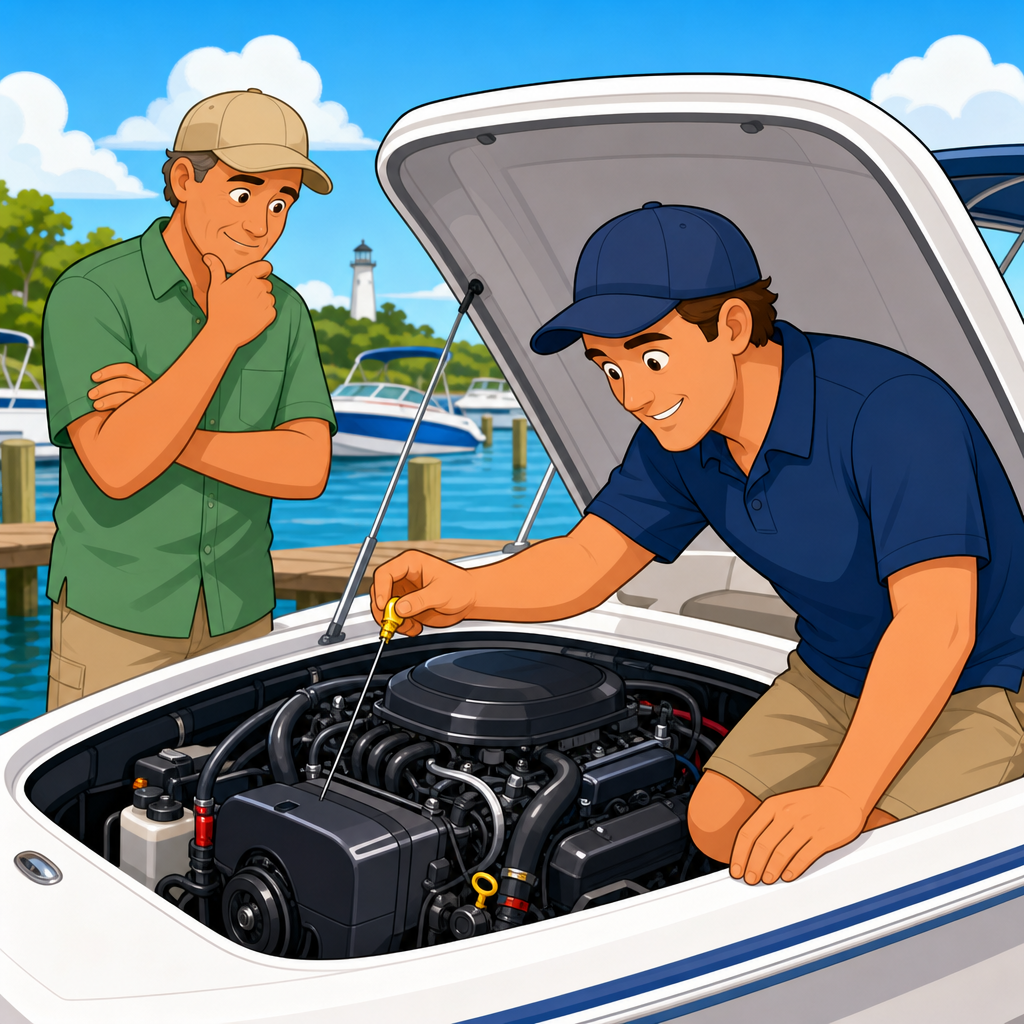
Buying a pre-owned vessel at the right moment can save thousands of dollars, widen your choices, and reduce negotiation pressure, but the best time of year to buy a used boat depends on more than the calendar. In my work helping buyers compare listings, inspect hulls, and negotiate with brokers, I have seen the same pattern repeatedly: season affects price, inventory, urgency, and risk. A buyer who understands those forces can time a purchase better and make a smarter new-versus-used decision at the same time.
Used boats are previously owned vessels sold through private parties, dealers, brokers, auctions, lenders, or marinas. The question sounds simple, yet the answer spans market cycles, storage costs, regional boating seasons, financing conditions, and maintenance history. It also connects directly to a broader issue many shoppers face early in the process: should you buy new or used at all? That is why this article serves as a practical hub for the wider buying and selling boats journey. If you are weighing depreciation, warranty coverage, survey requirements, repair budgets, insurance, and resale value, timing is only one part of the decision, but it is an important part.
Why does timing matter so much? Boats are discretionary purchases. Sellers become more flexible when winter storage bills arrive, when loan payments continue during the off-season, or when they already bought the replacement boat. Dealers also adjust aging inventory, especially trade-ins. At the same time, buyers face tradeoffs. The cheapest month may not offer the best selection. The month with the best inventory may bring stronger competition and less room to negotiate. A successful purchase usually balances three goals: finding the right model, paying a fair price, and completing inspections before launch pressure returns.
For most buyers in seasonal markets, late fall through winter is the best time of year to buy a used boat because sellers are motivated and demand is lower. However, that answer needs context. In warm coastal markets, year-round boating softens the seasonal discount. In niche categories such as center consoles, wake boats, and popular trailerable fishing boats, spring demand can keep prices high even on older inventory. If you are comparing new vs. used boats, the used market often delivers better value after the first owner absorbs the steepest depreciation, but only if condition, engine hours, service records, and survey results support the asking price.
The smartest approach is to treat timing as a leverage tool, not a shortcut. Buy when the market gives you negotiating power, but only after you verify condition and ownership history carefully. The sections below explain when used boat prices tend to soften, when inventory improves, how new and used options differ, and how to decide based on your boating plans, budget, and tolerance for maintenance.
Why late fall and winter are usually the best time to buy a used boat
In much of the United States, the strongest buying window for a used boat runs from October through February. The reason is practical, not mysterious. Once peak boating season ends, many owners stop using the boat but keep paying for storage, insurance, slip fees, loan installments, and winterization. Those carrying costs create motivation. A seller asking a firm price in July may become realistic in November after receiving haul-out and shrink-wrap invoices.
I have negotiated deals in northern markets where the exact same boat sat unsold for weeks at full asking price during summer, then moved after a ten to fifteen percent reduction once the owner faced off-season bills. This is especially common with larger cruisers, runabouts, and family bowriders stored indoors by the month. Brokers know this cycle well. Private sellers feel it even more because every extra month adds direct expense.
Winter also reduces buyer competition. In spring, emotion drives purchases. Families want the boat ready for Memorial Day, anglers want the season opener, and first-time buyers worry they will miss summer. In winter, fewer people are shopping actively, so offers face less pressure from competing bids. Lower competition matters because boat transactions are slower than car sales. Sea trials, surveys, title checks, and financing approvals all take time. When the market is quiet, sellers are more willing to wait for a careful buyer if that buyer is credible and prepared.
The downside of buying in deep winter is access. A boat may be wrapped, blocked, winterized, or stored in a way that limits inspection. You can still complete a purchase, but you should structure it around contingencies, including survey access, compression testing where appropriate, moisture readings, and a sea trial at launch. Price alone should never justify skipping those steps.
When spring and summer can still make sense
Spring is usually the most expensive time to buy a used boat, but it is not always the wrong time. Selection often improves in early spring because sellers list boats before launch and dealers display fresh trade-ins after winter shows. If you need a specific hull, engine package, beam, trailer setup, or fishing layout, the broader inventory may outweigh the higher prices.
This is particularly true in narrow market segments. A late-model bay boat with a Yamaha four-stroke and a clean trailer can sell quickly in March because buyers know exactly what they want. The same is true for towboats from Malibu, MasterCraft, and Nautique, where options such as surf systems, ballast, and engine packages materially affect value. Waiting until fall may save money, but only if the right boat appears. Sometimes paying a spring premium for the right maintenance history and equipment list is cheaper than buying a cheaper boat that needs electronics, canvas, tires, upholstery, and deferred service.
Summer can also create opportunities, though they are more situational. Life events move boats regardless of season. Divorce, relocation, estate sales, health changes, and business cash-flow needs can produce attractive listings in June or July. I have seen excellent mid-season deals when a seller wanted a fast close before moving cross-country. The key is readiness. If your financing, storage plan, and insurance quote are already in place, you can move quickly when an out-of-pattern deal appears.
New vs. used boats: what to consider before you shop
The best time to buy a used boat is easier to judge when you understand why used appeals in the first place. New boats offer a factory warranty, known service history, current electronics, and less immediate maintenance. Used boats usually offer better value, slower depreciation after the first years, and access to larger or better-equipped models within the same budget. Neither choice is automatically better; the right answer depends on use case and ownership style.
Depreciation is the first major divider. Like cars, most new boats lose value fastest in the first few years, though the exact curve varies by brand, engine, and category. A well-kept three- to five-year-old boat often delivers the best balance of modern features and lower purchase cost. That is why many experienced buyers target lightly used models with documented maintenance rather than buying new. They let the first owner absorb the biggest value drop.
Maintenance is the second divider. A new boat can still have warranty issues, rigging adjustments, and punch-list items, but serious wear is less likely. A used boat may need bellows, manifolds, risers, batteries, pumps, trailer brakes, bottom paint, soft goods, or outdated chartplotters. None of those is automatically disqualifying. They simply need to be priced correctly. If your budget is tight and you are not prepared for post-purchase repairs, the lower price of a used boat can become false economy.
| Factor | New Boat | Used Boat |
|---|---|---|
| Purchase price | Highest upfront cost | Lower entry cost for the same size class |
| Depreciation | Steepest in early years | Usually slower after first owner |
| Warranty | Factory coverage commonly available | Often expired or limited |
| Condition certainty | Known starting point | Depends on records, inspection, and survey |
| Features and tech | Latest layouts and electronics | May need upgrades, but can include useful add-ons |
| Financing and insurance | Often straightforward through dealer channels | Age and condition can affect approval and premiums |
| Best buyer profile | Convenience-focused owner with higher budget | Value-focused owner comfortable with due diligence |
Financing and insurance also differ. Lenders often prefer newer boats and may tighten terms as age increases. Insurers may require a current marine survey for older vessels before binding coverage. If you are comparing a new 24-foot bowrider against a ten-year-old version, the used option may still win on total cost, but only after you factor survey fees, immediate repairs, and possible financing differences. That full-cost view is essential.
How regional markets change the answer
Seasonality is not uniform. In the Great Lakes, Northeast, inland Canada, and upper Midwest, winter usually creates the strongest negotiating leverage because boats are out of the water and carrying costs rise. In Florida, the Gulf Coast, Southern California, and other warm regions, boating remains active much longer, so prices may not drop as sharply. Instead of a dramatic off-season discount, you may see smaller price adjustments tied to listing age, hurricane concerns, or model turnover.
Freshwater versus saltwater markets matter too. Saltwater use can accelerate corrosion, especially on trailers, fittings, wiring terminations, and neglected outboards. A saltwater boat with excellent records may still be a better buy than a freshwater boat with no records, but regional assumptions should never replace inspection. In northern freshwater markets, freeze damage and improper winterization become more relevant than corrosion. I routinely look harder at manifolds, block history, and winter storage procedures on sterndrive boats in cold climates.
Local demand patterns also shape timing. Bass boats may surge before tournament season. Lobster and commercial-adjacent hulls follow working calendars. Houseboats can behave more like vacation property than day boats. If your target is specialized, study sold listings in your region for at least several months. National listing portals are useful, but transport costs, tax rules, registration requirements, and trailer legality can erase an apparent bargain from another state.
What to inspect before buying any used boat
A lower seasonal price does not compensate for a bad hull, a tired engine, or unclear title. Every used boat purchase should include a structured review of ownership documents, maintenance records, equipment function, and physical condition. On larger vessels and any higher-value purchase, hire an accredited marine surveyor. For engines, use a qualified technician familiar with the brand, whether Yamaha, Mercury, Volvo Penta, Suzuki, Honda, or Ilmor.
The core checklist is consistent. Confirm the hull identification number matches the paperwork. Verify title or registration status and lien release. Review service invoices, not just verbal claims. Inspect the hull for repairs, stress cracks, blistering, delamination, wet core symptoms, and poorly executed modifications. Check bilges, pumps, wiring runs, battery installation, fuel hoses, steering, controls, trailer condition, and safety gear. On outboards, evaluate engine hours in context with service quality, compression, diagnostic reports, and corrosion level. On inboards and sterndrives, pay close attention to cooling components, drive service history, and bellows where relevant.
A sea trial remains essential. At idle, watch starting behavior, charging voltage, smoke, alarms, and shift engagement. Underway, note time to plane, wide-open throttle against manufacturer range, steering response, vibration, trim operation, electronics function, and temperature stability. Afterwards, inspect the bilge again. These are basic but decisive checks. I have seen buyers save money by shopping in winter, then lose far more because they accepted a “spring sea trial later” promise without a protective contract clause. Never leave that exposure open.
How to negotiate and close the deal at the right time
Good timing improves negotiation only if you use it correctly. Start with comparable sales, not just asking prices. Boats.com, YachtWorld, dealer inventory, NADA Guides, and ABOS Marine Blue Book can help frame value, but no guide replaces condition, engine hours, brand reputation, and equipment. Build your offer around facts: deferred maintenance, trailer age, expired electronics, soft canvas, old batteries, or survey findings. Sellers respond better to evidence than to aggressive lowballing.
In late fall and winter, use seller pain points respectfully. Storage deadlines, haul-out costs, and upcoming loan payments often matter more than a few hundred dollars on paper. A clean offer with deposit terms, inspection contingencies, and a realistic closing date can beat a slightly higher but uncertain offer. Brokers especially value buyers who can perform.
For buyers comparing new versus used, negotiation strategy differs. New boat pricing may include dealer incentives, factory rebates, electronics packages, and service credits rather than big list-price cuts. Used boat negotiation is more condition-based and localized. If the boat is exceptionally clean with strong records, pushing too hard can cost you the deal. If records are weak or the listing is stale, your leverage increases.
Finally, think beyond purchase price. The right closing window also lets you schedule transport, repairs, survey recommendations, registration, and storage before your intended season begins. That practical advantage is one of the biggest benefits of buying a used boat before everyone else starts shopping.
The best time of year to buy a used boat is usually late fall through winter, when seller motivation rises, carrying costs build, and buyer competition drops. That timing often delivers the strongest negotiating power, especially in seasonal markets. Still, the lowest price is not always the best deal. Spring can offer broader selection, summer can produce motivated sellers through life events, and warm-climate markets follow a different rhythm than northern ones.
If you are also deciding between new and used boats, anchor the choice in total ownership cost rather than sticker price alone. New boats provide warranty coverage, current features, and easier financing, but they usually depreciate fastest. Used boats can deliver far better value, especially after the first owner absorbs the steepest depreciation, yet they demand stronger due diligence. Survey quality, engine health, maintenance records, trailer condition, insurance requirements, and immediate repair needs matter just as much as seasonality.
The most reliable strategy is simple: shop early, monitor your regional market, line up financing and insurance in advance, and never skip inspection steps. A used boat purchased at the right time, in the right condition, can outperform a new boat financially and still deliver years of dependable use. Start by defining your boating needs, target the best seasonal window in your area, and compare each listing on facts, not excitement.
Frequently Asked Questions
What time of year is usually best for buying a used boat?
For many buyers, the best time of year to buy a used boat is late fall through winter, when the main boating season has ended in most markets. That is often when sellers become more flexible on price because they would rather sell than pay for storage, winterization, insurance, slip fees, and offseason maintenance. Brokers also tend to see more realistic pricing from owners who have had their boat listed through summer without success. If your goal is to save money and negotiate from a stronger position, the offseason is usually where the best opportunities appear.
That said, the best timing depends on what matters most to you. If your top priority is getting the lowest possible price, colder months often favor the buyer. If your priority is having the widest selection and the ability to sea-trial a boat in active use, early spring and early summer may be better, even if prices are a little firmer. In practice, the smartest buyers do not rely on the calendar alone. They watch local inventory, compare asking prices against recent reductions, and look for signals of seller urgency. The “best” time is when market conditions, seller motivation, and your own readiness line up.
Why do used boat prices change so much by season?
Used boat prices move with season because boating is an emotional and practical purchase. In spring, demand rises as buyers start thinking about weekends on the water, family trips, fishing seasons, and warmer weather. That excitement increases traffic on listings and can make sellers less willing to discount. During peak season, a clean, well-presented boat in a desirable category can attract multiple interested buyers, especially in active coastal, lake, or fishing markets.
By contrast, in fall and winter, many sellers shift from “testing the market” to wanting the boat gone before another round of carrying costs arrives. Storage bills, haul-out expenses, winterization, marina fees, loan payments, and routine upkeep create real financial pressure. That pressure tends to widen the gap between asking price and actual selling price. It also reduces negotiation resistance, particularly if the boat has already sat for a few months. However, seasonality is not identical everywhere. In warm-weather states and year-round boating regions, the pattern can be flatter, while highly seasonal northern markets often show stronger offseason discounts. Boat type matters too. Center consoles, pontoons, sailboats, cruisers, and personal watercraft can each follow slightly different demand cycles depending on climate and local use patterns.
Is it better to buy in the offseason even if there are fewer boats for sale?
Often, yes, but with an important tradeoff. Buying in the offseason can mean fewer active listings, yet the boats that remain on the market are frequently the ones owned by more motivated sellers. That can create excellent negotiating conditions. A buyer who is prepared with financing, market comps, and a willingness to move quickly after inspection may secure a much better deal than they would during spring demand spikes. Even a modest percentage discount can translate into thousands of dollars saved on a larger used boat purchase.
The downside is that reduced inventory can limit your ability to compare layouts, engine packages, electronics, age ranges, and maintenance histories. If you are searching for a very specific make, model, draft, power setup, or fishing configuration, waiting only for “cheap season” may backfire. In those cases, it is often wiser to track listings year-round and judge each boat on total value rather than month alone. A well-maintained boat with complete records, clean survey findings, and fair pricing can be a better buy in spring than a neglected “bargain” in winter. Offseason shopping works best when you are flexible, patient, and disciplined enough to avoid forcing a purchase just because prices look softer.
How should I balance price savings against inspection and sea-trial risks during colder months?
This is one of the most important questions buyers can ask. Lower offseason prices are appealing, but you should never let a seasonal discount replace proper due diligence. In colder months, some boats are already winterized, hauled out, shrink-wrapped, or stored in ways that make a full sea trial harder to arrange. That can complicate the evaluation of engines, electronics, steering, bilge systems, and on-the-water performance. If you cannot test a boat under realistic operating conditions, your risk goes up, no matter how good the price looks.
The right approach is to structure the deal around verification. Make any offer contingent on survey, engine inspection, and sea trial when feasible. If immediate on-water testing is not possible, work with the seller or broker to define exactly what will happen before closing or at recommissioning. A qualified marine surveyor can identify hull issues, moisture intrusion, structural concerns, safety problems, and signs of deferred maintenance that a casual buyer might miss. On engine-driven boats, a mechanic’s inspection, compression testing where appropriate, fluid analysis, and diagnostic downloads can be just as important as the survey itself. In other words, offseason can be a great time to buy, but only if your contract terms protect you from buying unseen problems along with the discount.
What are the biggest signs that it is the right moment to make an offer on a used boat?
The right moment usually shows up as a combination of timing, pricing, and seller behavior. One strong sign is a listing that has been on the market long enough for the seller to face continued ownership costs but not so long that major hidden issues are the obvious reason it has not sold. Another clue is a recent price reduction, especially when paired with clean photos, maintenance records, and a broker or owner who responds quickly and directly. Sellers who answer questions clearly, share service history, and acknowledge realistic market value are often more prepared to make a deal than sellers who remain anchored to peak-season pricing.
You should also look at your own readiness. The best time to make an offer is when you have already compared similar boats, understand local price ranges, lined up financing if needed, and budgeted for taxes, registration, transport, insurance, survey costs, and immediate repairs or upgrades. Buyers often focus only on the sticker price and miss the total cost of ownership. A “cheap” boat can become expensive very quickly if it needs tires and brakes on the trailer, outdated safety gear, battery replacement, canvas work, bottom paint, or deferred engine service. The smartest offer is not just well-timed within the season. It is made when you can confirm condition, negotiate from evidence, and complete the purchase without rushing into avoidable mistakes.