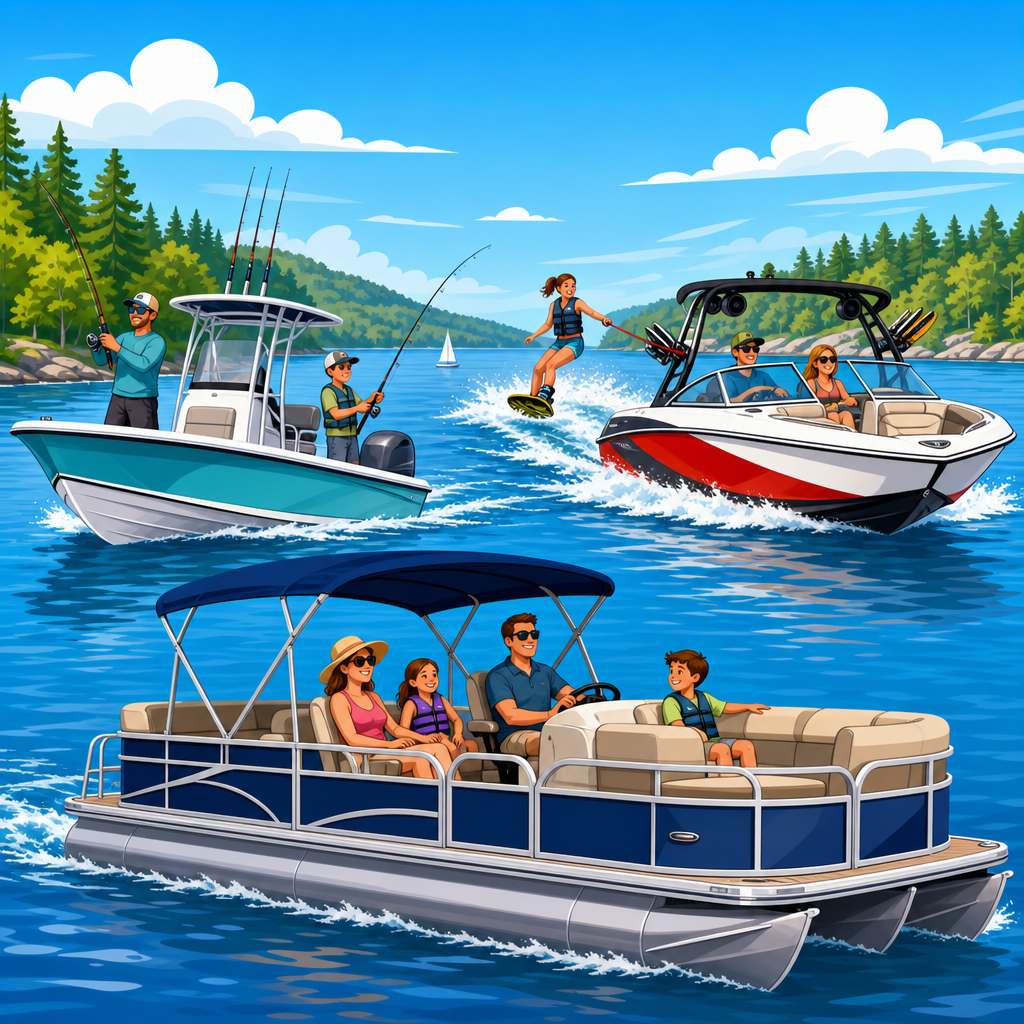
Choosing among the best small boat brands for solo boaters and beginners can feel overwhelming because “small boat” covers everything from a ten-foot fishing skiff to a twenty-foot center console. In practice, most first-time buyers want something simple to launch, easy to tow, affordable to maintain, and forgiving on the water. That combination narrows the field quickly. The right beginner boat brand builds stable hulls, uses dependable components, offers strong dealer support, and has models designed for one person to handle without stress at the ramp or dock.
As a buying-and-selling hub, this guide focuses on best boat brands and models to buy when your priorities are solo operation, low learning curve, and strong resale value. A solo boater is anyone who routinely launches, docks, loads, cleans, and stores the boat alone. A beginner is someone still building judgment about weather, trim, trailering, navigation, and maintenance. Those two categories overlap, and they need brands that reduce complexity rather than add it.
Why brand matters is straightforward. In the used market, recognizable names sell faster because buyers trust known build quality, parts availability, and established dealer networks. In the new market, reputable brands usually provide better fit and finish, clearer rigging layouts, and more predictable warranty service. I have walked many first-time buyers through sea trials, launch ramps, survey notes, and ownership costs, and the same lesson keeps repeating: a slightly better brand often saves money and frustration over the first three years of ownership.
This article covers the major small-boat categories worth considering: aluminum fishing boats, compact center consoles, bay boats, pontoons, and entry-level personal skiffs. It also explains how to compare hull design, power, features, and support so you can move from general research to specific models with confidence. If you are building a shortlist of the best small boat brands for beginners, start here, then use the linked brand and model research on your next buying step.
What Makes a Small Boat Brand Good for Beginners
The best beginner boat brands share five traits. First, they build stable hulls with predictable handling at low and moderate speeds. Second, they keep systems simple: fewer pumps, fewer batteries, and less complicated electronics. Third, they rig boats cleanly, with easy access to bilge areas, batteries, and fuel-water separators. Fourth, they support owners through dealer networks and common replacement parts. Fifth, they hold resale value because many entry-level buyers eventually trade up.
For solo boaters, layout matters as much as reputation. Wide side decks, grab handles, unobstructed walkways, and sensible cleat placement make docking alone much easier. So does moderate freeboard. Too low and you feel exposed; too high and line handling at the dock becomes awkward. Trailer setup also matters. A quality trailer with guide-ons, a swing tongue for garage storage, and a reliable winch can make a bigger difference to daily ownership than one extra electronics screen.
Engine choice is another brand-level differentiator. Good brands typically pair hulls with conservative horsepower ranges, not headline-chasing top-end setups. For beginners, that is a benefit. A 90-horsepower outboard on a 16- to 18-foot fishing boat is usually more useful than pushing maximum rated horsepower, because moderate power improves fuel economy, lowers insurance cost, and makes handling less intimidating while still getting the boat on plane safely.
Best Aluminum Boat Brands for Solo Boaters
Aluminum boats are often the smartest first purchase because they are light, durable, and relatively inexpensive to own. They shrug off minor dock bumps better than fiberglass, tow easily with midsize SUVs, and work well on lakes and protected rivers. For many beginners, aluminum is the shortest path to actual time on the water rather than endless upkeep.
Tracker is one of the most common entry points. Models such as the Bass Tracker Classic XL and Pro Team 175 are easy to find, simple to service, and supported by a large retail network through Bass Pro Shops and Cabela’s. They are not luxury boats, but they are practical. A beginner can launch one alone, fish comfortably, and learn trailer handling without wrestling a heavy rig. Their used-market liquidity is also strong because replacement parts and basic setup knowledge are widely available.
Lund is a step up in refinement and rough-water capability, especially in northern freshwater markets. The Lund 1600 Fury and Rebel series are well regarded for stable ride quality, organized storage, and durable all-welded or riveted construction depending on model. I often recommend Lund to buyers who expect choppier lakes and want a boat that still feels manageable solo. Resale values are typically higher than many budget aluminum competitors.
Lowe and Crestliner deserve equal attention. Lowe’s Stinger and FM lines give beginners straightforward layouts and sensible pricing. Crestliner’s Discovery and Vision models are known for dependable fishability and solid hull construction. Both brands have wide dealer coverage in the United States, which matters when you need trailer parts, seats, windshields, or rigging help during peak season.
Best Fiberglass Center Console and Skiff Brands
If you boat in coastal bays, intracoastal waterways, or larger inland lakes, a small fiberglass center console or skiff may be the best fit. These boats are easier to hose down than carpeted freshwater rigs, usually offer better all-around visibility, and suit fishing, cruising, and sandbar trips. For solo operation, look closely at beam, console position, and whether you can walk around the entire deck without tripping over coolers or seat bases.
Boston Whaler remains one of the most trusted names in small boats, and the 130 Super Sport and 150 Montauk are classic beginner-friendly examples. The brand’s unsinkable construction reputation is a genuine selling point, especially for families and nervous first-time owners. They are expensive compared with many rivals, but they hold value exceptionally well. When buyers ask which brand sells quickly five years later, Whaler is usually near the top.
Scout, Key West, and Carolina Skiff offer strong alternatives at lower price points. Scout’s 175 Sport Dorado and smaller center consoles combine polished finish with manageable size. Key West’s 1720CC has earned a loyal following because it is simple, stable, and versatile for inshore use. Carolina Skiff models, especially JVX and E-series variants, are famous for shallow draft, broad decks, and straightforward ownership. Their boxier ride is a tradeoff in chop, but for calm bays, creeks, and sandbar duty, they are easy to understand and easy to own.
For a beginner, these brands stand out because they avoid overcomplication. Most sub-18-foot models run single outboards, straightforward wiring, and modest electronics packages. That simplicity reduces troubleshooting and makes pre-purchase inspections easier.
Best Bay Boats and Multi-Species Brands for Learning Versatility
Bay boats and multi-species crossover boats appeal to buyers who want one platform for fishing, family cruising, and occasional rougher conditions. They bridge the gap between bass boats and center consoles, offering raised casting decks but more open layouts. For solo boaters, they can be excellent if kept under about nineteen feet and paired with a trailer that is easy to align at the ramp.
Brands worth prioritizing include Mako, Skeeter, and Ranger. Mako’s Pro Skiff and smaller inshore boats provide practical deck layouts and broad dealer exposure through major marine retailers. Skeeter, better known for bass boats, has durable bay models with polished rigging and strong owner loyalty. Ranger’s smaller Reata and Fisherman lines appeal to buyers who split time between angling and family outings. These brands tend to use quality hardware, better seat bases, and more organized storage systems than bargain alternatives.
One useful way to compare versatile beginner boats is by matching brand strengths to ownership needs.
| Brand | Best For | Typical Strength | Main Tradeoff |
|---|---|---|---|
| Tracker | Budget freshwater beginners | Low entry price and easy towing | Simpler finishes |
| Lund | Choppy inland lakes | Ride quality and resale | Higher purchase cost |
| Boston Whaler | Premium first-time coastal use | Safety reputation and resale | Expensive new and used |
| Key West | Simple inshore versatility | Balanced value and layout | Less premium finish than top brands |
| Carolina Skiff | Shallow water and utility use | Space, simplicity, shallow draft | Harsher ride in chop |
For most beginners, versatility is valuable only if the boat remains easy to launch, wash, and store. Avoid buying capability you will rarely use. A nineteen-foot bay boat with a large trolling motor system, dual graphs, and power poles can quickly stop feeling beginner-friendly when maintenance starts.
Are Pontoon Boats Good for Solo Boaters and Beginners
Pontoon boats can be excellent beginner boats, especially on lakes and slow rivers. Their biggest advantage is stability at rest. New boaters feel secure moving around the deck, passengers have obvious seating, and boarding from a dock is usually easy. Brands such as Bennington, Sun Tracker, and Harris dominate this segment for good reason: broad dealer networks, consistent parts support, and clear model ladders from entry-level to premium.
For solo boating, however, pontoons require nuance. Their high profile catches wind, making docking alone harder than with a low-sided skiff. They also need more storage space and a more deliberate approach at the ramp. If your boating is mostly family cruising, sunset runs, and sandbar anchoring on protected water, a compact pontoon around sixteen to eighteen feet with a modest outboard can still be an excellent first purchase.
Sun Tracker is the value leader many first-time buyers start with. Bennington typically delivers better upholstery, fit and finish, and stronger resale, while Harris sits comfortably in the mainstream quality tier. If you choose a pontoon as a beginner, prioritize a good mooring cover, center toon only if needed, and docking aids such as tall guide posts and quality fenders.
How to Choose the Right Brand, Model, and Used Boat
The smartest buying process starts with your launch environment, not your wish list. Ask where you will boat most often, how far you will tow, whether you will store at home, and if you truly plan to launch alone. That immediately filters brands and models. A Carolina Skiff may be perfect for shallow Florida creeks but wrong for a windy northern reservoir. A Lund may shine on inland lakes but be less ideal for regular saltwater use without careful corrosion management.
When comparing models, evaluate beam, hull weight, transom rating, livewell placement, battery access, and trailer quality. Then look at ownership evidence: dealer reviews, NADA values, sold-listing prices, and owner forums. On used boats, inspect the trailer as carefully as the hull. Tires older than six years, rusty brake components, seized jack wheels, and failing bunks are common first-year expenses buyers overlook.
For outboards, favor Yamaha, Mercury, and Suzuki because service access is broad in most markets. Ask for engine hours, compression results where appropriate, service records, and a cold-start demonstration. On fiberglass boats, check for soft decks, transom stress cracks, and water intrusion around hardware. On aluminum boats, inspect welds or rivet lines, bunks, and evidence of impact damage. A marine survey is not always standard on smaller entry-level boats, but a professional inspection can still save thousands.
The best small boat brand for you is the one that matches your water, skill level, tow vehicle, and maintenance tolerance. Start with a realistic size, buy from a brand with dependable support, and leave room in your budget for safety gear, training, registration, and repairs. Build a shortlist of Tracker, Lund, Lowe, Crestliner, Boston Whaler, Key West, Carolina Skiff, Scout, Bennington, and Sun Tracker, then compare specific models in your local market. If you want a first boat that is easy to own and easy to resell, choose simplicity over flash and schedule sea trials before you sign.
Frequently Asked Questions
What makes a small boat brand a good choice for solo boaters and beginners?
A good small boat brand for solo boaters and beginners usually gets the basics right before anything else. That means stable hull design, predictable handling, simple controls, and a layout that does not overwhelm a new owner. For someone boating alone, it is especially important that the boat be easy to launch, load back onto the trailer, dock, and move around on safely without needing a second set of hands. Brands that build beginner-friendly models tend to focus on clean deck layouts, manageable size, reliable outboard pairings, and practical features instead of adding too much complexity.
Another major factor is ownership experience. The best small boat brands do more than build a decent hull. They also offer dependable components, accessible maintenance, good warranties, and a dealer network that can help with service, parts, and setup questions. Beginners often benefit more from a straightforward boat with strong support behind it than from a boat packed with premium features they may not use right away. If a brand has a reputation for consistent build quality, easy trailering, and models that hold value well, that is usually a strong sign it is worth considering for first-time ownership.
What size small boat is best for a first-time owner boating alone?
For many first-time owners, the sweet spot is often somewhere in the roughly 14- to 18-foot range, although the ideal size depends on where the boat will be used. A boat in this category is usually large enough to feel stable and capable, but still small enough to trailer, store, and handle without stress. For solo boaters, that balance matters a lot. A very small skiff or jon boat may be easy to move around and affordable to buy, but it can feel limited in rougher conditions. On the other hand, a boat pushing 20 feet or more may offer extra space and comfort, yet it can become much more demanding at the ramp, at the dock, and in terms of towing weight and maintenance costs.
Beginners should think beyond length alone and look closely at beam, hull type, weight, and intended use. A 16-foot aluminum fishing boat on a local lake is a very different experience from a 16-foot fiberglass center console used in coastal water. If the priority is simple ownership, easy launching, and confidence-building operation, slightly smaller and lighter boats often make the most sense. The best beginner boat brands usually have a few models in this middle range that are designed to be forgiving and versatile, making them a smart starting point for solo owners who want to learn without feeling overmatched.
Are aluminum boats or fiberglass boats better for beginners?
Both aluminum and fiberglass boats can be excellent for beginners, but they suit different priorities. Aluminum boats are often favored by first-time owners because they are generally lighter, easier to tow, simpler to launch, and often less expensive to buy and maintain. They are especially popular for inland lakes, rivers, and basic fishing use. For a solo boater, the lighter weight of an aluminum boat can make a real difference when maneuvering the trailer, launching at a busy ramp, or storing the boat at home. Many beginner-friendly brands build aluminum models that are durable, straightforward, and practical for learning the fundamentals.
Fiberglass boats, meanwhile, often provide a smoother ride, a more refined finish, and more design flexibility in hull shape and layout. If a beginner plans to boat in larger lakes, bays, or coastal waters, a well-designed fiberglass hull may offer better comfort and confidence in choppier conditions. The tradeoff is that fiberglass boats are typically heavier and may cost more to purchase and service. For most new owners, the better material is the one that matches their water conditions, budget, and storage situation. The smartest approach is not to ask which material is universally better, but which one makes the entire ownership experience easier and safer for the way the boat will actually be used.
Which features should beginners prioritize when comparing small boat brands?
Beginners should prioritize features that make the boat easier to operate, maintain, and live with over time. Stability should be near the top of the list, because a stable platform helps build confidence whether you are boarding from a dock, moving around to fish, or handling the boat alone at low speed. A dependable outboard from a well-supported engine brand is also critical, since reliability matters more than squeezing out a little extra speed. Simple helm controls, uncluttered storage, easy access to the battery and bilge areas, quality trailer setup, and sensible seating arrangements all make day-to-day ownership more manageable.
It is also wise to look at features that reduce hassle outside the water. For example, a swing tongue trailer can help with garage storage, guide-ons can make solo loading easier, and a low-maintenance interior can save time after each trip. Brands that package their beginner models thoughtfully often stand out because the boat feels intuitive from the start. Instead of focusing first on electronics upgrades, high-end upholstery, or maximum horsepower, most new owners are better served by a boat that starts easily, tracks predictably, trailers well, and has a dealer willing to walk them through setup and ownership basics. In many cases, those practical advantages are what separate a good first boat from one that becomes frustrating quickly.
How important is dealer support when choosing the best small boat brand?
Dealer support is extremely important, especially for solo boaters and beginners. Even if a brand has a strong reputation, the local dealer often shapes the real ownership experience. A knowledgeable dealer can help match you with the right size, engine, trailer, and options instead of overselling features you do not need. More importantly, they can provide orientation on launching, loading, maintenance schedules, engine break-in, winterization, and warranty procedures. For a first-time buyer, that guidance can prevent expensive mistakes and make the learning curve much less intimidating.
Strong dealer support also matters after the sale. Boats require routine service, occasional repairs, replacement parts, and troubleshooting, and those needs are easier to handle when the dealer is responsive and experienced with the brand. If you are choosing between two similar small boat brands, the one with the better nearby dealer is often the smarter pick. A beginner-friendly brand backed by a reliable local service network can save time, reduce downtime during boating season, and provide peace of mind when problems come up. In practical terms, great dealer support often matters just as much as the boat itself, because it helps ensure your first ownership experience stays enjoyable instead of becoming a maintenance headache.