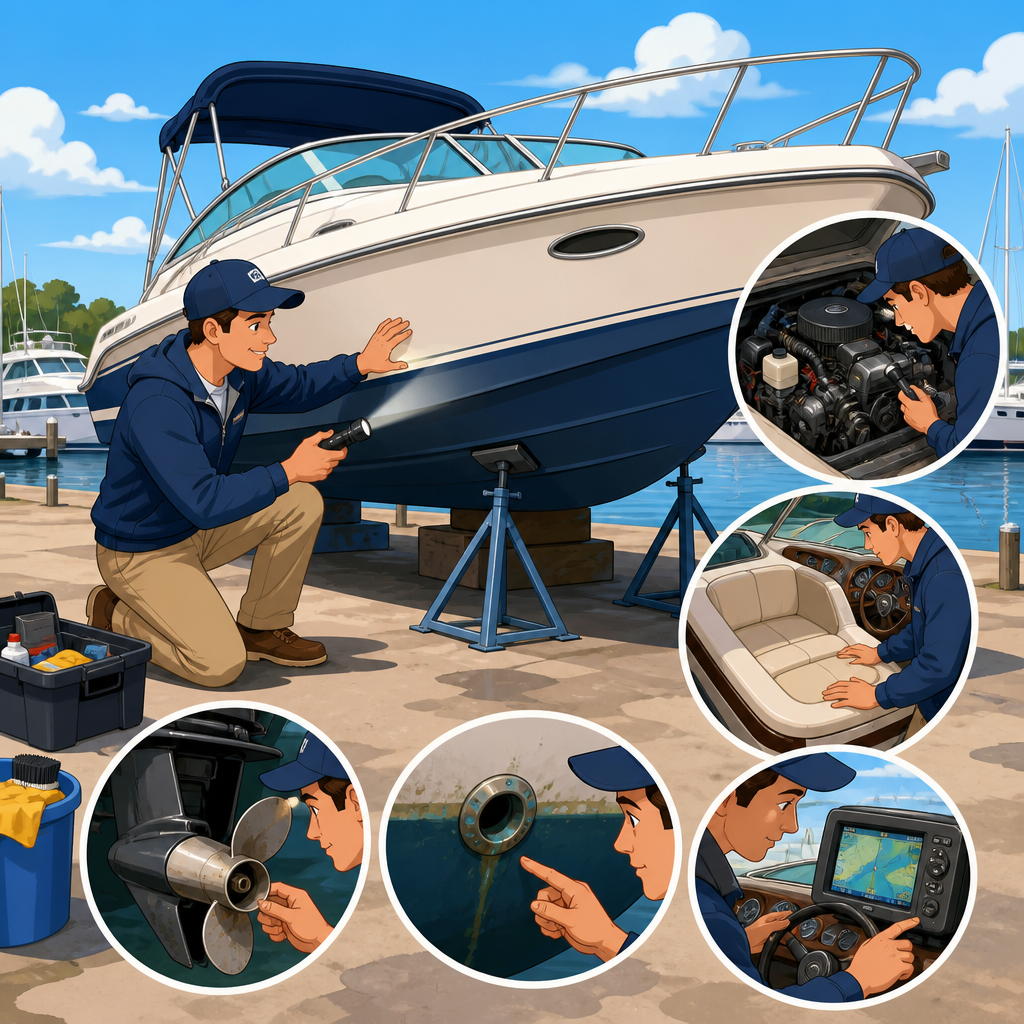
Transferring a boat title sounds simple, but the process sits at the intersection of ownership law, state registration rules, lien recording, sales tax, and careful documentation. If any piece is missed, a buyer can end up unable to register the vessel, and a seller can remain tied to property taxes, tickets, or accident liability long after the boat leaves the driveway. I have helped buyers, sellers, and dealers clean up title problems that started with a missing signature or an unchecked hull identification number, and the lesson is consistent: title work deserves the same attention as the sea trial and bill of sale.
A boat title is the legal ownership document issued by a state agency, usually the department of motor vehicles, natural resources agency, or wildlife commission. Registration is different. Registration authorizes operation on public waters and usually produces decals and a registration card. Taxes are different again. States may impose sales tax, use tax, excise tax, or annual personal property tax, and the amounts and deadlines vary widely. Some boats are titled but not registered, some are registered but not titled, and documented vessels recorded with the U.S. Coast Guard follow another track entirely. Understanding boat titles, registration, and taxes matters because the purchase contract is only the beginning; legal ownership is not secure until the paperwork is accepted by the proper authority.
This guide explains how to transfer a boat title when buying or selling, while also serving as a hub for the broader subject of understanding boat titles, registration, and taxes. It covers what documents matter, how state systems differ, how liens affect a sale, when tax is due, and how to avoid the most common errors. If you are comparing private-party deals, dealer transactions, inherited boats, gifted boats, or out-of-state purchases, the principles below will help you verify ownership, complete the title transfer correctly, and register the vessel without surprises.
What a Boat Title Proves and When a Boat Needs One
A boat title proves legal ownership in a state title system. In most title states, the certificate lists the owner name, vessel description, hull identification number, and any recorded lienholder. The hull identification number, or HIN, is the marine equivalent of a vehicle identification number. Federal regulations require a 12-character HIN on most boats built after 1972, and matching that number across the hull, title, registration card, and bill of sale is the first fraud check in any transaction.
Not every vessel is titled in every state. Requirements often depend on boat type, propulsion, size, age, and whether the craft has ever been titled before. A state may title motorboats but not non-motorized craft. Another may exempt older boats, homemade vessels, tenders, or documented vessels. That is why buyers should never assume that “no title” means “no problem.” It may be normal, or it may signal a broken ownership chain.
If the boat is federally documented with the U.S. Coast Guard, ownership is evidenced by a Certificate of Documentation rather than a state title, though many states still require registration and tax compliance. Documentation is common for larger recreational boats and often required by lenders in documented transactions because preferred ship mortgages can be recorded there. In practice, the first question is always this: is the vessel state titled, state registered only, federally documented, or exempt?
Documents Needed to Transfer a Boat Title
The exact package varies by state, but the core documents are remarkably consistent. Both buyer and seller should assemble them before money changes hands. The signed title is the primary document. The seller must complete the assignment section exactly as required, including printed names, sale date, odometer-style hour fields if the state uses them, and purchase price. Erasures, whiteout, skipped lien releases, or signatures outside the designated lines regularly trigger rejection.
A bill of sale is often required even when a signed title exists. It should identify the boat by make, model, year, and HIN; list the trailer by vehicle identification number if included; identify any outboard motor by serial number if sold separately; state the sale price; and say whether the transfer is as-is. If accessories such as electronics, trolling motors, or a dinghy are included, list them clearly so there is no later dispute.
Additional documents may include a lien release, registration card, proof of tax paid, death certificate and probate paperwork for inherited vessels, gift affidavit for family transfers, inspection form for HIN verification, and title application signed by the buyer. Dealers may provide reassignment forms, temporary registrations, or tax collection receipts. When a trailer is part of the sale, treat it as a separate asset. In many states the trailer has its own title, registration, plate, and tax calculation.
| Document | Why it matters | Common problem |
|---|---|---|
| Signed boat title | Transfers legal ownership | Missing seller signature or lien release |
| Bill of sale | Supports price, date, and included property | HIN omitted or price inconsistent |
| Registration card | Helps verify state record and numbers | Expired or in prior owner name |
| Lien release | Shows lender claim is satisfied | Loan paid off but release never filed |
| Tax receipt or exemption form | Required before registration in many states | Late filing penalties |
Step-by-Step Process for Buyers and Sellers
For sellers, the safest process starts before listing the boat. Confirm that the title is in your name, the HIN on the document matches the hull, and any lien is released. If the title is lost, apply for a duplicate before advertising. On closing day, complete the title exactly as your state instructs, provide a detailed bill of sale, remove registration decals only if your state requires it, and file any seller notice or release-of-interest form immediately. Keeping copies protects you if the buyer delays registration.
For buyers, verify identity and ownership first. Ask to see the title before sending a deposit. Compare the HIN stamped on the starboard side of the transom with the title and registration card. Look for signs of tampering, such as mismatched rivets on a HIN plate or altered paperwork. If a trailer or outboard motor is included, inspect those serial numbers too. Then confirm whether there is a recorded lien and how it will be satisfied at closing.
At closing, avoid shortcuts. If a lender is involved, the payoff and release should be documented. If you are paying in cash or certified funds, put every material term in writing, including deposit amount, included equipment, and delivery date. Once the title is signed over, submit the title application, registration application, and tax forms promptly. Many states impose deadlines ranging from a few days to a month, and missing them can trigger penalties. Until the transfer is processed, carry copies of the signed title and bill of sale when transporting the boat.
Registration Rules and How They Differ From Title Rules
Registration is the state’s operating permit for the vessel, and it is often handled by a different office or workflow than titling. That distinction creates confusion. A buyer may receive a valid title assignment yet still be unable to use the boat legally until registration is issued. Registration usually requires the owner name, address, HIN, propulsion type, length, and evidence of ownership. The state then issues a registration number and expiration decals that must be displayed according to placement rules.
Display requirements are precise. Most states require block letters and numbers on the forward half of the vessel, usually on both sides of the bow, with decals placed nearby. Coast Guard documented vessels generally display the vessel name and hailing port instead of state bow numbers, though they may still carry state decals where required. Failing to display numbers correctly can lead to citations even when the paperwork itself is current.
Registration exemptions also vary. Human-powered kayaks, sailboats under a certain length, or boats used only on private ponds may be exempt in one state and fully registrable in another. Engines matter too. Adding a trolling motor to a canoe can convert an otherwise exempt craft into a registered vessel. Because this article serves as a hub within buying and selling boats, the practical point is simple: title proves ownership, registration permits use, and both must be evaluated in every sale.
Sales Tax, Use Tax, and Other Costs Buyers Overlook
Taxes are where many boat transactions become unexpectedly expensive. A state may collect sales tax at closing through a dealer, but in private-party transactions the buyer often pays use tax when applying for title or registration. The tax base can include the boat, motor, trailer, freight, dealer prep, and sometimes documentation fees, depending on state law. Local surtaxes may apply as well. Some states cap boat tax, while others tax the full purchase price.
Trade-ins are another variable. In some states, buying from a dealer allows a trade-in credit that reduces the taxable amount, while private-party sales do not. Family gifts, nominal-price transfers, and inherited boats may qualify for exemptions, but agencies usually require affidavits and proof of relationship or estate status. If the state believes the declared sale price is far below market value, it may assess tax using a valuation guide or request additional evidence.
Beyond transfer tax, buyers should budget for registration fees, title fees, trailer fees, local property taxes, marina taxes, and lender recording charges. A practical example: a buyer purchases a used center console for $40,000 with a trailer worth $6,000 in a state charging 6 percent tax plus title and registration fees. The immediate government cost may exceed $2,800 before insurance, survey, or launch fees. Knowing that number ahead of time prevents last-minute financing problems and helps structure negotiations realistically.
Liens, Loans, and Problem Titles
A recorded lien means a lender or other secured party has a legal claim against the boat until the debt is paid. Buyers should treat unresolved liens as a stop sign, not a footnote. The best practice is to close through the lender when possible. The buyer pays the lender the payoff amount directly, the seller receives the remainder, and the lender issues a lien release and, if it holds the title, sends it according to state procedure. This protects both parties and reduces the chance of paying for a boat that cannot be retitled.
Problem titles appear in several forms: lost title, unsigned title, title in a deceased owner’s name, title held by an ex-spouse, incorrect HIN, or title from a non-title state sold into a title state. Each issue is fixable only if the paper trail is reconstructed correctly. I have seen simple deals delayed for weeks because one letter in the HIN was transposed on an older registration card, forcing a marine officer inspection before the state would issue a new title.
Salvage history deserves attention too. Boats damaged by hurricane flooding, collision, or sinking may later reenter the market with repaired cosmetics but difficult title histories. A branded title is not automatically disqualifying, but it should lower value and increase scrutiny. Buyers should pair title review with a marine survey and engine diagnostics, especially on larger fiberglass boats where structural moisture and electrical corrosion can remain long after visible repairs are complete.
Out-of-State Purchases, Documented Vessels, and Special Cases
Out-of-state transactions are common because boat markets are regional. Buyers often travel for freshwater inventory, seasonal pricing, or specialized models. The challenge is that the seller’s documents may be perfectly valid where the boat is located but insufficient where the buyer lives. A registration-only state may not issue titles for certain boats, while the buyer’s home state may require one. In that situation, the new state typically asks for the prior registration, bill of sale, HIN verification, and title application to create a first title record.
Federally documented vessels involve separate steps. The seller signs a Coast Guard bill of sale, any mortgage release is recorded, and the buyer files transfer documents with the National Vessel Documentation Center. State registration and tax still matter, and many owners must also satisfy local use tax rules based on where the boat is principally kept. Documentation does not erase state tax obligations.
Special cases include gifted boats, inherited vessels, abandoned boats, and homemade craft. Gifts often require a relationship affidavit. Inherited boats may need letters testamentary, small-estate documents, or court orders. Homemade boats generally require a state-assigned HIN after inspection. Because agencies follow strict rules, calling ahead or reviewing the official checklist before filing saves time. Use this article as your starting point, then match the transaction type to your state’s exact forms and deadlines before closing.
Boat title transfer is not just clerical work; it is the legal handoff that makes a sale complete and protects both sides after the money changes hands. The core rules are consistent everywhere: verify the hull identification number, confirm the seller’s authority to transfer ownership, clear liens, use a precise bill of sale, and submit title, registration, and tax documents on time. When buyers skip these steps, they risk registration delays, tax penalties, and expensive disputes. When sellers skip them, they risk continuing liability for a boat they no longer control.
The broader lesson for anyone buying or selling a vessel is that understanding boat titles, registration, and taxes should happen before negotiation, not after. Ask early whether the boat is state titled, registration-only, or federally documented. Review what happens to the trailer and motor. Calculate tax and fees before agreeing on price. If the paperwork is unusual, involve the lender, dealer, title office, or documentation service before closing day. Small mistakes in marine paperwork have a habit of becoming big delays once the boat is on the trailer and the seller is gone.
If you are preparing for a transaction, build a checklist now and pull the official forms from your state agency before exchanging funds. That one habit will help you transfer a boat title correctly, register the vessel faster, and avoid the costly cleanup that follows a rushed sale.
Frequently Asked Questions
What documents do you need to transfer a boat title when buying or selling?
In most cases, you need the current boat title signed by the seller, a bill of sale, and a title or registration application submitted to the state agency that handles boats, which is often the department of motor vehicles, wildlife agency, or marine division. The signed title is the core ownership document, and it must usually include the exact legal names of the buyer and seller, the date of sale, the purchase price, and both parties’ signatures in the correct places. If the boat is titled in more than one owner’s name, pay close attention to whether the title says “and” or “or,” because that can change whether both owners must sign.
Beyond the title itself, a detailed bill of sale is strongly recommended even when the title has an assignment section. It helps prove the terms of the transaction, confirms the vessel description, and provides backup if any issue comes up with taxes, registration, or later ownership disputes. The bill of sale should include the hull identification number, make, model, year, sale price, engine information if applicable, trailer information if included, and a statement about whether the sale is being made as-is.
Some transactions require more. If there was a loan on the boat, the buyer should obtain lien release paperwork before paying in full or at closing. If the trailer is included, it may have a separate title and transfer process. If the boat was never titled in that state, additional documents such as prior registration, manufacturer’s certificate of origin, Coast Guard paperwork, or tax records may be needed. Because requirements vary by state, buyers and sellers should verify the exact checklist with the relevant state agency before the deal is finalized, not after signatures are already on the page.
How do you properly sign a boat title so the transfer is not rejected?
The most common title problems start with small signature mistakes. The seller should sign exactly as the name appears on the front of the title, and the buyer should fill in their information exactly as they want the new title issued. Do not use nicknames, skip middle initials if they appear on the title, or write over corrections unless the state specifically allows it. A scratched-out odometer on a car title is bad enough; on a boat title, crossed-out names, altered dates, or overwritten hull numbers can be enough to force a duplicate title process before the transfer can continue.
Before signing anything, review the title carefully for owner names, lien status, hull identification number, and any assignment instructions printed on the back. Many states require signatures in designated sections only, and some require notarization. If the title lists co-owners, all required owners must sign. If the seller is a business, the person signing should have authority to sign on behalf of the company, and supporting documents may be required in some states. If someone is signing under a power of attorney, use the state-approved form if one is required.
It is also wise to complete the transfer in one sitting so nothing is left blank for later. A missing date, missing purchase price, or unsigned lien release can delay registration for weeks. Buyers should compare the hull identification number on the boat itself to the number on the title before money changes hands. One unchecked or mismatched hull number can create a serious problem because the state may refuse registration until ownership of the exact vessel is proven. Accuracy matters more than speed here, and a careful review before signatures can prevent expensive cleanup later.
What happens if there is a lien on the boat title?
A lien means a lender or other secured party may still have a legal claim against the boat, and that issue needs to be resolved before the buyer can safely complete the transaction. If the title shows a recorded lien, the seller should provide proof that the loan has been paid off or arrange for the lien to be released as part of the closing. Buyers should never assume a verbal statement like “the bank has been paid” is enough. The cleanest approach is to obtain a formal lien release from the lender and confirm whether the state also requires the lienholder to sign the title or submit a separate release form.
In a payoff situation, the transaction can often be handled by sending funds directly to the lender for the remaining balance and the rest to the seller. This is common when the seller still owes money on the boat but plans to pay it off at sale. If the lender holds the title, ask in advance how long it will take to issue the released title or release document. Timing matters because a buyer may not be able to register the vessel until that paperwork is in hand.
If a title does not show a lien but the seller mentions one informally, pause the deal and verify the facts. Likewise, if there is an old lien still printed on the title even though the debt was paid years ago, the seller should clear that up before closing if possible. A buyer who takes possession without proper lien release documents can end up with a boat that cannot be titled, registered, financed, or resold without a costly paper chase. From a risk standpoint, unresolved liens are one of the most important issues to address before any transfer is treated as complete.
Do you have to pay sales tax and register the boat after the title transfer?
In most states, yes. The title transfer and the registration process are closely related, but they are not always the same thing. A title establishes legal ownership, while registration gives the boat authority to operate on the water under state rules. After buying the boat, the buyer typically submits the signed title, application forms, proof of purchase price, tax payment, and registration fees within a deadline set by state law. Missing that deadline can lead to penalties, late fees, or delays in receiving decals and paperwork.
Sales or use tax is usually calculated from the purchase price, though some states review fair market value if the reported price seems unusually low. Buyers should keep copies of the bill of sale, proof of payment, and any supporting tax forms in case the state asks questions. There may also be local taxes, title fees, registration fees, and separate charges for engines or trailers depending on the jurisdiction. If the boat came from another state, there may be additional inspection, verification, or prior-registration requirements before the state will issue a new title and registration.
Sellers should also complete any state-required notice of sale or transfer form promptly. This step is often overlooked, but it can be critical because it helps create a record that ownership changed hands. Without that notice, the seller may continue receiving tax notices, citations, or accident-related inquiries connected to a boat they no longer own. Buyers and sellers both benefit when the transfer is documented completely and submitted on time, because the paper trail protects everyone involved.
What should a buyer or seller do if the boat title is missing, incorrect, or has mistakes on it?
If the title is missing, the seller usually needs to apply for a duplicate title before the sale can be completed properly. That is almost always better than trying to work around the problem with only a bill of sale. A buyer should be cautious about paying in full for a boat that does not come with clear ownership documents, especially in a state where titles are required. Without a valid title, the buyer may not be able to register the boat, prove ownership, or sell it later without significant delay and expense.
If the title exists but contains mistakes, the solution depends on the nature of the error. Minor clerical issues may sometimes be corrected with a state form, affidavit, or corrected assignment. More serious problems, such as the wrong owner listed, a mismatched hull identification number, unsigned transfer sections, or an altered title, may require the seller to obtain a corrected or replacement title before the state will accept the transfer. In some cases, supporting records such as previous registrations, lender releases, probate documents, divorce orders, or court paperwork may be needed to straighten out the chain of ownership.
For buyers, the safest practice is to inspect the title before handing over payment and compare every key detail to the boat itself. Confirm the hull identification number, owner names, lien status, and whether there is enough assignment space left on the title if your state still uses paper reassignments. For sellers, accuracy protects you too. If paperwork is sloppy or incomplete, you can remain tied to taxes, tickets, storage disputes, or liability issues after the boat is gone. When the title problem is more than a simple typo, it is often worth contacting the state agency or a qualified professional before closing the deal so the transfer is done once and done correctly.