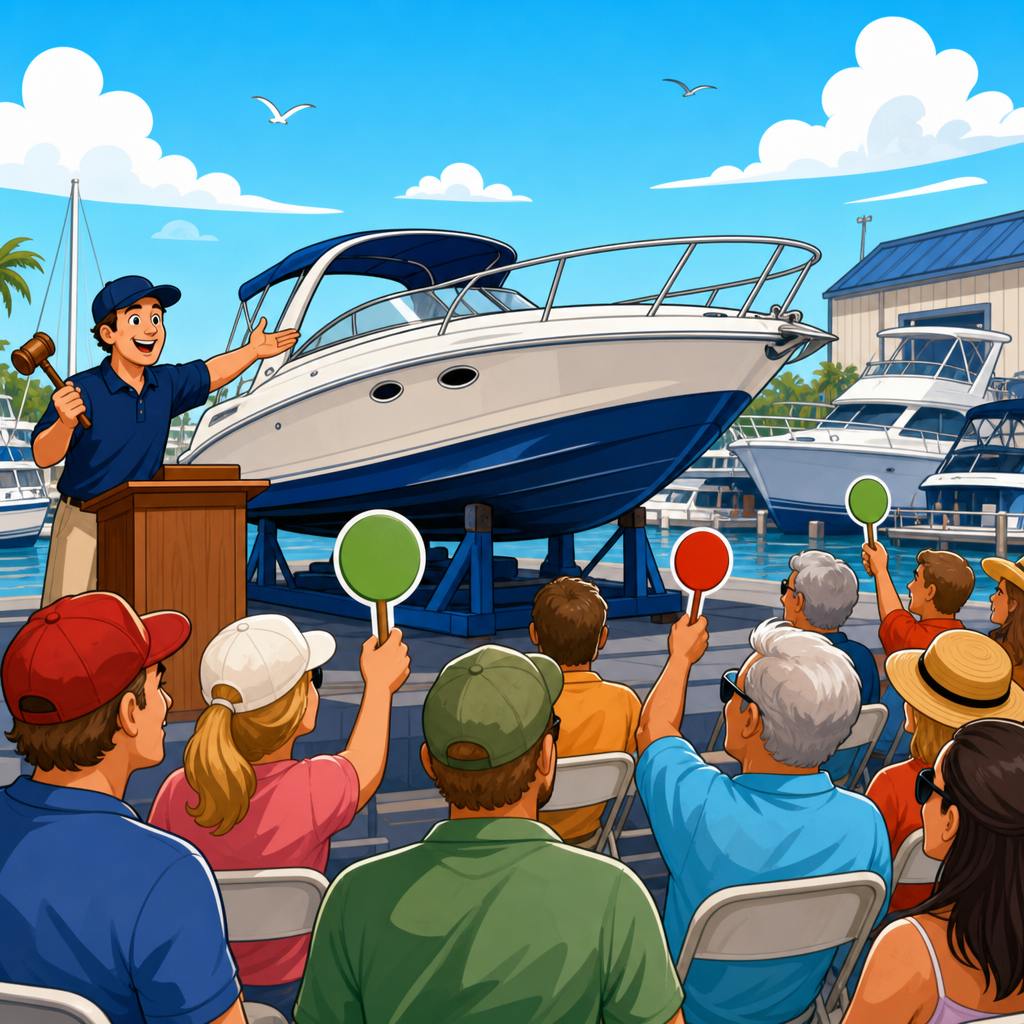
Trading in your boat for a new model can be the fastest, cleanest way to move from your current vessel into one that better fits your budget, boating style, and maintenance goals. In the marine industry, a boat trade-in means a dealer accepts your existing boat as part of the transaction for another boat, usually applying the trade value toward the purchase price. Trade-in programs are structured versions of the same process, sometimes backed by dealer groups, manufacturers, or brokerage networks that standardize inspections, pricing, and paperwork. I have worked with buyers who assumed a trade would always bring less money than a private sale, and while that is often true on paper, the full financial picture is more nuanced once storage costs, repair exposure, listing time, tax treatment, and negotiation leverage are included.
This topic matters because trading a boat is not just about convenience. It directly affects how much equity you carry into your next purchase, how quickly you can close, and how much risk you retain after the sale. A poorly handled trade can reduce your bargaining power or leave money on the table. A well-prepared trade can simplify financing, reduce downtime between boats, and eliminate much of the administrative burden that comes with private-party transactions. For owners moving from a bowrider to a larger cruiser, from an aging center console to a newer fishing platform, or from a family runabout to a pontoon, understanding dealer trade-in programs helps you make a decision based on total value rather than headline price alone.
At the hub level, this guide covers how dealers evaluate boats, what documents and preparation steps influence value, when a trade-in is smarter than a private sale, how to compare offers, and where common mistakes cost owners real money. If you are researching selling your boat to a dealer or trying to decide whether to trade in your boat for a new model, this article gives you the framework to move confidently and ask the right questions before you sign anything.
How boat dealers value a trade-in
Boat dealers generally value a trade-in by estimating what they can resell it for, subtracting the cost of reconditioning, carrying inventory, marketing, warranty risk, and expected profit margin. That means the number you receive is not a retail number. It is closer to a wholesale acquisition figure adjusted for your boat’s exact condition, local demand, age, hours, engine type, trailer inclusion, and seasonality. In practice, dealers look at sold comparables, not just asking prices on listing sites. They may use tools such as SoldBoats data, NADA Guides where applicable, manufacturer auction channels, and their own internal turn-rate history to determine what similar inventory actually brings.
Condition is the biggest swing factor after make, model, and power package. A ten-year-old center console with clean service records, strong compression numbers, updated electronics, and a roadworthy trailer can outperform an identical model with faded gelcoat, overdue maintenance, and soft deck sections by thousands of dollars. Engine hours matter, but hours alone do not tell the full story. A well-maintained four-stroke outboard with 700 hours may be more desirable than a neglected engine with 250 hours. Survey findings, moisture intrusion, transom integrity, and evidence of collision repairs all influence the dealer’s risk calculation.
Dealers also price trades according to how quickly they believe the boat will sell. A late-model pontoon in spring in a freshwater market may be easy inventory. An older express cruiser with twin gasoline inboards heading into fall may sit longer and absorb more carrying cost. That affects your offer. The key point is simple: the dealer is buying your boat as inventory, not as a final user. Understanding that logic keeps negotiations grounded in market reality.
When trading in beats selling privately
Private sales usually offer the highest gross sale price, but gross price and net result are different things. Trading in often wins when speed, simplicity, and risk reduction matter more than squeezing out the last dollar. If your slip renewal is coming up, winter storage is due, or you are making loan payments on a boat you no longer use, every month you hold the boat has a cost. Add detailing, minor repairs, listings, calls, sea trials, survey negotiations, and the possibility that a buyer backs out after inspection, and the convenience premium of a trade-in starts to look rational.
I have seen owners spend an entire season trying to privately sell a boat for five thousand dollars more than a dealer offered, only to lose that difference through storage, insurance, service, and price cuts. Another common example is a repower-sensitive fishing boat. A dealer may take it as-is because they can service, warranty, and retail it better than an individual seller can market around buyer concerns. For many owners, reducing hassle has tangible value. A trade can also help if you need coordinated timing. Dealers can often structure delivery so you use your existing boat until the replacement arrives, avoiding a gap in access during peak season.
There are also financing and tax reasons to consider a trade. In some states, sales tax may be assessed on the price difference between the new boat and the trade allowance rather than on the full purchase price. That can materially change the economics. Rules vary by state, so verify with the dealer and your tax advisor, but this single factor can narrow or erase the expected gap between trade value and private-sale proceeds.
How to prepare your boat before requesting trade-in offers
Preparation affects trade value because dealers discount uncertainty. Your job is to remove as much uncertainty as possible before appraisal. Start with documents: title or registration, loan payoff information, hull identification number, engine serial numbers, service records, receipts for upgrades, warranty transfers if available, and trailer paperwork. Incomplete paperwork slows transactions and can lower offers because the dealer takes on extra administrative risk.
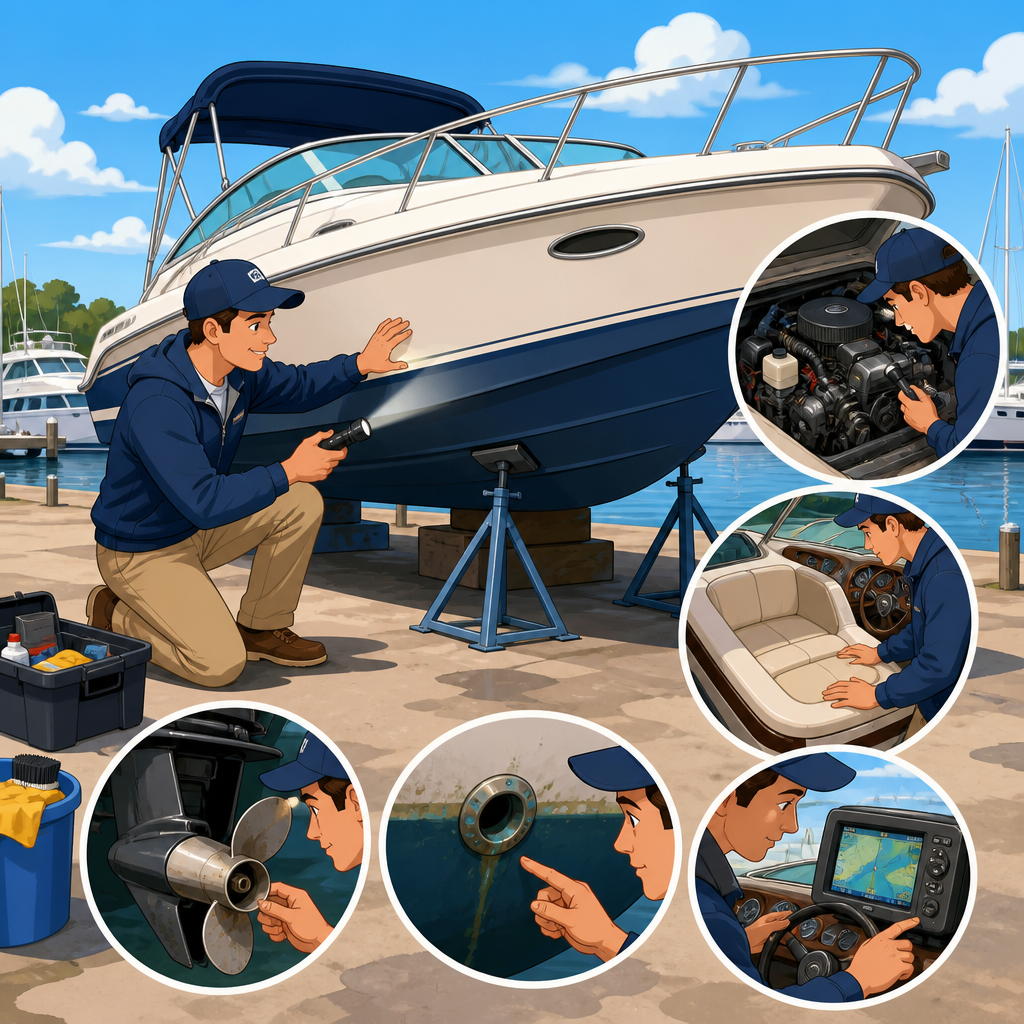
Next, focus on mechanical readiness. A dealer expects used inventory to need some work, but obvious neglect invites aggressive deductions. Address simple issues first: dead batteries, nonfunctioning bilge pumps, burned-out navigation lights, trim-tab faults, broken latches, torn upholstery, mold, and stale fuel. If the boat has been sitting, commission a basic service and ask for a written report. On outboard boats, compression and diagnostic printouts can support value. On sterndrive and inboard boats, records showing recent bellows service, manifolds and risers, impellers, or shaft work matter because buyers ask about these items immediately.
Cosmetic presentation still counts. A washed hull, compounded gelcoat, clean bilge, organized lockers, and dry interior signal ownership quality. Do not overinvest in improvements with low return, such as expensive electronics upgrades right before trade-in, unless the current system is broken and hurting saleability. Spend money where it reduces dealer objections. A one-day detail can add confidence. A ten-thousand-dollar refit rarely returns dollar for dollar in a trade scenario.
| Preparation step | Why dealers care | Typical impact on offer |
|---|---|---|
| Service records organized | Reduces uncertainty about maintenance history | Supports stronger confidence and fewer deductions |
| Boat cleaned and detailed | Improves first impression and perceived ownership quality | Helps appraisal land near the top of the range |
| Minor systems repaired | Prevents dealer from padding reconditioning costs | Can preserve hundreds to thousands in value |
| Paperwork complete | Speeds resale readiness and financing approval | Avoids delays and administrative discounts |
| Independent survey or engine report | Provides objective condition evidence | Useful on larger or higher-value boats |
How trade-in programs work at dealerships
Most boat trade-in programs follow a repeatable sequence. First, you identify the new or used boat you want to buy. Second, the dealer gathers basic information on your current boat, often through an online form or walkaround inspection. Third, they provide an initial estimate subject to in-person review, water test, engine scan, or survey. Fourth, once numbers are agreed, the trade allowance is written into the purchase contract for the replacement boat, and any lien payoff is handled during closing.
Large dealer groups may centralize appraisals across multiple stores. That can help if your local market is weak for your specific boat but another store within the group has stronger demand. Some dealers retail trades themselves; others wholesale older or rougher inventory to other dealers or auctions. This matters because a dealer expecting to retail your boat can often justify a better number than one intending to send it straight to wholesale channels.
Ask whether the quote is firm, what conditions could change it, and whether sea trial or moisture readings are required. Also ask how they handle accessories. Trolling motors, Power-Poles, premium electronics, upgraded trailers, and recent canvas can add value, but rarely at full retail replacement cost. A clear explanation of what is being credited avoids disputes later. If your existing boat has a loan balance, the dealer should explain whether there is positive equity, negative equity rolled into the new financing, or a cash amount due at closing.
Negotiating the trade and the new boat purchase
The smartest way to negotiate a boat trade-in is to separate the two numbers: the value of your current boat and the price of the boat you are buying. When these numbers are blended, it becomes hard to compare offers. Ask for an itemized worksheet showing selling price, freight or prep charges, accessories, finance terms, trade allowance, payoff, tax, registration, and out-the-door total. This lets you compare one dealer’s package against another without guessing where margin is hidden.
Get multiple appraisals if possible, especially from dealers who actively sell your type of boat. A bass boat, wake boat, offshore center console, or diesel cruiser each has different buyer pools and seasonality. A specialist dealer often appraises more accurately than a generalist. Use those offers as data, not as ammunition. Professional, documented comparisons work better than emotional claims about what you think the boat is worth.
Be realistic about aftermarket additions. Dealers do not pay retail for accessories because used buyers do not value them at full installed cost. A five-thousand-dollar chartplotter upgrade may only improve trade value modestly unless it meaningfully changes the model’s market position. On the other hand, a recent repower from a recognized brand with transferable warranty can materially strengthen value because it addresses one of the biggest buyer concerns. The best leverage comes from service documentation, clean condition, and a replacement boat deal you are prepared to close quickly.
Common mistakes that reduce trade-in value
The most expensive mistake is misreading asking prices as market value. Online listings show optimism, not completed transactions. Dealers buy based on expected resale reality. Another mistake is hiding defects. Water intrusion, title problems, accident history, and engine alarms almost always surface during inspection. Once trust is damaged, a buyer or dealer prices the boat defensively. Full disclosure usually leads to a firmer, faster transaction than trying to gloss over issues.
Owners also lose value by presenting boats unprepared. Missing cushions, dead electronics, filthy compartments, and vague maintenance history suggest larger hidden problems. Even if the boat is structurally sound, the dealer will reserve margin for unknowns. Timing errors matter too. Trading a family cruiser after the market softens for the season may produce a weaker result than lining up a spring transaction when demand and showroom traffic improve. That does not mean everyone should wait; it means timing should be part of the strategy.
Finally, many owners focus only on trade value and ignore the full deal structure. A high trade allowance paired with an inflated purchase price is not a win. Evaluate the entire transaction, including financing rate, warranty, tax treatment, included service, and delivery terms. The best boat trade-in deal is the one with the strongest net outcome, not the most flattering standalone allowance.
Choosing the right dealer and next steps
Not every dealer is equally equipped to handle a trade. Prioritize dealers with strong brand reputation, visible used inventory turnover, in-house service capability, and experience with your boat category. Read reviews carefully, but look for patterns rather than isolated complaints. A dealer that regularly appraises, reconditions, and retails similar boats can usually move faster and justify a better number because they understand the buyer base and repair profile. Ask direct questions about timeline, inspection standards, lien payoff handling, and what happens if the final appraisal differs from the estimate.
As a hub topic within buying and selling boats, this subject connects to pricing your used boat, preparing a boat for sale, understanding marine financing, reviewing title and registration requirements, and comparing dealer sale versus broker listing versus private sale. Start with your goals: maximum cash, minimum hassle, fastest close, or lowest tax-adjusted cost to upgrade. Then gather documents, clean and service the boat, request multiple appraisals, and compare complete deal sheets rather than isolated numbers.
Trading in your boat for a new model works best when you treat it like a business transaction backed by evidence. Know your market, understand how dealers price risk, and negotiate from clean documentation and realistic expectations. Done properly, a trade-in can reduce stress, compress the timeline, and move you into the right boat with fewer surprises. If you are planning your next upgrade, begin by assembling your records and booking two or three dealer appraisals this week.
Frequently Asked Questions
What does it mean to trade in your boat for a new model?
Trading in your boat means a dealer accepts your current vessel as part of the purchase transaction when you buy another boat. Instead of selling your boat privately, negotiating with individual buyers, managing test rides, and handling title transfer on your own, you bring the boat to a dealership or broker participating in a trade-in program and receive a value that is applied toward the next purchase. In many cases, that trade value reduces the amount you need to finance or pay out of pocket for the new model.
In the marine industry, this process is often designed to be faster and more predictable than a private-party sale. A dealer typically evaluates the boat’s age, make, model, engine hours, maintenance history, condition, equipment, trailer status if included, and local market demand. They also consider what it may cost to inspect, repair, clean, transport, recondition, and resell the vessel. The resulting offer reflects both your boat’s market position and the dealer’s cost and risk in taking it into inventory.
Trade-in programs can vary by dealer, manufacturer, or brokerage network. Some focus on newer boats in excellent condition, while others accept a wider range of vessels. The biggest advantage is convenience: you streamline the exit from your current boat and the purchase of your next one into a single transaction. For many boaters, especially those moving up in size, switching boating styles, or reducing maintenance demands, that simplicity is worth more than chasing the highest possible private-sale price.
How do dealers determine the trade-in value of a boat?
Dealers use a combination of market data, physical inspection, and resale planning to determine trade-in value. They usually start by looking at the boat’s year, brand reputation, model popularity, hull type, length, propulsion setup, engine age and hours, installed electronics, optional equipment, and overall service history. A clean title, complete ownership documentation, and evidence of regular maintenance can all help support stronger value.
Condition plays a major role. Dealers will pay attention to hull and gelcoat condition, upholstery wear, flooring, signs of water intrusion, corrosion, electrical issues, engine performance, trailer condition if applicable, and whether major systems are fully operational. Cosmetic flaws may lower value modestly, but mechanical problems, neglected service, soft spots, moisture issues, or outdated electronics can reduce an offer more significantly because they increase reconditioning costs and resale risk.
They also compare your boat against current market demand. A well-kept center console in a coastal area may be easier to resell than a niche vessel with limited buyer demand. Seasonality can matter too, since dealers may be more aggressive when they need inventory in a popular category and more conservative when inventory is already full. In practical terms, trade-in value is not just about what your boat might sell for eventually; it is about what it is worth to a dealer after accounting for margin, time on lot, service work, cleaning, storage, and warranty exposure. That is why a trade-in offer is often lower than an ideal private-sale number, but also comes with much less hassle and uncertainty.
Is trading in a boat better than selling it privately?
It depends on your priorities. If your main goal is maximizing sale price and you have the time, patience, and comfort level to market the boat yourself, a private sale may produce a higher gross number. However, that higher number often comes with added costs and effort, including cleaning and preparing the boat, creating listings, fielding calls, coordinating showings, handling sea trials, negotiating with buyers, and dealing with paperwork, lien payoff, and title transfer.
A trade-in is usually better for owners who value speed, simplicity, and transaction certainty. You avoid the delay of waiting for the right buyer, reduce the chances of deal fallout, and often complete the entire switch in one coordinated purchase. This can be especially useful if you have already found the next boat you want and do not want to risk losing it while trying to sell your current vessel on the open market.
There can also be financial and practical advantages beyond convenience. In some jurisdictions, trading in may reduce the taxable amount on the new purchase, though that depends on local tax rules and should be verified with the dealer or a tax professional. You may also save on ongoing storage, insurance, maintenance, and slip fees while the boat sits unsold. In short, a private sale can make sense if you are willing to do more work for potentially more money, while a trade-in is often the smarter choice when efficiency, ease, and timing matter most.
What should I do before bringing my boat in for a trade-in appraisal?
Preparation can make a meaningful difference in how smoothly the appraisal goes and how confident a dealer feels in making an offer. Start by gathering all relevant documents, including the title or registration, loan payoff information if there is a lien, engine service records, repair invoices, warranty documents, manuals, and any paperwork for included accessories or trailer ownership. Organized records signal responsible ownership and can reduce uncertainty during valuation.
Next, clean the boat thoroughly and address obvious presentation issues. Wash and wax the exterior if appropriate, clean compartments, remove personal items, tidy wiring and storage areas, and make sure upholstery and flooring are as presentable as possible. A boat does not need to be perfect, but a clean, well-cared-for vessel is easier to inspect and typically inspires more confidence than one that appears neglected. Replace inexpensive missing items, such as cushions, latches, or lights, if practical, and check that batteries are charged so systems can be demonstrated.
It also helps to be realistic and transparent about condition. If there are known issues, disclose them upfront rather than hoping they will be missed during inspection. Dealers will often discover major concerns anyway, and honesty tends to support smoother negotiations. Finally, research approximate market value from recent listings and comparable sales so you understand where your boat stands. Going into the trade-in discussion informed allows you to ask better questions, compare offers more intelligently, and decide whether the convenience of the trade justifies the number being proposed.
Can you trade in a boat with a loan still on it?
Yes, in many cases you can trade in a boat that still has an outstanding loan, but the details matter. The first step is to determine the payoff amount from your lender, which may differ slightly from your current balance because of interest accrual or timing. The dealer will compare that payoff figure to the trade-in value of your boat to see whether you have positive equity, break-even equity, or negative equity.
If your boat is worth more than the loan payoff, the difference can usually be applied toward the purchase of the new model. If the trade value and payoff are roughly the same, the loan is typically satisfied as part of the transaction and you move forward without much equity contribution from the old boat. If the payoff is higher than the trade value, you are upside down, meaning there is negative equity that must be addressed. Depending on the deal structure, you may need to pay that difference out of pocket or, in some cases, roll some or all of it into financing for the next boat if the lender and dealer allow it.
This is why understanding your payoff before shopping is so important. A dealer can often help coordinate lien release, title processing, and lender communication, but you should still review every number carefully. Ask for a clear breakdown showing trade value, loan payoff, net equity, purchase price of the new boat, taxes and fees, and final financed amount if applicable. When handled transparently, trading in a financed boat can be a very efficient way to move into a new model without having to settle the old loan separately before making your next purchase.