Selling a boat sounds simple until you compare the two paths that matter most: selling to a dealer or selling to a private buyer. The choice affects price, speed, paperwork, tax treatment, and how much risk you keep during the transaction. In the boating market, “dealer sale” usually means an outright purchase by a marine dealer or a trade-in credit applied toward another boat, while a “private sale” means listing the vessel yourself and negotiating directly with an individual buyer. Both routes are legitimate, and both can be the right answer depending on your timeline, boat condition, lien status, and tolerance for hassle.
I have worked through both channels with owners moving up to larger cruisers, downsizing from wake boats, and exiting boating entirely. The pattern is consistent. Dealers pay less than the top end of the private market because they must recondition the boat, warranty certain items in some cases, carry floorplan and storage costs, and leave room for profit. Private buyers can pay more, but they also require more time, more preparation, more questions, more sea-trial coordination, and more transaction management. If you need a fast, predictable closing, a dealer can be the best option. If maximizing sale price matters most, a private sale often wins.
This article is the hub for understanding whether you should sell your boat to a dealer or private buyer, with special focus on dealer offers and trade-in programs. It explains how dealers value boats, when trade-ins make financial sense, what documents you need, how taxes may change the math, and which red flags should stop a transaction. If you are asking, “Should I trade in my boat?” or “Will a dealer buy my used boat?” the short answer is yes, many will. The better question is whether the convenience discount is worth it for your situation. The sections below give you a practical framework to decide with confidence.
How dealer boat purchases and trade-in programs work
A dealer purchase is the marine equivalent of selling a car to a retailer. The dealer inspects the boat, reviews year, make, model, engine hours, condition, trailer status, title history, electronics, maintenance records, and local demand, then makes a wholesale-oriented offer. That offer is not based on what the boat might list for online. It is based on what the dealer believes the boat will cost to transport, clean, service, market, finance, and eventually sell. In many cases, the dealer also builds in protection for hidden defects, soft market conditions, and seasonal carrying costs.
A trade-in program works similarly, but instead of receiving only cash proceeds, you apply the boat’s value to the purchase of another vessel. Trade-ins are common at dealerships selling center consoles, pontoons, wake boats, cruisers, and fishing boats. Some dealers accept only brands or categories they know well. Others broker trades through wholesale channels or auction-style dealer networks. A trade-in can be especially useful if your current boat has a payoff balance, because the dealer often handles lien satisfaction and title transfer as part of the same package.
Most dealers follow a straightforward process. You submit photos, hull identification number, engine details, service history, and optional equipment. The dealer gives a preliminary range, then confirms value after an in-person inspection and, sometimes, a lake test. If you are buying another boat, the deal structure may include manufacturer incentives, financing approvals, and delivery timing. The practical advantage is simplicity. One negotiated transaction can replace months of listing, showing, negotiating, and closing tasks.
What a private buyer sale really involves
A private buyer sale usually offers the highest ceiling on price because there is no dealer margin in the middle. Buyers shopping private listings often compare boats on Boat Trader, YachtWorld, Facebook Marketplace, Craigslist, and regional marina bulletin boards. If your asking price is realistic and your boat presents well, you may attract someone willing to pay close to market retail. That is the upside.
The tradeoff is workload and uncertainty. Private sales require cleaning, photography, listing copy, inquiry management, screening serious prospects, scheduling showings, arranging surveys or mechanic inspections, coordinating sea trials, and handling escrow or secure payment. If you still owe money on the boat, the payoff process becomes more complicated because title release can delay closing. You also remain exposed to scams, lowball offers, and buyers who disappear after verbal agreements.
In my experience, the owners who do best in private sales are organized and patient. They know their boat’s maintenance history, can explain upgrades clearly, and price according to comparable sold inventory rather than emotional attachment. They also prepare every ownership document before listing. A clean file with title, registration, lien information, service records, manuals, trailer paperwork, and engine serial numbers builds trust quickly and shortens negotiation time.
Dealer versus private buyer: the practical differences
The simplest way to decide is to compare your priorities across the factors that actually move outcomes: net proceeds, speed, effort, risk, and tax implications. Dealers optimize for convenience and certainty. Private buyers optimize for gross price. Neither is automatically better. The right path depends on which costs matter most to you.
| Factor | Dealer or Trade-In | Private Buyer |
|---|---|---|
| Sale price | Usually lower than retail because the offer reflects wholesale economics and reconditioning costs | Usually higher if the boat is marketed well and priced correctly |
| Time to close | Fast; often days to a few weeks after inspection and paperwork | Variable; can take days in peak season or months in a slow market |
| Effort required | Low; dealer handles much of the paperwork and logistics | High; seller manages listing, inquiries, showings, and closing |
| Payment and fraud risk | Lower when working with an established dealership | Higher unless funds are verified through escrow or a bank |
| Tax benefit on replacement boat | May reduce taxable amount in some states when used as a trade-in | No trade-in credit; tax treatment depends on state rules and separate purchase timing |
| Best fit | Owners prioritizing convenience, speed, or lien payoff simplicity | Owners prioritizing maximum sale proceeds and willing to manage the process |
This comparison highlights an important point: the highest offer is not always the highest net result. If a dealer trade-in reduces sales tax on your next boat, closes quickly, and avoids months of storage, insurance, and depreciation, the apparent price gap may narrow more than you expect. On the other hand, if your boat is exceptionally clean, highly desirable, and already paid off, a private buyer can produce meaningfully better proceeds.
How dealers value a used boat
Many owners overestimate trade-in value because they compare their boat to online asking prices. Dealers do not buy based on asking prices. They buy based on likely resale value minus the cost and risk of getting the boat retail-ready. That calculation includes mechanical service, detail work, batteries, trailer tires, canvas repair, gelcoat correction, electronics troubleshooting, safety gear replacement, advertising, commissions, and floorplan interest. A dealer also accounts for seasonality. A pontoon in the upper Midwest has a different carrying risk in October than in May.
Valuation starts with objective data: model year, manufacturer reputation, layout, engine brand, horsepower, hours, and market demand. Dealers then adjust for condition. Compression results, service intervals, corrosion, upholstery damage, moisture intrusion, hull repairs, and trailer rust matter immediately. So do named upgrades. A recent Garmin multifunction display, fresh SeaDek, and documented outboard service can help value. Highly personalized modifications usually do not.
Recognized pricing references and market tools guide these numbers. Dealers commonly look at Soldboats data where available, NADA Guides or JD Power marine values, auction channels, current dealership inventory, and search behavior on listing platforms. The most accurate valuation comes from actual comparable sold boats in your region, not national asking-price averages. If three similar 24-foot center consoles are sitting unsold at inflated numbers, that is not proof of value. It is proof of seller optimism.
When selling to a dealer makes the most sense
Selling to a dealer is often the right move when speed, simplicity, and transaction control matter more than squeezing out every dollar. If you are relocating, inheriting a boat, facing storage deadlines, or moving quickly into another vessel, a dealer sale reduces friction. It is also useful when the boat still has a loan. Coordinating a private buyer while a lender holds the title can be done, but it introduces timing issues and trust concerns that many buyers dislike.
Dealer sales also make sense when the boat needs minor work that would discourage retail shoppers. Worn bolsters, due service, faded gelcoat, old trailer tires, weak batteries, or noncritical electronics faults can be easier for a dealer to absorb because they already have technicians and vendor relationships. A private buyer may magnify those issues into a major price cut or walk away entirely after inspection.
Another good use case is trading up within a brand or category. If you are moving from a 22-foot bay boat to a newer 25-foot model at the same dealership, the dealer has a strong incentive to structure the whole package. That leverage can show up as a better trade number, promotional financing, or accessory credits. You should still separate the numbers mentally. Evaluate the price of the new boat and the value of your trade independently so you can tell whether the package is genuinely competitive.
When a private buyer is usually the better choice
A private buyer sale is usually better when your boat is clean, popular, well documented, and in season. Certain models attract strong consumer demand: late-model pontoons in spring, freshwater wake boats with detailed service records, family bowriders with trailers, and offshore center consoles with updated electronics. If buyers can compare your boat favorably against dealer inventory while paying less than dealership retail, they may move quickly.
Private sales also favor owners who can present a premium listing. High-resolution photos, a cold-start engine video, meter readings, maintenance invoices, compression numbers, and a straightforward description eliminate uncertainty. Buyers pay more when they feel risk has already been reduced. In several transactions I have seen, a seller gained thousands simply by organizing records and addressing a few obvious cosmetic problems before listing.
This route is also stronger if you are not under time pressure. The best private deals often come from waiting for the right buyer rather than taking the first offer. That patience matters most with niche boats, such as trawlers, tournament fishing rigs, or performance catamarans, where informed buyers are fewer but often willing to pay for the right example.
How taxes, liens, and paperwork can change the math
Taxes are one of the most overlooked reasons a trade-in can be financially smart. In many states, when you trade in a boat toward another purchase, sales tax applies only to the difference between the new boat price and the trade allowance. Rules vary by state, and some jurisdictions treat boats differently from cars, so verify the law with your dealer, state revenue department, or closing agent. But where the credit applies, it can materially narrow the gap between a trade offer and a private-sale price.
Liens matter just as much. If your lender holds title, a dealer can usually get payoff figures, satisfy the loan, and process title transfer with less friction than a private transaction. Private buyers often hesitate when they hear, “The bank still has the title.” That does not make a sale impossible, but it adds steps. Clear communication with the lender, written payoff procedures, and a closing at the bank branch or through escrow help reduce risk.
Paperwork errors derail deals more often than owners expect. You typically need title or manufacturer statement of origin where applicable, state registration, lien release if paid off, bill of sale, trailer title or registration, and accurate hull identification number records. For documented vessels, Coast Guard paperwork may apply instead of state title forms. Before you negotiate seriously, confirm that every owner name matches every record exactly. Small mismatches can delay closing and create expensive headaches at the worst time.
How to get the best outcome whichever route you choose
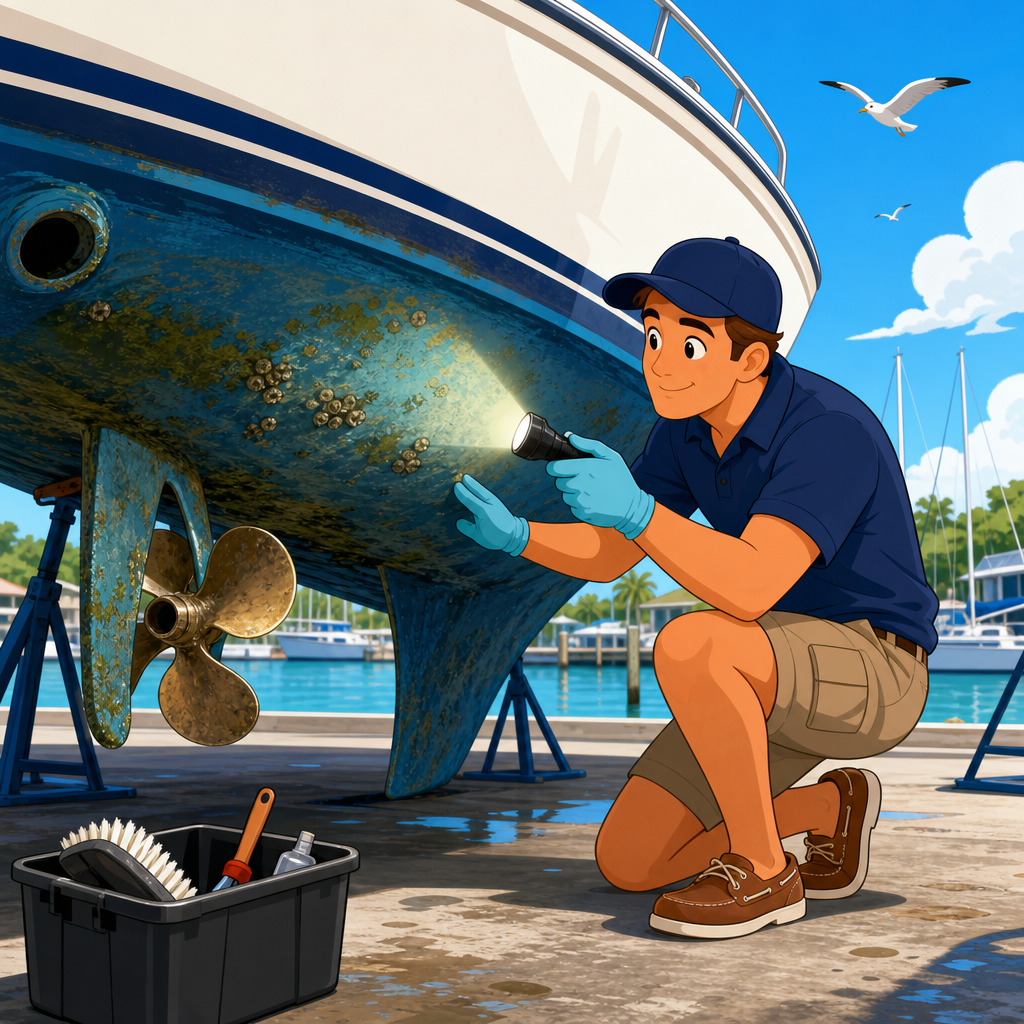
Start with preparation, not pricing. Clean the boat thoroughly, remove personal gear, fix cheap cosmetic flaws, gather records, and confirm that every system works as claimed. Then research true market position using recent comparable sales, not only active listings. If possible, get both a dealer bid and a private-market estimate. That spread gives you a realistic baseline. Ask more than one dealer, especially if your boat fits multiple retail channels. A fishing-boat specialist and a general marine dealer may value the same boat differently.
When evaluating a trade-in, ask for an itemized proposal showing purchase price, trade allowance, fees, taxes, and payoff amount. This prevents a common tactic where a generous trade number is offset by a padded new-boat price. For private sales, insist on verifiable funds, written terms, and clear contingencies for survey and sea trial. Escrow through a reputable title company, broker, or bank is worth the cost on larger transactions.
Finally, match the method to your real goal. If your priority is speed, reduced hassle, and a predictable closing, a dealer or trade-in program is often the better answer. If your priority is top-dollar value and you can manage the process carefully, a private buyer will usually pay more. Decide before listing, not after weeks of mixed signals. Then move decisively. Get a dealer appraisal, price your boat against real comparables, and choose the path that delivers the best net result for your timeline.
Frequently Asked Questions
Is it better to sell my boat to a dealer or a private buyer?
The better option depends on what matters most to you: convenience, speed, and simplicity, or getting the highest possible sale price. Selling to a dealer is usually the easiest path. A marine dealer may buy your boat outright or offer trade-in value toward another vessel. In either case, the process is often faster, more structured, and less demanding on your time. Dealers handle transactions regularly, so they are generally equipped to manage title work, payoff coordination if you still owe money, and many of the practical details that can slow down a sale.
A private sale, on the other hand, typically gives you the best chance of maximizing the final selling price. Because there is no reseller margin built into the deal, an individual buyer may be willing to pay more than a dealer would. The tradeoff is that you usually take on more work and more uncertainty. You will likely need to clean and prepare the boat, gather maintenance records, create listings, answer questions, schedule showings, negotiate directly, and work through the closing process yourself. You may also wait longer for the right buyer, especially if your boat is seasonal, specialized, or priced at the upper end of the market.
In practical terms, a dealer sale often makes the most sense if you want to move quickly, avoid repeated negotiations, or reduce the hassle of handling paperwork and buyer screening. A private buyer route is often better if you are not in a rush and you are comfortable investing time to market the boat properly. The right choice is less about which route is universally “better” and more about which one fits your priorities, your timeline, and your tolerance for effort and transaction risk.
Will I make more money selling my boat privately?
In many cases, yes. Private sales often produce a higher gross sale price because you are selling directly to the end user rather than to a business that needs room for reconditioning costs, overhead, warranty exposure, and resale profit. A dealer has to evaluate your boat not only based on current market demand, but also on what it may cost to inspect it, prepare it for resale, advertise it, hold it in inventory, and possibly stand behind it after the sale. That usually means the dealer’s offer comes in below what a retail private buyer might pay.
However, “more money” should be evaluated carefully. A higher asking price in a private sale does not always translate to a better net result. You may spend money on detailing, repairs, photography, storage, listing fees, transport, sea-trial preparation, and possibly legal or documentation services. You may also need to discount the boat during negotiations or after a survey reveals issues. If the boat sits on the market for months, carrying costs such as slip fees, insurance, loan payments, and maintenance can chip away at your gain. For some sellers, the premium achieved in a private sale is real and worthwhile; for others, it is smaller than expected once time and expenses are factored in.
The best approach is to compare net proceeds, not just headline price. Get a realistic dealer quote or trade-in estimate and then compare it with the likely private-market selling range for your make, model, year, engine hours, condition, and equipment. If the difference is substantial, a private sale may be worth the effort. If the gap is narrow, the dealer route may deliver better overall value once convenience and certainty are taken into account.
How does speed and convenience compare between a dealer sale and a private sale?
Dealer sales are generally much faster and more convenient. If the dealer wants your boat, the transaction can move quickly because the buyer is already qualified, the valuation process is familiar, and the paperwork is part of the dealer’s everyday business. This is especially true when your sale is tied to a trade-in. Instead of waiting for your current boat to sell before moving into another one, you may be able to complete everything in one transaction. That can be a major advantage if you are upgrading, downsizing, relocating, or simply want to avoid the uncertainty of a drawn-out sales process.
Private sales tend to require more time and active involvement. You must create an effective listing, answer inquiries from serious buyers and non-serious shoppers, coordinate inspections, and often accommodate survey and sea-trial requests. Negotiations can take longer because individual buyers may need financing, may be comparing several boats, or may hesitate due to survey findings or concerns about maintenance history. Even after agreeing on price, the closing process can involve title transfer, lien payoff, escrow arrangements, and delivery logistics, all of which can add delay if not handled carefully.
Convenience also includes emotional effort. Many sellers underestimate how tiring it can be to deal with repeated questions, last-minute cancellations, low offers, and buyers who expect extensive access before they are truly committed. If you value a smoother process and less day-to-day involvement, a dealer is often the simpler route. If you are organized, patient, and willing to manage the process yourself, a private sale can still work very well, but it rarely feels as easy as handing the transaction to a dealer.
What paperwork and legal issues should I expect with each option?
Both paths require proper documentation, but the private sale usually places more responsibility on you. At a minimum, most boat sales involve proof of ownership, title or registration documents where applicable, lien release documentation if there is an outstanding loan, a bill of sale, and records related to the vessel, trailer, and outboard motors if they are titled separately in your state. Depending on the boat and location, there may also be Coast Guard documentation, state registration transfer forms, odometer-style hour disclosures for engines, or marina-related transfer requirements.
When you sell to a dealer, much of this process is usually guided or handled by the dealership. Dealers are accustomed to checking title status, confirming ownership, processing payoff amounts with lenders, and making sure the transfer package is complete. That can reduce mistakes and lower the risk of delays caused by missing signatures, incorrect names, unresolved liens, or incomplete registration records. It can also be especially helpful if your boat ownership history is complicated, such as multiple owners, a trust, an estate, or an out-of-state registration trail.
In a private sale, you should be prepared to manage the transaction carefully. You will want a written bill of sale that clearly identifies the vessel, hull identification number, trailer information if included, sale price, included equipment, and the date of transfer. It is wise to specify that the boat is being sold in its present condition unless you have agreed otherwise in writing. You should also think about how funds will be exchanged. Certified funds, escrow services, and verified wire procedures are commonly used for higher-value boats, and caution is essential to avoid fraud. If there is a loan payoff involved, the process should be coordinated so the lender can release the lien properly. Because title and registration rules vary by state, and documented vessels involve additional steps, many sellers benefit from consulting a marine documentation service, lender, attorney, or state agency before closing.
Are there tax, trade-in, or risk considerations that could change the best choice?
Yes. These factors can materially affect the economics of the sale, and they are often overlooked until late in the process. One of the biggest variables is trade-in treatment. In some states, if you trade your boat in to a dealer when purchasing another one, the taxable amount on the new purchase may be reduced by the trade-in value. That can create meaningful savings and narrow the gap between a lower dealer offer and a higher private-sale price. The exact benefit depends on state law, the purchase structure, and whether the transaction qualifies under local tax rules, so it is important to verify the details with the dealer and a tax professional rather than assume the savings apply automatically.
Risk is another major differentiator. Dealer transactions generally reduce your exposure to common problems such as fraudulent payment, buyers who disappear after extensive inspections, and post-sale disputes over condition. A dealer typically has established procedures and a business reputation to protect. In a private sale, you remain more exposed to scams, chargeback attempts, fake wire confirmations, title complications, and disagreements over what was promised. That does not mean private sales are unsafe, but they do require tighter controls: screen buyers, avoid releasing the boat before funds are fully cleared, document the boat’s condition, and use secure closing methods for larger transactions.
There is also the question of post-sale responsibility and peace of mind. Even when private sales are generally considered “as-is,” unclear communication can still lead to conflict if a buyer later claims something was misrepresented. Accurate listings, maintenance records, repair disclosures, and clear written terms help protect both sides. If your top concern is minimizing uncertainty and getting the transaction off your plate, a dealer often has the edge. If your focus is maximizing sale value and you are willing to manage details carefully, a private sale may still be the better move. The smartest choice usually comes from comparing not just price, but net proceeds, tax impact, transaction risk, and the amount of work you are willing to take on.