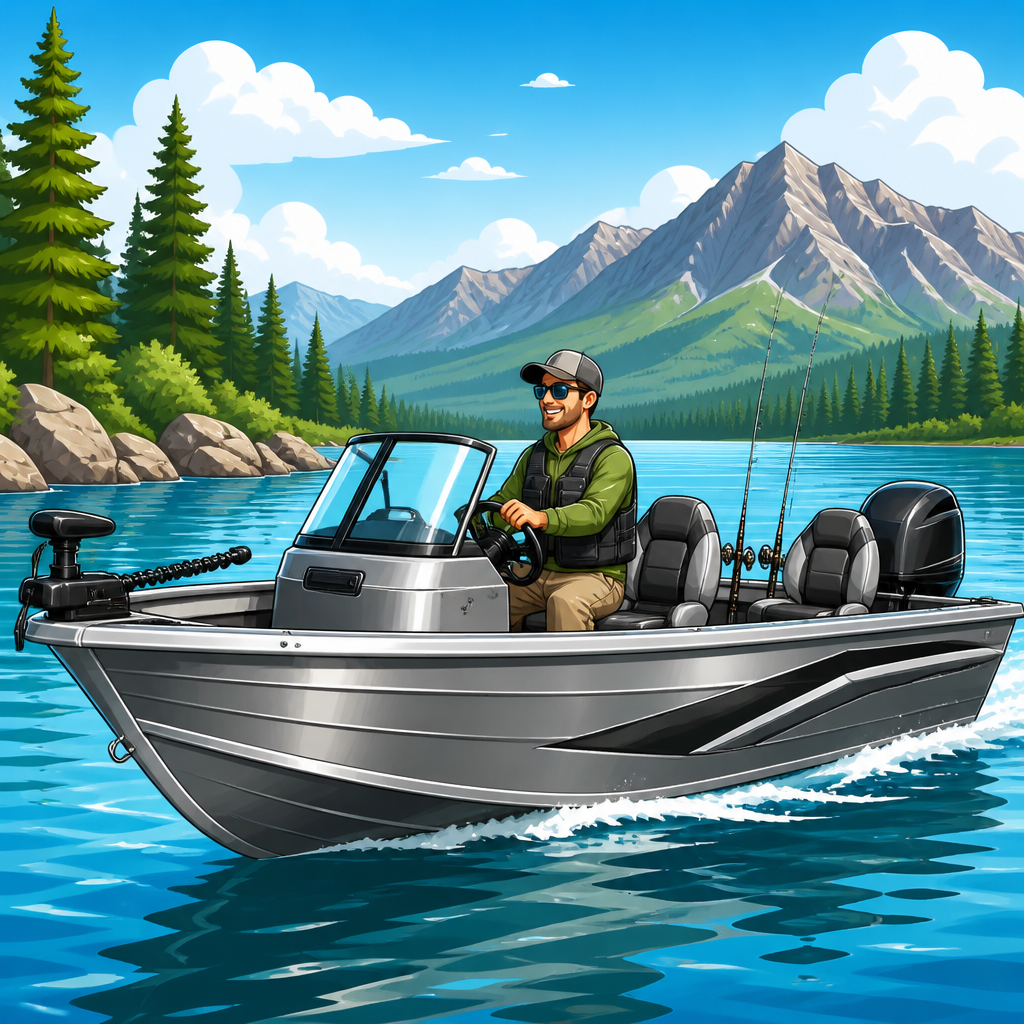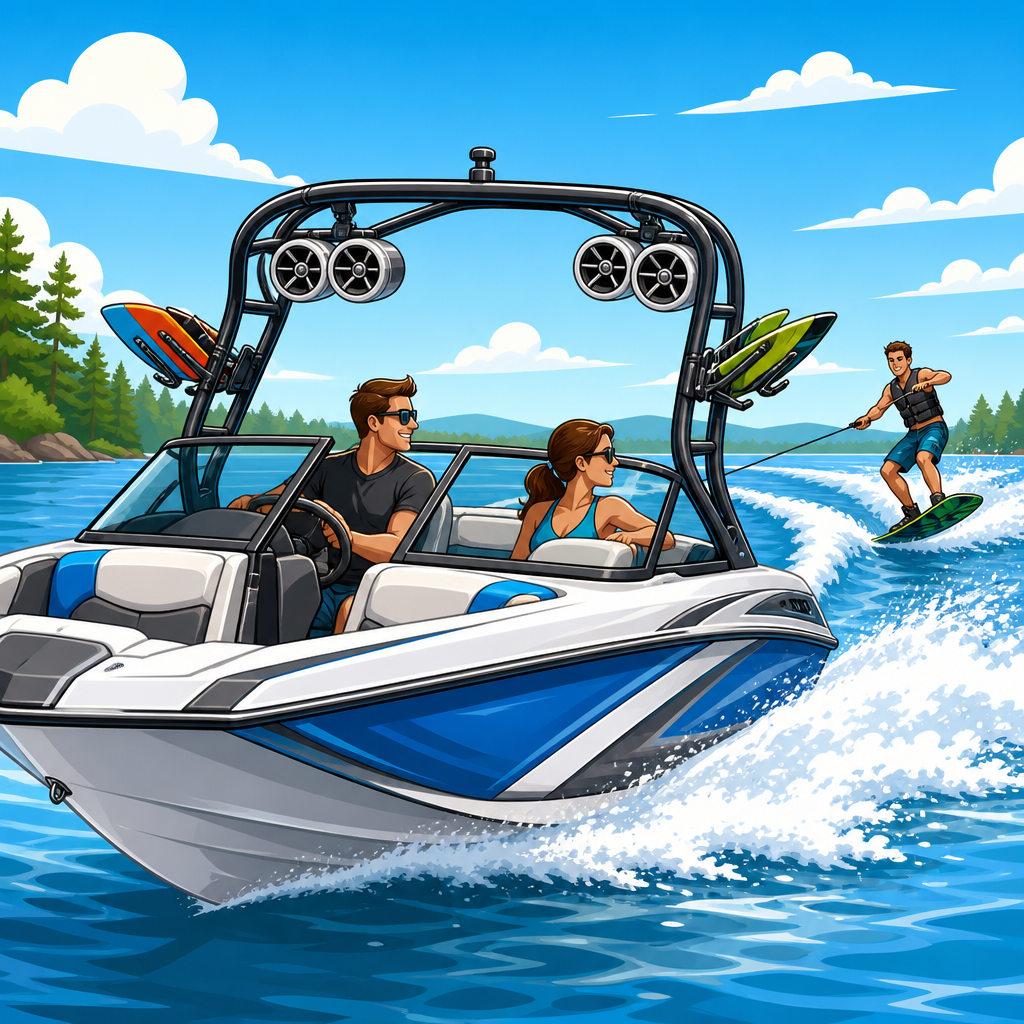
Best wake towers for adding performance to your boat start with understanding what a wake tower actually changes on the water. A wake tower is a reinforced frame mounted to a boat’s gunwales that raises the tow point above the deck, improving rope angle for wakeboarding, water skiing, and tubing while also creating mounting space for racks, speakers, lights, and biminis. On modern water skiing and wakeboarding boats, the tower often becomes the functional center of the setup because it affects pull geometry, passenger space, storage, and even hull balance once accessories are added. I have installed and tested towers on both dedicated tow boats and hybrid runabouts, and the difference is not cosmetic. A higher tow point helps riders get upward lift rather than a flat drag, reducing arm fatigue and making aerial tricks more consistent. For owners building a complete Fishing & Water Sports setup, this topic matters because the right tower turns a general-purpose boat into a more capable tow platform without requiring a new hull.
Choosing among the best wake towers means looking past style and focusing on fit, structure, and intended use. Not every tower suits every boat. Beam width, deck reinforcement, windshield clearance, folding height, and tubing diameter all influence safety and performance. Aluminum towers are common because they balance corrosion resistance and manageable weight, while stainless designs offer premium strength but usually cost more and add mass aloft. Riders who mainly wakeboard want rigid construction and board rack compatibility. Families mixing tubing, skiing, and cruising may prioritize fold-down convenience and integrated shade. If you are researching water skiing and wakeboarding boats broadly, the tower is one of several core systems to understand alongside ballast, propeller pitch, engine torque, hull design, and speed control. This hub article explains how wake towers work, what features matter, which brands and styles stand out, and how to match a tower to the way you actually use your boat.
How wake towers improve boat performance
A wake tower improves performance primarily by changing tow-point elevation and load distribution during pulls. On a stern tow eye, the rope exits low and pulls riders forward across the water. On a tower, the rope pulls from much higher, which creates a better upward vector. Wakeboarders feel this immediately when edging into the wake, because the line stays cleaner and the board rises more predictably. For beginner and intermediate riders, that translates into easier deep-water starts and more controlled jumps. For experienced riders, it supports consistent pop and handle position during spins and grabs. Water skiers can also benefit, especially in recreational settings where smoother starts and a more comfortable line angle matter more than tournament-specific geometry.
The best wake towers also add practical performance by freeing cockpit space and centralizing gear. Board racks move wet boards off the floor. Swivel racks reduce clutter at the transom. Tower-mounted speakers improve sound projection without taking up seating. Bimini integration adds shade without interfering with line handling. These changes affect the boating day more than spec sheets suggest. A cleaner deck means safer movement when spotters turn around, parents manage children, or anglers convert the boat back to fishing duty. Still, there are tradeoffs. Any tower adds weight above the deck, and loaded accessories can slightly raise the boat’s center of gravity. Cheap towers flex, creak, or stress mounting points. That is why material quality, base design, and backing plate installation matter as much as tower height.
What to look for in the best wake towers
When I evaluate wake towers, I start with structural design. A reliable tower uses thick-wall aluminum tubing, precision welds, wide mounting bases, and marine-grade hardware. Most quality aftermarket towers use 2.25-inch or 2.5-inch tubing because it balances stiffness and accessory compatibility. Weld quality matters because repeated rider loads create cyclic stress; poor weld penetration leads to cracks at joints and feet. Adjustable width is important for retrofit projects, but adjustability should not come at the cost of excessive joints that introduce flex. A one-piece top section with robust side legs usually feels tighter under load than overly modular designs built only for shipping convenience.
Next comes fit and usability. Measure beam width where the bases will mount, not just overall boat beam listed by the manufacturer. Check windshield swing, side curtain clearance, and folding path if the tower must fit in a garage. Good towers fold with minimal tools and land in a predictable position that does not crush upholstery or interfere with outboards. Accessory ecosystem matters too. Reputable brands support racks, mirrors, speaker clamps, tow points, and biminis designed around the tube diameter and curve geometry. Finally, look for backing plates and installation guidance specific to fiberglass reinforcement. The best wake tower on paper becomes a liability if mounted through thin deck sections without proper load spreading.
| Tower Type | Best For | Key Advantage | Main Limitation |
|---|---|---|---|
| Universal folding aluminum tower | Runabouts and hybrid family boats | Broad fit range and easier storage | May flex more than model-specific designs |
| Model-specific OEM-style tower | Dedicated wakeboarding boats | Clean fit, strong geometry, premium finish | Higher purchase price |
| Heavy-duty stainless tower | Saltwater-exposed tow boats | Excellent corrosion resistance and strength | More weight aloft and higher cost |
| Arch-style tower with integrated bimini | Family crews prioritizing comfort | Shade and accessory space | Can limit garage clearance when folded |
Top wake tower brands and styles worth considering
Among aftermarket brands, Monster Tower is widely recognized because its universal-fit systems target owners upgrading runabouts and older ski boats without custom fabrication. Towers such as the MTK and MT2 focus on DIY-friendly installation, polished or powder-coated finishes, and broad accessory support. They are not the lightest or most sculpted towers on the market, but they are practical, parts support is strong, and installation documentation is better than many competitors. Aerial Wakeboarding also deserves attention for towers like the Airborne series, which have been popular with owners seeking aggressive styling and solid value. Big Air towers are known for stout construction and straightforward mounting geometry, especially on smaller inboards and stern drives.
On higher-end builds, OEM and OEM-style towers from brands associated with Malibu, MasterCraft, Nautique, and Supra set the benchmark for rigidity and integration. These towers are engineered around the hull and deck mold, so they usually fold cleaner, fit biminis better, and carry speakers or racks with less visible vibration. Roswell and Samson Sports have also built strong reputations in the premium accessory and tower space, especially where board rack quality and clamp engineering are priorities. If your goal is the best wake tower for adding performance rather than simply adding a tow point, premium systems generally justify their price through lower flex, better finish durability, quieter operation, and more refined mounting solutions.
Matching a tower to water skiing and wakeboarding boats
Different boat categories need different tower priorities. Direct-drive ski boats often have narrow beams, low profiles, and owners who care about slalom performance as much as wake sports versatility. On these boats, a compact folding tower with minimal weight and a moderate accessory load usually makes the most sense. You preserve handling while gaining a better tow point for wakeboarding and casual skiing. V-drive wake boats, by contrast, are designed around ballast, larger wakes, and crews carrying multiple boards. They can support larger towers, heavier speakers, and swivel racks because the hull, freeboard, and engine placement better tolerate the added load.
Bowriders and multipurpose runabouts are the most common retrofit candidates. They can become enjoyable entry-level wakeboarding platforms with the right tower, propeller, and ballast strategy, but owners need realistic expectations. A tower cannot turn a flat-running family runabout into a competition wake machine on its own. It improves pull angle and utility, but hull shape still determines wake character. For outboard-powered boats, tower selection must account for engine clearance during trim and storage. Pontoon tow arches are a separate category entirely and should not be confused with traditional wake towers, because load paths and deck structures differ substantially. Matching tower design to hull architecture is the fastest way to avoid disappointing performance and costly fiberglass repairs.
Installation, safety, and setup details that matter
Wake tower installation is where many otherwise good projects fail. The tower feet must land on structurally sound sections of the deck and gunwale, with access underneath for backing plates, large fender washers, or custom aluminum reinforcement. I always dry-fit the tower, cycle the fold path, confirm speaker and bimini clearance, and inspect for wiring routes before drilling anything. Marine sealant should protect every hole, but sealant is not a substitute for reinforcement. Fiberglass can spider-crack if point loads are concentrated at small feet or if bolts are overtorqued. Torque values should follow the hardware grade and base design rather than guesswork. After the first several outings, recheck all fasteners because bedding materials compress slightly.
Safety setup extends beyond the tower itself. Use a tow point rated for the intended sport, not a decorative light tab. Verify maximum rider load guidance from the tower manufacturer. Keep racks positioned so board fins and bindings do not strike passengers during turns. If adding tower speakers, route wiring through grommets and use tinned marine wire to prevent corrosion. For navigation safety, maintain all required lights and sightlines. Also consider insurance implications; some carriers want accessory values documented or may ask whether the boat has been structurally modified. A properly installed tower is safe and durable, but a rushed installation can create leaks, gelcoat damage, and loose hardware that degrades both performance and resale value.
How wake towers fit into a complete tow-boat setup
A wake tower works best when the rest of the boat is set up intelligently. For wakeboarding, ballast placement shapes the wake more dramatically than the tower itself. Rear lockers, center bags, and bow weight determine lip firmness and transition length, while the tower improves how the rider connects to that wake. Propeller selection matters too. Many recreational boats benefit from a lower-pitch prop when carrying ballast and multiple passengers because hole shot improves and the engine reaches its torque band sooner. Speed control systems such as PerfectPass or GPS-based cruise functions also elevate consistency, especially for progressing riders who need repeatable line tension at precise speeds.
This is why wake towers belong in the larger conversation about water skiing and wakeboarding boats. The tower, hull, ballast, propeller, engine torque curve, and rope length all interact. A good hub page should help boat owners connect those systems rather than shop accessories in isolation. If you are planning future upgrades, start with your riding goals. A family teaching first-time wakeboarders may get the biggest gain from a reliable tower and prop swap. An advanced crew may prioritize ballast automation, surf systems, and premium racks. Anglers who occasionally tow kids behind the boat may want a lighter folding tower that preserves casting room. The best decisions come from treating the tower as one part of a complete performance package.
The best wake towers for adding performance to your boat deliver far more than a stylish silhouette. They raise the tow point, improve rider leverage, free cockpit space, and create a foundation for racks, shade, mirrors, and audio. The right choice depends on your hull, riding style, storage limits, and budget. Universal aftermarket towers can transform a capable runabout into a better wakeboarding and recreational skiing platform, while model-specific premium towers offer the cleanest fit, least flex, and strongest long-term value. Across every category, construction quality, proper mounting reinforcement, and realistic expectations matter more than flashy marketing claims.
As the hub for water skiing and wakeboarding boats within Fishing & Water Sports, this topic connects directly to ballast systems, prop selection, engine setup, speed control, board storage, and onboard safety. If you are comparing towers now, measure carefully, confirm structural mounting access, and choose a brand with proven hardware and accessory support. Build the boat around how your crew actually uses it, not how a showroom display looks. Start with a tower that fits correctly, install it properly, and your boat will pull harder, ride cleaner, and serve more watersports sessions with less compromise. Then map your next upgrade from there.
Frequently Asked Questions
What does a wake tower actually do to improve boat performance?
A wake tower improves performance primarily by raising the tow point well above the deck, which changes the angle of pull for the rider. That higher pull helps lift wakeboarders and skiers up and out of the water more efficiently, making starts smoother and reducing the dragging sensation that often comes with low-mounted transom tow points. For wakeboarding in particular, the elevated rope angle can make edging, cutting, and getting upward pop off the wake feel more controlled and predictable. Tubing also benefits because the tow rope stays higher and is less likely to slap the water constantly during turns and acceleration.
Beyond the tow angle, a good wake tower improves how the boat functions as a watersports platform. It creates structured mounting space for accessories such as board racks, speakers, mirrors, lights, and biminis, which frees up cockpit space and keeps gear organized. That can indirectly improve on-water performance by reducing clutter, improving visibility, and making transitions between riders faster and safer. On many wake and ski boats, the tower becomes a key part of the overall setup because it supports both rider performance and crew efficiency. In short, the best wake towers do not just add style; they meaningfully enhance towing dynamics, onboard organization, and the boat’s ability to serve multiple watersports well.
How do I choose the best wake tower for my specific boat?
The best wake tower for your boat starts with compatibility. You need a tower designed to fit your boat’s beam width, gunwale shape, and mounting surface strength. Universal wake towers can work very well, but they still need to match the dimensions and structure of the hull. A tower that looks great on paper but requires awkward mounting angles or excessive modification may create stress points, poor folding geometry, or reduced long-term durability. Before buying, confirm the manufacturer’s fit range, mounting footprint requirements, and recommended hull types. It is also wise to check whether your boat has enough internal access for backing plates and reinforcement hardware, since proper installation matters as much as the tower itself.
From there, think about how you actually use the boat. If your main priority is wakeboarding, look for a tower with strong towing strength, rigid construction, and room for racks and speakers. If family cruising is equally important, a folding tower with bimini compatibility may be the better choice. Material quality also matters. Aircraft-grade aluminum is popular because it balances strength, corrosion resistance, and lighter weight, while weld quality and finish quality affect both appearance and longevity. Finally, consider practical details such as ease of folding for storage, available accessories, wiring pathways, and brand reputation. The best tower is not necessarily the most expensive one; it is the one that fits your boat correctly, supports your watersports goals, and holds up reliably season after season.
Are universal wake towers as good as custom or OEM wake towers?
Universal wake towers can be an excellent option, especially for boat owners who want performance gains without the higher cost of OEM or fully custom systems. A well-designed universal tower can deliver the same core benefits: a higher tow point, accessory mounting options, and a stronger watersports setup overall. Many quality universal towers are engineered with adjustable widths and mounting points so they can fit a wide variety of boats securely. When installed correctly with proper reinforcement, they can be very sturdy and dependable for wakeboarding, skiing, and tubing.
That said, OEM and custom wake towers often have advantages in fit, styling, and integration. Because they are designed around a specific hull or boat model, they may fold more neatly, match factory lines better, and offer cleaner routing for accessories and wiring. They can also provide more confidence for owners who want a turnkey look and predictable installation process. The tradeoff is usually price. Universal towers often provide the best value, while OEM or custom towers typically deliver the most seamless appearance and model-specific design. The right choice depends on your priorities. If your focus is budget-conscious performance improvement, a premium universal tower may be ideal. If you want the most refined fit and factory-like finish, OEM or custom may be worth the investment.
What features should I look for in a high-quality wake tower?
A high-quality wake tower should first and foremost be structurally sound. Look for strong tubing, quality welds, corrosion-resistant materials, and secure mounting hardware. Aluminum towers are especially common because they resist rust and keep weight manageable, which is helpful for both boat balance and ease of folding. A tower should feel rigid under load and be designed to minimize flex during towing. Excessive movement can affect confidence, create noise, and contribute to long-term wear at the mounting points. A well-built tower will also include substantial backing plates or recommend them clearly, since load distribution is critical for safe operation.
Functionality is the next major factor. The best wake towers offer thoughtful accessory support, including mounts for board racks, tower speakers, mirrors, lights, and biminis. Folding capability is another important feature, especially if the boat is stored in a garage, boat house, or under low bridges. Hardware quality matters too; stainless fasteners, durable hinges, and reliable locking points make a big difference over time. If you plan to add electronics or audio, towers with clean wire-routing options can make installation neater and more professional. Finally, evaluate finish quality and brand support. Powder coating, polished finishes, and anodized treatments can improve durability and appearance, while a manufacturer with clear installation documentation and available replacement parts is often a safer long-term choice.
Can adding a wake tower affect boat safety, handling, or maintenance?
Yes, a wake tower can affect all three, but in the right setup the effects are manageable and often positive. From a safety standpoint, a professionally installed or properly installed tower can make towing safer by providing a better tow position and reducing cockpit clutter through organized storage for boards and gear. However, installation quality is critical. If a tower is mounted poorly, without reinforcement, or on weak surfaces, it can create structural problems and unsafe flex under load. Riders should also use the tower only for its intended towing purposes and within the manufacturer’s limits. Not every tower is meant for every type of aggressive use, and overloading it with too many accessories can also create unnecessary stress.
In terms of handling, the added structure and accessories introduce some extra weight higher on the boat, which can have a small effect on balance and center of gravity. On most properly equipped recreational boats, this is not dramatic, but it is still worth considering if you plan to add heavy speakers, lights, and racks loaded with gear. Maintenance is generally straightforward: inspect mounting hardware regularly, rinse the tower after use in saltwater, check for corrosion or finish wear, tighten fasteners as recommended, and look for any signs of stress cracking around mounts or welds. A quality wake tower should be viewed as part of the boat’s performance system, not just an accessory. With correct installation and routine care, it can provide years of reliable towing performance without compromising safety or usability.