Best jet skis for speed and fun in 2025 come down to more than top-end numbers. The right personal watercraft, or PWC, balances acceleration, hull control, fuel range, passenger capacity, towing ability, storage, and the kind of riding you actually do. In this category, “jet ski” is often used generically, although Jet Ski is Kawasaki’s brand name; the wider market includes Sea-Doo and Yamaha WaveRunner models, each with distinct engines, ride plates, hull shapes, and electronic systems. After years around marinas, rental docks, and dealer demo days, I’ve found that buyers usually regret one mistake: choosing by horsepower alone. A fast machine that beats you up in chop, lacks boarding support, or burns fuel too quickly stops being fun. A slightly less aggressive model with strong low-end torque, stable ergonomics, and usable storage often delivers more smiles across an entire season. This hub article covers the best jet skis for speed and fun in 2025 while also serving as a practical guide to Jet Ski and personal watercraft adventures overall. You will learn which models suit pure speed, family cruising, tow sports, touring, fishing setups, and first-time ownership, plus how to compare maintenance, safety gear, and running costs before you buy.
What makes a jet ski great in 2025
The best PWC in 2025 is the one that matches your water, riding style, and tolerance for maintenance. Speed still matters, especially for experienced riders chasing hard acceleration and offshore runs, but modern fun also means predictable handling, rider-assist technology, and all-day comfort. Today’s leading models use refined three-cylinder four-stroke engines, advanced composite or fiberglass hulls, cruise and no-wake modes, adjustable trim, smartphone-ready displays, and better reboarding ladders than older craft. Those updates matter because most owners do not spend every ride pinned at wide-open throttle. They idle through marinas, carry passengers, tow tubes, beach on sandbars, and store dry bags, tow ropes, and safety kits.
In practical terms, a great 2025 jet ski should do four things well. First, it should accelerate cleanly without porpoising or chine-walking in normal conditions. Second, it should remain stable when stopped and when a passenger moves around, which is critical for swimming breaks and fishing conversions. Third, it should have enough storage and range to support your real trip length. Fourth, it should be serviceable through a nearby dealer network with parts availability and a clear maintenance schedule. These points sound boring next to supercharged horsepower, but they determine whether a machine is enjoyable in July and still trouble-free in September.
Best jet skis for speed in 2025
If your priority is maximum pace, the performance shortlist starts with the Sea-Doo RXP-X 325, Yamaha GP SVHO, and Kawasaki Jet Ski Ultra 310LX or 310X. The Sea-Doo RXP-X 325 is the headline machine because its 325-horsepower supercharged Rotax platform delivers explosive acceleration with race-focused ergonomics. Riders who like aggressive corner entry and a locked-in feel often prefer it because the T3-R hull rewards active body positioning. It is not the most relaxed machine for casual passengers, but for solo thrill riding it is one of the sharpest tools on the market.
Yamaha’s GP SVHO remains a serious benchmark because its Super Vortex High Output engine combines strong top-end speed with excellent reliability history when maintained properly. In mixed chop, the GP line often feels more predictable than ultra-nervous race-inspired setups, which is why many experienced riders keep returning to it. Kawasaki’s Ultra 310 series brings huge power and a larger platform, making it attractive for riders who want speed without giving up long-distance comfort. The Ultra hull is substantial, planted, and confidence inspiring in rougher water. It is heavier, but that mass can work in your favor offshore.
Top speed claims vary with rider weight, elevation, water temperature, prop condition, and break-in status, so focus on repeatable performance rather than brochure bragging rights. In real ownership, the best speed-focused PWC is the one you can launch confidently, hold in rough afternoon chop, and ride home without fatigue.
Best jet skis for all-around fun and family use
For most buyers, the sweet spot sits below the most extreme performance segment. The Sea-Doo GTX 170, Yamaha FX HO, and Kawasaki Ultra 160LX-S are strong all-around choices because they blend comfort, storage, stability, and enough speed to feel exciting without overwhelming newer riders. I regularly recommend this category to households that share one machine among different skill levels. These PWCs are easier to board from the water, more forgiving at idle, and generally better for sightseeing, sandbar days, and towing kids on a tube.
The Sea-Doo GTX 170 is especially versatile. Its naturally aspirated engine avoids the complexity of a supercharger while still providing lively acceleration, and the boarding platform is among the best in the segment. Yamaha’s FX HO is another standout, with a reputation for durable engineering and a comfortable, upright riding position that reduces fatigue on long runs. Kawasaki’s Ultra 160LX-S gives buyers the roomy Ultra platform without stepping into the 310-class power and fuel use. For lakes, intracoastal waterways, and family vacation homes, these models usually hit the best ownership balance.
Best PWCs for touring, towing, and fishing adventures
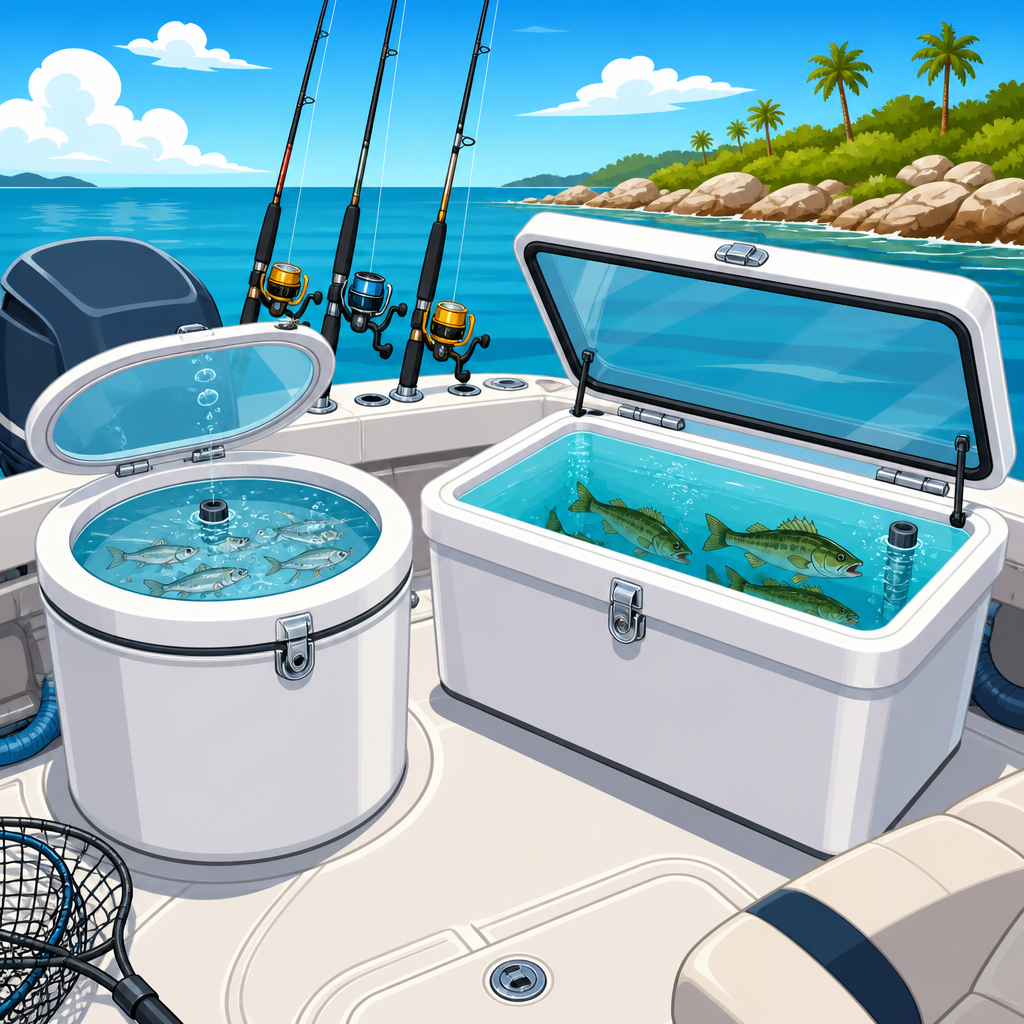
Jet Ski and personal watercraft adventures are broader than short speed runs. Many owners use PWCs for coastal exploring, tow sports, and even light fishing. That requires a longer seat, stronger low-end pull, secure boarding, and space for coolers or accessory mounts. In this use case, the Sea-Doo FishPro lineup deserves direct attention because it was purpose-built rather than improvised. Features such as a rear platform extension, LinQ accessory integration, GPS and fish finder compatibility on select packages, and a trolling mode give it an edge for anglers and utility-minded riders.
Yamaha’s FX Cruiser HO and FX SVHO also fit the touring brief extremely well. The Cruiser seat supports full-day rides better than many sport saddles, and the hull carries passengers with less drama when water conditions deteriorate. For towing wakeboarders or inflatable toys, smooth throttle response matters more than ultimate speed. A stable stern and strong midrange torque make launches easier and reduce rider error. Kawasaki’s larger Ultra models also do well here, particularly for bigger riders or two-up coastal rides where extra hull length helps comfort and confidence.
| Use case | Recommended model type | Why it fits |
|---|---|---|
| Pure speed | Sea-Doo RXP-X 325, Yamaha GP SVHO | Hard acceleration, aggressive handling, performance-focused ergonomics |
| Family fun | Sea-Doo GTX 170, Yamaha FX HO | Stable hulls, better comfort, easier shared ownership |
| Touring | Yamaha FX Cruiser HO, Kawasaki Ultra 160 | Long-range comfort, passenger-friendly seating, rough-water composure |
| Fishing | Sea-Doo FishPro Scout or Trophy | Factory rigging, accessory support, useful deck layout |
| Tow sports | Sea-Doo Wake Pro, Yamaha FX-based setups | Controlled pull, boarding convenience, practical storage |
How Sea-Doo, Yamaha, and Kawasaki differ
These three major brands approach PWC design differently, and those differences are obvious on the water. Sea-Doo often leads in innovation and modularity. Its iBR braking and reverse system changed low-speed handling expectations years ago, and the brand continues to push accessory systems, swim platforms, and specialty trims such as Wake Pro and FishPro. In my experience, Sea-Doo appeals to riders who value features and use their PWC as a multipurpose platform, not just a toy.
Yamaha is widely respected for engine refinement, straightforward reliability, and a polished ownership experience. The naturally aspirated 1.9-liter HO platform in particular has become a favorite among buyers who want strong performance without supercharger upkeep. Yamaha hulls also tend to feel intuitive quickly, which helps intermediate riders build confidence. Kawasaki, meanwhile, has long catered to riders who like muscular power delivery and substantial offshore-capable machines. The Ultra platform feels big because it is big, and many taller riders appreciate that extra room. Brand choice should follow fit, local dealer support, and intended use rather than internet tribalism.
Buying factors that matter more than brochure specs
When comparing the best jet skis for speed and fun in 2025, start with dry weight, fuel capacity, storage volume, seat height, and hull behavior in your local conditions. A lighter craft may feel lively on a calm inland lake but harsher in wind chop. A heavier machine can be harder to trailer by hand yet more comfortable offshore. Fuel capacity affects confidence on longer runs far more than new buyers expect. If you ride with a passenger, check reboarding features carefully; a good ladder and platform can turn a frustrating stop into a simple one-minute climb back aboard.
Also consider maintenance intervals and dealer access. Supercharged engines offer thrilling output, but they add heat, mechanical complexity, and higher fuel consumption. Naturally aspirated engines usually cost less to own over time. Check whether your local service center stocks impellers, wear rings, spark plugs, and brand-specific diagnostic support. Ask about winterization, battery care, flushing procedures for saltwater use, and trailer setup. Ownership satisfaction often comes from these unglamorous details.
Safety, gear, and skills for better PWC adventures
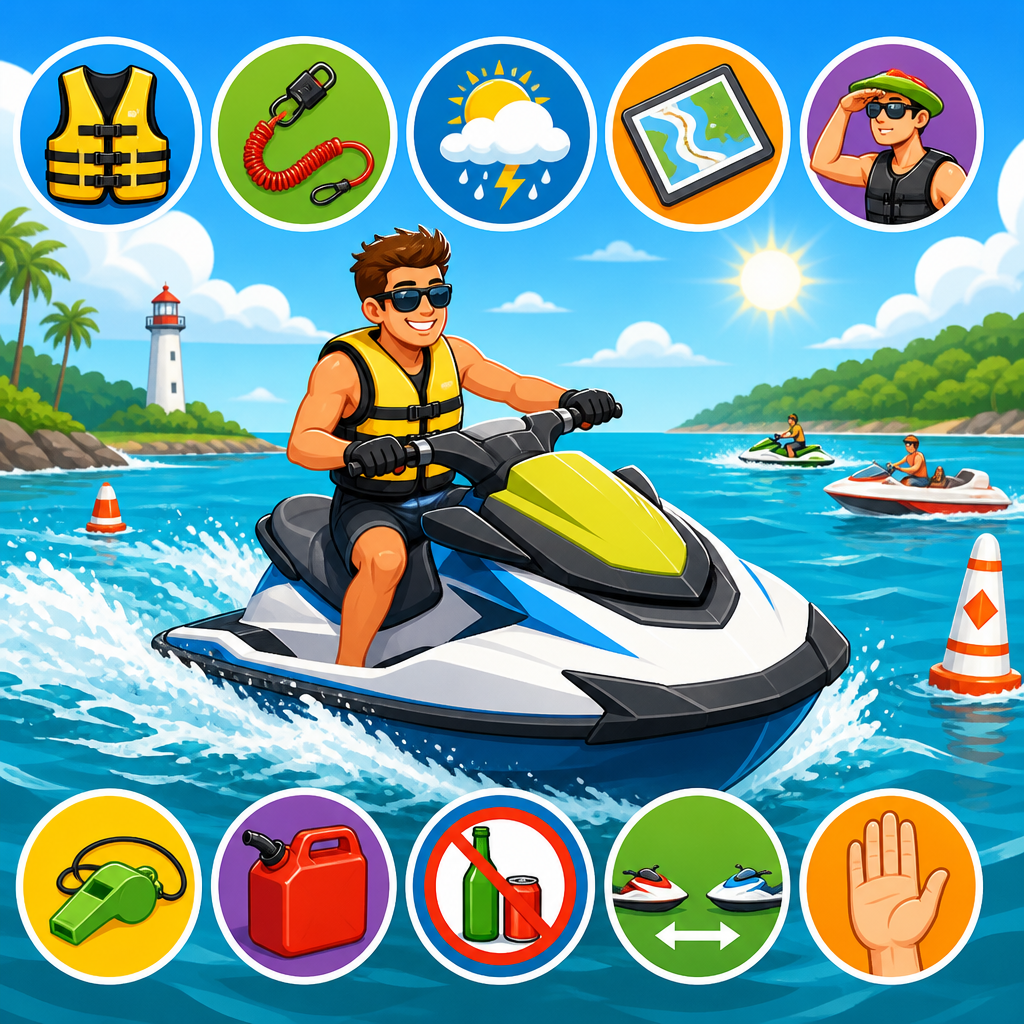
Fast PWCs are only fun when the rider has the skill and equipment to use them safely. At minimum, wear a properly fitted Coast Guard-approved life jacket, use the engine cut-off lanyard, and carry the legally required safety items for your state. Training matters. Many incidents happen because riders underestimate stopping distance, overcorrect in turns, or release the throttle when they need steering authority. Jet-propelled craft steer best under power, which surprises first-time riders coming from prop boats.
Essential gear includes a dry bag, whistle, dock lines, waterproof phone case, sunscreen, and a small first-aid kit. For coastal use, I also recommend a VHF radio or at least a reliable waterproof communication device, especially if you ride beyond easy swimming distance from shore. If fishing is part of your plan, secure rods and tackle so they cannot become hazards in rough water. Smart riders build habits: pre-ride inspections, weather checks, float plans, and conservative fuel margins. Those habits create freedom, not limitation.
Ownership costs, maintenance, and storage
The purchase price is only the opening number. Real annual cost includes registration, insurance, trailer maintenance, fuel, service, storage, cleaning products, and possible marina or rack fees. Performance models with superchargers and premium audio packages can be significantly more expensive over several seasons than midrange naturally aspirated models. Saltwater use raises the bar further because thorough flushing, corrosion prevention, and hardware inspection become mandatory, not optional.
Routine service typically includes oil and filter changes, spark plugs at scheduled intervals, jet pump inspection, battery care, hull cleaning, and wear ring or impeller attention if you ingest sand or debris. Covered storage extends seat and finish life, while a good trailer with proper bunks protects the hull during transport. Buyers who underestimate storage logistics often ride less than they expect. Easy access, quick launch routines, and a disciplined washdown process can double how often you use the craft.
How this hub supports your next step
As a hub under Fishing and Water Sports, this page should help you choose the right direction before drilling into model-specific reviews and guides. If you are comparing performance machines, your next step is a detailed breakdown of horsepower classes, supercharged versus naturally aspirated ownership, and rough-water handling. If your interest leans toward family riding, look for guides on three-seater comfort, tube towing, and beginner-friendly PWCs. Anglers should continue with fishing-specific setups covering cooler placement, GPS and sonar mounting, and launch tactics in tidal water.
That structure matters because “best” changes with purpose. A buyer who spends summer weekends exploring barrier islands needs a different machine than someone carving tight turns on a small lake or chasing top speed in glassy morning water. Use this hub as your starting map, then narrow by use case, budget, and local riding conditions.
The best jet skis for speed and fun in 2025 are not defined by one brand or one spec sheet. They fall into clear categories. For outright performance, the Sea-Doo RXP-X 325, Yamaha GP SVHO, and Kawasaki Ultra 310 models stand at the front because they deliver serious acceleration and high-speed capability. For the broadest ownership value, models such as the Sea-Doo GTX 170, Yamaha FX HO, and Kawasaki Ultra 160 offer a better blend of comfort, range, stability, and manageable operating costs. For touring, towing, and fishing adventures, feature-rich platforms like the Yamaha FX Cruiser line, Sea-Doo Wake Pro, and Sea-Doo FishPro series prove that a PWC can be far more than a fast toy.
The key takeaway is simple: match the machine to the mission. Think honestly about your water conditions, passenger needs, towing plans, storage situation, and willingness to maintain a high-output engine. Prioritize dealer support and test rides whenever possible. A well-chosen PWC will feel exciting on day one and still make sense after years of fuel stops, beach landings, and maintenance bills. Start with the categories in this hub, shortlist two or three models, and then move to deeper reviews focused on speed, family use, touring, or fishing so you can buy with confidence in 2025.
Frequently Asked Questions
What should I look for when choosing the best jet ski for speed and fun in 2025?
The best jet ski for speed and fun in 2025 is not always the one with the highest advertised top speed. A smart choice starts with how you actually plan to ride. If you want aggressive acceleration, sporty handling, and a playful feel in chop, you should pay close attention to horsepower, power-to-weight ratio, hull design, and how the craft behaves in turns. Lightweight performance-oriented models often feel more exciting and responsive than larger machines, even if their top-end speed numbers are similar.
Beyond speed, look at ride quality and control. A stable hull matters if you ride on rough water, carry passengers, or want confidence at higher speeds. Electronic trim systems, ride modes, launch control features, and intelligent braking or reverse systems can also make a major difference in how fun and manageable a PWC feels. These features help you tailor the ride, whether you want calm cruising, quick bursts of acceleration, or tighter cornering.
Practical factors are just as important. Consider fuel capacity and efficiency if you take longer rides, storage space if you bring gear, and seating layout if you regularly ride with a passenger. If towing a tube or wakeboard is on your list, make sure the model has enough torque, stability, and the proper towing setup. In short, the right machine balances performance, comfort, range, and usability. The fastest jet ski on paper is not always the most enjoyable one on the water.
Is the fastest jet ski always the most fun to ride?
Not necessarily. For many riders, the most fun jet ski is the one that feels lively, predictable, and easy to throw around, not simply the one with the biggest supercharged engine. Top speed can be exciting, but most real-world enjoyment comes from acceleration, handling, and overall ride character. A PWC that launches hard out of the hole and carves confidently through turns often delivers more day-to-day excitement than a heavier machine built mainly for straight-line speed.
There is also a difference between speed in perfect conditions and performance in typical riding environments. On smooth water, a high-horsepower model may shine. In rougher water, however, a better hull and more composed handling can make a slightly slower model far more enjoyable. Stability matters too. If you are constantly fighting the craft or backing off because it feels unsettled, you are not getting the full benefit of its power.
Rider experience plays a big role as well. Beginners and casual riders often have more fun on a well-balanced midrange performance model with intuitive controls and forgiving manners. More experienced riders may prefer a supercharged flagship because they can take advantage of its power and advanced electronics. The bottom line is simple: the “most fun” jet ski is the one that matches your skill level, water conditions, and riding style while still delivering the excitement you want.
Which brands make the top performance PWCs in 2025, and how do they differ?
In 2025, the performance PWC conversation is still centered around Kawasaki Jet Ski, Sea-Doo, and Yamaha WaveRunner. While many people use “jet ski” as a generic term, Jet Ski is technically Kawasaki’s brand name. Each manufacturer has its own approach to speed, handling, comfort, and technology, and those differences matter when you are comparing the best options for fast, fun riding.
Kawasaki is widely associated with outright muscle and strong straight-line performance, especially in its high-output supercharged models. Riders who want that classic powerful, aggressive feel often gravitate toward Kawasaki. Sea-Doo tends to emphasize a mix of innovation, versatility, and rider-focused technology, with features such as braking and reverse systems, adjustable trim, and layouts that can work well for both sporty riding and longer recreational use. Yamaha WaveRunner models are often praised for refinement, reliability, and balanced all-around performance, with hulls that can inspire confidence in a wide range of water conditions.
That does not mean one brand is universally better than the others. The right choice depends on what you prioritize. If you want pure punch and high-end thrill, one model may stand out. If you want a blend of speed, comfort, storage, and advanced rider aids, another may be stronger. It is also important to compare specific models rather than brands in general, because even within the same lineup, one PWC may be designed for racing-style excitement while another is built for touring, towing, or family use. A side-by-side look at engine type, hull shape, electronics, seating, and onboard storage usually tells you more than the badge alone.
How much passenger space, storage, and towing ability do I need in a fun performance jet ski?
That depends on whether your idea of fun is solo performance riding, all-day exploring, or bringing family and friends along. Many buyers focus first on speed, but passenger capacity, storage, and towing ability often determine whether a PWC fits your real-world lifestyle. If you mostly ride alone and want the most responsive feel possible, a lighter, more compact craft can be the better choice. These models often feel quicker and more playful, but they may offer less room, smaller storage compartments, and lower comfort for passengers.
If you regularly ride with a second or third person, hull stability and seat design become much more important. A larger performance-oriented touring model may still be very fast, but it will usually offer a more secure passenger experience, better reboarding, and a smoother ride over longer distances. Storage matters more than many first-time buyers expect. Dry storage for phones, wallets, tow ropes, safety gear, and snacks quickly becomes essential if you spend full days on the water.
Towing ability is another area where a little planning goes a long way. If you want to pull a tube, skier, or wakeboarder, look for strong low-end acceleration, stable handling, and a proper tow point. A high-horsepower engine helps, but so does the overall platform. A twitchy, ultra-sporty setup may not be ideal for repeated towing sessions with passengers onboard. For many buyers, the sweet spot is a performance PWC that still has usable rear deck space, enough storage for essentials, and the capacity to tow occasionally without feeling compromised. Matching those practical needs to your riding habits is what turns a fast machine into a genuinely fun one.
Are high-performance jet skis in 2025 expensive to own and maintain?
They can be, especially if you move into the supercharged, premium-feature end of the market. The purchase price is only part of the equation. Ownership costs usually include insurance, registration, fuel, routine maintenance, winterization or off-season storage depending on your location, trailer costs if one is not included, and occasional wear items. More powerful models generally burn more fuel and may require more attentive maintenance, particularly if they are ridden hard or used frequently in saltwater.
Maintenance needs vary by engine type and brand, but every PWC benefits from the same basic care: flushing after saltwater use when required, checking the pump and intake for debris, inspecting the battery, changing oil and filters on schedule, and keeping the hull clean and protected. High-performance machines often reward proper care with strong reliability, but neglect can become expensive fast. Electronics, trim systems, superchargers, and premium components add capability, yet they also increase complexity compared with simpler recreational models.
That said, cost should be weighed against how much value you get from the machine. If you ride often and want top-tier acceleration, better hull control, and features that improve both performance and usability, paying more upfront may be worth it. If your riding is occasional and mostly relaxed, a naturally aspirated or midrange performance model may deliver plenty of fun with lower long-term costs. The best approach is to budget beyond the sticker price and choose a jet ski you can comfortably own, maintain, and use regularly. A machine that fits your finances as well as your riding style is almost always the better buy.