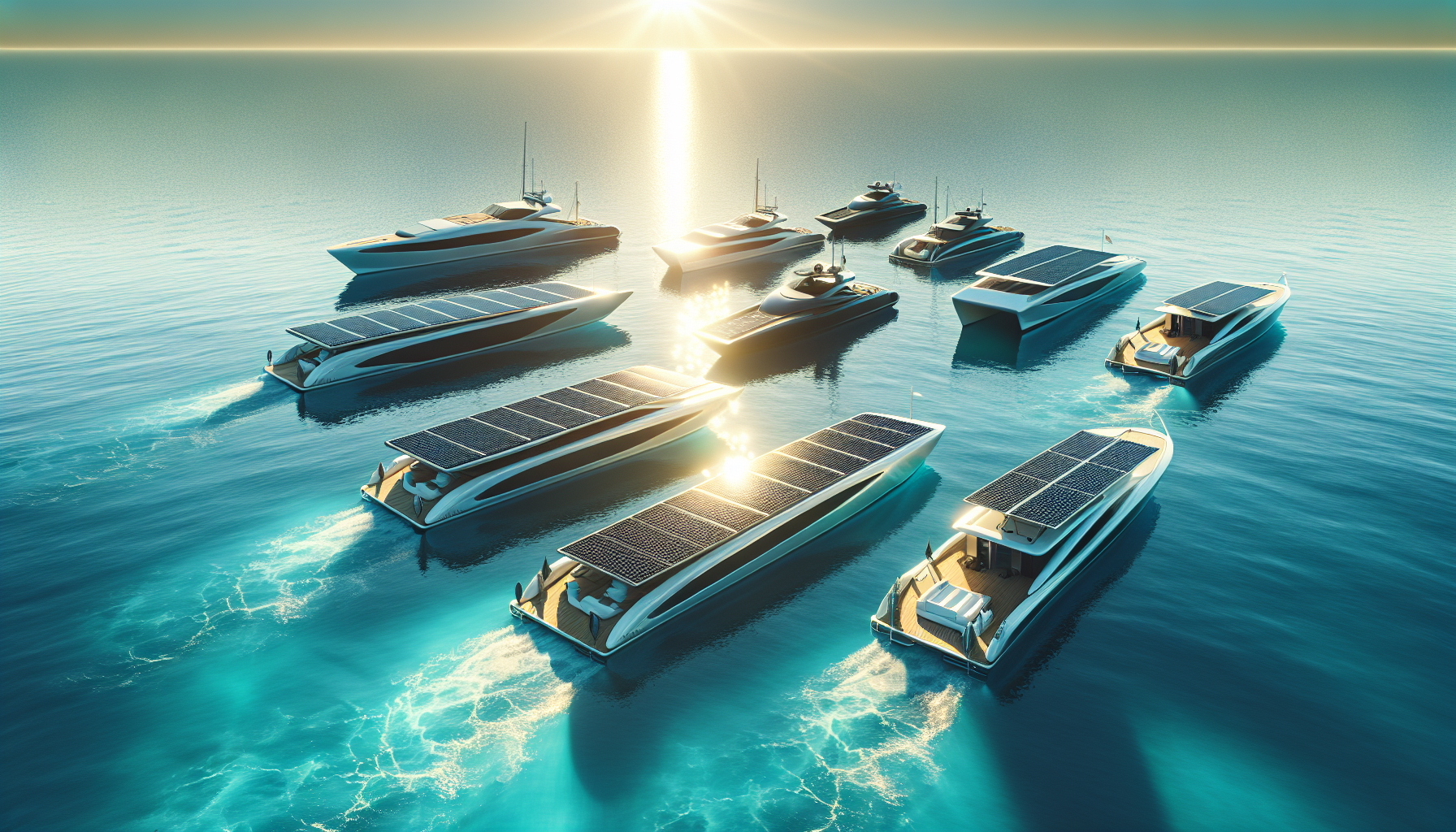
Solar-powered boats have moved from niche experiments to practical, high-interest vessels for cruisers, day boaters, charter operators, and waterfront homeowners who want quiet propulsion with lower fuel use. In the best cases, they combine photovoltaic panels, lithium battery banks, efficient electric motors, and low-drag hulls to deliver clean, low-maintenance boating for inland lakes, canals, harbors, and short coastal passages. This guide to the top 10 solar-powered boats for eco-friendly boating is designed as a hub for anyone researching the best electric and eco-friendly boats, whether the goal is buying a turnkey solar cruiser, understanding hybrid systems, or comparing newer marine energy technologies.
When I evaluate solar boats, I look beyond marketing language. The key questions are practical: how much solar input can the vessel generate in full sun, how large is the battery pack, what is the cruising speed versus top speed, and what happens after sunset or during cloudy weather? Solar-powered boating usually does not mean a boat runs only on sunlight at all times. More often, it means the boat uses solar panels to extend range, support hotel loads, reduce shore-power dependence, and, in some designs, provide enough daily energy for slow cruising without burning fuel. That distinction matters because expectations determine satisfaction.
Eco-friendly boating also includes more than propulsion. Hull efficiency, recyclable materials, noise reduction, wake profile, and lifecycle maintenance all influence environmental impact. Compared with conventional gasoline or diesel craft, electric and solar-assisted boats can cut local emissions to zero while underway, sharply reduce vibration, and simplify servicing because there are fewer moving parts. They are especially compelling in protected waterways where noise, fumes, and fuel spills are major concerns. The boats below stand out because they represent different use cases: canal cruising, passenger transport, luxury catamarans, compact tenders, and experimental high-efficiency designs.
What Makes a Solar-Powered Boat Worth Buying
A strong solar-powered boat starts with an efficient hull, because solar harvest is limited by surface area. Even excellent marine panels produce modest power relative to what planing hulls demand. That is why the most successful designs are displacement monohulls, catamarans, or lightweight low-speed craft. In real buying decisions, efficiency per nautical mile matters more than raw battery size. I have seen buyers focus on peak kilowatts and ignore that a poorly matched hull can drain a large battery surprisingly fast, while a refined catamaran can cruise all afternoon on a fraction of the energy.
Battery chemistry is the second filter. Most serious builders now use lithium-ion systems, often lithium iron phosphate for thermal stability and cycle life. Buyers should confirm usable battery capacity in kilowatt-hours, charging rates from shore power, solar array wattage, and whether the boat supports DC fast charging or generator backup. A quality energy management system should show panel input, hotel loads, state of charge, range at current speed, and battery temperature. Reputable marine electronics integration from brands such as Victron Energy, Torqeedo, Oceanvolt, Raymarine, or Garmin adds confidence because support and diagnostics are easier over the long term.
Comfort and mission profile matter just as much. A solar day boat for lake use may only need 4 to 8 knots and minimal overnight systems. A liveaboard solar catamaran must support refrigeration, navigation electronics, watermakers, air circulation, and lighting without undermining propulsion reserves. For buyers comparing the best electric and eco-friendly boats, the most useful approach is to match the boat to realistic use: short marina hops, silent wildlife tours, resort transfers, family picnics, or low-speed cruising with overnight anchoring.
Top 10 Solar-Powered Boats for Eco-Friendly Boating
The list below mixes production boats, premium solar cruisers, and influential designs that have shaped the current market. They are not identical products aimed at one buyer. Instead, they show the breadth of what solar propulsion can do today, from compact leisure craft to ocean-capable catamarans.
| Boat | Type | Why It Stands Out |
|---|---|---|
| Silent 60 Explorer | Solar electric catamaran | Long-range cruising platform with large rooftop solar area and luxury liveaboard layout |
| Silent 62 3-Deck | Solar electric catamaran | High solar generation, expansive accommodations, and proven brand focus on electric cruising |
| Soel Senses 62 | Solar leisure catamaran | Designed for premium day cruising and hospitality operations with silent propulsion |
| Soel Shuttle 14 | Solar passenger shuttle | Commercial-grade electric transport for resorts, cities, and protected waterways |
| Alva Yachts Ocean Eco 90 H2 | Solar yacht with hydrogen range extension | Blends solar, batteries, and hydrogen fuel cell support for ambitious cruising profiles |
| Sunreef 80 Eco | Luxury solar catamaran | Integrated solar skin and high-end build quality for owners seeking premium sustainability |
| Duffy Sun Cruiser concept class | Solar-assisted leisure boat | Shows how low-speed electric picnic boats can meaningfully benefit from rooftop charging |
| Ace 2 solar boat | Compact solar day boat | Practical small-scale option for lakes and rental fleets focused on simplicity |
| PlanetSolar-inspired expedition craft | High-efficiency solar vessel | Demonstrates the outer limits of solar-only marine design and systems engineering |
| Solar Sal 24 | Trailerable solar boat | Accessible format for recreational owners who want quiet boating without large yacht budgets |
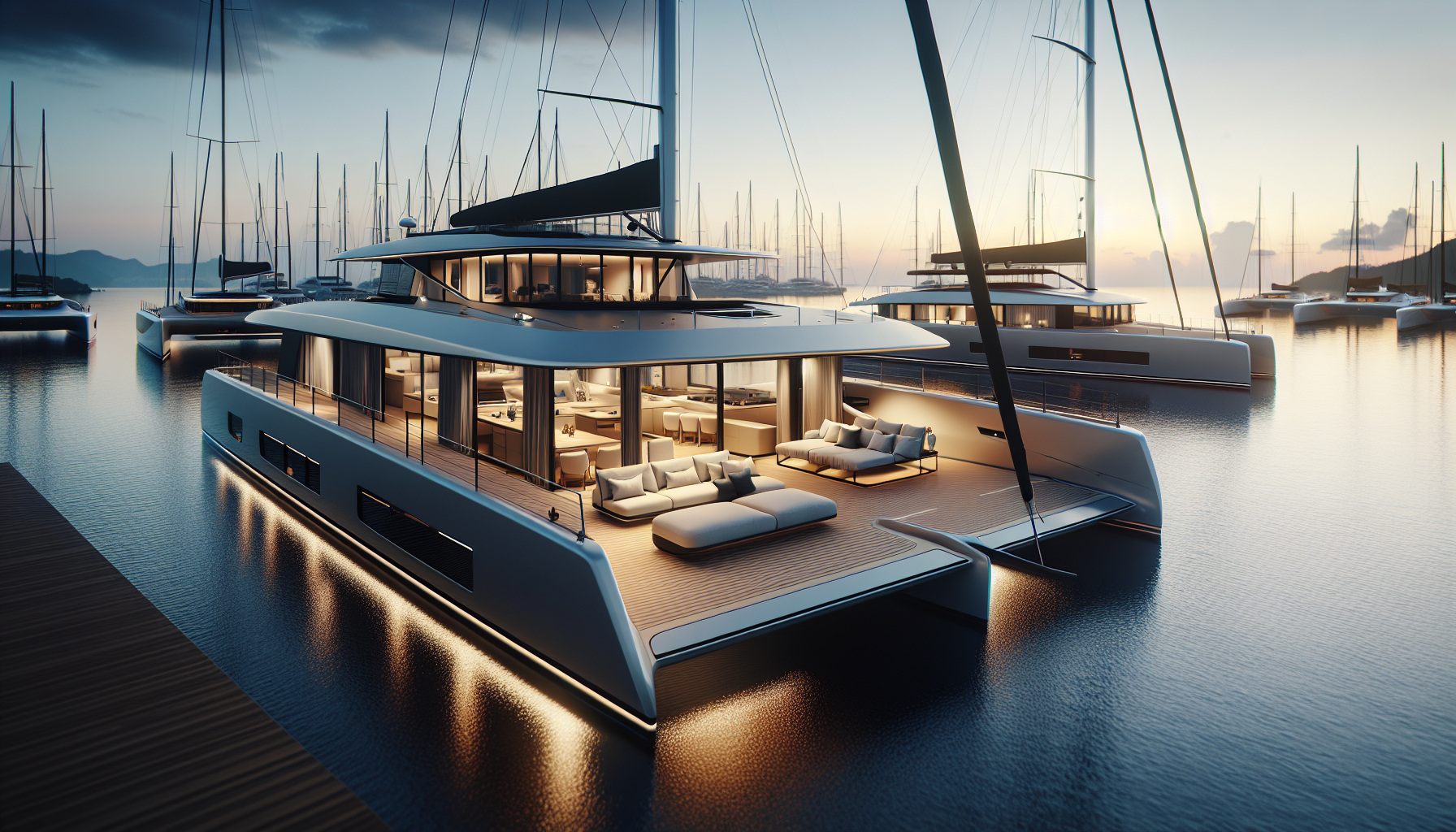
The Silent Yachts models deserve attention because they brought solar electric cruising into the mainstream conversation. Their catamaran platforms carry substantial panel area, and the wide beam supports battery storage and comfortable accommodations. In practice, that means owners can cover typical daily cruising distances at modest speeds while running household systems quietly. The larger models are not inexpensive, but they are among the clearest examples of a solar-powered boat designed from the keel up around electric propulsion rather than retrofitted around it.
Soel’s boats illustrate another strong category: commercial and hospitality use. Resorts, waterfront hotels, and urban ferry operators value silent operation because guest experience improves when conversation is possible without engine roar. In those environments, predictable routes and regular daylight exposure make solar especially effective. The Sunreef 80 Eco and Alva Yachts Ocean Eco 90 H2 sit at the premium end, appealing to buyers who want advanced sustainability systems alongside luxury finishes. At the smaller end, compact solar day boats and trailerable models show that eco-friendly boating is not reserved for superyacht budgets.
Best Use Cases for Different Types of Eco-Friendly Boats
If your boating happens mainly on lakes, reservoirs, no-wake zones, or canal networks, a dedicated solar electric boat can be a near-ideal fit. These waters reward low-speed efficiency, and many outings occur during daylight when solar input is strongest. For example, a family using a solar picnic boat for four-hour weekend cruises can often recover a meaningful portion of consumed energy from the roof array before returning to the dock. In that setting, the benefits are immediate: easy starts, no gasoline smell, minimal service, and far less noise around swimmers, anglers, and shoreline homes.
For coastal users, the equation changes. Solar-powered boats work best nearshore when speeds are moderate and trip planning is disciplined. A solar catamaran can be excellent for island hopping, harbor exploration, and anchorage living, but less suited to running fast against current and wind for long periods. This is why many serious cruising designs pair substantial solar generation with large batteries and, sometimes, range-extending backup systems. The result is not a compromise so much as a realistic marine energy strategy. Owners gain quiet daily operation while keeping resilience for weather or schedule changes.
Commercial applications are growing quickly. Municipal ferries, eco-tour operators, and hotel shuttle services are strong candidates because they follow fixed routes and can calculate energy demand accurately. In my experience, fleet managers care less about novelty and more about total operating cost. Electric drivetrains can lower routine maintenance, and solar input reduces grid charging needs over time. When paired with overnight shore charging, these boats can achieve dependable uptime. That predictability is why passenger shuttle models are among the most bankable solar boat concepts on the market today.
How Solar Boats Compare With Electric Boats and Hybrid Boats
Many shoppers search for solar-powered boats when they actually need a broader comparison of electric and eco-friendly boats. A pure electric boat charges mainly from shore power and may have little or no onboard solar. This can be the right solution for owners with short trips, reliable dock charging, and a desire for stronger acceleration than solar alone typically supports. Electric wake boats and performance-oriented electric runabouts fit here. They are environmentally improved compared with combustion models, but they are not truly solar boats unless onboard generation plays a meaningful role.
Hybrid boats combine electric propulsion with a combustion engine or generator. Some purists dismiss them, but that misses their practical value. For long-range cruising, heavy hotel loads, or regions with sparse charging infrastructure, hybrid systems can sharply reduce fuel consumption while preserving safety margins. A hybrid catamaran might run silently in anchorages and marinas, rely on solar for daytime charging support, and use a generator only when weather or mileage demands it. That is still eco-friendly boating, especially when compared with conventional systems idling inefficiently for battery charging.
The tradeoff is complexity. Pure solar electric boats offer the cleanest ownership experience when their mission profile matches your habits. Pure electric boats can be simpler and more affordable than full solar cruising catamarans. Hybrids provide flexibility but add components, cost, and maintenance points. The right choice depends on how you boat, where you dock, and how much uncertainty you need the vessel to absorb. Buyers who answer those questions honestly usually avoid the most expensive mistake in this category: purchasing for aspiration instead of actual usage.
Buying Tips, Costs, and Ownership Realities
The first ownership reality is that solar panel area is finite. Even premium catamarans cannot collect enough solar energy to support high-speed operation indefinitely. Sellers should explain expected range at specific speeds, in kilowatts and nautical miles, not vague promises. Ask for data in three scenarios: full sun, mixed weather, and no solar contribution. Also ask whether quoted range includes hotel loads. Air conditioning, induction cooking, and desalination can materially change usable propulsion energy, especially on liveaboard platforms.
Costs vary widely. Small solar day boats can sit in the price range of premium conventional pontoons or picnic boats, while luxury solar catamarans cost far more due to battery banks, power electronics, composite construction, and custom systems integration. Beyond purchase price, inspect warranty coverage for batteries, inverters, motors, and solar modules. Battery replacement intervals depend on chemistry, depth of discharge, and thermal management. Insurance, haul-out support, technician availability, and marina charging access should be discussed before signing a contract, not after delivery.
For most buyers, the smartest path is a sea trial with energy monitoring visible the entire time. Watch how quickly state of charge changes at your likely cruising speed. Note noise levels, helm responsiveness, regeneration claims if sailing or hydrogeneration is involved, and how intuitive the control systems feel. If you are building a broader shortlist of the best electric and eco-friendly boats, compare ownership ecosystems as much as the hulls themselves. A well-supported boat with transparent energy data will usually outperform a flashier model that lacks service depth or realistic performance disclosures.
Why This Category Matters for the Future of Boating
Solar-powered boats matter because they solve real problems that traditional propulsion has normalized for decades: noise, fumes, fuel spills, idle maintenance, and high operating costs for low-speed use. They also align naturally with the way many people actually boat. A large share of recreational trips are short, local, and weather-dependent, which favors renewable charging and electric drivetrains. In tourism and hospitality, silent boating is not just cleaner; it is a better product. Guests hear water, wildlife, and conversation instead of engine vibration.
The technology is still evolving, and not every boat should be solar powered. Fast offshore fishing boats, heavy-load workboats, and long-range planing cruisers remain difficult cases for current battery energy density. But the progress is undeniable. Better lithium systems, lighter composite structures, integrated marine photovoltaics, and smarter energy management have made today’s best solar-powered boats far more practical than early prototypes. For buyers researching the top 10 solar-powered boats for eco-friendly boating, the main takeaway is simple: choose efficiency first, match the boat to your route, and prioritize proven systems over flashy claims.
Use this hub as your starting point for the best electric and eco-friendly boats, then narrow your search by use case, range, and charging access. The right solar boat can deliver quieter days on the water, lower running costs, and a genuinely cleaner boating experience. If you are comparing models now, shortlist three boats, request real performance data, and book sea trials before making your decision.
Frequently Asked Questions
What exactly is a solar-powered boat, and how does it work in real-world boating conditions?
A solar-powered boat uses onboard photovoltaic panels to capture sunlight and convert it into electricity, which is then stored in a battery bank—typically lithium-based—and used to power an electric motor and onboard systems. In practical terms, most modern solar boats are not running on sunlight alone every second of the day. Instead, they operate as an integrated energy system: solar panels generate power when conditions allow, batteries store that energy for later use, and the motor draws from the batteries to propel the boat efficiently and quietly. This setup is especially effective for low- to moderate-speed cruising on lakes, rivers, canals, harbors, and sheltered coastal waters.
In real-world use, performance depends on several factors, including panel surface area, battery capacity, hull efficiency, boat weight, cruising speed, and weather conditions. A lightweight catamaran or low-drag displacement hull will generally get much more usable range from the same solar array than a heavier planing hull. On bright days, some boats can extend their range significantly while underway because the solar array is continuously offsetting part of the motor’s energy draw. At anchor or on a mooring, the panels can also recharge batteries for later use, making these boats appealing to owners who want reduced shore-power dependence and lower operating costs.
It is important to understand that “solar-powered” can describe a spectrum. Some boats are designed from the ground up around solar-electric propulsion and can operate very efficiently with large rooftop arrays. Others are electric boats with supplemental solar charging. For eco-friendly boating, both can be excellent choices, but the best solar boat is usually one with a highly efficient hull, a right-sized battery bank, and a realistic mission profile that matches the owner’s intended waters and cruising habits.
Are solar-powered boats practical for everyday use, or are they still more of a niche technology?
Solar-powered boats are far more practical today than they were even a few years ago, largely because of major improvements in lithium battery technology, electric propulsion systems, lightweight solar panels, and energy management software. For many everyday boating uses—such as day cruising, marina hopping, canal travel, lake boating, harbor tours, resort operations, and waterfront commuting—they are no longer experimental at all. In fact, they can be one of the most sensible choices available for boaters who prioritize low noise, low maintenance, and reduced fuel consumption.
The key is matching expectations to use case. If your ideal boating day involves relaxed cruising, wildlife viewing, entertaining guests, fishing in calm waters, or making short trips between docks and anchorages, a solar-powered boat can be extremely practical. These boats excel where quiet operation, clean propulsion, and predictable energy use matter more than high top speed. They are especially attractive for charter operators, waterfront property owners, and boaters who use their vessel frequently for short or moderate outings because the simplicity of electric propulsion can reduce maintenance compared with internal combustion engines.
Where solar boats are less ideal is in applications that demand sustained high-speed performance, long offshore passages without charging support, or heavy-load operation in rough conditions. Solar power is highly effective, but available deck and roof space limits how much energy a vessel can harvest. That means the most practical solar-powered boats are generally the ones designed around efficiency from the beginning. For the right owner and the right waters, though, these boats have clearly moved beyond niche status and into a genuinely useful category of modern boating.
How far can a solar-powered boat go on a single charge, and what affects its range the most?
Range varies widely because solar-powered boats differ enormously in size, hull type, battery capacity, motor power, and intended use. Some compact solar-electric day boats may be optimized for a few hours of leisurely cruising, while larger and more advanced designs can travel much farther, especially at efficient displacement speeds. In many cases, the most useful way to think about range is not just “distance on a single charge,” but “distance at a specific cruising speed under typical sunlight conditions.” That is because speed has a major impact on power consumption, and solar input can either meaningfully extend range or play only a small supporting role depending on the design.
The biggest factor affecting range is usually speed. Electric boats are generally most efficient at modest cruising speeds, and even a small increase in speed can result in a disproportionately large increase in energy draw. Hull efficiency is another major factor. Low-drag catamarans and displacement hulls tend to perform much better than heavier hulls that require more power to move through the water. Battery size is obviously critical as well, since it determines how much stored energy is available before recharging becomes necessary. Solar array capacity matters most when the boat spends long periods in sunlight, either while underway at efficient speeds or while sitting idle and replenishing battery reserves.
Other range variables include wind, current, passenger load, onboard hotel loads such as refrigeration or electronics, water conditions, and how effectively the energy management system balances charging and consumption. For buyers comparing the top solar-powered boats, it is smart to look beyond headline numbers and ask for realistic range figures at multiple speeds. The best manufacturers usually publish performance data that shows how far the boat can travel at slow, moderate, and faster cruising settings. That real-world transparency is often more useful than a single maximum-range claim.
What are the main benefits of choosing a solar-powered boat over a traditional gas or diesel boat?
The most obvious advantage is reduced fuel use, but the benefits go well beyond that. Solar-powered boats offer exceptionally quiet operation, which changes the onboard experience in a meaningful way. Without the constant vibration, exhaust note, and engine rumble of combustion propulsion, the boat feels calmer, cleaner, and more connected to the surrounding environment. That makes a noticeable difference for leisure cruising, nature observation, hospitality use, and family boating. It also improves comfort during conversation, docking, and time spent at anchor.
Maintenance is another major benefit. Electric motors generally have far fewer moving parts than internal combustion engines, which can translate to lower routine service requirements and fewer mechanical headaches over time. Owners are not dealing with oil changes, fuel filters, spark plugs, or many of the engine-related maintenance tasks that come with gasoline or diesel systems. When solar charging contributes meaningfully to daily use, operating costs can also be dramatically lower, especially for boaters who use their vessel often in sunny conditions and do not require high-speed performance.
From an environmental standpoint, solar-powered boats help reduce local air pollution, fuel spills, and carbon emissions associated with conventional boating. They are particularly attractive in sensitive waterways where quiet, low-impact operation is valued. There is also a practical convenience factor: if the boat can recharge from sunlight while moored, docked, or underway, owners may become less dependent on fueling stops and, in some cases, less reliant on shore power for short routine outings. While they are not a perfect replacement for every type of boat, solar-powered models can offer a compelling mix of sustainability, simplicity, and enjoyable day-to-day usability.
What should buyers look for when comparing the best solar-powered boats for eco-friendly boating?
Buyers should start with the complete propulsion ecosystem rather than focusing on any single specification. A large solar array may sound impressive, but it is only one part of the equation. The most important question is how well the panels, batteries, motor, hull, and onboard energy management system work together. A well-designed solar boat will have an efficient hull form, properly sized electric propulsion, high-quality lithium batteries, and enough panel area to make a meaningful contribution to charging. The goal is balanced efficiency, not just a big number on a brochure.
It is also important to evaluate the boat based on your actual boating habits. Consider where you plan to use it, how far you typically travel, how fast you want to cruise, how many passengers you usually carry, and whether the boat will spend time at a dock, on a mooring, or on a lift with regular sun exposure. A buyer who wants slow scenic cruising on inland waters may prioritize range and solar recharge efficiency, while a resort operator may care more about all-day reliability, passenger comfort, and low operating costs. Waterfront homeowners may value easy charging and quiet short-trip use above all else.
Beyond performance, pay close attention to build quality, battery warranty, charging options, dealer support, and transparency around real-world range data. Ask whether the boat can also charge from shore power, how long a full recharge takes, what the expected battery life is, and what happens to performance in cloudy conditions. It is wise to look for manufacturers that provide detailed operating profiles rather than vague marketing language. The best solar-powered boats are not just environmentally friendly in theory—they are thoughtfully engineered to deliver dependable, low-maintenance boating in the environments they were designed to serve.