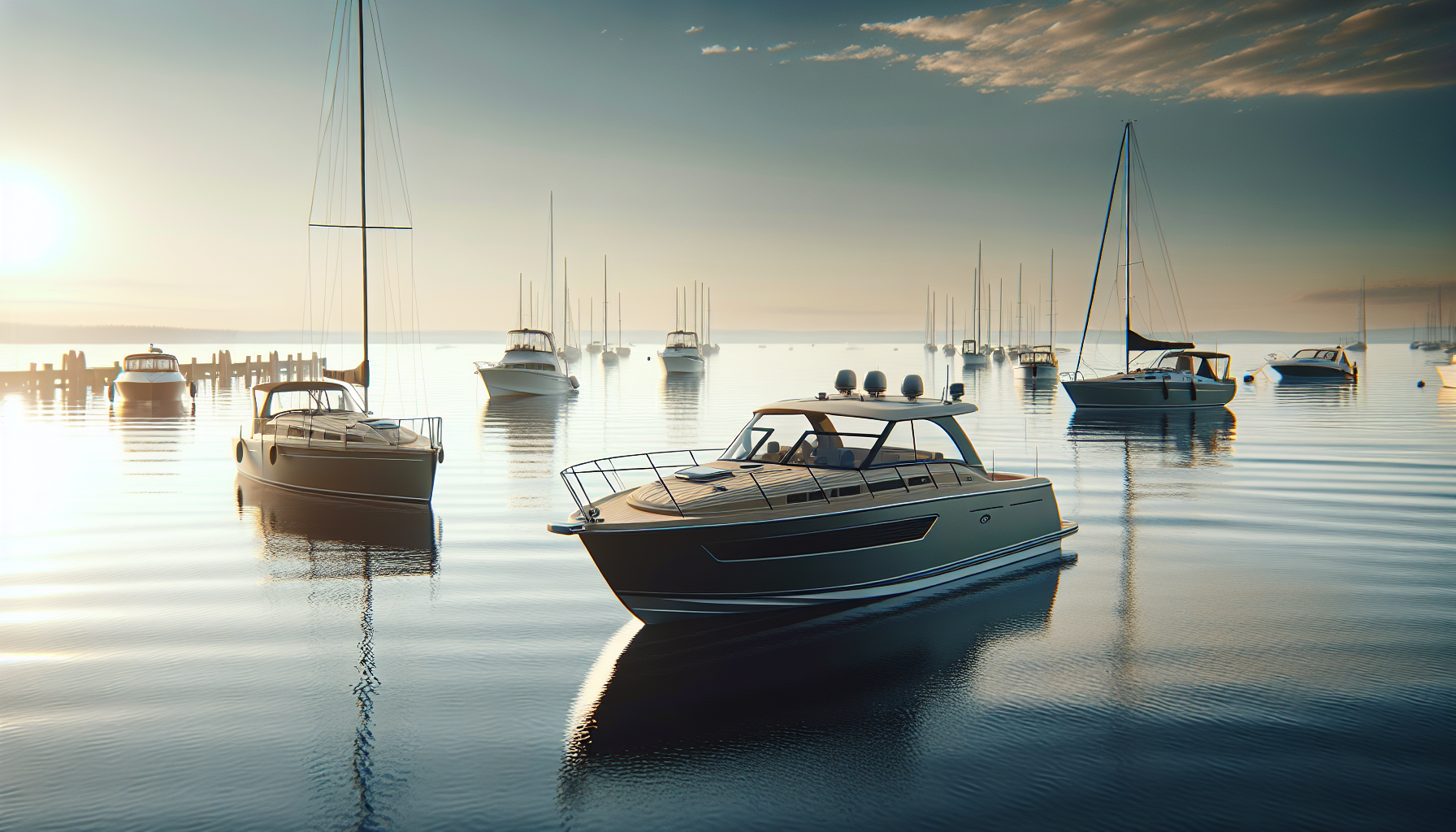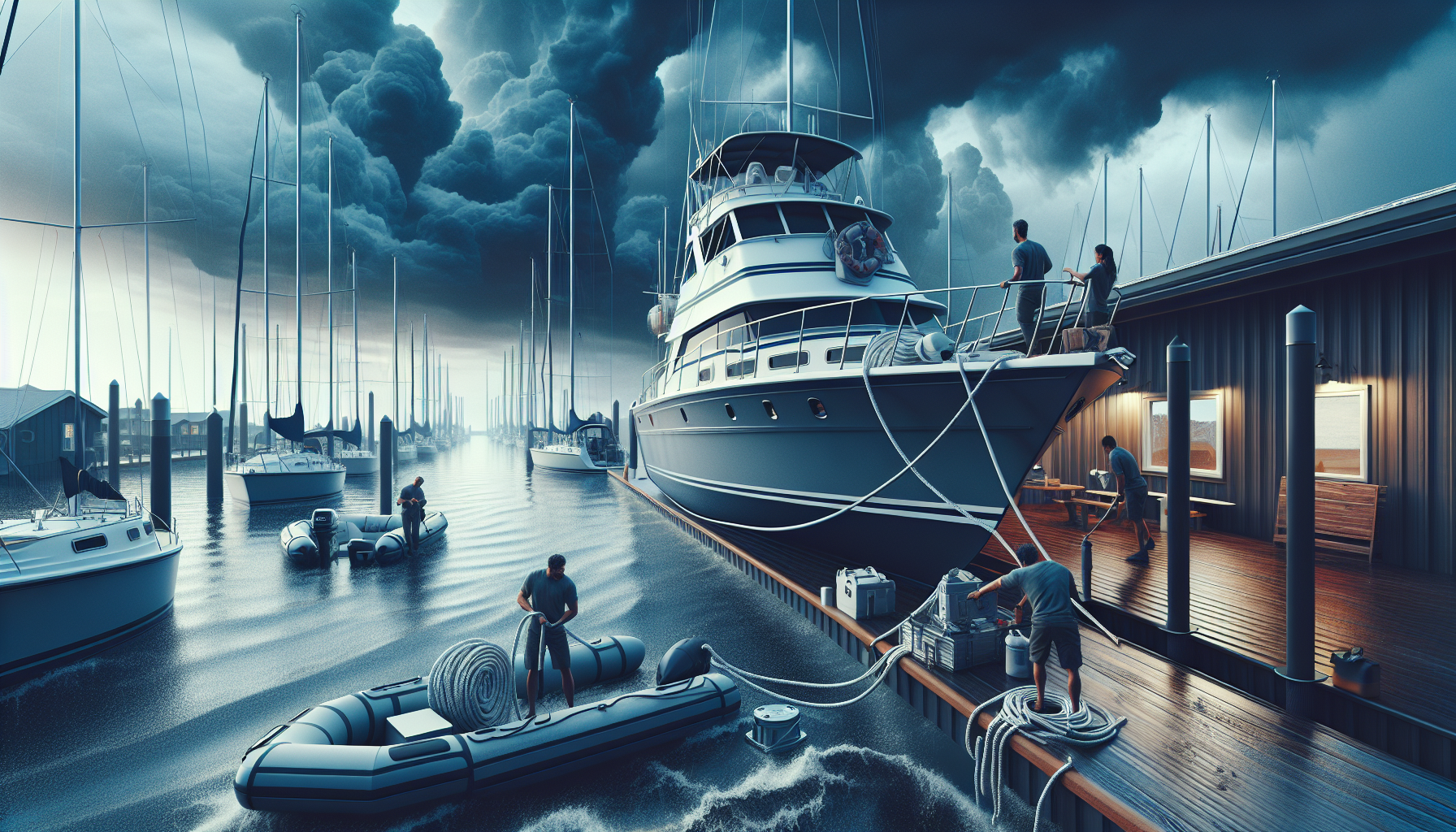
Stormy weather exposes every weakness in a boat, a crew, and a plan, which is why preparation matters far more than confidence when conditions turn ugly. In practical terms, preparing your boat for stormy weather means reducing the chance of structural damage, loss of control, flooding, electrical failure, crew injury, and poor decision-making before the first squall line appears on radar. It also means understanding which hull designs, construction methods, propulsion setups, and onboard systems perform best in rough waters, because the safest response often starts long before you leave the dock. As the hub for Best Boats for Rough Waters, this guide explains both sides of the problem: how to ready any boat for severe conditions and what boat characteristics make rough-water performance inherently better.
Boaters often treat storms as a seamanship issue alone, but in my experience, storm readiness is a systems issue. A capable skipper in an underprepared vessel is still vulnerable. The reverse is also true: a heavily built offshore boat can become dangerous if bilge pumps fail, loose gear shifts, or the weather route is poorly chosen. The U.S. Coast Guard repeatedly highlights weather, operator decision-making, and equipment readiness as overlapping risk factors in accident reporting. That overlap is the real lesson. Storm preparation is not one checklist item; it is hull suitability, maintenance discipline, weather interpretation, deck security, communication planning, and crew training working together.
Rough water itself needs a clear definition. In boating, rough water does not only mean towering ocean waves. It includes steep wind chop on inland lakes, confused inlets where tide opposes wind, breaking coastal bars, quartering seas that push a stern sideways, and thunderstorm outflows that raise waves faster than many recreational crews expect. A boat that handles long offshore swells well may pound badly in short-period chop. A boat that feels stable at anchor may broach more easily running down-sea. Understanding these differences helps boat owners choose safer platforms and prepare the right way for the conditions they actually face.
This article focuses on the practical decisions that protect boats and crews: choosing rough-water-friendly designs, inspecting critical systems, securing the vessel, planning a weather window, and responding correctly if a storm catches you. Use it as a starting point for deeper articles on offshore center consoles, pilothouse boats, seaworthy trawlers, heavy-weather sailboats, bilge systems, marine electronics, and storm mooring methods across the broader Best Boats & Reviews library.
What Makes a Boat Better for Rough Waters
The best boats for rough waters share a set of design traits that reduce slamming, preserve directional control, shed water quickly, and keep propulsion available when conditions deteriorate. Hull shape is the first factor. Deep-V hulls, often with deadrise above 20 degrees at the transom, generally deliver a softer ride in chop because they cut through waves rather than slap across them. Many respected offshore center consoles from builders such as Boston Whaler, Grady-White, Regulator, and Contender use this formula. The tradeoff is that deeper-V hulls can be less efficient at rest and may require more horsepower to perform well.
Weight and construction quality matter just as much as hull geometry. Heavier boats with solid laminates, reinforced stringer grids, and carefully bonded deck structures often feel more composed in a head sea because momentum helps them avoid being thrown around by every crest. That does not mean heavier is always safer; excess weight poorly distributed can worsen trim and fuel burn. What matters is structural integrity and balance. Boats intended for rough service typically show stronger hardware backing plates, better hatch seals, robust scuppers, and higher freeboard forward. You see these features in offshore pilothouse boats from Parker, Steiger Craft, and NorthCoast, where cockpit drainage and weather protection are central to the design.
Another overlooked factor is helm visibility and crew shelter. In true storm preparation, a boat that allows the operator to stay dry, warm, and focused has a meaningful safety advantage. That is why enclosed pilothouse models, cabin boats, and some expedition trawlers remain popular in cold or exposed waters. Fatigue accumulates quickly when wind-driven spray, low temperatures, and constant impact wear down the operator. The best rough-water boats reduce that fatigue through suspension seating, secure handholds, windshield protection, and layouts that let crew move safely while braced.
| Boat type | Why it works in rough water | Main limitation |
|---|---|---|
| Offshore center console | Deep-V hull, high speed, strong fishability, modern outboard redundancy | Less crew shelter in cold or prolonged storms |
| Pilothouse boat | Protected helm, solid visibility, safer movement in bad weather | Heavier profile and sometimes higher windage |
| Heavy-displacement trawler | Predictable motion, long range, enclosed systems | Slower speed limits weather avoidance options |
| Bluewater sailboat | Efficient offshore passage-making, self-righting design, storm canvas options | Demands sail-handling skill and route planning |
For inland boaters, rough-water capability can also come from practical proportions rather than offshore pedigree alone. Multi-species aluminum boats on big northern lakes, for example, often use sharper entries, higher bows, and welded construction to handle sudden whitecaps better than flat-bottom utility boats. The point is simple: the best boat for rough waters is not one universal model. It is the boat whose design matches your region, wave pattern, operating season, and tolerance for exposure.
Pre-Storm Inspection: Systems That Must Work Without Debate
When I prepare a boat for threatening weather, I start with the systems that prevent a manageable problem from becoming an emergency. Bilge pumping capacity comes first. Every pump should be tested manually and through its float switch, with discharge hoses checked for kinks, leaks, and anti-siphon protection where required. Many owners assume a pump that spins is a pump that protects them. It is not. Debris-clogged strainers, undersized wiring, weak batteries, and corroded connectors are common failure points. ABYC electrical guidance exists for a reason: critical circuits on boats live in wet, vibrating, corrosive environments, and marginal installations fail under load.
Batteries and charging systems deserve the same scrutiny. A storm often creates stacked electrical demand: navigation lights, chartplotter, VHF, radar, autopilot, washdown use, bilge pumps, and possibly a windlass. If battery terminals are loose or sulfated, voltage can collapse when you most need communication and dewatering. Check resting voltage, charging output, and battery switch function. On outboard boats, confirm each engine can charge independently and that emergency paralleling works. On inboard boats, inspect belts, alternators, raw-water strainers, and hose clamps. A fifteen-minute dockside check is cheaper than troubleshooting in six-foot seas.
Steering, throttle, and shift controls must be crisp and predictable. Hydraulic steering leaks, sticky mechanical cables, or delayed electronic throttle response are unacceptable in heavy weather because wave timing matters. You may need immediate power to climb a face, avoid surf in an inlet, or keep the bow from falling off. Inspect steering rams, helm fluid levels, tie bars on twin engines, and any sign of corrosion at pivot points. If the boat has trim tabs, test them under power before the forecast worsens. Proper tab use can soften the ride and improve visibility, but asymmetrical deployment in a following sea can create handling surprises, so both function and operator familiarity matter.
Do not ignore hull and deck openings. Leaking hatches, cracked portlight seals, failed livewell drains, and poorly bedded hardware are classic storm vulnerabilities. Water enters from above long before a crew notices it below. Inspect anchor locker drains, scuppers, cockpit sole hatches, transom doors, and deck plate O-rings. Offshore, I prefer every loose opening either positively latched or intentionally disabled if not needed. A single unsecured hatch can flood gear lockers, short electrical runs, and shift stored weight in ways that make the boat less stable.
Securing the Boat, Deck, and Crew Before Conditions Deteriorate
Once the systems are confirmed, the next job is reducing movement. In rough weather, loose gear is not merely inconvenient; it becomes impact hazard, obstruction, and trim problem at once. Secure coolers, tackle trays, dive tanks, spare anchors, batteries in portable boxes, and anything stored under leaning posts or berth cushions. Heavy items should be low and centered where possible. On trailerable boats, I have seen storm-related handling improve noticeably simply by relocating dense gear out of the bow and preventing side-to-side shifting in quartering seas. Weight distribution changes how a boat lands and how quickly it recovers.
On deck, clear unnecessary canvas and removable equipment. Bimini tops, side curtains, cockpit enclosures, and sun shades may survive moderate use but fail dramatically in squalls, creating visibility problems and hardware damage. If a storm is expected, remove or tightly secure them while still in calm conditions. Check rail-mounted accessories, outriggers, rods, and deck chairs. Anything that catches wind raises loads on mounts and fasteners. If the boat will remain at a dock, double up lines with chafe protection, increase fender coverage, and account for surge and shifting wind direction rather than tying only for the current state of the marina.
Crew preparation is equally concrete. Every person aboard should know where life jackets are stored and, in deteriorating weather, wear them early rather than after panic starts. Inflatable PFDs are popular, but verify service dates, cylinder status, and whether they are approved for the intended use. Assign roles plainly: one person handles lines, one monitors weather and traffic, one stays available to assist the helm. Seasickness prevention also belongs here. In rough conditions, an incapacitated crew member is a safety issue, not a comfort issue. Use preventive medication according to label directions before departure if anyone is susceptible.
Communication gear should be within reach and ready. A fixed-mount VHF with Digital Selective Calling tied to an MMSI and GPS position is far more valuable than a phone once range and wet conditions become factors. A charged handheld VHF adds redundancy. For offshore work, an EPIRB or personal locator beacon is not optional in a best-practice setup. Storms compress timelines. When things go wrong, devices that transmit your position directly save minutes that rescuers cannot give back.
Weather Planning, Routing, and Go or No-Go Decisions
The smartest storm preparation often ends with not leaving. Good operators build decisions from multiple weather sources, not a single app screenshot. Use NOAA marine forecasts, buoy observations, radar, wind models, and local knowledge about tide-against-wind trouble spots. On the Great Lakes, for example, a modest forecast can still produce punishing square waves because fetch and basin shape create steep intervals. Along inlets on the U.S. East Coast, outgoing tide against strong onshore wind can turn an ordinary bar crossing into a breaking hazard. Conditions are local, and wise skippers plan for the worst segment of the route, not the easiest.
Set objective limits before departure. These might include maximum sustained wind, gust spread, wave height, wave period, thunderstorm probability, visibility, and fuel reserve. Written limits reduce the temptation to rationalize. I recommend especially watching wave period relative to boat length. A six-foot swell at ten seconds is a different ride from six feet at four seconds. Short-period chop causes pounding, crew fatigue, and hardware stress faster than many forecast summaries imply. Radar trends matter too. Summer storms often accelerate or split, and route choices that looked safe an hour earlier can close quickly.
If you must move a boat ahead of weather, route for shelter options. Identify marinas, protected coves, commercial harbors, or lee shore avoidance points in advance. Keep paper charts or downloaded chart layers available in case connectivity drops. Fuel management should follow the one-third principle at minimum for exposed runs: one-third out, one-third back, one-third reserve, adjusted upward when head seas or rerouting are likely. Storm operation burns more fuel because throttle changes, lower trim efficiency, and detours all add consumption. Running a tank near empty in rough water also risks stirring contaminants that clog filters.
How to Handle the Boat if a Storm Catches You
If a storm arrives before you are clear, the first priority is keeping the boat under control without overdriving the hull. Slow down enough to prevent launching and slamming, but keep enough power to maintain steering authority. In head seas, take waves at an angle when practical and use throttle to meet the face, then ease off over the crest. In following seas, avoid surfing too fast down the wave face, where the bow can stuff and the stern can yaw. Quartering seas are often the hardest because they combine roll and directional instability; small helm inputs and disciplined speed management matter more than dramatic corrections.
Trim settings should support visibility and hull balance. Outboards or sterndrives are commonly trimmed in to keep the bow from rising excessively in chop, while tabs are used conservatively to level lateral list. In a following sea, many operators reduce tab use to avoid forcing the bow down. There is no universal setting because hulls differ, but the rule is universal: make small changes and observe the response over several wave sets. Storm handling is not about forcing the boat flat; it is about preserving predictable motion and keeping the propeller engaged.
Keep the crew seated low, inside handholds, and away from the bow. Close doors, latch hatches, and monitor bilge activity if safe to do so. If lightning is present, reduce contact with metal surfaces and focus on navigation and avoiding collision; there is no magic boating posture that eliminates lightning risk. If visibility collapses in rain, use radar if equipped, sound signals as required, and be realistic about whether holding position in safer water is better than pressing on blind. The best outcome in many storms comes from patience, not bravado.
Conclusion: Build a Boat, a Checklist, and a Mindset for Heavy Weather
Preparing your boat for stormy weather starts well before the forecast turns threatening. Choose a boat designed for the water you actually run, with the hull form, construction quality, freeboard, drainage, and shelter that make rough-water operation safer. Then maintain the systems that matter most under stress: bilge pumps, batteries, steering, engines, communications, and watertight seals. Secure gear, brief the crew, set objective weather limits, and know the sheltered alternatives on your route. These steps are what separate controlled discomfort from genuine emergency.
As a hub for Best Boats for Rough Waters, this guide should help you evaluate both vessel choice and seamanship practice together, because one without the other is incomplete. The main benefit is simple: better preparation gives you more options, and options are the real currency of safety on the water. Review your boat this week, tighten your storm checklist, and continue with the related articles in Best Boats & Reviews to compare the rough-water boats, gear, and systems that fit your boating style.
Frequently Asked Questions
What should I check first when preparing my boat for stormy weather?
Start with the basics that keep the boat floating, maneuverable, and controllable. Inspect the hull, deck fittings, hatches, portlights, rails, cleats, and through-hulls for anything loose, cracked, corroded, or poorly sealed. Storm conditions put extreme pressure on weak points, so a minor leak in calm weather can become a major flooding problem when the boat is pounding into waves or taking spray over the bow. Check bilge pumps, float switches, alarms, and manual pumping capability to make sure water can be removed quickly if it gets aboard. Batteries should be fully charged, secured in place, and able to support essential electronics, pumps, and communications if the engine is off or the charging system fails.
Next, focus on propulsion, steering, and fuel systems. Confirm the engine starts reliably, cooling water is flowing properly, belts and hoses are in good condition, and fuel filters are clean with spares onboard. On outboard-powered boats, make sure the mounting hardware, fuel lines, and emergency shutoff lanyard are all in proper shape. Steering cables, hydraulic steering components, rudder linkages, and emergency steering gear should also be inspected because loss of steering in rough weather can escalate quickly. Finally, secure loose gear inside and outside the boat, review the weather forecast and your escape options, and make sure every crew member knows where life jackets, flares, radios, and emergency equipment are located. Good storm prep begins long before the wind builds.
How do I secure gear and prepare the deck so nothing becomes dangerous in heavy seas?
Anything not secured can become a hazard in stormy weather. On deck, remove or firmly lash down coolers, fishing gear, cushions, life rings, spare anchors, jerry cans, and any portable equipment. A loose object can damage the boat, block a scupper, injure a crew member, or go overboard and tempt someone into making a dangerous retrieval attempt. Canvas, bimini tops, dodgers, cockpit enclosures, and covers should be taken down or tightly secured if they are not designed for heavy weather, because wind can tear them apart and create drag, noise, visibility issues, and structural damage. Anchor rodes, dock lines, fenders, and sails should be flaked, bagged, tied, or stowed so they cannot foul feet, winches, propellers, or drains.
Inside the cabin, lock drawers, latch lockers, secure galley items, and make sure batteries, tools, spare parts, and heavy equipment cannot shift when the boat rolls or slams. Pay special attention to fire extinguishers, gas bottles, emergency beacons, and medical kits so they remain accessible. If your boat has offshore berths, lee cloths, or handholds, verify they are ready to use. The goal is not just tidiness; it is damage control and crew safety. In rough conditions, movement becomes difficult, visibility drops, and reaction time shrinks. A well-secured boat is easier to manage, safer to move around on, and less likely to suffer preventable failures during the worst part of the storm.
What safety equipment is most important to have ready before a storm hits?
Personal flotation devices for every person onboard come first, and they should be worn early, not just carried. In deteriorating conditions, crews should also have access to harnesses, tethers, jacklines where appropriate, exposure protection, whistles, lights, and non-slip footwear. Beyond wearable gear, you need reliable communication and signaling equipment. That includes a fixed-mount VHF radio, a handheld backup VHF if possible, fully charged batteries, distress flares, an EPIRB or personal locator beacon where appropriate, navigation lights, and a functioning horn. Storms often bring reduced visibility, electrical interference, and rapidly changing traffic situations, so redundant communication and signaling matter more than many boaters realize.
Damage-control gear is just as important as lifesaving gear. Keep manual and electric bilge pumps operational, carry spare fuses, a flashlight or headlamps, emergency plugs for through-hulls, basic tools, spare hose clamps, rigging knives, duct tape, and repair materials that match your boat’s systems. If your vessel has sails, storm sails or reefing systems should be ready and understood before they are needed. If it is a powerboat, sea anchors, drogues, or extra dock lines may be part of your heavy-weather plan depending on boat type and operating area. Most importantly, the crew should know how to use all of it. Equipment only helps if people can find it quickly, operate it correctly, and stay calm enough to use it under pressure.
How do hull design, boat type, and onboard systems affect storm preparation?
Not every boat responds to bad weather the same way, which is why storm preparation must be tailored to the vessel. A deep-V powerboat may handle chop differently than a flat-bottom skiff, a displacement trawler behaves differently from a planing hull, and a heavy offshore sailboat has different strengths and limitations than a lightweight coastal cruiser. Hull shape affects pounding, roll motion, spray, tracking, and how efficiently the boat can hold course in head seas, following seas, or beam seas. Freeboard, cockpit drainage, ballast, keel design, and rudder configuration all influence how the boat behaves when conditions worsen. Understanding your particular boat’s tendencies helps you make better decisions about speed, heading, weight distribution, and whether to run for shelter, heave to, drift under control, or ride out conditions in place.
Onboard systems matter just as much. Boats with inboard engines may have more protected propulsion systems but also rely heavily on cooling, fuel delivery, and electrical support. Outboard boats may be mechanically simpler in some ways but can be more exposed to steep seas, fuel contamination, and trim-related handling issues. Electrical systems should be evaluated for water resistance, battery redundancy, and critical loads such as pumps, radios, GPS, and navigation lights. If your boat has trim tabs, windlass systems, autopilot, radar, or chartplotters, know what happens if any of them fail. Strong storm preparation means identifying your boat’s likely failure points and compensating for them before weather arrives. Confidence should come from understanding the platform, not from assuming all boats can take the same punishment.
What is the best crew plan for handling stormy weather safely?
The best crew plan is simple, clear, and established before stress sets in. Assign roles in advance so everyone knows who is responsible for navigation, communications, lookout duties, bilge checks, sail handling or throttle management, and emergency gear. Review man-overboard procedures, radio channels, life jacket rules, and what to do if someone is injured or the skipper becomes incapacitated. If children or inexperienced passengers are onboard, give them specific instructions such as where to sit, what to hold, and when not to move. In a storm, confusion is a force multiplier. Clear expectations reduce hesitation and help prevent poor decisions made in panic or fatigue.
Good crew management also means pacing people and maintaining situational awareness. Rotate tasks when possible, monitor for seasickness and cold stress, keep hydration and communication going, and avoid unnecessary movements on deck. The skipper should continue evaluating escape routes, nearest shelter, sea room, traffic, changing forecast data, and the physical condition of the crew. If conditions are stronger than expected, the smartest move is often to slow down, simplify operations, and make conservative decisions early rather than trying to push through. Storm preparation is not only about hardware and seamanship; it is also about leadership. A prepared crew that understands the plan, trusts the process, and responds calmly is one of the biggest safety advantages any boat can have.