Hybrid boats are rapidly moving from niche experiments to practical vessels that define the future of sustainable boating. In the marine industry, a hybrid boat combines two power sources, usually an internal combustion engine and an electric motor paired with batteries, to reduce fuel use, emissions, noise, and operating cost without sacrificing range. As a sub-pillar within Best Boats & Reviews, this guide to the best electric and eco-friendly boats explains how hybrid propulsion works, where it performs best, which boat categories benefit most, and what buyers should evaluate before investing. I have tested electric tenders, reviewed parallel-hybrid cruisers, and interviewed builders navigating stricter emissions rules, and one conclusion is clear: boat electrification is no longer speculative. It matters because marinas are tightening environmental standards, fuel prices remain volatile, lithium battery performance is improving, and boaters increasingly want cleaner experiences on lakes, rivers, harbors, and near-shore routes. Sustainable boating now includes full-electric dayboats, solar-assisted catamarans, hybrid yachts, low-emission outboards, regenerative systems, recyclable materials, and smarter energy management. Understanding this category helps buyers choose a vessel that fits real usage instead of marketing promises. The right hybrid or electric boat can lower wake-area noise, cut local pollution, simplify maintenance, and open access to environmentally sensitive waterways while preserving the convenience and safety that mainstream recreational boating demands today.
What Hybrid Boats Are and Why They Matter
A hybrid boat uses multiple propulsion and energy systems in one platform. The most common arrangement is a diesel or gasoline engine integrated with an electric motor, battery bank, inverter, charger, and control software. In a parallel hybrid, the engine and motor can each drive the propeller shaft. In a serial hybrid, the combustion engine mainly generates electricity while electric motors provide propulsion. Some systems add solar panels, shore power charging, or hydrogeneration from freewheeling propellers under sail. The point is not novelty; it is efficiency across different operating conditions. Electric torque is excellent for low-speed maneuvering and harbor cruising, while combustion engines still provide high-speed range and easier refueling on longer passages.
This matters because marine engines operate in environments where inefficiency is expensive and visible. Idling through no-wake zones wastes fuel and creates noise where people notice it most. On inland lakes and protected coastal areas, local emissions and sheen on the water directly affect user experience and regulation. Hybrid propulsion addresses those pain points better than conventional engines alone. Builders such as Greenline Yachts, Silent Yachts, Nimbus, and Axopar have helped normalize electrified options, while companies including Torqeedo, Volvo Penta, Mercury, ePropulsion, and Yamaha are expanding electric and integrated control systems. The best electric and eco-friendly boats are not all pure-electric; many of the strongest real-world solutions are hybrid because they bridge today’s charging limits with tomorrow’s cleaner propulsion goals.
How Hybrid Propulsion Works in Real Use
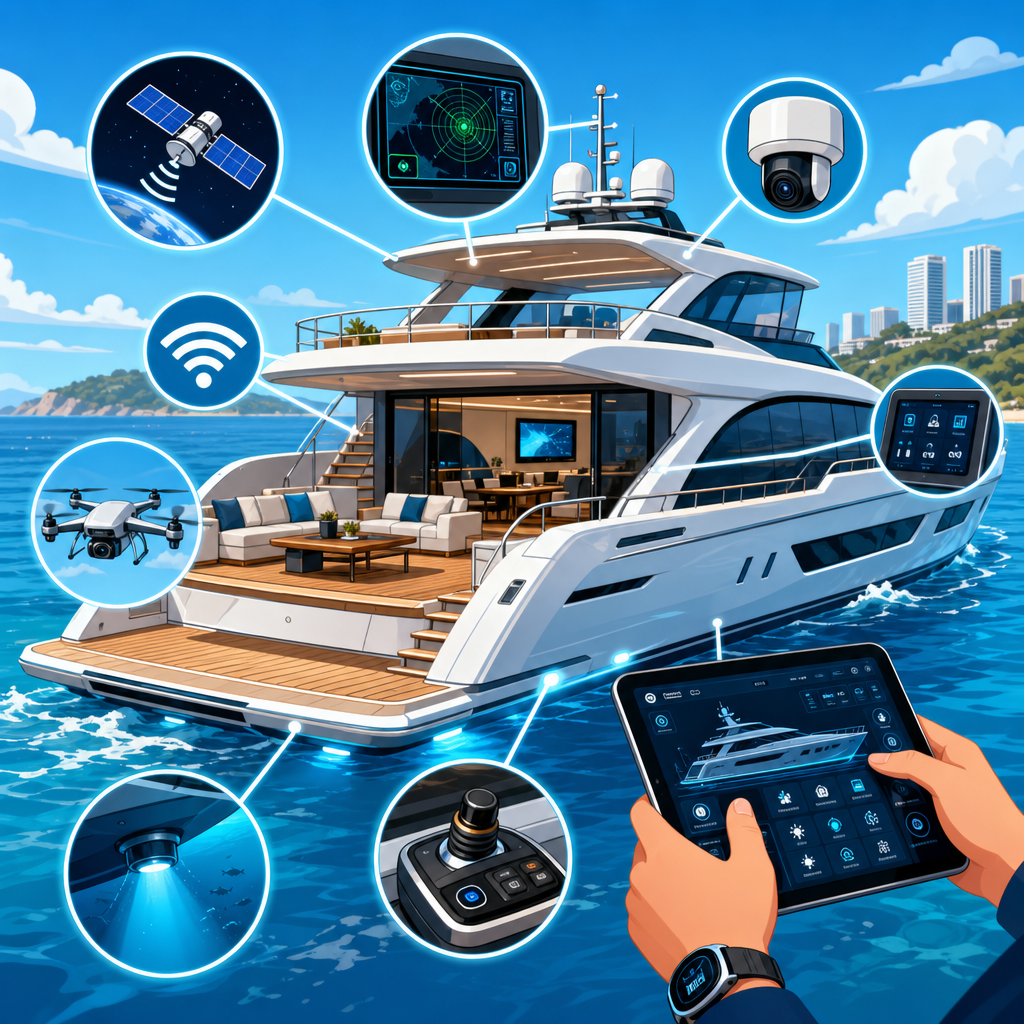
To evaluate hybrid boats intelligently, buyers need to understand the operating modes. In electric-only mode, the battery powers the motor for silent cruising, docking, canal travel, or early-morning departures. In engine mode, the vessel runs like a conventional boat for speed or extended distance. In boost mode, some systems combine engine and motor output for acceleration or load handling. In charging mode, shore power replenishes batteries in the marina, while onboard generators or the main engine can recharge them underway. Energy management software decides when to draw from batteries, when to protect reserve capacity, and when to prioritize hotel loads such as refrigeration, navigation electronics, air conditioning, and lighting.
On sea trials, the practical advantage appears at low and medium speeds. A family cruiser leaving a marina can move silently for the first mile, then switch to diesel for a longer coastal run. A tour operator can spend hours on electric power in a protected bay, preserving wildlife viewing conditions, then rely on fuel power to reposition. Sailing catamarans with hybrid support can regenerate limited energy while under sail and reduce generator dependence at anchor. The tradeoff is complexity. Hybrid systems add components, weight, thermal management needs, and software dependency. They work best when matched to a clear operating profile, not when purchased purely for image.
Best Electric and Eco-Friendly Boats by Category
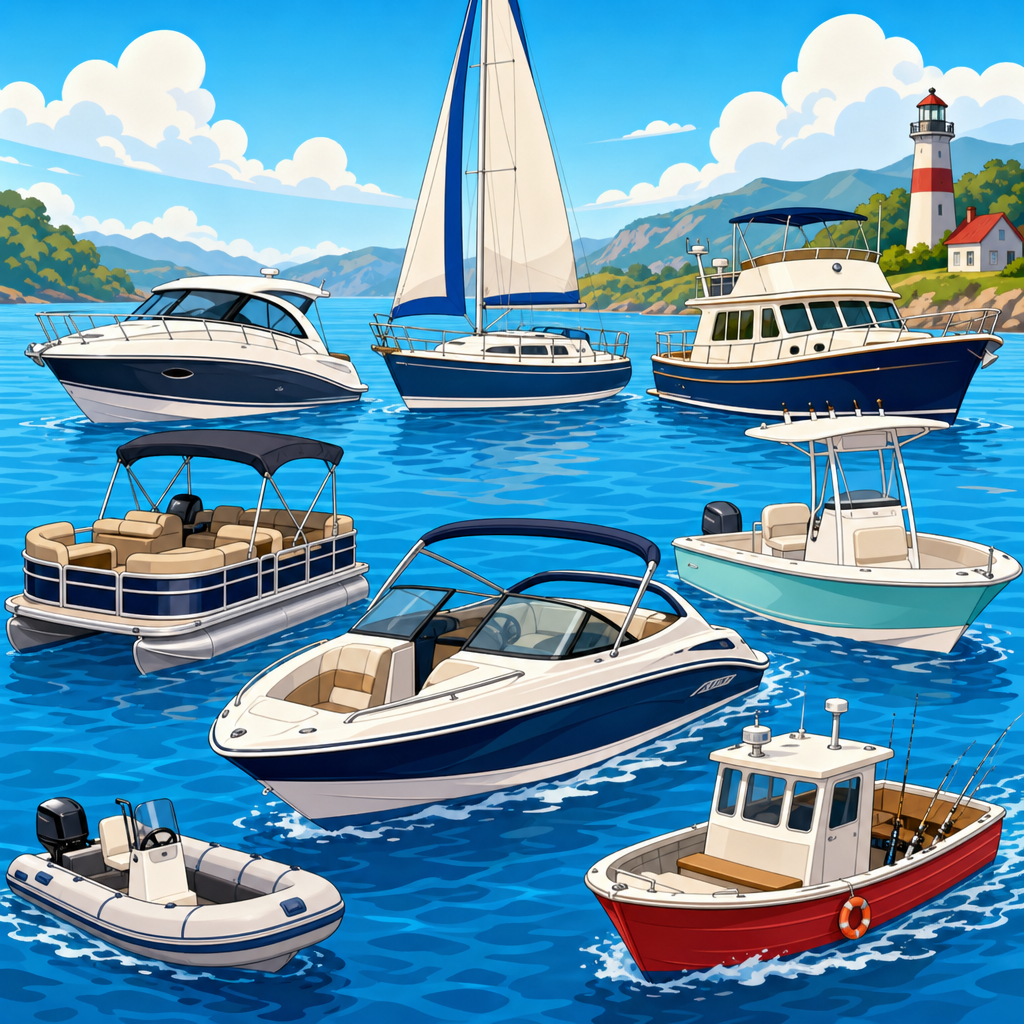
The best electric and eco-friendly boats vary by use case. Electric tenders and small runabouts are the most mature segment because short trips, predictable charging, and lighter hulls play to battery strengths. Brands such as Candela, Vision Marine, X Shore, and RAND have shown that premium electric dayboats can deliver strong acceleration, elegant control interfaces, and low operating noise. For lake homes, yacht clubs, and resort operations, this category is already practical.
Hybrid cruisers are often the smartest choice for mixed use. Greenline built its reputation on diesel-electric cruising layouts that let owners leave and enter ports on electric power, then cruise longer distances conventionally. This format suits couples and families who want sustainability gains without range anxiety. Commercial passenger craft, ferries, and harbor workboats are also advancing quickly because fixed routes simplify charging and fuel savings are easier to measure across high annual hours.
Solar-electric catamarans deserve separate attention. Builders like Silent Yachts have demonstrated the appeal of wide roof surfaces covered in panels, large battery banks, and efficient multihull forms. In bright climates and moderate-speed cruising, these boats can dramatically reduce generator time. They are not magic: weather, speed, and hotel loads still govern performance. But as integrated energy platforms, they represent one of the clearest visions of sustainable boating available today.
| Boat type | Best use case | Main advantage | Primary limitation |
|---|---|---|---|
| Electric tender/dayboat | Short lake, harbor, resort trips | Silent, low maintenance, easy charging | Limited range at higher speeds |
| Hybrid cruiser | Mixed day and weekend coastal use | Electric maneuvering plus fuel backup | Higher system complexity |
| Solar-electric catamaran | Slow to moderate extended cruising | Excellent efficiency and large energy surface | High upfront cost |
| Electric ferry/workboat | Fixed commercial routes | Measurable operating savings | Charging infrastructure requirements |
Battery Technology, Charging, and Range Expectations
Battery chemistry determines whether an eco-friendly boat feels liberating or restrictive. Most serious electric and hybrid boats now use lithium-ion packs, especially lithium iron phosphate in applications that value thermal stability and long cycle life. Energy density still trails liquid fuel by a wide margin, which is why speed and hull efficiency matter so much. A heavy planing boat pushed fast through chop will drain batteries quickly; a slender displacement hull can travel far more efficiently on the same stored energy. This is the central truth buyers must accept: in boating, range is primarily a function of drag, speed, displacement, and weather, not just battery size.
Charging also shapes ownership satisfaction. Level 2 AC charging is common for smaller craft at marinas and homes, while larger vessels increasingly need higher-power AC or DC fast charging to turn around quickly. Not every marina is ready. Shore power pedestal condition, amperage, local electrical upgrades, cable management, and billing systems all matter. I have seen excellent boats underperform commercially because operators assumed charging access would be easy. It rarely is without planning. Buyers should ask for real consumption curves in kilowatt-hours per nautical mile at several speeds, reserve policies, charge times from 20 to 80 percent, and battery warranty terms expressed in years and throughput. Those numbers are more useful than top-speed claims.
Environmental Benefits and the Real Limitations
The environmental case for hybrid boats is strong but should be discussed honestly. Electric propulsion eliminates tailpipe emissions at the point of use, reducing nitrogen oxides, particulate matter, and hydrocarbon discharge in local waterways. It also cuts noise pollution significantly, which improves comfort for passengers, marina neighbors, anglers, and wildlife observers. Hybrids reduce fuel burn, especially during low-speed operation where combustion engines are least efficient. For charter fleets or ferries that log many hours, the cumulative reduction can be substantial.
Still, sustainability depends on the full system. Battery manufacturing has material and energy impacts. Grid electricity may come from cleaner or dirtier sources depending on region. Large battery packs add embodied carbon and eventual recycling needs. Hybrid boats also retain engines, fuel systems, and maintenance demands, even if used less frequently. Hull design and operating behavior often influence environmental outcomes as much as propulsion type. A lightweight efficient boat run moderately can be cleaner overall than a heavy luxury platform marketed as green but pushed hard at speed. The best electric and eco-friendly boats pair cleaner propulsion with efficient naval architecture, durable materials, sensible onboard loads, and realistic owner expectations.
Costs, Maintenance, and Ownership Decisions
Purchase price remains the biggest barrier. Hybrid and electric boats usually cost more upfront because batteries, power electronics, integrated software, and specialized engineering are expensive. However, operating expenses can be meaningfully lower. Electric motors have fewer moving parts than internal combustion engines, no oil changes, and less vibration-related wear. Regenerative systems and smart load management can reduce generator hours. In fleets, where utilization is high and fuel budgets are visible, the payback case is strongest. Private owners need a more nuanced calculation based on annual hours, fuel costs, marina charging rates, maintenance access, and resale confidence.
Maintenance is not zero. Batteries require thermal monitoring, proper charging practices, firmware support, and eventual capacity planning. Corrosion protection remains essential because marine environments are unforgiving to high-voltage components and connectors. Service networks matter enormously. Before buying, confirm who will troubleshoot the system two seasons from now, whether remote diagnostics are available, and how replacement modules are sourced. Established suppliers with marine-specific support usually justify their premium. Smart buyers also examine insurance implications, fire suppression standards, and surveyor familiarity. A greener boat is only a better boat when its support ecosystem is mature enough to keep it reliable.
How to Choose the Right Sustainable Boat
Start with your real boating pattern, not aspirational cruising plans. List your average trip length, top speed needs, docking setup, passenger load, climate, and access to charging. If most outings are under 20 nautical miles with home or marina charging, a full-electric dayboat may be ideal. If you cruise weekends, face uncertain infrastructure, or need range flexibility, a hybrid cruiser is usually the better answer. For expedition-style use, current technology still favors highly efficient diesel platforms with selective electrification for hotel loads and low-speed operation.
Sea trials should include more than a quick acceleration run. Test low-speed handling, helm interface clarity, transition between modes, regenerative performance if applicable, and real energy consumption. Ask for battery placement diagrams, weight distribution details, and emergency isolation procedures. Review build quality around cable runs, ventilation, waterproofing, and service access. As this Best Boats & Reviews hub expands, buyers should use it to compare electric propulsion systems, solar-assisted layouts, battery safety standards, and category-specific reviews. Sustainable boating is no longer one product type; it is an evolving decision framework. Choose the boat that fits your waters, usage, and infrastructure, then use this hub to go deeper into the best electric and eco-friendly boats for your next purchase.
Hybrid boats represent the most practical bridge between conventional propulsion and a cleaner marine future. They deliver clear benefits today: quieter departures, lower fuel consumption, reduced local emissions, and more flexible energy management. Pure-electric boats already excel in tenders, lake craft, harbor shuttles, and premium dayboats, while hybrid cruisers and solar-electric multihulls expand what sustainable boating can realistically cover. The key takeaway is simple: the best electric and eco-friendly boats are not defined by marketing labels but by how well their propulsion, hull design, battery capacity, charging access, and support network match your actual use. Buyers who focus on those fundamentals make better long-term decisions and avoid disappointment.
If you are researching your next boat, use this hub as your starting point and compare categories before comparing brands. Narrow your needs, study range data, verify charging and service support, and prioritize efficiency over headline speed. Sustainable boating is becoming more capable every season, and hybrid boats are leading that transition in the real world. Explore the related reviews and guides in Best Boats & Reviews to find the right electric or hybrid model for your water, budget, and boating style.
Frequently Asked Questions
What is a hybrid boat, and how does hybrid propulsion work?
A hybrid boat is a vessel that uses two integrated power sources instead of relying on a single engine alone. In most modern marine applications, that means a conventional internal combustion engine works alongside an electric motor and a battery bank. The system is managed by onboard controls that determine when to use electric-only power, engine power, or a combination of both, depending on speed, range requirements, battery state, and operating conditions.
In practical terms, hybrid propulsion allows a boat to run quietly and efficiently at low speeds under electric power, which is especially useful for harbor maneuvering, inland cruising, wildlife-sensitive areas, and short day trips. When higher speeds or extended range are needed, the combustion engine can take over or assist the electric motor. Some systems also recharge batteries while the engine is running, while plug-in hybrid designs can be charged from shore power before departure.
The biggest advantage is flexibility. Owners get many of the benefits associated with electric boating, such as lower noise, reduced emissions, and lower fuel consumption, without giving up the range and confidence that traditional engines provide. That balance is exactly why hybrid boats are increasingly viewed as a practical bridge between conventional fuel-powered vessels and fully electric boats.
Why are hybrid boats considered important for the future of sustainable boating?
Hybrid boats are considered a major step forward because they address the marine industry’s biggest sustainability challenge: reducing environmental impact without compromising usability. Fully electric boats are extremely promising, but battery limitations, charging infrastructure, and range constraints can still be obstacles for many owners and use cases. Hybrid boats help solve that problem by cutting emissions and fuel burn today while still delivering the range and operational flexibility people expect on the water.
From a sustainability standpoint, hybrid propulsion reduces reliance on fossil fuels by shifting part of the workload to electric power. That translates into lower greenhouse gas emissions, especially during low-speed cruising where combustion engines are often least efficient. Hybrid systems also dramatically reduce engine idling, which is important in marinas, no-wake zones, and near shorelines where air quality and noise matter most.
Another reason hybrid boats matter is that they support a more realistic transition for the broader boating market. They allow manufacturers, marina operators, and boaters to adopt cleaner technologies incrementally rather than waiting for every route, vessel type, and infrastructure network to become fully electric-ready. In that sense, hybrid boats are not just a compromise; they are a scalable, practical pathway toward cleaner and more responsible recreational and commercial boating.
What are the main benefits of owning a hybrid boat compared with a traditional gas or diesel boat?
The most immediate benefit of a hybrid boat is improved efficiency. By using electric propulsion at low speeds and reserving the combustion engine for higher-demand situations, hybrid systems typically consume less fuel than traditional boats with comparable capability. Over time, that can reduce operating costs, particularly for owners who do a lot of slow cruising, docking, canal travel, or short-range trips where electric mode can be used frequently.
Noise reduction is another major advantage. Electric motors operate far more quietly than gas or diesel engines, which makes the boating experience more relaxing for passengers and less disruptive to marine life and waterfront communities. For many owners, that quietness is one of the most noticeable quality-of-life improvements, especially on leisure boats designed for cruising, fishing, or sightseeing.
Hybrid boats can also offer lower maintenance demands in certain areas because the electric motor may reduce wear on the primary engine. Depending on the system, owners may see less engine runtime, fewer idle hours, and potentially longer service intervals for the combustion side of the propulsion package. At the same time, they gain operational flexibility: silent electric power for short distances, engine-assisted range for longer runs, and more confidence than a fully electric boat may currently provide in locations with limited charging access.
Just as important, hybrid ownership aligns performance with environmental responsibility. Many buyers want to reduce their emissions and fuel use without giving up convenience or capability. Hybrid propulsion makes that possible, which is why it is increasingly appealing to boaters who care about both innovation and practicality.
Are hybrid boats a good choice for all types of boating?
Hybrid boats are a strong fit for many boating lifestyles, but they are not automatically the best option for every vessel or every owner. They tend to perform especially well in use cases that involve mixed-speed operation, such as coastal cruising, ferrying, day boating, canal travel, marina maneuvering, tourism, and inland water navigation. These scenarios allow the boat to take advantage of electric propulsion where it delivers the greatest efficiency and comfort benefits, while still keeping engine power available for longer passages or higher speeds.
They may be less compelling for owners who primarily run long distances at high speeds with minimal low-speed operation. In those cases, the combustion engine may still do most of the work, and the fuel-saving benefits of hybridization may be less dramatic. Vessel size, hull design, intended use, and charging access all play a role in whether a hybrid setup makes financial and practical sense.
That said, the technology is improving quickly. Better batteries, smarter energy management systems, and more specialized marine hybrid platforms are expanding the range of applications where hybrid propulsion makes sense. Buyers should evaluate real-world usage rather than idealized marketing claims. The best question to ask is not simply, “Is a hybrid boat better?” but rather, “Does a hybrid system match the way I actually boat?” For many owners today, the answer is increasingly yes.
What should buyers look for when comparing the best hybrid and eco-friendly boats?
Buyers should start with the propulsion system itself. Not all hybrid boats are engineered the same way, and the quality of integration between engine, motor, batteries, controls, and charging hardware matters enormously. A well-designed system should switch smoothly between power sources, deliver predictable performance, and provide clear data on battery level, energy use, charging status, and range expectations. Ease of operation is important because the best hybrid technology should simplify boating, not complicate it.
Battery capacity and charging options are also critical. Buyers should consider how long the boat can realistically operate in electric mode, how shore charging fits their marina or home dock setup, and whether onboard charging from the engine is part of the design. It is equally important to assess how the boat performs when batteries are depleted and the combustion engine is carrying more of the load.
Beyond propulsion, smart shoppers should evaluate total cost of ownership, not just purchase price. That includes expected fuel savings, maintenance requirements, battery longevity, warranty coverage, software support, and the availability of service technicians familiar with hybrid marine systems. Builder reputation matters here, because hybrid boats combine traditional marine engineering with advanced electrical systems that require dependable support.
Finally, buyers should think about the broader eco-friendly package. The best sustainable boats often go beyond hybrid propulsion and include efficient hull forms, lightweight construction, energy-saving onboard systems, solar integration, recyclable materials, and lower-impact manufacturing practices. In other words, a true eco-friendly boat is not only about what powers it, but how the entire vessel is designed to reduce waste, improve efficiency, and support a cleaner future on the water.