How to improve your boat’s performance for watersports starts with understanding what “performance” really means on the water: fast planing, steady pull, predictable handling, efficient fuel burn, and a wake or wash that matches the activity. In practical terms, a boat that performs well for watersports gets riders up quickly, holds speed accurately, turns without drama, and stays comfortable for everyone onboard. I have tested runabouts, tow boats, deck boats, pontoons, and center consoles for family tow sports, and the same pattern always appears: the best boats for watersports are not just powerful; they are balanced systems.
That matters because watersports place very different demands on a hull than cruising or fishing. Wakeboarding favors ballast, torque, and wake shaping. Waterskiing rewards flatter wakes, crisp acceleration, and exact tracking at set speeds. Tubing needs secure seating, strong low-end power, and stable handling in wider turns. Surfing requires a surfable face at lower speeds, often built with ballast, tabs, and stern design. When buyers search for the best boats for watersports, they usually focus on engine size first. Engine output is important, but propeller pitch, transom angle, weight distribution, tow point height, hull deadrise, and even onboard gear placement can change the experience more than a headline horsepower number.
This hub article explains how to improve your boat’s performance for watersports and how to choose among the best boats for watersports by activity, budget, and setup. It also connects the core factors that separate a merely capable family boat from a true tow-sports platform. If you want better hole shot, cleaner wakes, stronger rider pulls, and safer handling, these are the principles that matter most.
Start with the right hull, layout, and towing mission
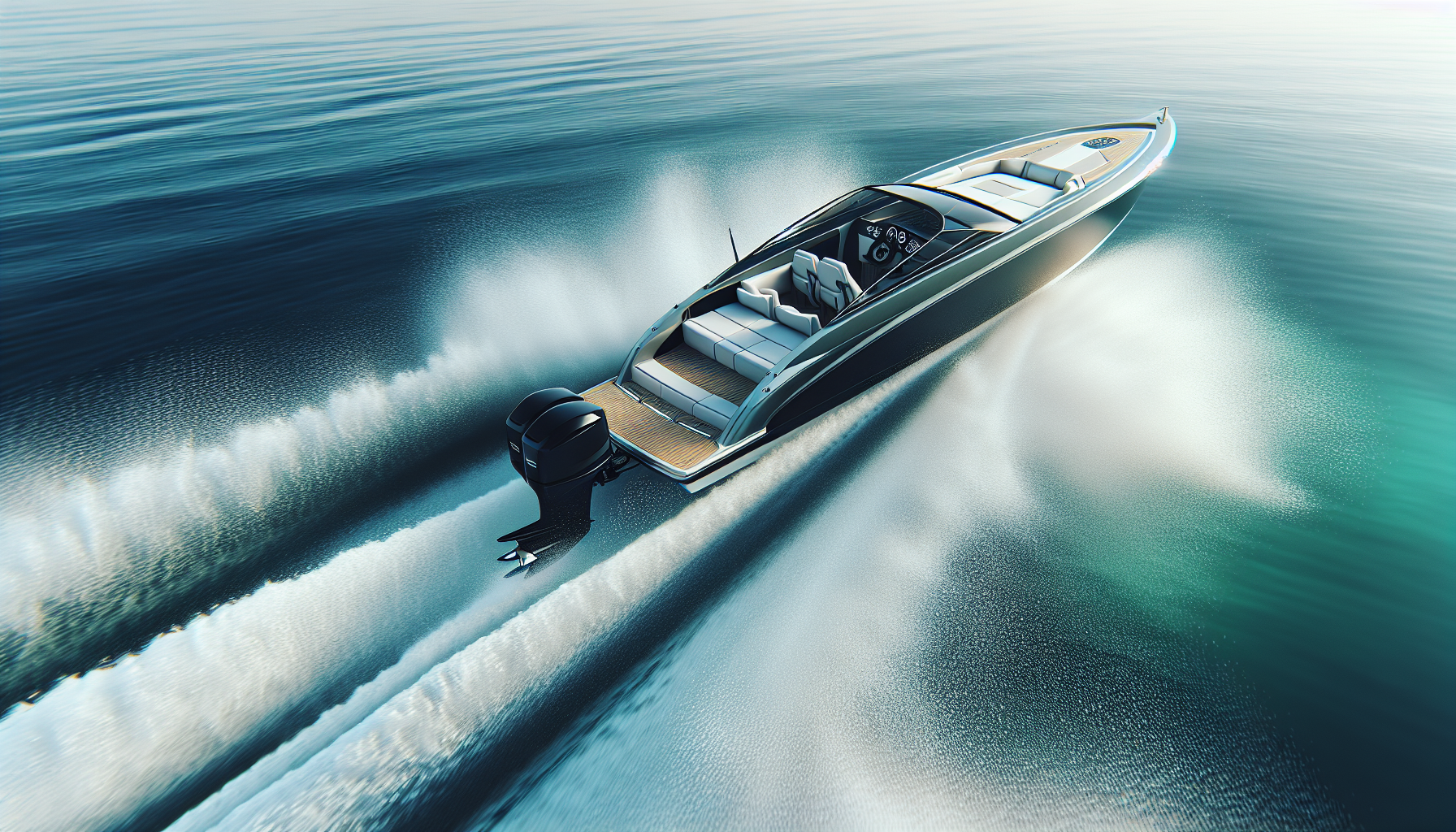
The first question is simple: what sport will the boat do most often? The best boats for watersports are mission-specific even when they look similar at the dock. Dedicated ski boats use direct-drive or V-drive inboards, relatively low freeboard, and hulls designed to minimize wake at skiing speeds around 28 to 36 mph. Wake boats use ballast systems, wake plates, surf tabs, and hull geometry that creates larger, more tunable wakes at 10 to 24 mph. Sterndrive bowriders and deck boats can tow multiple sports well, but they are compromises. They may not create the cleanest surf wave or the flattest slalom wake, yet they are often the best all-around option for families who also cruise and swim.
Hull shape drives most of the on-water behavior. A deeper-V runabout handles chop better and gives a softer ride crossing afternoon boat traffic, but it may need more power to plane and may not throw the same wake profile as a tow-specific hull. A flatter aft section can help generate lift and improve low-speed wake shape. Beam matters too. Wider boats add stability at rest and increase interior room, but beam interacts with hull form and ballast to affect wake width and rider line tension. Layout matters because passengers become movable ballast. I have watched identical boats feel completely different when six adults all sit aft on one side. One setup washed out the wake; the other produced a clean face after people were moved forward and centered.
For many buyers building a shortlist of the best boats for watersports, the practical categories are clear: tournament ski boats for slalom, wake boats for wakeboard and surf, sterndrive bowriders for mixed-family use, deck boats for passenger-heavy tubing days, and pontoons only if towing is occasional and properly powered. Center consoles can pull tubes and skiers, but they are usually not ideal if watersports are the main purpose because cockpit layout, tow geometry, and weight distribution are designed around fishing first.
Match engine torque, propeller setup, and gearing to rider load
Once the hull is right, propulsion determines how effectively the boat uses it. For watersports, torque at usable rpm matters more than top speed. Getting a rider out of the water is a hole-shot event, not a top-end contest. Inboard wake boats often excel because their marine engines and gear reductions are set up to swing larger propellers efficiently. Sterndrives can be excellent tow performers too, but only when propeller selection matches the load. Too much pitch and the engine lugs, acceleration suffers, and the boat takes longer to plane. Too little pitch and the engine may over-rev without delivering the best efficiency.
As a rule, heavier crews, high altitude, ballast, and sports that start from deep water all push owners toward lower-pitch props with more blade area. Stainless steel propellers generally hold shape better under load and can improve bite, but aluminum remains common for lower cost and easier replacement. Four-blade props often improve grip, midrange pull, and planing consistency, while three-blade props may favor top speed. In real testing, a properly matched prop can transform an average tow boat. I have seen a family bowrider shave several seconds off time-to-plane and maintain skier speed more steadily after moving to a lower-pitch four-blade prop recommended by the manufacturer’s prop chart.
High altitude deserves special attention. Naturally aspirated engines lose meaningful power as elevation rises. On mountain lakes, boats that feel strong at sea level can feel lazy and overpropped. That is why the best boats for watersports in high-altitude regions are often ordered with more horsepower than buyers initially expect, or with prop changes made immediately after delivery. Pay attention to the manufacturer’s wide-open-throttle rpm range. If the engine cannot reach that range under normal load, the setup is wrong.
| Watersport | Ideal Boat Traits | Typical Speed Range | Best Setup Focus |
|---|---|---|---|
| Slalom skiing | Flat wake, precise tracking, quick acceleration | 28–36 mph | Low wake hull, speed control, balanced passenger load |
| Wakeboarding | Ballast capability, clean wake, strong midrange torque | 18–24 mph | V-drive or tow-focused hull, ballast tuning, tower tow point |
| Wakesurfing | Surf tabs, ballast, low-speed control, safe prop location | 9–12 mph | Inboard layout, asymmetric ballast, wake shaping systems |
| Tubing | Strong hole shot, stable turns, roomy seating | 15–25 mph | Family runabout or deck boat, tow point, passenger safety |
Use weight distribution, ballast, and trim to shape acceleration and wake
Weight placement is one of the cheapest and most overlooked ways to improve your boat’s performance for watersports. Every boat has a running attitude, and small changes in weight can alter planing time, bow rise, visibility, and wake cleanliness. Moving coolers, gear bags, and passengers forward often reduces bow rise during acceleration. Shifting people side to side can clean up a wake face for wakeboarding or surfing. On stern-heavy sterndrives, excessive aft load can make the boat struggle to plane and ventilate the propeller in hard turns.
Ballast systems are central on dedicated wake boats because they intentionally add displacement to increase wake size. However, ballast is not simply “more is better.” Over-ballasting a boat beyond the manufacturer’s intended envelope can raise fuel burn sharply, increase stopping distance, swamp the swim platform area, and degrade visibility. Better results come from strategic ballast placement paired with surf tabs or wake plates. For surfing, many boats clean the wave by listing less than older setups required because modern shaping devices redirect flow instead of relying only on extreme side weight.
Trim control is equally important on sterndrive and outboard-powered tow boats. Trimming down helps the boat plane faster by pushing the bow down and increasing bite. Once on plane, slight trim adjustments can improve efficiency and fine-tune wake shape. Trim tabs add another layer by correcting list, helping slower planing, and controlling porpoising. Owners often underuse these tools. In sea trials, I routinely find that a boat described as “slow to get up” improves noticeably once load is redistributed and trim is managed correctly rather than left at a random setting.
Install speed control, tow hardware, and safety systems that actually help riders
Good watersports performance is not only about thrust and wake. It is also about repeatability. Electronic speed control systems such as PerfectPass and factory integrated tow modes are among the biggest quality-of-life upgrades available. They hold target speed more accurately than most drivers can manually, especially when the rider cuts hard and line load changes. For skiing, that means more consistent pull through the course. For wakeboarding and tubing, it reduces the annoying surge-and-drop effect that tires drivers and frustrates riders.
Tow point geometry matters more than many buyers expect. Towers raise the tow point, which can help wakeboarders and kneeboarders by changing line angle and reducing rope drag in the water. Ski pylons keep pull lower and often better suit slalom. Transom tow eyes are common for tubing but should be used exactly as rated by the manufacturer. Never improvise tow points on rails or cleats not designed for towing loads. The best boats for watersports usually include purpose-built tow hardware because sustained towing creates dynamic loads that are much higher than they appear from the cockpit.
Safety systems directly affect usable performance. Mirrors or camera systems improve driver awareness. Boarding ladders, nonskid swim platforms, and transom walkthroughs speed rider recovery and reduce chaos in the water. For wakesurfing, inboard propulsion is strongly preferred because the propeller sits under the hull instead of behind the transom. That is a major reason dedicated surf boats dominate this category. Capacity labels matter too. Exceeding passenger or weight limits can turn a capable tow boat into an unpredictable one very quickly.
Keep the boat mechanically sharp: maintenance changes performance immediately
Many owners chase upgrades when basic maintenance would deliver the bigger gain. Marine engines lose performance from neglected spark plugs, restricted fuel filters, old drive belts, contaminated fuel, and worn impellers. Sterndrives and outboards also depend on healthy lower-unit components and correct gear lube condition. A propeller with small dings can reduce efficiency and create vibration that feels like a bigger driveline issue. Bottom growth is another silent performance killer; even light fouling can reduce speed and worsen fuel economy enough to be obvious during towing.
Engine alignment, throttle response, and software updates matter on modern systems. On newer digitally controlled boats, calibration issues can affect how smoothly the boat enters a speed-hold mode or responds off idle. If the boat struggles to maintain set speed, maintenance records are as important as setup changes. I have seen “underpowered” complaints disappear after a tune-up, fresh prop repair, and correction of waterlogged gear stored permanently in lockers.
Trailer fit matters more than it seems for performance ownership. A trailer that supports the hull correctly prevents stress, keeps the bottom in better condition, and makes it easier to launch often enough to justify proper testing and adjustment. The best boats for watersports are expensive enough that preventive maintenance should be built into the buying decision, not treated as an afterthought.
Choose the best boats for watersports by use case, not marketing category
If this page is your starting point for the best boats for watersports, use a simple filter. For serious wakesurfing, choose an inboard wake boat from brands known for surf systems, ballast integration, and rider presets. Malibu, MasterCraft, Nautique, Centurion, and Supra are frequent benchmarks because they combine hull design, tabs, ballast, and software into one package. For slalom-focused families, tournament ski boats from Nautique, MasterCraft, and Malibu remain the standard because tracking and wake flatness are engineered into the hull from the start.
For mixed use, sterndrive bowriders from brands such as Sea Ray, Chaparral, Cobalt, Formula, and Regal often sit in the sweet spot. They can tow skiers, wakeboarders, and tubes while still cruising comfortably and handling chop better than many low-slung tow boats. Deck boats from Hurricane or Starcraft appeal to larger families who prioritize seating and boarding ease. If occasional tubing is the mission and comfort leads the list, a tritoon with 150 to 300 horsepower can work well, though it is rarely the first pick for serious wake sports. Outboard-powered tow-capable boats are improving, especially with digital throttle and advanced hulls, but they still need careful prop and tow-point setup to match the consistency of dedicated inboards.
The smartest way to shop is to sea trial with your real crew size, typical gear load, and target activity. Test time-to-plane, rider visibility during launch, speed-hold accuracy, recovery ergonomics, and fuel burn at actual towing speeds. Read model-specific reviews, compare wake footage, and map your needs to the boat rather than assuming the biggest engine or newest tower guarantees better results.
Improving your boat’s performance for watersports comes down to matching the hull, engine, propeller, weight distribution, and control systems to the sport you actually do. The best boats for watersports are not universally the biggest, fastest, or most expensive. They are the boats that plane quickly with your normal crew, hold exact speed, create the right wake profile, recover riders safely, and stay reliable through a long season. In practice, the biggest gains usually come from fundamentals: selecting the right hull type, dialing in prop pitch, managing ballast and passenger placement, using trim correctly, and maintaining the boat to factory standard.
As the hub for Best Boats for Watersports, this guide gives you the framework to compare ski boats, wake boats, bowriders, deck boats, and other family tow options without getting lost in marketing claims. Start by defining your main sport, then evaluate torque, wake shape, towing hardware, safety layout, and serviceability. If you do that carefully, you will choose a boat that performs better on day one and can be tuned as your riders progress. Use this hub as your launch point, then compare specific models and reviews to find the right watersports boat for your crew.
Frequently Asked Questions
What does “better performance” really mean for a boat used in watersports?
For watersports, better performance is not just about higher top speed. What matters most is how quickly the boat planes, how smoothly it delivers power, how accurately it holds a target speed, and how predictably it handles with riders in tow. A strong watersports setup should help a wakeboarder, skier, or tuber get up quickly without excessive bow rise or hesitation. It should also maintain a consistent pull so the rider is not fighting speed surges or slack in the line.
Good performance also includes efficient fuel use, comfortable onboard balance, and a wake or wash that matches the activity. For example, waterskiing typically benefits from a flatter, cleaner wake and precise speed control, while wakeboarding and wakesurfing may call for more deliberate wake shaping and ballast management. In practical terms, a well-performing boat feels easy to drive, responds cleanly in turns, stays settled with passengers onboard, and inspires confidence for both the driver and the rider. When owners focus on that complete picture rather than raw speed alone, they usually make smarter upgrades and setup decisions.
What are the most effective ways to improve hole shot and get riders up faster?
The fastest gains usually come from dialing in propeller selection, engine health, weight distribution, and trim technique. If your boat struggles to pull riders up, the prop may be the first place to look. A propeller with lower pitch often improves acceleration and pulling power, though it may reduce top-end speed. For a boat dedicated to towing skiers, wakeboarders, or tubes, that tradeoff is often worth it. Stainless steel props can also improve bite and consistency compared with aluminum, especially under load.
Weight distribution matters just as much. Too much weight aft can exaggerate bow rise and slow planing, while balanced placement helps the hull climb on plane more efficiently. Keep unnecessary gear off the boat, move passengers strategically, and avoid carrying full fuel and water loads unless needed for the day. Engine tune is another major factor. A dirty fuel system, worn spark plugs, poor compression, or an underperforming throttle linkage can make a boat feel lazy even if the engine still starts and runs. Finally, proper use of trim tabs or engine trim can dramatically improve launch behavior. In most cases, trimming in for takeoff helps the boat plane faster and gives the rider a stronger, cleaner pull from the start.
How can I make my boat hold speed more accurately while towing skiers, wakeboarders, or tubers?
Consistent speed is one of the most important parts of safe and enjoyable towing, and it often separates an average setup from a truly good one. The best solution is a dedicated speed control or tow-specific cruise system, because these systems react faster and more precisely than manual throttle adjustments. They help eliminate the constant overcorrection that happens when drivers chase speed by eye, and they are especially useful when rider load changes during starts, turns, and cuts across the wake.
If your boat does not have electronic speed control, you can still improve consistency by focusing on setup and driving habits. Use a reliable GPS speed reference rather than relying only on analog dash gauges, which can be inaccurate. Practice smooth throttle application instead of sudden inputs, and learn the engine RPM range that corresponds to your typical towing speeds. Weight distribution also plays a role here, because a poorly balanced boat may porpoise or wander, making speed harder to hold. A clean hull, properly matched propeller, and healthy engine all contribute to steadier towing speed because they reduce drag and improve throttle response. Even simple improvements like reducing onboard clutter, checking bottom condition, and setting trim correctly can make the boat feel more locked in and predictable.
Do upgrades like prop changes, trim tabs, hydrofoils, or ballast systems actually help watersports performance?
Yes, but the right upgrade depends entirely on the type of watersports you do most. Prop changes are often the most universally useful upgrade because they directly affect acceleration, load-carrying ability, and low-speed pulling power. If your boat is slow to plane with a rider and a full crew, a prop matched for towing can produce a very noticeable improvement. Trim tabs can also be valuable, especially on larger runabouts, deck boats, pontoons, and some center consoles, because they help manage bow rise, improve side-to-side balance, and keep the hull running at a more efficient attitude.
Hydrofoils can help some boats plane quicker and stay on plane at lower speeds, but they are not a universal fix. On certain setups they improve towing behavior, while on others they may introduce tradeoffs in handling or top-end efficiency. Ballast systems are different because they are primarily used to shape wake characteristics, especially for wakeboarding and wakesurfing. They can be extremely effective, but they also add weight, increase fuel burn, affect handling, and may reduce performance for skiing or general family cruising. The key is to choose upgrades based on your actual use case. A family focused on tubing and skiing may benefit most from a tow prop and speed control, while a crew interested in wake sports may prioritize ballast, surf devices, and careful weight placement. The best upgrade strategy is always the one that aligns the boat’s behavior with the activity you want it to do well.
What maintenance and setup habits have the biggest impact on watersports performance over time?
Routine maintenance has a huge effect on how a boat performs, especially under the repeated load of towing riders. Start with the basics: keep the engine serviced on schedule, replace spark plugs and filters as recommended, and make sure fuel quality is not compromising performance. Inspect the propeller regularly for nicks, bends, and impact damage, because even minor prop damage can hurt acceleration, increase vibration, and reduce speed consistency. A clean hull is equally important. Marine growth, oxidation, and heavy bottom buildup create drag that can noticeably slow planing and increase fuel consumption.
Beyond maintenance, smart setup habits make a real difference every time you go out. Match the passenger load to the activity, store gear neatly, and distribute weight intentionally rather than randomly. Check tow points, ropes, and onboard safety equipment so the boat is not only performing well but operating safely. Learn your boat’s preferred trim settings for takeoff, towing straight, and turning with a rider. If you regularly switch between skiing, wakeboarding, tubing, and cruising, keep notes on speed targets, ballast placement, and seating arrangements that work best. Owners who treat performance as a repeatable setup process rather than a guessing game usually get much better results. Over time, that combination of maintenance, observation, and small adjustments leads to a boat that planes faster, pulls more smoothly, handles more predictably, and delivers a better experience for everyone onboard.