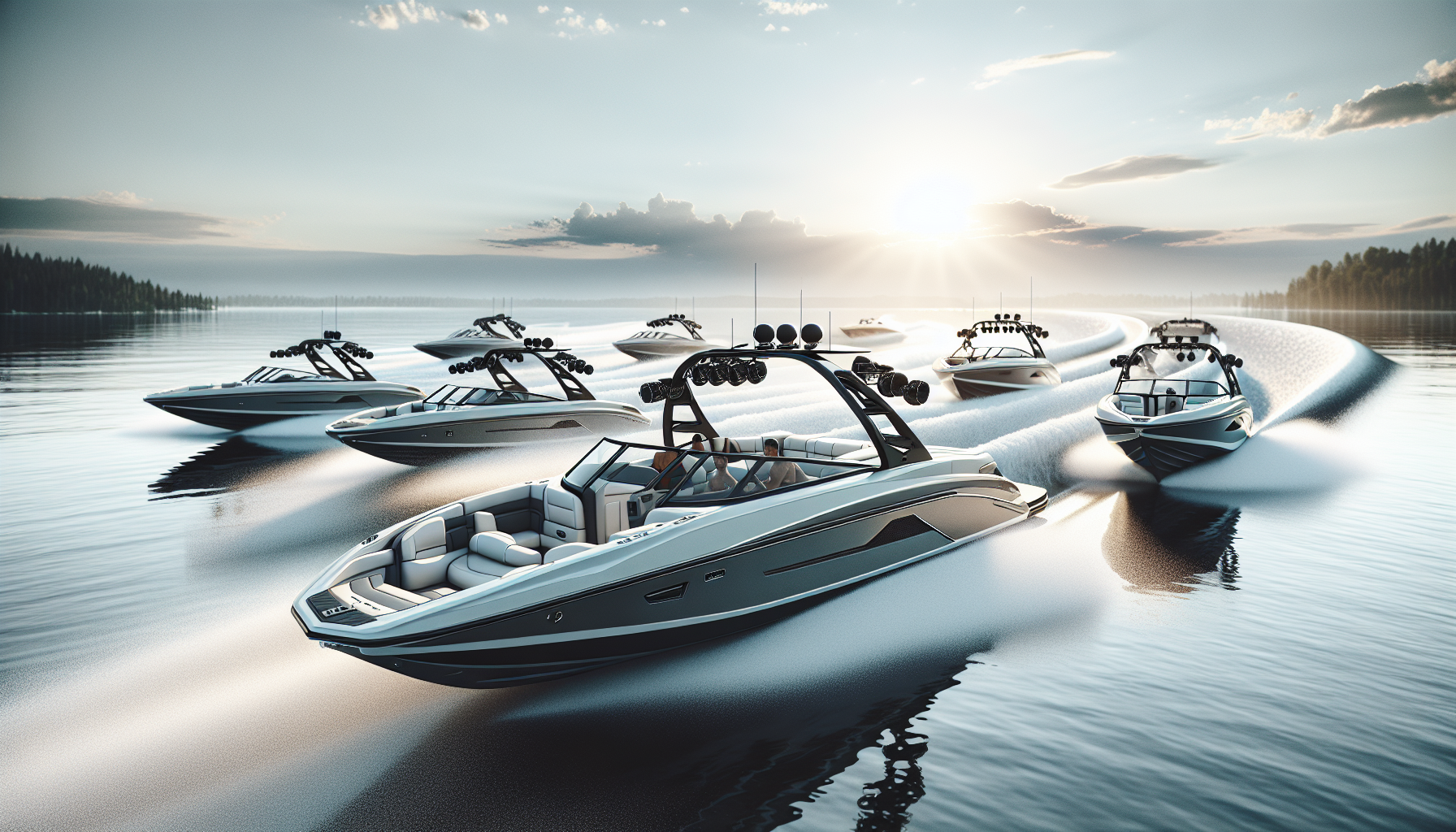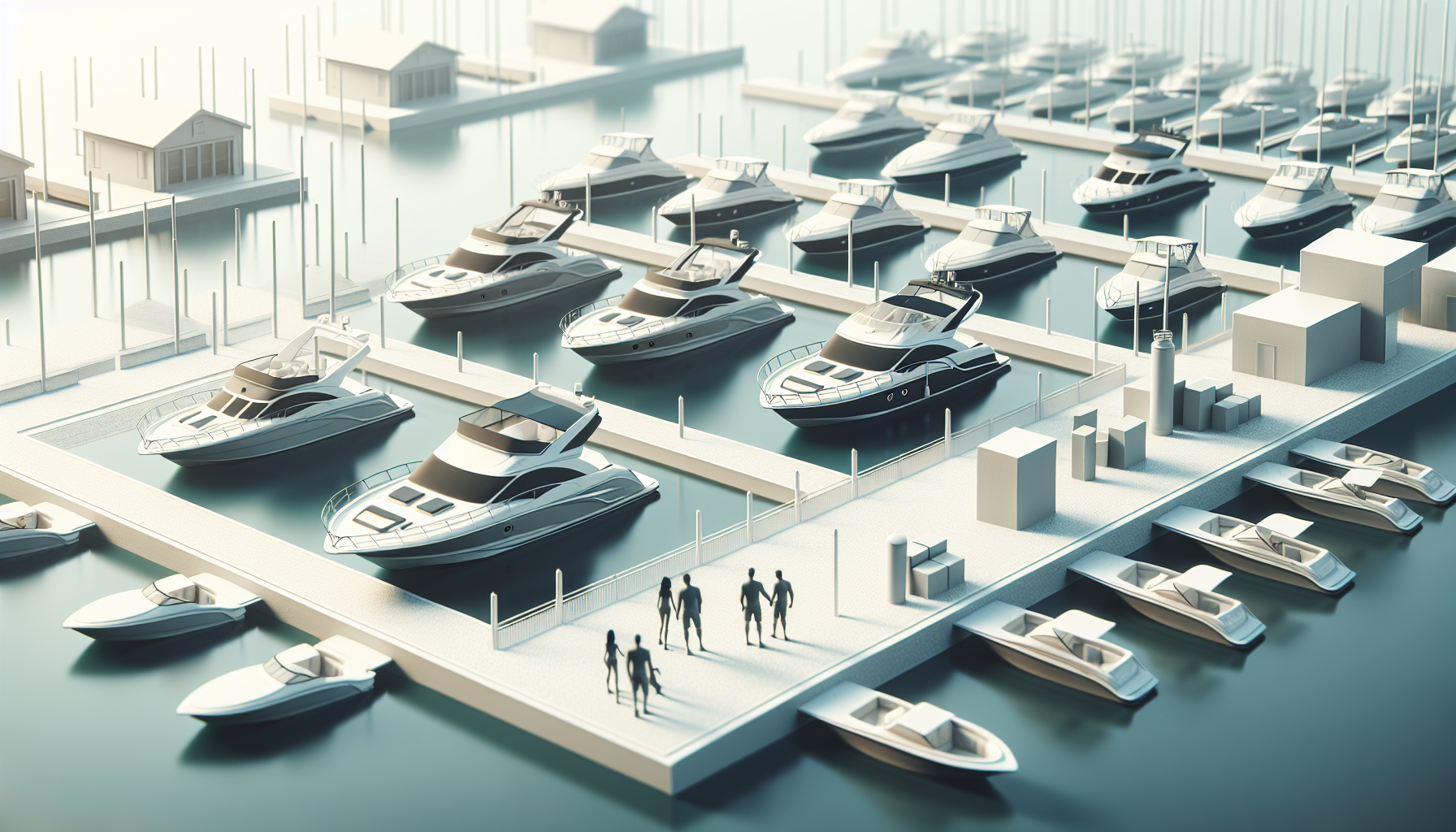

The best entry-level powerboats for speed and fun balance easy handling, manageable costs, solid safety features, and enough performance to keep new owners excited after the first season. In the beginner market, “entry-level” does not mean stripped down or boring. It means a boat designed to shorten the learning curve, reduce maintenance headaches, and deliver predictable performance in common recreational use. After helping first-time buyers compare runabouts, bowriders, deck boats, and personal watercraft alternatives, I have seen the same pattern repeatedly: beginners enjoy boating more when they choose a platform that matches their local water, towing vehicle, storage situation, and skill level instead of chasing maximum horsepower.
For this hub in the Best Boats for Beginners category, the goal is to show which powerboat types make the most sense for new owners, what tradeoffs matter most, and which models consistently stand out. Speed matters because new buyers want excitement. Fun matters because a boat that only checks practical boxes often sits unused. But the best beginner powerboats also offer forgiving hull behavior, intuitive controls, strong dealer support, and straightforward upkeep. A fast boat is only enjoyable when it inspires confidence. This guide covers the major categories, the features that separate smart first purchases from costly mistakes, and the specific models worth shortlisting if you want a boat that is easy to own and rewarding to drive.
What Makes a Powerboat Good for Beginners
A beginner-friendly powerboat should plane easily, track predictably, and respond smoothly at low speed around docks and ramps. In practical terms, that usually means a boat in the 16- to 22-foot range with moderate horsepower, forgiving steering, and a layout that leaves room for passengers without overwhelming the captain. A deep-vee hull can soften chop, but too much deadrise in a small boat can feel tippy at rest and demand more power. A flatter hull boosts stability and efficiency but may pound in rougher water. The right compromise depends on where you boat most often: protected lakes, inland rivers, reservoirs, or coastal bays.
Beyond on-water behavior, ease of ownership matters just as much. New owners should look for proven outboard or sterndrive packages from manufacturers with broad service networks. Outboards now dominate many entry-level segments because they are easier to winterize, simpler to service, and free up cockpit space. Sterndrives still offer clean transom lines and quiet operation, but maintenance is generally more involved. Features that help beginners include swim platforms with boarding ladders, full windshield protection, uncluttered helm layouts, tilt steering, multifunction displays, and clearly labeled battery switches and breakers. Capacity ratings from the U.S. Coast Guard and National Marine Manufacturers Association certification are not just paperwork; they are basic indicators that the boat was built and labeled with mainstream safety standards in mind.
Best Entry-Level Powerboat Types for Speed and Fun
Most first-time buyers should focus on four categories: bowriders, compact deck boats, fish-and-ski models, and small center consoles for mixed freshwater and nearshore use. Bowriders remain the default recommendation because they combine sporty handling, social seating, towing capability, and broad availability in the used and new markets. Deck boats provide more room and better passenger flow, often at the cost of a slightly less athletic feel in turns. Fish-and-ski boats split the difference for buyers who want tubing one day and casual angling the next. Small center consoles work well for beginners in coastal areas because they are simple, durable, and easy to clean, though they usually feel less plush than family runabouts.
Jet boats deserve a mention because many beginners are drawn to their shallow draft and enclosed propulsion. They can be great fun, especially for watersports, but low-speed handling differs from prop-driven boats and can take practice. Personal watercraft are often marketed as a cheaper way to get speed, but they do not replace a beginner family powerboat if you need seating, storage, shade, and all-day comfort. In real ownership terms, the most versatile starter choice is usually a 18- to 21-foot bowrider or deck boat with 115 to 200 horsepower. That range is enough to tow a tube, cruise comfortably, and hit satisfying top speeds without pushing insurance, fuel burn, and trailer demands too far upward.
How Much Speed Does a Beginner Really Need
For most new boaters, a realistic sweet spot is a top speed between 35 and 50 mph. That is fast enough to feel exciting, tow wake toys confidently, and cover water quickly, yet still manageable for someone building experience. Hull design, load, engine type, propeller pitch, and water conditions all affect real-world speed, so buyers should treat brochure numbers carefully. A lightweight 18-foot bowrider with a 150-horsepower outboard may reach the mid-40s with two people aboard, while the same boat loaded with five passengers, a full cooler, and watersports gear will run slower and take longer to plane.
Acceleration matters at least as much as top speed. Beginners often enjoy a boat more when it pops onto plane cleanly at moderate throttle than when it posts an impressive peak number on flat water. I generally advise first-time owners to prioritize strong midrange performance and stable trim response over chasing 60 mph. Once speeds climb, mistakes compound faster, stopping distances increase, and passenger comfort drops in chop. A 40-mph boat used often beats a 60-mph boat that feels intimidating. That is why many of the best beginner packages pair hulls with engines in the middle of the approved horsepower range rather than the maximum rating.
Top Beginner Powerboats Worth Considering
Several models consistently make sense for first-time buyers because they combine reputable construction, practical layouts, and predictable ownership costs. Bayliner’s VR4 and VR5 remain strong entry points in the bowrider and outboard crossover space. They offer usable interior volume thanks to the BeamForward design, broad dealer availability, and pricing that is often lower than more premium rivals. Tahoe’s T16 and T18 are also popular because they are trailerable by many midsize SUVs and simple enough not to overwhelm new operators. On the deck boat side, the Hurricane SunDeck Sport 185 OB gives families room to spread out while keeping outboard maintenance straightforward.
Buyers who want more polished fit and finish should look at the Sea Ray SPX 190, Yamaha AR190, and Stingray 191DC. The Sea Ray has a refined helm and strong resale appeal. The Yamaha AR190 uses a single jet drive and avoids an exposed propeller, which some families prefer for swimming and beaching, though docking technique requires practice. The Stingray 191DC provides dual-console flexibility with efficient hull design and a sporty feel. In freshwater markets, Tracker’s Tahoe line and Yamaha’s jet boats appear often in beginner shortlists, while in coastal regions, compact center consoles such as the Boston Whaler 170 Montauk and Key West 1720CC earn trust for simplicity, durability, and broad mission capability.
| Model | Type | Typical Length | Beginner Strength | Best Use |
|---|---|---|---|---|
| Bayliner VR4 | Bowrider | 18 ft | Affordable, easy to trailer | Family lake cruising |
| Tahoe T18 | Bowrider | 18 ft 5 in | Simple ownership, sporty feel | Tubing and day trips |
| Hurricane SunDeck Sport 185 OB | Deck boat | 18 ft 10 in | Spacious layout, outboard service ease | Big family days |
| Sea Ray SPX 190 | Bowrider | 19 ft 6 in | Refined helm, strong resale | Beginner premium option |
| Yamaha AR190 | Jet boat | 19 ft | Prop-free swim platform | Watersports and shallow water |
| Boston Whaler 170 Montauk | Center console | 17 ft 4 in | Durable, confidence-inspiring | Bays, lakes, light fishing |
Bowrider vs Deck Boat vs Center Console
If you want one answer to the question “What is the best boat for beginners?” the safest general response is a bowrider. Bowriders deliver the broadest mix of speed, comfort, and versatility. They usually have wraparound windshields, intuitive passenger seating, and predictable handling that suits lakes and rivers. For buyers focused on towing tubes, sunset cruising, and casual sandbar use, they are hard to beat. Their main limitation is space efficiency. Once you bring several adults, bags, and coolers, some compact bowriders feel crowded.
Deck boats solve the space problem with wider, more open floorplans and better movement around the cockpit. Families with kids often appreciate the larger boarding areas and flexible seating. The tradeoff is that some deck boats feel less precise in aggressive turns and can present more hull surface to wind during docking. Center consoles make the most sense when durability, fishability, and saltwater tolerance matter more than plush seating. They are usually easier to hose down, often pair well with outboards, and provide clean all-around deck access. However, they expose passengers more to weather and typically offer less lounge-style comfort. Match the format to your actual boating day, not the image you like most at a boat show.
New or Used: Which Is Smarter for a First Boat
For many beginners, a lightly used boat is the smartest buy because early depreciation has already occurred and the market offers more equipment for the money. A five-year-old bowrider from a mainstream brand can often provide better value than a new base-model package with fewer features. That said, used boats only make sense if the hull, engine, trailer, and electrical systems are inspected carefully. Moisture intrusion in transoms or stringers, neglected bellows on sterndrives, worn wheel bearings, old tires, corroded wiring, and soft floors can turn a bargain into a repair project immediately.
New boats offer warranty coverage, current electronics, easier financing, and the confidence that you are starting with a clean maintenance baseline. During periods of high used-boat pricing, the gap between new and used narrows enough that buying new can be rational. I tell first-time buyers to compare total ownership risk rather than sticker price alone. If a survey, compression test, and sea trial reveal a well-kept used boat with service records, it is often the better financial move. If inspection history is vague and the seller cannot document maintenance, walk away. Beginners need reliability more than they need a “deal.”
Ownership Costs, Safety, and the Skills That Matter Most
The purchase price is only the beginning. Storage, insurance, fuel, routine service, trailer registration, winterization, and safety gear can add thousands of dollars annually. Outboard service intervals vary by manufacturer, but owners should budget for oil, gearcase lubricant, impellers, filters, and periodic prop work. Sterndrives add bellows, gimbal bearings, and other components that increase maintenance exposure. Before buying, confirm the loaded trailer weight against your tow vehicle’s actual towing capacity, payload, and tongue-weight limits. I have seen more beginner frustration caused by marginal tow setups and poor ramp technique than by the boat itself.
Safety starts with fit-for-purpose equipment: properly sized life jackets, a throwable flotation device where required, a fire extinguisher, sound-signaling gear, navigation lights, and a VHF radio for coastal use. The best beginner captains also take a state-approved boating safety course and practice low-speed maneuvers deliberately. Docking, launching, trim adjustment, and reading wind/current matter far more than squeezing out the last 3 mph. Learn how weight distribution affects planing, how passengers should be seated before acceleration, and how to shut down safely around swimmers. Confidence grows fastest when the boat is simple, the systems are understood, and every trip begins with a clear routine.
How to Choose the Best Beginner Powerboat for Your Lifestyle
The right first boat is the one you will actually use often, maintain properly, and outgrow slowly. Start with your primary waterway. Small lakes reward compact bowriders and deck boats. Larger reservoirs with afternoon chop may justify a slightly deeper-vee hull. Coastal bays favor outboard center consoles or durable dual consoles that tolerate salt and variable conditions. Next, define your crew. Two adults who love fast solo runs need something different from a family of five hauling tubes and picnic gear. Then consider storage. If the boat will live in a standard garage, length on trailer, folded tower height, and beam become nonnegotiable.
Finally, shop the dealer as much as the boat. A responsive local service department, available parts, and clear warranty support improve ownership more than one extra speaker or a slightly larger screen at the helm. For most buyers entering the Best Boats for Beginners market, the strongest all-around choices remain compact bowriders, manageable deck boats, and simple outboard-powered center consoles from established brands. Prioritize predictable handling, moderate speed, easy maintenance, and layouts that fit your real boating habits. Make a shortlist, schedule sea trials, and compare how each boat feels at the dock, on plane, and during recovery to the trailer. The best entry-level powerboat is not the flashiest option. It is the one that makes every outing easy to launch, fun to drive, and simple to repeat next weekend.
Frequently Asked Questions
What makes a powerboat truly “entry-level” for new owners who want speed and fun?
An entry-level powerboat is not simply the cheapest model on the market. For most first-time buyers, it means a boat that delivers enjoyable performance without overwhelming them with difficult handling, high maintenance demands, or expensive ownership surprises. The best beginner-friendly powerboats are designed to be predictable at low and moderate speeds, easy to dock, forgiving in turns, and stable enough to inspire confidence while the owner builds experience on the water.
Speed still matters in this category, but usable speed is more important than headline numbers. A good entry-level boat should be quick enough to make watersports, cruising, and day trips exciting, yet not so aggressive that it becomes stressful for a novice operator. Boats in the runabout, bowrider, and deck boat categories are often ideal because they combine responsive acceleration with practical layouts and straightforward operation. New owners also benefit from simple systems, accessible engine compartments, durable upholstery, and trailerable sizes that make storage and transport more manageable.
In other words, the best entry-level powerboats for speed and fun balance excitement with approachability. They should help a new boater enjoy the learning process rather than punish every small mistake. That balance is what keeps the experience fun long after the first few outings.
Which types of entry-level powerboats are best for beginners: runabouts, bowriders, or deck boats?
Each of these popular categories can work well for first-time buyers, but the right choice depends on how you plan to use the boat. Runabouts are often the classic starting point because they are compact, sporty, and generally simple to operate. They are a strong option for buyers who want a nimble boat for casual cruising, short day trips, and occasional towing for tubing or beginner watersports. Their smaller size can also make them easier to trailer, store, and maintain.
Bowriders are one of the most versatile options in the entry-level market. They typically offer a good mix of speed, passenger comfort, and family-friendly seating. For many buyers, a bowrider hits the sweet spot: enough performance to feel lively on the water, enough seating for guests, and a layout that works for everything from relaxed cruising to watersports. They are especially appealing to owners who want one boat that can handle a little bit of everything without feeling too specialized.
Deck boats are often the best fit for buyers who prioritize space and comfort but still want solid performance. They usually provide wider beams, more open seating, and easy boarding, which makes them excellent for social outings and family use. While some deck boats are not as sporty in feel as smaller runabouts, many modern models still offer strong acceleration and enjoyable top-end performance. For beginners who want a forgiving platform with room for passengers, gear, and all-day usability, a deck boat can be a very smart choice.
If you are unsure, think less about labels and more about your real boating habits. A solo or couple-focused buyer may prefer the agility of a runabout, while a family may get more long-term value from a bowrider or deck boat. The best beginner boat is the one that matches your common use case, not just the one that looks fastest in a brochure.
How much speed should a beginner actually look for in an entry-level powerboat?
Most first-time buyers do not need extreme horsepower or the highest possible top speed to have a great experience. In fact, too much performance can make the learning curve steeper and ownership more expensive. For beginners, the goal should be a powerboat with enough acceleration to feel exciting, enough speed for watersports and open-water cruising, and enough control to remain comfortable in changing conditions. That usually means focusing on balanced engine packages rather than maximum available power.
A boat that planes easily, responds smoothly to throttle input, and holds predictable lines in turns is often more enjoyable than one that simply posts a bigger speed number. Real-world fun comes from confidence and repeatable performance. If a new owner feels comfortable accelerating onto plane, adjusting trim, towing a tube, or navigating a busy lake, that boat is likely delivering the right kind of speed. On the other hand, a boat that feels twitchy, overpowered, or difficult to control at the dock can quickly turn excitement into fatigue.
It is also important to remember that speed affects more than thrills. Higher horsepower often increases fuel burn, insurance costs, and maintenance exposure. For an entry-level buyer, a moderate engine that suits the hull well is usually the smarter long-term choice. It provides enough performance to keep the boat fun through the first several seasons while avoiding unnecessary complexity and cost. In this segment, the best boats are not underpowered, but they are also not built solely to chase bragging rights.
What safety and handling features should first-time buyers prioritize in a fast but beginner-friendly powerboat?
For new owners, safety starts with handling. A beginner-friendly powerboat should feel stable at idle, predictable when coming onto plane, and composed during moderate turns or choppy water. Visibility from the helm is especially important. If the driver can clearly see forward while accelerating, maneuvering in tight spaces, and scanning for other boaters, overall control improves significantly. Responsive steering, easy-to-read gauges, intuitive controls, and a comfortable helm layout all contribute to safer operation.
Beyond handling, buyers should look for solid basic safety design. That includes dependable nonslip flooring, secure handholds, sturdy boarding ladders, clearly marked storage, and seating that keeps passengers comfortable and planted while underway. A swim platform designed with safety in mind is also valuable, especially for families and anyone planning to swim, tube, or wakeboard. If the boat will be used for watersports, features such as a proper tow point and clear propeller safety practices matter just as much as engine performance.
Many first-time buyers also benefit from boats with straightforward mechanical systems and accessible maintenance points. Reliability is a safety feature in its own right. A simple, well-rigged powerboat is easier to inspect, easier to maintain, and less likely to create avoidable problems on the water. During the buying process, it is wise to evaluate not only the boat’s speed and styling but also how easy it is to launch, load, dock, and recover. Those routine moments are where beginner confidence is built and where good design really proves its value.
How can a first-time buyer keep ownership costs manageable without giving up too much performance or fun?
The smartest way to control costs is to buy for your real needs rather than your aspirational extremes. Many first-time buyers overspend on size or horsepower, only to discover that they use the boat for simple day cruising, occasional watersports, and short trips with a small group. A well-matched entry-level powerboat with moderate power can often deliver nearly all the enjoyment of a larger or faster model while costing much less to purchase, fuel, insure, trailer, store, and maintain.
Hull type, engine size, and overall complexity all affect the long-term budget. Smaller runabouts and bowriders are often economical because they are lighter, easier to trailer, and simpler to service. Boats with clean, uncomplicated layouts and widely supported power packages can reduce maintenance headaches and make parts and service easier to find. New buyers should also factor in routine expenses that are easy to underestimate, including registration, safety gear, winterization, storage, covers, trailer maintenance, and fuel use over the course of a season.
It is also worth shopping for value, not just price. A slightly better-built boat with a strong reputation for reliability can be cheaper to own over time than a bargain model that develops frequent issues. Resale value matters too. Popular entry-level powerboats from respected brands often hold value better, giving owners more flexibility when they are ready to upgrade. In practical terms, the best budget strategy is to choose a boat that is easy to use, easy to maintain, and enjoyable enough that you will actually use it often. That is where the best return on investment usually comes from.