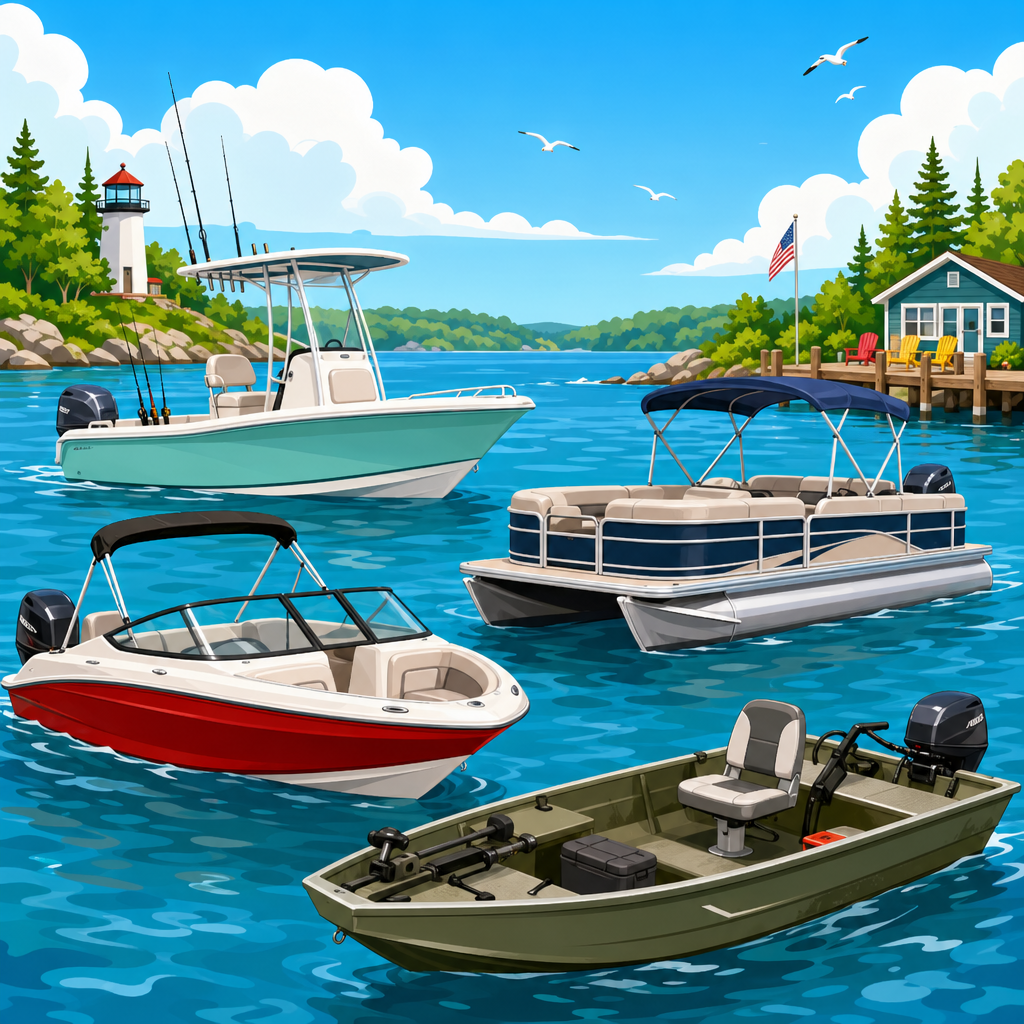
Buying your first boat is exciting, but the smartest beginners know that finding the best deals on starter boats starts with understanding which boats truly fit a new owner’s budget, skill level, storage options, and intended use. A starter boat is not simply the cheapest model on the market. It is a boat that is easy to handle, affordable to own, forgiving in common conditions, and versatile enough to help a new boater build confidence without outgrowing it in one season. In practical terms, that usually means small to midsize bowriders, aluminum fishing boats, simple center consoles, compact pontoon boats, or entry-level personal watercraft packages, depending on how and where you plan to use the water.
Over the years, I have helped first-time buyers compare listings, inspect used hulls, calculate ownership costs, and avoid the mistakes that make a low sticker price turn into an expensive lesson. The best deals are rarely the flashiest listings. They are the boats with clean maintenance records, appropriate power, solid trailers, and realistic pricing based on local demand. For beginners, the goal is value, not just savings. Value means buying a boat that gets you on the water safely, holds resale value reasonably well, and does not bury you in repair bills, marina fees, fuel costs, and insurance surprises.
This guide serves as a hub for anyone researching the best boats for beginners. It explains how to match a boat type to your needs, where to find better prices, how to compare new versus used options, which costs matter most, and what to inspect before you buy. If you are trying to decide between an aluminum fishing boat, a compact center console, a runabout, or a pontoon, this article gives you a framework you can use immediately. A good starter boat should make boating easier. A good deal should make ownership sustainable.
Choose the right starter boat before chasing the price
The first rule in finding the best deals on starter boats is simple: do not shop price first. Shop fit first. A cheap boat that does not match your local waters or intended activities is not a deal. Beginners often make this mistake by buying for an imagined future instead of actual weekend use. If you mainly want short family cruises on a calm inland lake, a 17- to 19-foot bowrider or a small pontoon will likely serve you better than a saltwater center console with higher operating costs. If you want to fish shallow freshwater lakes, an aluminum jon boat or mod-V fishing boat is usually more practical and less expensive to maintain than fiberglass alternatives.
Boat type determines nearly every major cost category: purchase price, tow vehicle requirements, storage, fuel burn, insurance, maintenance complexity, and learning curve. Small aluminum boats tend to be among the most affordable beginner choices because they are light, durable, and simple. Compact center consoles are popular because they are versatile and easy to clean, but they may cost more than comparable runabouts. Pontoon boats offer stability and comfort, which many beginners appreciate, though used prices can remain firm in family-focused lake markets. Bowriders are often the most balanced all-around choice for first-time buyers who want watersports, casual cruising, and manageable ownership costs.
Before you browse listings, write down four constraints: maximum all-in budget, storage plan, passenger count, and primary water type. Those four filters quickly narrow the market and improve your odds of finding a true bargain. A buyer with a $15,000 total budget, driveway storage, a mid-size SUV, and a freshwater lake nearby should shop a very different list from someone boating in coastal chop with six passengers. The best beginner boat is the one you will use often and maintain confidently.
Where the best deals on beginner boats usually appear
Most strong starter-boat deals come from four channels: local private sellers, reputable used-boat dealers, marine consignment brokers, and regional boat shows featuring leftover inventory. Each source has strengths and tradeoffs. Private sellers often offer the lowest prices because there is no dealer markup, and many first-time owners sell lightly used boats after a few seasons. These can be excellent opportunities, especially when the seller includes safety gear, covers, electronics, and a serviceable trailer. The risk is that private-party sales are typically as-is, with limited recourse if problems emerge.
Dealers and brokers usually price higher, but they can offer financing, title processing, trade-in flexibility, and occasionally short-term warranties on used inventory. In my experience, first-time buyers who are nervous about paperwork or inspections often benefit from paying a modest premium at a reputable dealership with strong service reviews. Search local dealer websites, Boat Trader, boats.com, Facebook Marketplace, Craigslist, and marina bulletin boards, but compare every listing against NADA Guides or J.D. Power valuation ranges where available. Asking price alone means little without context on year, engine hours, included trailer, electronics, and maintenance history.
Timing matters. In many northern markets, better deals appear in late fall and winter when sellers want to avoid storage fees and dealers are clearing space. In warm-weather boating states, seasonality is less dramatic, but there is still pricing pressure after peak summer demand. Boat shows can produce worthwhile package discounts on entry-level models, especially when manufacturers subsidize financing or dealers discount prior model-year inventory. However, show pricing is only a deal if you compare out-the-door numbers, including prep, freight, taxes, registration, and trailer costs.
| Boat Type | Best For | Typical Starter Length | Main Cost Advantage | Common Tradeoff |
|---|---|---|---|---|
| Aluminum fishing boat | Freshwater fishing, simple ownership | 14 to 18 feet | Lower purchase and maintenance costs | Less comfort for family cruising |
| Bowrider | Family use, cruising, watersports | 17 to 20 feet | Strong versatility and broad resale demand | Can cost more than basic fishing boats |
| Center console | Fishing and coastal versatility | 17 to 21 feet | Easy washdown and practical layout | Less seating comfort than a pontoon |
| Pontoon | Relaxed family outings, entertaining | 18 to 22 feet | Stable platform and roomy seating | Storage and towing demands increase fast |
How to compare new versus used starter boats
For most beginners, used boats offer the best deals, but only when condition is verified carefully. New boats are easier to shop because pricing is clearer, warranties reduce early repair risk, and modern outboards are efficient and reliable. A new entry-level boat package may also include financing terms that make monthly payments look attractive. The problem is depreciation. Like vehicles, boats commonly lose value fastest in the first years, though exact depreciation varies by brand, engine, and market demand. If you buy new and decide boating is not for you, resale can be painful.
Used starter boats, especially those three to ten years old, often hit the value sweet spot. The first owner has absorbed the steepest depreciation, yet the boat may still have modern features such as fuel injection, GPS/fishfinder units, updated upholstery, and galvanized or painted trailers in decent condition. Brands with broad dealer networks and strong reputations tend to hold value better. Think Tracker in aluminum fishing boats, Bayliner and Tahoe in entry bowriders, Sun Tracker in pontoons, and Boston Whaler, Carolina Skiff, or Mako in small center-console conversations, depending on budget and market.
That said, older used boats can quickly erase savings. An inexpensive hull paired with a neglected outboard, soft transom, rotten deck, corroded wiring, or failing trailer axle is not a beginner bargain. If you are buying used, prioritize mechanical condition over cosmetic perfection. Faded decals and worn carpet are negotiable. Compression issues, water intrusion, or structural repairs are expensive. Whenever possible, get a marine survey on higher-value used boats and at minimum perform a sea trial. If the seller refuses a test run on the water, treat that as a major warning sign.
What a good deal actually looks like after total ownership costs
Beginners often ask, “What is the cheapest boat to own?” The better question is, “What boat gives me the lowest predictable cost for the way I actually boat?” Ownership cost is where many first-time buyers get surprised. Fuel, annual service, impeller replacement, winterization, storage, launch fees, insurance, batteries, and trailer tires matter as much as purchase price. A 16-foot aluminum tiller boat with a modest outboard may cost far less to run and store than a 21-foot deck boat, even if the larger boat only costs a few thousand dollars more upfront.
Outboards are generally easier and often cheaper to maintain than sterndrives for many beginner use cases, especially in saltwater. Simpler systems reduce repair risk. Carbureted older engines can still be dependable, but modern four-stroke fuel-injected outboards usually start easier, idle cleaner, and inspire more confidence for new owners. Insurance premiums vary by horsepower, hull type, and location. Marina slips can dwarf all other annual costs in some markets, which is why trailerable boats are often the smartest starter option.
Make a simple ownership spreadsheet before making offers. Include purchase price, tax, registration, survey or inspection, immediate repairs, safety gear, towing upgrades, fuel, storage, and annual service. I also advise beginners to set aside a repair reserve equal to at least 10 percent of the boat’s purchase price for a used rig. If that reserve breaks the budget, the boat is too expensive. The best deals on starter boats are affordable not only on signing day, but every month after.
Inspection points that separate bargains from money pits
A thorough inspection is the single best way to protect your budget. Start with paperwork. Verify title status for both boat and trailer, hull identification number consistency, engine serial number, maintenance receipts, and any lien release documentation. Then inspect the hull for cracks, impact damage, poor repairs, blistering on fiberglass, loose rivets on aluminum boats, and signs of water intrusion around the transom. Walk the floor carefully. Soft spots can indicate rot or structural failure, especially on older fiberglass boats with plywood cores.
Check steering, throttle response, bilge pumps, navigation lights, horn, electronics, and battery age. Inspect wiring for household connectors, corrosion, or sloppy splices. On trailers, review tire date codes, bunks, brake function, lights, hubs, winch strap, safety chains, and frame rust. A neglected trailer can turn pickup day into a roadside breakdown. For engines, look for clean cold starts, stable idle, normal telltale water flow on outboards, and service records showing oil changes, gear lube replacement, and impeller intervals. Compression and leak-down testing are worthwhile on older engines.
During the sea trial, confirm that the boat planes properly, steers predictably, reaches expected RPM range, shifts cleanly, and does not overheat or vibrate excessively. Listen for rattles and note any electrical failures under load. Bring a flashlight, moisture meter if available, and a checklist. Beginners are often relieved to have a marine mechanic or surveyor present, and on any purchase large enough to hurt financially, that professional fee is cheap insurance. A deal is only real after the inspection says it is.
Negotiation strategies and beginner-friendly buying paths
Once you know the boat fits your needs and has passed inspection, negotiation becomes straightforward. Base offers on comparable listings, valuation guides, documented condition, and required repairs. Be specific. Instead of saying the price feels high, point out that the trailer needs tires, the batteries are at end of life, the impeller service is undocumented, and the asking price exceeds similar local listings by a measurable amount. Sellers respond better to evidence than vague haggling.
For beginners, package value matters. A boat that includes a quality cover, life jackets, anchor, dock lines, fenders, fire extinguisher, fishfinder, and spare prop can save hundreds or thousands of dollars after purchase. Those extras should influence what you consider a good deal. Financing can help preserve cash, but long terms on depreciating boats increase total cost. If you finance, keep the term conservative and avoid stretching for a boat that strains your monthly budget. Cash buyers often negotiate more effectively with private sellers, especially late in the season.
Finally, buy with an exit strategy. Popular beginner boats in clean condition resell more easily because the next buyer wants the same things you do now: low hassle, sensible size, reliable power, and manageable cost. That is why the best boats for beginners are usually also the best boats to buy used and resell later. Focus on practical layouts, known brands, documented maintenance, and trailerable packages. If you are comparing models, keep building your research from this hub and move next into detailed reviews of bowriders, aluminum fishing boats, pontoons, and compact center consoles. The best deal is the boat that gets you safely on the water, teaches you confidence, and leaves enough budget to enjoy the season.
Frequently Asked Questions
What should I look for first when trying to find the best deal on a starter boat?
The first thing to focus on is overall value, not just the lowest asking price. A true starter boat should match your experience level, your budget, where you plan to use it, and how you will store and transport it. Many first-time buyers make the mistake of shopping by price alone, only to discover that a cheap boat can become expensive very quickly if it needs repairs, has high maintenance demands, or does not fit their actual boating needs. A better approach is to narrow your search to boats known for beginner-friendly handling, modest operating costs, and practical versatility. Small bowriders, aluminum fishing boats, simple center consoles, and some deck boats are often strong entry-level choices because they are easier to operate and usually less costly to maintain than larger or more specialized models.
Once you know the type of boat that fits your goals, compare deals based on the total package. That includes engine condition, trailer quality, onboard electronics, safety gear, upholstery, storage condition, and maintenance records. A boat that costs slightly more upfront but includes a dependable trailer, a clean outboard, recent service, and usable accessories can be a much better deal than a bargain-priced boat that needs immediate work. It is also smart to consider insurance, registration, fuel use, marina fees, winterization, and storage costs before you buy. The best deal on a starter boat is usually the one that keeps ownership affordable and predictable after the sale, not just the one with the lowest number on the listing.
Is it better for a beginner to buy a new starter boat or a used one?
For many beginners, a used starter boat offers the best balance of affordability and value. Boats depreciate, especially in their earlier years, so buying used can help you avoid paying a premium for something that may lose value quickly. A well-maintained used boat can provide many of the same benefits as a new one at a much lower cost, which is especially important for first-time owners who are still learning what features they truly need. It also reduces the financial pressure if you later decide to upgrade, change boating styles, or even step away from boating after a season or two.
That said, buying used only works in your favor if you evaluate the boat carefully. Condition matters far more than age alone. A five-year-old boat with documented maintenance, clean storage history, and a healthy engine can be a far better buy than a newer boat that was neglected. Ask for service records, inspect the hull for damage, check the trailer thoroughly, and confirm that electronics, lights, bilge pumps, and controls work properly. If you are not experienced, paying for a marine survey or mechanic inspection is often money well spent. A new boat may make sense if you want warranty protection, simple financing, and the confidence of starting with a clean maintenance history, but for most shoppers looking for the best deals on starter boats, the used market is where the strongest opportunities are found.
How can I tell if a starter boat is actually affordable to own, not just affordable to buy?
This is one of the most important questions a first-time buyer can ask. The real cost of boat ownership goes far beyond the sale price. To determine whether a boat is truly affordable, look at the full ownership picture: fuel consumption, routine maintenance, insurance, registration, cleaning supplies, seasonal storage, trailer upkeep, launch fees, and any marina or dock charges. Larger engines, older systems, and more complex boat layouts usually increase both maintenance demands and operating costs. A simple, easy-to-trailer boat with a reliable outboard engine is often far less expensive to own than a bigger or more feature-heavy model, even if the purchase prices seem close.
You should also think about how the boat fits your lifestyle. If you do not have space to store it at home, monthly storage fees can change the economics of the deal significantly. If your vehicle is not equipped to tow the boat safely, you may face additional costs for a trailer upgrade or a different tow setup. If the boat is old enough to need immediate tires, batteries, pumps, or upholstery work, those expenses should be treated as part of the purchase cost. A smart buyer builds a realistic first-year budget before making an offer. When a boat is easy to trailer, simple to maintain, appropriately sized for your intended use, and unlikely to surprise you with major repair bills, that is when it becomes an affordable starter boat in the real-world sense.
When is the best time to shop for starter boat deals?
Timing can make a noticeable difference in both price and negotiating power. In many markets, the best deals appear during the off-season, especially in late fall and winter, when demand drops and sellers are more motivated. Dealers may discount leftover inventory to make room for incoming models, and private sellers may prefer to sell rather than pay storage and winterization costs. This can create strong opportunities for buyers who are prepared, patient, and willing to shop before peak boating season begins. Early spring can still offer good choices, but prices often rise as more buyers enter the market.
That said, the best time to buy is not just about the calendar. It is also about being ready to act when a well-priced, well-maintained boat appears. Have your financing lined up, know your budget ceiling, and understand the boat types that fit your needs before you start contacting sellers. The strongest deals often go quickly, especially in popular beginner categories. It also helps to monitor listings over time so you can recognize when a boat is priced fairly versus when it is overpriced. If you track comparable models, engine hours, included equipment, and regional pricing trends, you will be in a much better position to spot a genuine bargain and negotiate confidently.
How do I negotiate a better price on a starter boat without making a costly mistake?
Good negotiation starts with research, not aggressive haggling. Before discussing price, compare similar boats by model year, engine type, condition, included trailer, accessories, and service history. This gives you a realistic baseline and helps you make an offer supported by facts instead of guesswork. When you inspect the boat, note any issues that affect value, such as worn tires, soft flooring, faded upholstery, corroded wiring, outdated batteries, missing safety gear, or overdue maintenance. These are legitimate points to use in negotiation because they represent real costs you may have to absorb after purchase.
At the same time, do not let a low price talk you into a bad boat. If the seller cannot provide a clear title, if the hull shows signs of serious structural damage, if the engine history is unknown, or if the boat clearly has been neglected, walking away is often the smartest financial move. A better deal is not always a cheaper one. It is a boat with fewer risks, lower ownership costs, and a stronger chance of giving you a positive first boating experience. Be polite, ask direct questions, request a water test if possible, and invest in a professional inspection when the purchase price justifies it. A disciplined buyer who is willing to pass on questionable boats usually ends up with the best long-term deal.