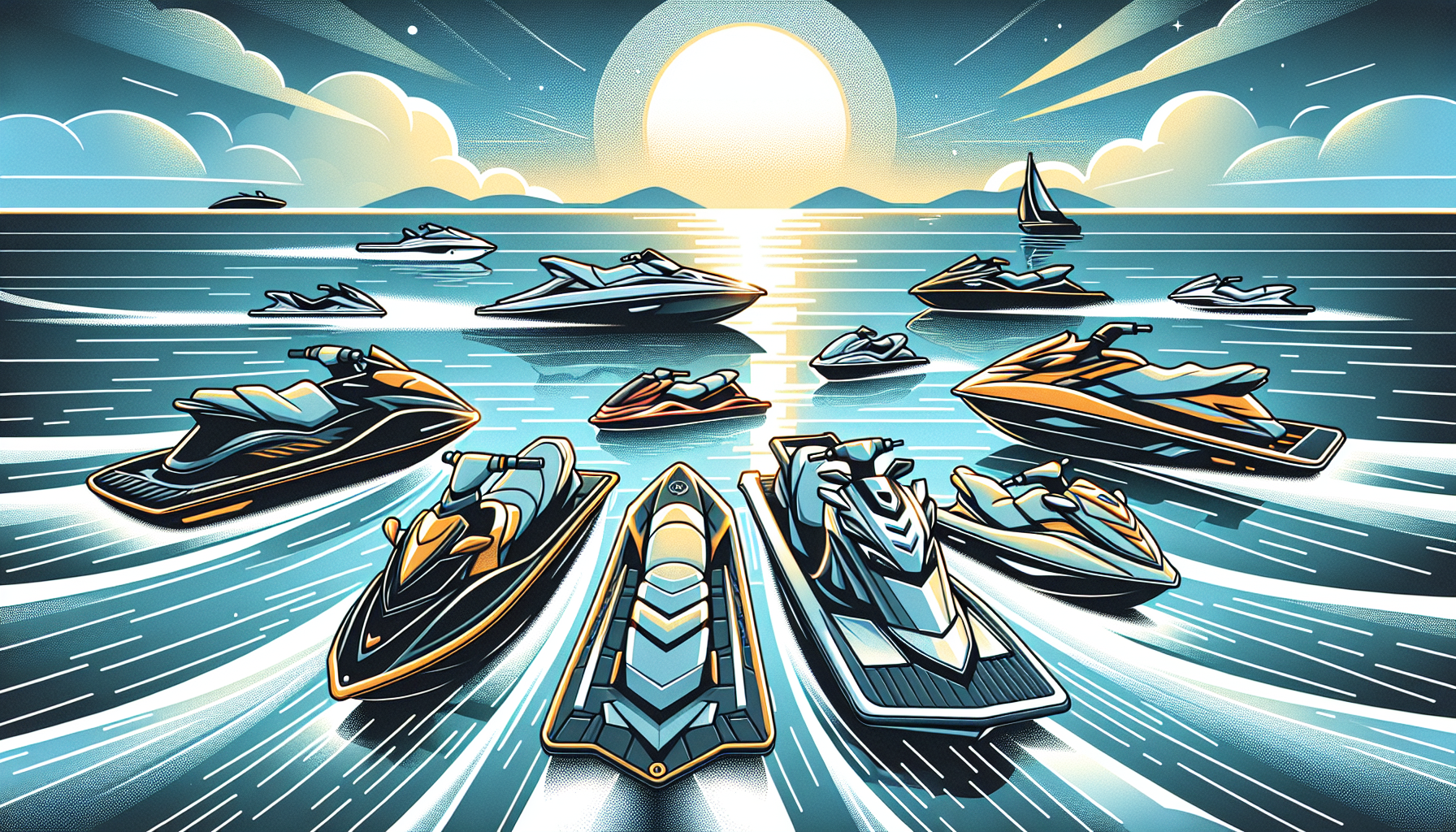
Jet skis and personal watercraft sit at the center of modern watersports because they combine speed, agility, towing power, and relatively accessible ownership in one compact platform. In the boating industry, the term personal watercraft, or PWC, refers to a small inboard-powered vessel ridden standing, kneeling, or seated, while “Jet Ski” is technically Kawasaki’s brand name but commonly used for the whole category. For thrill seekers shopping the best boats for watersports, PWCs deserve serious attention alongside wake boats, ski boats, and runabouts because they deliver a different kind of excitement: fast acceleration, tight cornering, shallow draft exploration, and the ability to tow tubes, skis, or wakeboards on the right model. I have tested entry-level and performance-oriented craft on coastal bays, inland lakes, and no-wake river systems, and the difference between a playful recreation model and a high-output machine is dramatic. Choosing well matters because hull design, engine calibration, ergonomics, storage, and tow readiness directly affect safety, maintenance costs, and the kind of fun you can actually have. This hub explains the top jet skis and personal watercraft for thrill seekers, how they compare, which features matter most, and where they fit within the broader category of best boats for watersports.
What makes a personal watercraft great for thrill seekers
The best thrill-focused PWC balances three traits: explosive acceleration, predictable handling, and enough stability to stay enjoyable when conditions turn choppy. Horsepower grabs attention, but hull shape, intake design, pump efficiency, ride plate setup, and rider position matter just as much. A supercharged engine can produce headline speed, yet a poorly matched hull may porpoise, chine walk, or feel tiring over long sessions. In my experience, the sweet spot for most aggressive recreational riders is a craft that launches hard out of the hole, corners cleanly without excessive slide, and remains controllable in afternoon chop when lakes get busy.
Manufacturers generally divide models into stand-up, recreation, touring, luxury performance, and tow-sports capable categories. Stand-up machines like Kawasaki’s SX-R reward skilled riders with unmatched maneuverability, making them the closest thing to a dirt bike on water. Recreation and performance sit-down models from Sea-Doo, Yamaha, and Kawasaki serve a wider range of buyers, offering seating for two or three, more fuel range, and features such as launch control, trim adjustment, and braking systems. If your goal is maximum adrenaline with occasional towing, a performance sit-down is usually the most versatile pick.
For readers exploring the best boats for watersports more broadly, PWCs fill a specific niche. They are easier to trailer than wake boats, cheaper to store than larger inboards, and quick to launch for short sessions. They will not replace a dedicated wake surf boat for creating a huge surf wave, but they outperform many larger boats in raw agility and solo fun. They also serve as ideal companion craft for families who already own a pontoon, deck boat, or bowrider and want a high-energy option in the same watersports lineup.
Top jet skis and personal watercraft worth considering
Several standout models define today’s market for thrill seekers, and each excels for a different reason. The Sea-Doo RXP-X 325 is one of the clearest picks for riders who want race-inspired acceleration and aggressive cornering. Its supercharged Rotax 1630 ACE engine, Ergolock seating, and performance-focused hull make it feel planted and responsive in turns. Sea-Doo also integrates variable trim and braking features that help experienced riders manage speed and attitude more precisely than older-generation craft.
The Yamaha GP SVHO remains a benchmark because it combines very high top-end capability with rider-friendly predictability. Yamaha’s Super Vortex High Output engine has built a strong reputation for durability when maintained correctly, and the GP hull delivers sharp handling without becoming punishing. Riders who split time between solo speed runs and occasional towing often prefer the Yamaha because it remains composed and versatile rather than feeling like a narrowly focused race machine.
Kawasaki’s Ultra 310 series deserves attention from buyers who want muscle, room, and offshore confidence. With a supercharged 1,498cc engine and a larger platform, the Ultra 310LX, 310X, and 310LX-S offer hard acceleration plus better long-distance comfort than smaller performance hulls. These models are not as flickable as a compact race-oriented craft, but they shine in rougher water where extra length and weight improve ride quality. If your local riding area includes windblown bays or open reservoirs, that tradeoff can be worthwhile.
The Sea-Doo GTR 230 is often the smart enthusiast choice because it blends strong supercharged output with a more approachable price and practical versatility. It is quick enough to satisfy most recreational thrill seekers, stable enough for passengers, and capable for tubing or light tow sports. On the value side, Yamaha’s VX Cruiser HO and Sea-Doo GTI SE 170 are less extreme but still lively, making them ideal for buyers who want one machine that can entertain beginners and still keep experienced riders engaged.
| Model | Best For | Key Strength | Main Tradeoff |
|---|---|---|---|
| Sea-Doo RXP-X 325 | Aggressive sport riding | Explosive acceleration and sharp cornering | Firm ride and premium pricing |
| Yamaha GP SVHO | Balanced performance | Fast, stable, and versatile handling | Less luxury equipment than touring models |
| Kawasaki Ultra 310 | High-speed offshore use | Power plus rough-water comfort | Larger size reduces nimbleness |
| Sea-Doo GTR 230 | Value performance | Strong speed for the money | Not as race-focused as flagship models |
| Yamaha VX Cruiser HO | Family and sport crossover | Reliable naturally aspirated punch | Lower ceiling for extreme riders |
How hull design and engine setup change the ride
When buyers ask what makes one PWC feel sporty and another feel planted, the answer starts with hull architecture. Deep-V and performance-stepped hulls tend to cut chop better and hold lines more confidently at speed, while flatter or wider recreational hulls emphasize stability at rest and easier boarding. A narrow, aggressive hull transitions quickly from edge to edge and rewards active riding posture. A wider hull is more forgiving for passengers, fishing conversions, or tow duty, but it can feel less lively in technical cornering.
Engine choice creates the next major split. Naturally aspirated engines are simpler, often cheaper to maintain, and usually more than adequate for casual watersports. Supercharged engines deliver the thrilling midrange punch that performance buyers crave, especially when towing heavier riders on tubes or launching hard from idle. The tradeoff is increased mechanical complexity and stricter maintenance discipline. Supercharger servicing intervals, intercooler health, fuel quality, and winterization quality matter. I have seen neglected high-output craft become expensive quickly, while properly maintained examples remain impressively robust.
Jet pump setup also affects the on-water feel more than many first-time buyers realize. Impeller pitch, wear ring condition, and intake grate design influence hook-up, cavitation resistance, and acceleration. If a used machine feels soft off the line, the issue may not be the engine; it may be pump wear or debris damage. Serious riders often upgrade impellers, sponsons, ride plates, or intake components, but modifications can compromise warranty coverage and reliability if done carelessly. For most owners, a stock performance model from a major brand is the best balance of speed and durability.
Best personal watercraft for towing and watersports crossover use
Although many people associate PWCs with solo speed, the right model works surprisingly well for tubing, wakeboarding starts, and even water skiing in lighter setups. For towing, look for strong low-end thrust, a stable three-seat layout, tow hook integration, boarding step access, and enough cooling and electrical capacity for long sessions. Sea-Doo’s Wake series is purpose-built here, with features such as retractable ski pylon systems, wake-specific presets, board racks on some trims, and reboarding support that makes repeated rider pickups easier.
Yamaha’s tow-friendly options, especially in the VX and FX lines, are excellent for families who want a broader best boats for watersports solution without moving up to a dedicated ski boat. These craft provide reliable power delivery, comfortable seating, and intuitive controls. They are especially practical on smaller lakes where a full-size wake boat feels excessive or where storage space is limited. Kawasaki’s larger Ultra platform can also tow effectively thanks to strong torque and hull stability, though its size is better suited to bigger water and riders prioritizing speed first.
It is important to stay realistic about capability. A PWC can pull a tube enthusiastically and get a skier up with the right rider weight and conditions, but it will not create the same wake profile, passenger capacity, or all-day comfort as an inboard tow boat. That is why this hub matters within the best boats for watersports category: each platform has a role. PWCs dominate for quick setup, lower operating footprint, and high-energy fun, while wake boats and sport boats offer broader group utility. Many active families ultimately pair a PWC with a larger boat instead of trying to force one craft to do every job.
Buying factors that separate a smart choice from an expensive mistake
The first decision is intended use. If you ride alone and chase speed, prioritize a performance hull and high-output engine. If you ride with a passenger, tow toys, or bring gear to the sandbar, choose a more stable three-seater with better storage and boarding ergonomics. Next, assess the water conditions you face most often. Glassy inland lakes allow smaller aggressive hulls to shine. Open coastal water, busy reservoirs, and afternoon wind favor larger, heavier platforms with better freeboard and seat support.
Ownership costs deserve equal weight. Beyond purchase price, factor in trailer quality, insurance, registration, safety gear, storage fees, fuel consumption, battery replacement, and annual service. Supercharged craft cost more to feed and maintain. Saltwater use adds another layer because corrosion prevention becomes nonnegotiable. Thorough flushing, engine bay rinsing where manufacturer-approved, anti-corrosion treatment, and hardware inspection are mandatory if you want long service life. Buyers focusing only on sticker price often discover that the cheapest fast machine is not the cheapest machine to own.
Electronics and rider aids can be genuinely useful, not just marketing extras. Brake and reverse systems improve docking confidence. Ride modes help new owners learn safely before unleashing full power. Color displays with fuel range, engine data, and GPS-ready functions make trip planning easier. Storage matters too; watertight phone compartments, front trunks, and LinQ-style accessory systems increase real-world usability. If you plan to use this article as a hub while researching related best boats for watersports content, compare these practical features as closely as top speed numbers. The fastest machine on paper is not always the one you will enjoy most over three seasons of actual ownership.
Maintenance, safety, and test ride advice
Any conversation about top personal watercraft for thrill seekers should include risk management. Today’s machines accelerate hard enough to demand respect, and safe riding starts with training, not just throttle discipline. Complete a recognized boating safety course, study local PWC rules, and wear a properly fitted life jacket rated for high-speed watersports use. Attach the engine cutoff lanyard every ride. Maintain wider following distances than you would in a car because jet propulsion changes low-speed steering behavior and stopping expectations. New riders often misunderstand off-throttle handling, which is why practice in open water is essential.
Maintenance is straightforward when done consistently. Follow factory service intervals, change oil and filters on schedule, inspect spark plugs and battery voltage, check pump intakes for damage, and keep the cooling system clear. For used purchases, request service records, compression checks where applicable, and a water test. I never recommend buying a performance PWC without hearing it start cold, verifying stable idle, and confirming clean acceleration under load. Scan for fault codes if the platform supports diagnostics, and inspect the hull for beaching scars, repairs, or soft spots around high-stress mounting areas.
A proper test ride reveals more than any brochure. Evaluate hole shot, midrange pull, cornering confidence, reboarding ease, and comfort after twenty to thirty minutes in real chop. Bring the type of passenger you usually carry. If you plan to tow, discuss tow rating, observer requirements, and local legal restrictions before buying. Then use this hub to branch into deeper reviews across the best boats for watersports category, compare top models in person, and choose the craft that matches how you actually ride.
The best jet skis and personal watercraft for thrill seekers are not simply the fastest models on the market; they are the ones that match your water, your skill level, and your version of fun. Sea-Doo’s RXP-X 325 leads for razor-edged sport performance, Yamaha’s GP SVHO stands out for balanced high-speed capability, Kawasaki’s Ultra 310 excels in bigger water, and crossover models such as the GTR 230 or VX Cruiser HO offer strong value and wider usability. Hull design, engine type, towing needs, maintenance discipline, and real operating conditions should guide the decision more than marketing claims. Within the broader best boats for watersports landscape, PWCs earn their place because they deliver unmatched agility, quick-launch convenience, and serious excitement without the size and complexity of larger tow boats. Use this hub as your starting point, compare detailed reviews across the subtopic, and shortlist the personal watercraft that fits your riding goals before you buy.
Frequently Asked Questions
What is the difference between a Jet Ski and a personal watercraft?
A personal watercraft, or PWC, is the broad category for compact inboard-powered watercraft designed to be ridden while seated, standing, or kneeling, depending on the model. “Jet Ski,” on the other hand, is Kawasaki’s trademarked brand name, much like how some people use brand names as shorthand for an entire product category. In everyday conversation, many riders use “jet ski” to describe any PWC, but if you are shopping seriously, it helps to understand the distinction because manufacturers such as Sea-Doo, Yamaha, and Kawasaki each build different types of machines with unique performance traits, features, and intended uses.
For thrill seekers, the distinction matters because not every PWC is built with the same goal in mind. Some are tuned for aggressive acceleration, high top-end speed, responsive handling, and rough-water capability, while others are better suited for family cruising, fishing, or tow sports. When comparing models, focus less on the generic term and more on hull design, engine output, rider capacity, storage, stability, and the type of riding you plan to do most often. That approach will help you choose the right machine, whether the badge says Jet Ski or another major PWC brand.
What should thrill seekers look for when choosing the best PWC?
Thrill seekers should start with performance fundamentals: engine power, power-to-weight ratio, hull shape, and handling response. A high-output engine delivers the hard acceleration and top speed that adrenaline-focused riders want, but raw horsepower is only part of the equation. A well-designed hull determines how the craft corners, how planted it feels in choppy water, and whether it behaves more like a nimble play machine or a stable high-speed cruiser. Riders who want sharp turns, quick bursts of speed, and an aggressive feel often prefer sport-oriented models, while those who want speed plus comfort for longer sessions may be better served by performance cruisers.
Beyond speed, look at riding position, ergonomics, and control features. Adjustable trim, ride modes, launch control, braking and reverse systems, and intuitive handlebar controls can make a major difference in how confident and connected the craft feels on the water. Seat design matters more than many first-time buyers expect, especially on longer rides or in rough conditions. If you plan to bring a passenger, tow a tube, or spend full days on the water, comfort and capacity become just as important as outright speed.
Ownership factors are also important. Consider fuel capacity, maintenance access, reliability reputation, warranty support, and trailer requirements. A high-performance PWC may be exciting, but it should also fit your budget, storage setup, and local riding conditions. The best choice is the one that delivers the level of excitement you want without sacrificing safety, usability, or long-term satisfaction.
Are high-performance jet skis suitable for beginners?
High-performance PWCs can be thrilling, but they are not always the best place for beginners to start. These machines often have very strong acceleration, sensitive throttle response, and handling characteristics that reward skill and punish inexperience. A novice rider can quickly become overwhelmed by the combination of speed, weight transfer, chop, and close-quarters maneuvering, especially in crowded waterways or changing conditions. Even advanced braking and stability technologies do not replace judgment, training, and time on the water.
That said, a beginner can safely enjoy a performance-oriented model if they approach it responsibly. Many modern PWCs include learner modes or reduced-power settings that soften throttle response and limit top speed. These features are extremely valuable for new riders because they allow you to build confidence gradually while still buying a machine you can grow into over time. Taking a boater safety course, studying local regulations, practicing in open water, and learning how the craft behaves during acceleration, turning, stopping, and reboarding are all essential first steps.
If you are new to the category, it is often smarter to prioritize predictable handling, stability, and rider aids over maximum horsepower. You can still get an exciting machine without jumping straight into the most extreme setup on the market. For many buyers, the sweet spot is a capable recreational or performance-touring PWC that offers strong speed and sporty handling while remaining more forgiving than a race-inspired model.
Which features matter most for watersports and towing on a PWC?
If you want a PWC that can do more than solo speed runs, towing capability should be high on your checklist. A strong engine with healthy low-end and midrange pull is critical because towing a wakeboarder, skier, or tube rider places different demands on the craft than free riding. Look for a model with enough torque to pull riders up cleanly and maintain stable speed under load. Rider capacity is also important, since many tow activities require space for the operator, an observer where legally required, and the person being towed rotating on and off the craft.
Hull stability is another major factor. A wider, more planted hull often makes towing safer and more comfortable because it is less twitchy at low and moderate speeds and better able to handle the shifting balance that comes with passengers and gear. A reboarding step, tow hook, mirrors, and a boarding-friendly rear platform also add real value for watersports use. These features make transitions easier and improve overall practicality during repeated pickups and restarts.
Storage and fuel range should not be overlooked. Watersports sessions often involve ropes, safety gear, snacks, dry storage needs, and longer hours on the water. A PWC with useful front storage, glovebox compartments, and enough fuel to avoid frequent refills will feel much more versatile. While a pure sport model may be ideal for carving and fast solo riding, a slightly larger performance-oriented three-seater often provides the best balance of excitement, towing strength, and day-long usability.
How can riders stay safe while still enjoying the speed and excitement of a PWC?
Safe riding starts with preparation. Every rider should wear a properly fitted U.S. Coast Guard-approved life jacket, use a safety lanyard or engine cutoff switch when required, and understand local boating laws before heading out. Speed is only fun when it is controlled, and on a PWC that means maintaining awareness of traffic, swimmers, docks, no-wake zones, and changing water conditions at all times. Unlike driving on a road, the environment is constantly shifting, and riders need to think ahead to account for chop, boat wakes, wind, glare, and sudden obstacles.
Technique matters too. New and experienced riders alike should understand that most PWCs need throttle to steer effectively, which makes panic reactions dangerous if a rider instinctively lets off the throttle while trying to avoid something. Practice turning, stopping, and maneuvering in open water so those responses become second nature. It is also smart to ride within your visibility limits, leave generous stopping distance, and avoid aggressive behavior in congested areas. High speed should be reserved for safe, open stretches of water where you have room to react.
Finally, responsible ownership is part of safe riding. Keep the craft maintained, inspect it before launching, monitor fuel and battery condition, and make sure essential systems are working correctly. Bring communication and emergency gear appropriate for the area, let someone know your float plan, and never underestimate weather changes. The most confident thrill seekers are usually the ones who respect the machine, respect the water, and know that safety is what allows the fun to continue ride after ride.