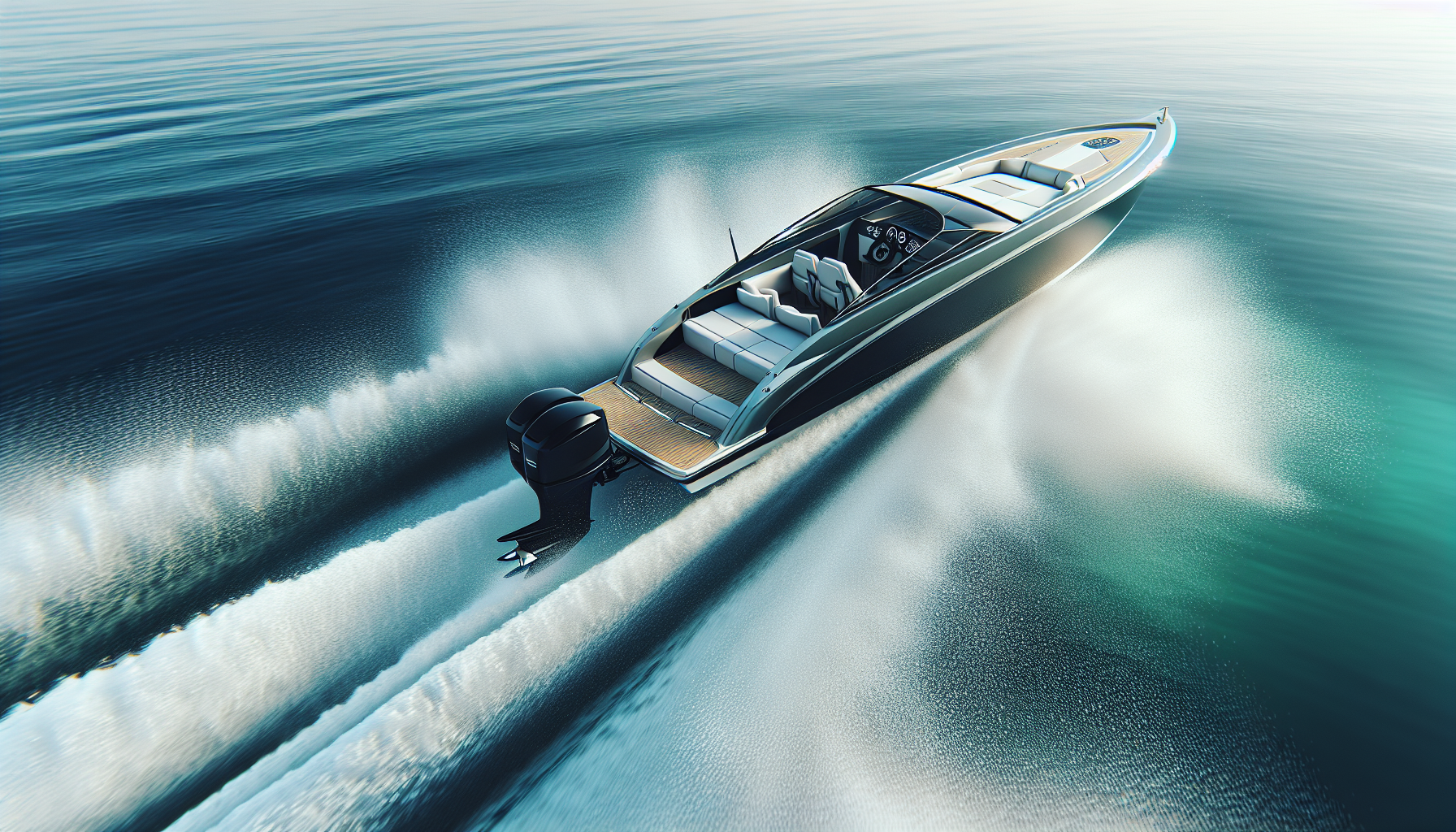
Quiet, low-emission boats are no longer niche products for early adopters; they are becoming the smartest choice for lake and river boaters who want cleaner operation, lower noise, and simpler ownership. In practical terms, this category includes fully electric boats, hybrid boats, electric outboards fitted to small craft, solar-assisted vessels, and highly efficient low-emission hulls designed to minimize fuel burn and wake. For inland waterways, where speed limits, wildlife sensitivity, and close-quarters recreation shape the experience, these boats solve real problems that conventional gasoline models often create.
When I evaluate boats for lakes and rivers, I focus on five factors that matter on the water: noise output, tailpipe emissions or total operating emissions, range at realistic cruising speeds, draft and maneuverability in shallow or narrow channels, and the ease of charging or refueling near the launch site. A quiet boat is not just pleasant; it changes the day. Anglers can approach structure without spooking fish, families can talk without shouting, paddlers and shoreline homeowners are less disturbed, and operators can comply more easily with local restrictions on wake, noise, or internal-combustion use.
Low-emission boating also matters because inland waterways are under pressure. Lakes and rivers concentrate people, docks, marinas, wildlife, and runoff in a relatively small area, so every reduction in exhaust, fuel sheen, and engine noise has an outsized benefit. Many reservoirs, municipal lakes, and protected river corridors already limit horsepower or prohibit gasoline engines entirely. That makes the best electric and eco-friendly boats more than a trend; they are often the most practical way to gain access, reduce operating costs, and future-proof a purchase. This hub explains the leading categories, who they suit, and how to choose the right quiet boat for your water.
Why quiet and low-emission boats excel on inland waterways
Lakes and rivers reward a different design brief than offshore boating. Most trips are shorter, average speeds are lower, and the environment is more intimate. On these waters, electric propulsion has a natural advantage because electric motors deliver full torque from zero rpm, produce minimal vibration, and avoid idling losses. In day-to-day use, that means smooth docking, immediate throttle response, and almost silent cruising at no-wake or displacement speeds. Brands such as Torqeedo, Mercury Avator, ePropulsion, and Pure Watercraft have built product lines around exactly this use case.
There is also a strong regulatory fit. Reservoir managers and parks departments frequently impose limits based on noise, emissions, or horsepower rather than top speed alone. Electric boats slip neatly into those rules because they have no exhaust at the point of use and are naturally quieter than combustion engines. In my experience, buyers who originally considered electric propulsion for environmental reasons often end up valuing the practical benefits more: no fuel smell in the garage, fewer routine service items, easier winterization, and lower stress when operating near swimmers, kayakers, or waterfront homes.
The best quiet boats are also good neighbors. Noise on open water travels farther than many owners expect, especially early in the morning when anglers and birders are active. A conventional outboard at low rpm may seem unobtrusive from the helm, but shoreline reflections amplify sound in narrow river corridors. Electric pontoons, electric fishing boats, and efficient displacement launches dramatically reduce that acoustic footprint. For boaters who use small inland waters repeatedly, that reduced disturbance improves access, community acceptance, and the overall quality of each trip.
Best types of electric and eco-friendly boats for lakes and rivers
The strongest hub-level recommendation is to match propulsion type to mission profile. For short outings on small lakes, a purpose-built electric fishing boat or compact runabout is often ideal. These boats prioritize efficiency, easy charging, and light weight. Examples include aluminum tiller boats rigged with high-thrust electric outboards, electric jon boats for reservoirs with combustion bans, and simple open launches used for nature tours or marina shuttles. Their strengths are low operating cost and predictable use patterns; their limitation is range at higher speeds.
For family cruising, electric pontoons deserve special attention. A pontoon hull is stable, spacious, and naturally suited to the calm-water environment of lakes and broad rivers. Companies including Godfrey, Vision Marine, and Pure Watercraft-powered pontoon builders have shown that electric propulsion works especially well where owners cruise, swim, and socialize rather than run long distances at full throttle. The tradeoff is battery mass and charging time, but on a dock-kept boat with shore power, those issues are manageable.
Small electric sailboats and solar-assisted day boats also fit inland waters exceptionally well. Because sail and solar reduce propulsion demand, these boats can stretch battery capacity and offer long, quiet outings. For outfitters, resorts, and rental fleets, they bring another advantage: novice-friendly operation with lower mechanical complexity. If your waterway permits only gentle wakes and emphasizes scenery over speed, these platforms can outperform conventional boats in the ways that matter most.
| Boat type | Best use | Main advantage | Key limitation |
|---|---|---|---|
| Electric fishing boat | Reservoirs, coves, quiet angling | Stealth, low draft, low running cost | Limited high-speed range |
| Electric pontoon | Family cruising, swimming, entertaining | Space, stability, easy dock charging | Battery weight and higher purchase price |
| Electric runabout | Short scenic trips, waterfront commuting | Fast acceleration, very low noise | Range drops quickly at planing speed |
| Hybrid boat | Mixed-distance inland cruising | Range flexibility with quieter low-speed operation | More system complexity |
| Solar-assisted launch | Eco tours, rental fleets, protected waters | Excellent efficiency and minimal disturbance | Slow speed profile |
What makes a boat truly quiet and low emission
Not every boat marketed as green performs the same way. Quiet operation starts with propulsion, but hull design matters just as much. Displacement and semi-displacement hulls move efficiently at lower speeds and produce less slap, wake, and cavitation noise than boats pushed beyond their efficient envelope. A well-matched propeller, motor controller, and battery pack can make a modestly powered boat feel refined, while a poorly matched system wastes energy and creates unnecessary noise. This is why reputable electric packages specify battery voltage, continuous power, propeller pitch, and expected runtime together rather than advertising motor power alone.
Battery chemistry is another differentiator. Most serious electric boats now use lithium-ion systems, commonly lithium iron phosphate or marine-certified NMC variants, because they provide better energy density and cycle life than lead-acid banks. Marine battery management systems monitor cell temperature, voltage balance, charge rates, and fault conditions; that is essential for safety and for preserving usable capacity over years of service. If a manufacturer cannot explain pack certification, ingress protection, thermal safeguards, and service procedures, the product is not ready for prime time.
Low emission can mean several things, and buyers should be precise. A fully electric boat has zero exhaust emissions at the point of use, which matters immediately for local air quality and user comfort. A hybrid reduces fuel consumption and can run quietly in sensitive zones while preserving range. An efficient modern four-stroke outboard paired with a lightweight hull is lower emission than older carbureted engines, but it is not in the same category as a true electric setup. For a lake or river buyer, the practical question is simple: how much noise, fuel handling, and exhaust do you want to eliminate, and what range do you truly need?
How to choose the right boat for your water, budget, and use case
Start with the route, not the boat. Measure your typical outing in hours, cruising speed, and distance between charging opportunities. Many first-time electric buyers overestimate how often they need maximum speed and underestimate how much time they spend idling, trolling, or drifting. On inland waters, those lower-speed phases dominate, which is why electric boats frequently work better in practice than buyers assume. If your lake day consists of a ten-minute departure, two hours at anchor, and a short return, a dedicated electric platform may be ideal.
Next, examine infrastructure. A trailer-stored boat can work well with home charging, especially if the battery is removable or the boat fits near a Level 2 charger. A slip-kept pontoon benefits from marina shore power, but charging rules and pedestal capacity vary widely. I advise buyers to confirm outlet type, amperage, overnight charging policies, and whether extension cords are prohibited before selecting battery size. Charging logistics matter as much as motor performance, because inconvenience quickly erodes the appeal of any propulsion system.
Budget should include the full ownership picture. Electric boats often cost more upfront, largely because marine battery packs and integrated controls are expensive, but energy cost per hour is usually lower than gasoline. Routine maintenance is also lighter because there are no oil changes, spark plugs, fuel filters, or winterized fuel systems. That said, battery replacement is a long-term cost, and some premium brands require dealer diagnostics for software and high-voltage service. Sensible buyers compare five-year cost of ownership, not sticker price alone.
Finally, consider support. The best boat is the one you can actually service in your region. Look for established dealers, warranty clarity, ABYC-aligned installation practices, and named suppliers for batteries, chargers, and control systems. A brilliant concept boat without parts availability can become unusable after a minor component failure. On the other hand, a modest electric skiff built around proven hardware from Torqeedo or ePropulsion may deliver years of dependable use with minimal fuss.
Top subcategories this hub should guide you to explore
As a hub within the broader best boats and reviews topic, this page should help readers narrow the field efficiently. The first subcategory is electric fishing boats, including bass boats for electric-only lakes, compact aluminum rigs, and shallow-draft jon boats with high-thrust electric outboards. Buyers in this segment care about stealth, spot-lock style positioning systems, battery endurance for electronics, and trailer-friendly weight. A dedicated guide should compare bow-mounted trolling systems against primary electric outboards and explain realistic all-day fishing runtimes.
The second subcategory is electric pontoon boats, which are often the best quiet family boats for lakes. Readers usually ask about seating capacity, swim access, recharge time, and whether electric pontoons can tow tubes. The honest answer is that some can, but towing shortens range sharply and should be treated as an occasional activity unless the boat carries a large battery pack. A strong follow-on review page should compare comfort-oriented models against performance pontoons and clarify the relationship between speed, wake, and battery drain.
Next are electric outboards and repower guides. This is one of the fastest-growing corners of the market because owners can convert an existing tender, skiff, dinghy, or small sailboat without buying a new hull. Key questions include shaft length, transom strength, remote versus tiller controls, portable versus fixed batteries, and compatibility with onboard solar or house loads. A useful sub-pillar should also explain equivalent thrust and why comparing electric power directly to gasoline horsepower can be misleading without discussing propeller efficiency and duty cycle.
Other valuable branches include solar-assisted boats, hybrid cruisers for longer inland passages, the best low-emission rental fleet boats, and charging solutions for marinas and home docks. Together, these pages create a complete map of the best electric and eco-friendly boats category, allowing readers to move from broad understanding to a purchase-ready shortlist.
Common mistakes buyers make when shopping this category
The most common mistake is buying on top speed alone. Electric boats can deliver thrilling acceleration, but sustained high-speed operation drains batteries much faster than many new owners expect. The right comparison is not whether an electric runabout can briefly match a combustion boat; it is whether the boat performs your actual day on the water comfortably. A slower, more efficient hull often creates a better ownership experience because it extends range, reduces wake, and aligns with lake and river rules.
Another error is ignoring payload. Extra passengers, coolers, fishing gear, and wet storage all affect range and trim. Inland boaters often carry more than they realize, especially on family outings. I have seen otherwise capable electric pontoons disappoint simply because the advertised runtime assumed light loading and mild conditions. Buyers should ask for test data at realistic payloads and cruising speeds, not idealized brochure numbers.
Finally, some owners underestimate environmental exposure. Freshwater is gentler than saltwater, but batteries, connectors, and chargers still face vibration, humidity, UV exposure, and occasional submersion risks at the ramp. Waterproof ratings, corrosion-resistant terminals, and proper cable routing matter. So does software support. Modern electric boats are increasingly digital products, and long-term value depends on updates, diagnostics, and the stability of the manufacturer behind the system.
The best quiet and low-emission boats for lakes and rivers are the ones that match inland boating reality: shorter trips, lower speeds, closer contact with wildlife and neighbors, and growing pressure to reduce noise and exhaust. Fully electric fishing boats, electric pontoons, repowered skiffs, solar-assisted launches, and carefully designed hybrids each serve a clear purpose, and each can outperform conventional options when used in the right setting. The key is to evaluate them by route, range, charging access, payload, and dealer support rather than by marketing claims or gasoline-era assumptions.
If you remember only three things, make them these. First, quiet propulsion changes the on-water experience more than most buyers expect, improving comfort, access, and fishability. Second, battery capacity is only meaningful when paired with realistic speed and payload data. Third, the strongest values in this category come from proven systems, documented safety standards, and a boat type that fits your local lake or river. Start by defining your typical day on the water, then use that profile to compare electric and eco-friendly models with confidence.
Use this hub as your starting point for the best electric and eco-friendly boats, then move into the subcategory guides that match your needs, whether that means an electric fishing rig, a family pontoon, a repower project, or a solar-assisted cruiser. With the right choice, you will get quieter trips, lower emissions, simpler maintenance, and a boat better suited to the waterways you actually use.
Frequently Asked Questions
What types of quiet and low-emission boats are best suited for lakes and rivers?
For lakes and rivers, the best quiet and low-emission boats are usually those designed around moderate speeds, smooth handling, and efficient operation rather than high-horsepower performance. In most inland settings, that means fully electric boats, hybrid boats, small craft equipped with electric outboards, solar-assisted boats, and efficient low-wake hulls with low-emission propulsion systems. Fully electric boats are often the top choice for calm lakes, no-wake zones, marinas, and short-to-medium recreational trips because they produce virtually no onboard emissions and operate with very little noise or vibration. That quietness makes them especially appealing for fishing, wildlife viewing, family cruising, and use in areas where preserving shoreline peace matters.
Hybrid boats can be a strong option for longer days on the water or waterways where charging access is still limited. They combine electric propulsion with a conventional engine or generator support, giving owners more range flexibility while still reducing fuel use and noise during low-speed cruising. Electric outboards fitted to tenders, jon boats, skiffs, and small fishing boats are also increasingly practical, especially for boaters who want to upgrade an existing hull rather than buy a completely new vessel. Meanwhile, solar-assisted designs can help extend battery endurance, although solar is typically best viewed as a supplemental energy source rather than a full replacement for shore charging.
Hull design matters just as much as propulsion. A lightweight, efficient hull can dramatically reduce energy demand, improve range, and create less wake, which is important on narrow rivers and developed shorelines. For inland boating, the best boat is often not the one with the biggest motor, but the one with the most balanced combination of efficient hull shape, quiet propulsion, manageable draft, and practical range for the way you actually use the water.
Are electric boats powerful enough for real-world lake and river use?
Yes, in many cases electric boats are more than capable for real-world use on lakes and rivers, especially because inland boating rarely requires sustained high speeds. Most lake and river outings involve cruising, fishing, short-distance transportation, sightseeing, or relaxed family recreation, all of which align very well with electric propulsion. Electric motors deliver instant torque, which means they feel responsive right away when maneuvering away from a dock, holding position near structure, or navigating current at low to moderate speeds. That immediate low-speed control is one of the reasons many owners find electric boats easier and more pleasant to operate than traditional combustion-powered alternatives.
The key is matching the boat and motor system to the intended use. A compact electric outboard can be excellent for a small fishing boat or tender, while a purpose-built electric pontoon or cruiser may be ideal for all-day lake outings at leisurely speeds. Where some buyers get confused is by comparing electric boats to high-speed gas-powered runabouts. If your goal is fast planing performance over long distances, a fully electric setup may still involve tradeoffs in range, battery weight, and charging time. But if your typical use is governed by no-wake zones, speed-restricted rivers, marina areas, or environmentally sensitive shorelines, electric propulsion is often not just sufficient, but actually better suited to the environment.
It is also worth remembering that “powerful enough” on inland waterways includes more than top speed. Quiet operation, predictable thrust, low maintenance, and a reduced environmental footprint are all meaningful forms of performance. For many boaters, the ability to enjoy a peaceful trip, hold conversations at normal volume, and spend less time dealing with fuel and service issues is more valuable than raw speed.
How far can a quiet, low-emission boat travel on a single charge or tank?
Range depends heavily on the propulsion type, hull efficiency, passenger load, weather, current, and cruising speed. For fully electric boats, the biggest factor is usually speed. Just as with electric cars, energy use rises quickly when you push harder. A boat moving slowly and efficiently on a lake or protected river can often stay out much longer than a boat driven near its top speed. That means many electric boats are very well suited to the stop-and-go, low-speed profile common on inland waterways, where owners may spend more time drifting, fishing, or cruising than running flat out.
Small electric outboards on lightweight craft may provide several hours of practical use for short fishing sessions or tender duty. Larger electric pontoons and day boats can support half-day or full-day outings if operated within their intended cruising profile. Hybrid boats extend flexibility by allowing electric operation in quiet zones while retaining conventional backup for longer routes. Solar-assisted boats may gain incremental range benefits during daylight use, particularly in sunny climates, but solar charging alone is rarely enough to fully replenish a propulsion battery in normal use. For low-emission fuel-powered boats with efficient hulls, range can be excellent because they burn less fuel per mile and often operate efficiently at the moderate speeds common on lakes and rivers.
The smartest way to evaluate range is to think in terms of your real boating routine. How many miles do you actually travel in a day? How long are you underway versus anchored or drifting? Do you boat on still lakes or rivers with current? A well-matched electric or hybrid boat can easily meet the needs of many inland users, but the right answer comes from a realistic use case rather than a marketing number. Buyers should look for manufacturer data at multiple speeds, not just best-case range estimates, and they should leave a comfortable reserve for wind, detours, and changing conditions.
What are the main benefits of choosing a quiet, low-emission boat over a traditional gas-powered model?
The biggest benefits are lower noise, reduced emissions, simpler ownership, and a better overall fit for the realities of inland boating. Quiet operation changes the entire experience on the water. Conversations become easier, wildlife encounters feel more natural, and early-morning departures or evening returns are less disruptive to neighbors and shoreline communities. On narrow rivers, peaceful coves, and small lakes, that reduced sound footprint is not just a luxury; it is often one of the defining advantages of modern electric and low-emission propulsion.
Environmental benefits are also significant. Fully electric boats eliminate tailpipe emissions during operation, while hybrids and highly efficient low-emission boats reduce fuel burn and cut overall environmental impact compared with conventional setups. On lakes and rivers where water quality, shoreline habitat, and fishery health are closely monitored, cleaner propulsion can be an important part of responsible recreation. Many inland waterways also have restrictions on engine type, wake, or emissions, so choosing a quieter and cleaner boat may improve access and long-term compliance as regulations evolve.
Ownership can also be simpler. Electric boats generally have fewer moving parts than internal combustion systems, which can mean less routine maintenance, no fuel spills, no oil changes in the traditional sense, and fewer vibration-related wear issues. Charging at home or at the dock can be more convenient than transporting fuel, especially for smaller craft. Even efficient low-emission combustion boats can offer benefits through better fuel economy, lower operating costs, and reduced wake impact. Altogether, these boats are not just about being environmentally conscious; they are increasingly a practical, comfortable, and cost-aware choice for the way people actually use lakes and rivers.
What should buyers consider before purchasing a quiet or low-emission boat for inland waterways?
Buyers should start with mission clarity: where the boat will be used, how far it needs to travel, what speeds are realistic, and whether charging or fueling access is convenient. On lakes and rivers, the best purchase is rarely the most powerful or expensive model. It is the one that matches local conditions and usage patterns. Consider whether you will mostly cruise in no-wake areas, fish at low speed, make short family outings, or cover longer river distances with current and variable weather. Those answers will help determine whether a fully electric, hybrid, solar-assisted, or highly efficient low-emission boat makes the most sense.
Charging and infrastructure are especially important for electric models. Buyers should understand battery capacity, charging time, available shore power, and whether home charging is possible. It is also wise to ask about battery warranty, long-term replacement cost, cold-weather performance, and how the system manages range estimation under load. For all boat types, hull efficiency, draft, beam, passenger capacity, and wake characteristics matter a great deal on inland waterways. A boat that is efficient and stable at moderate speed will often be more satisfying than one designed primarily for high-speed coastal performance.
Finally, buyers should evaluate total cost of ownership instead of focusing only on sticker price. Electric and low-emission boats can have higher upfront costs, but lower fuel, maintenance, and service expenses may improve long-term value. Dealer support, service network quality, software support for electric systems, and availability of replacement parts are also important. A test ride is highly recommended because quiet propulsion feels different in a very positive way: smoother, calmer, and more controlled. Once buyers experience that difference in the actual lake or river environment they plan to use, the right choice often becomes much clearer.