The boating industry is entering a decisive period, and the best environmentally friendly boats for 2026 are no longer niche experiments. They are practical, quieter, cleaner, and increasingly capable options for private owners, charter operators, marinas, and commercial fleets. When I evaluate eco-friendly boats today, I look beyond marketing claims and focus on propulsion efficiency, battery chemistry, hull design, lifecycle impact, charging access, maintenance demands, and real-world range. That broader lens matters because a boat is only truly sustainable if it reduces emissions and pollution without creating operational headaches that push owners back toward diesel.
An environmentally friendly boat generally falls into one of four categories: fully electric, hybrid-electric, solar-assisted, or hydrogen-ready. Electric boats use battery packs and motors instead of combustion engines. Hybrid boats combine electric drive with a generator or fuel engine for extended range. Solar-assisted boats integrate photovoltaic panels to support hotel loads or slow cruising. Hydrogen concepts rely on fuel cells or hydrogen combustion, though infrastructure remains limited. For 2026, electric and hybrid models lead the market because charging networks, marine battery management systems, and lightweight composite hulls have improved quickly.
This topic matters for more than environmental image. Marine engines contribute to local air pollution, underwater noise, fuel spills, and shoreline emissions, especially in marinas, lakes, inland waterways, and protected coastal zones. Regulations are tightening in Europe and parts of North America, while buyers increasingly want low-maintenance craft with predictable operating costs. In my experience reviewing new marine platforms, the most successful sustainable boats are the ones designed around the entire use case: day cruising, water taxi service, yacht tender duty, fishing on electric-only lakes, or luxury coastal travel. The best models in 2026 are not simply greener boats. They are better-matched boats.
What makes a boat environmentally friendly in 2026
The clearest definition is simple: an environmentally friendly boat reduces harmful emissions, noise, fuel leakage, and wake-related inefficiency while maintaining safe performance. In practice, that means designers focus on three measurable areas. First is propulsion. Electric outboards and inboards from brands such as Torqeedo, Mercury Avator, ePropulsion, and Vita replace gasoline systems and eliminate tailpipe emissions at the point of use. Second is energy storage and management. Lithium-ion batteries, usually lithium iron phosphate or nickel manganese cobalt variants, are monitored by battery management systems that regulate temperature, charging, and discharge. Third is hydrodynamic efficiency. Narrower hulls, foils, catamaran forms, and optimized planing surfaces reduce the energy needed per nautical mile.
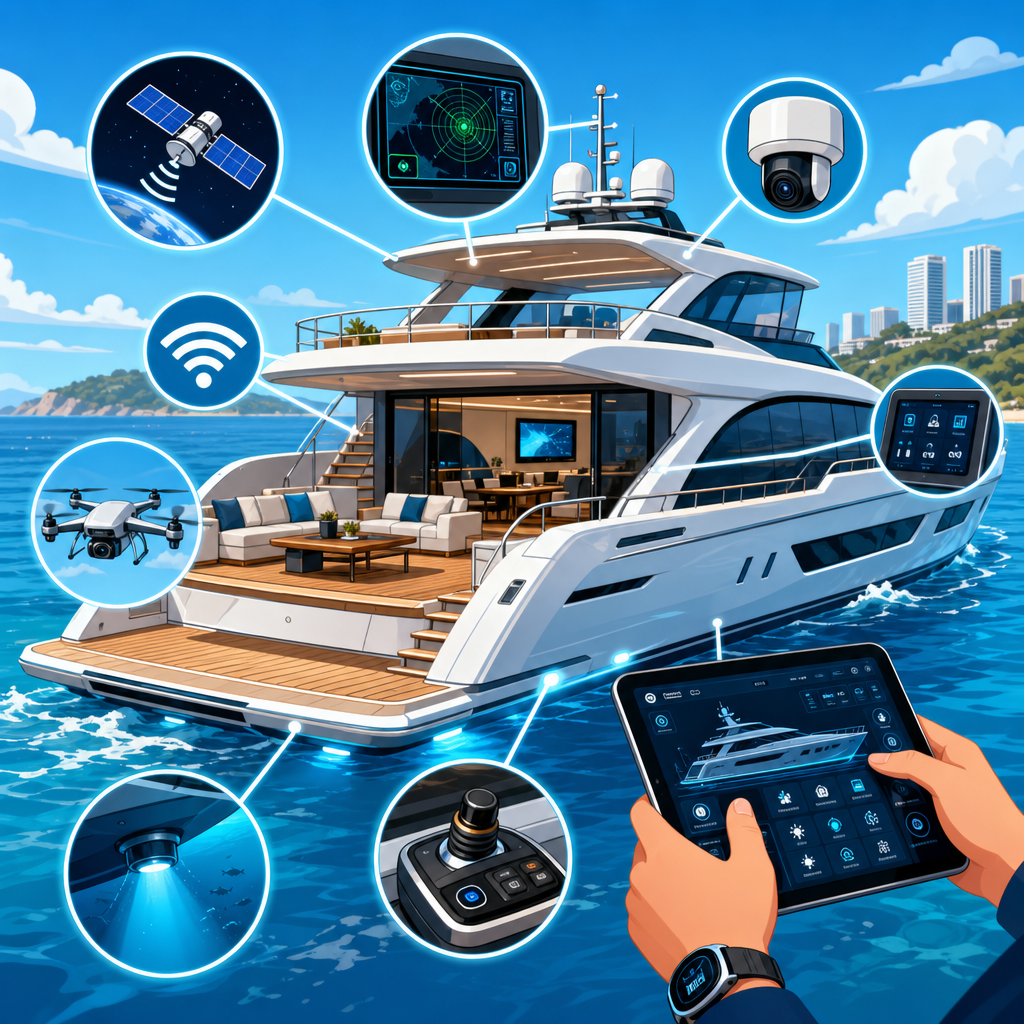
Materials also matter, although they are often overlooked. Recycled aluminum, responsibly sourced teak alternatives, low-VOC resins, cork decking, and modular interior components reduce lifecycle impact. Several builders now use digital switching and smart energy dashboards so owners can see draw from propulsion, refrigeration, lighting, and navigation systems in real time. That kind of transparency changes behavior. On test days, I have seen owners extend range significantly just by trimming speed from 24 knots to 18 and watching consumption curves flatten on the display.
Environmental performance is not identical to perfection. Batteries require mining and careful end-of-life handling. Shore power only cuts total emissions substantially if the charging source is relatively clean. Heavy electric boats can lose efficiency at speed. Still, for short-range and medium-range use, the emissions reduction, reduced maintenance, and silent operation are compelling enough that 2026 is shaping up as a breakout year.
The best fully electric boats for 2026
Fully electric boats are the strongest choice for owners who prioritize zero-emission operation on the water and predictable day-use patterns. Among the most credible options for 2026, the Candela C-8 stands out because it combines electric propulsion with computer-controlled hydrofoils. By lifting the hull above the surface at speed, it dramatically reduces drag and extends range compared with conventional electric runabouts. Candela has positioned the C-8 as a premium day cruiser, and its technical approach is important because it solves one of the biggest electric boating challenges: energy wasted pushing hull resistance through water.
Another major contender is the Arc Sport, developed in the United States for watersports and premium recreation. Arc has focused on strong acceleration, modern software integration, and battery architecture that supports high-performance use cases. In practical terms, that makes it more than a novelty. It shows that electric boats can satisfy buyers who would otherwise choose a wake boat with a gasoline V8. For inland lakes with dockside charging, this category is especially attractive.
The X Shore range, including models designed for coastal leisure, remains one of the clearest examples of Scandinavian electric marine design shaping the market. X Shore emphasizes minimalist helm layouts, recycled and low-impact materials, and digital trip planning. During marina demonstrations, these boats tend to convert skeptical buyers quickly because the quiet is immediate and the control response feels precise rather than compromised.
Electric pontoon and tender segments are also improving fast. Smaller craft powered by Torqeedo Deep Blue, Mercury Avator, or ePropulsion systems are ideal for resorts, yacht clubs, and homeowners using a boat for short transfers, sunset cruising, or fishing. These boats may not grab headlines like foiling craft, but they are where broad adoption happens because the economics are easy to understand.
The best hybrid and solar-assisted boats for 2026
Hybrid boats deserve serious attention because they fit real cruising habits better than many buyers expect. A hybrid marine system usually allows silent maneuvering in harbors and anchorages, efficient low-speed electric cruising, and generator or combustion support for longer passages. This architecture works well for catamarans, expedition yachts, canal boats, and commercial operators that cannot risk range limitations. Brands such as Silent Yachts have built much of their identity around electric and solar-assisted catamarans, using roof-mounted solar arrays to cover hotel loads and supplement propulsion. Solar alone rarely powers fast cruising, but it meaningfully reduces generator runtime and increases autonomy at anchor.
Greenline Yachts remains influential in this category because it brought practical hybrid cruising concepts to mainstream buyers earlier than many competitors. Its boats show how hybridization is most effective when paired with efficient hull forms and energy-conscious onboard systems. Owners can glide out of port on electric power, run air conditioning and appliances from battery banks, and rely on a diesel engine only when needed for range or speed.
For charter fleets and hospitality operators, that flexibility matters. A hybrid day boat can provide silent guest experiences near beaches or wildlife zones while maintaining all-day scheduling reliability. I have seen operators choose hybrid not because they doubt electric propulsion, but because they know a full booking calendar leaves little room for charging delays in remote harbors.
| Boat type | Best use case | Main environmental advantage | Key limitation |
|---|---|---|---|
| Fully electric | Day cruising, lake use, tenders, watersports | Zero on-water emissions and very low noise | Range depends on charging access and speed |
| Hybrid-electric | Coastal cruising, charter, commercial duty | Lower fuel burn with backup range security | More system complexity and maintenance |
| Solar-assisted | Catamarans, slow cruising, hotel loads at anchor | Reduced generator use and better energy autonomy | Solar contribution varies by weather and surface area |
| Hydrogen-ready | Future commercial and high-visibility pilot projects | Potential for very low emissions at scale | Limited infrastructure in 2026 |
How to choose the right eco-friendly boat
The best environmentally friendly boat is the one that matches how you actually use it. Start with your operating profile. If 90 percent of your trips are under 25 nautical miles and you return to the same dock, a fully electric boat is usually the right answer. If you run multi-day coastal itineraries, carry paying passengers, or cruise in areas with uncertain charging, hybrid makes more sense. I always advise buyers to map their last twenty trips before talking about propulsion. That exercise quickly exposes whether they need genuine long-range capability or only think they do.
Next, assess charging and service support. A beautiful electric boat becomes frustrating if your marina lacks adequate shore power or if the nearest certified technician is hundreds of miles away. Ask about charging speed, battery warranty terms, thermal management, software updates, and emergency limp-home procedures. Reputable builders will answer clearly. Vague answers are a warning sign.
Hull efficiency matters as much as battery size. A well-designed 25-foot electric boat with an efficient hull can outperform a heavier, less efficient 30-foot model carrying a larger battery. Also look at total system integration. The best builders engineer propulsion, controls, cooling, and monitoring together instead of assembling parts from unrelated suppliers.
Finally, consider ownership economics. Electric boats usually have higher upfront pricing but lower maintenance because there are fewer moving parts, no oil changes, and less winterization complexity. Over several seasons, that cost structure can be favorable, particularly for high-use owners and fleets.
Leading technologies shaping 2026 models
Several technologies are pushing environmentally friendly boats from early adoption into practical mainstream use. Hydrofoils are the most visible advance because they address the energy density problem directly by reducing drag. Candela proved that software-controlled foiling is not just a racing concept but a consumer-ready efficiency tool. Battery advances are equally important. Marine packs now feature safer packaging, improved cooling loops, smarter cell balancing, and more robust ingress protection. Compliance with standards from bodies such as ABYC and classification societies gives buyers more confidence in system safety.
Fast charging infrastructure is developing unevenly, but progress is real. Destination marinas, waterfront hotels, and premium residential docks are beginning to treat high-capacity marine charging as an amenity, much like EV charging in hospitality. Meanwhile, smart route planning software can estimate energy use based on speed, current, wave state, and auxiliary loads. That forecasting reduces range anxiety because operators can make informed decisions before leaving the slip.
Electric outboards are another breakthrough area. Five years ago, many were suitable only for tenders and very small fishing boats. In 2026, the category is broader, with cleaner rigging, stronger digital controls, and better integration with app-based diagnostics. For many first-time eco-boat buyers, an electric outboard skiff or pontoon is the most sensible entry point.
Challenges, tradeoffs, and what buyers should watch
Even the best green boats involve tradeoffs. Range remains the central constraint for pure electric models, especially at high planing speeds. Cold weather can reduce battery performance, and heavy seas increase consumption. Replacement batteries are expensive, though long warranties and falling cell costs are improving the outlook. Insurance underwriting for newer electric platforms can also vary by region.
There is also a difference between a sustainable concept and a supportable product. Some startups produce striking renderings but have limited dealer networks, uncertain parts pipelines, or unproven service capability. Buyers should favor builders with documented sea trials, installed fleets, transparent specifications, and partnerships with known suppliers. Ask for independent reviews, owner references, and actual charging data rather than brochure claims.
Still, the direction is clear. The best environmentally friendly boats for 2026 are more refined, more capable, and more commercially credible than previous generations. If your boating pattern suits electric or hybrid propulsion, the benefits are immediate: lower noise, cleaner marinas, simpler maintenance, and a far more modern ownership experience. Start by defining your range, speed, and charging reality, then compare proven models from companies with strong technical support. Buyers who do that homework will find that choosing a greener boat in 2026 is not a compromise. It is often the smartest upgrade they can make.
Frequently Asked Questions
What makes a boat genuinely environmentally friendly in 2026?
A genuinely environmentally friendly boat in 2026 is defined by much more than the absence of a conventional fuel engine. The strongest options combine efficient propulsion, smart hull design, lower-emission materials, quieter operation, and reduced lifecycle impact. In practical terms, that means looking at whether a boat uses fully electric, hybrid, hydrogen-assisted, or highly optimized low-emission propulsion; how efficiently it moves through the water; and whether the builder has addressed sustainability across manufacturing, maintenance, and end-of-life disposal.
Propulsion efficiency is often the first place to start. A boat with an electric drivetrain and poor hull efficiency can still be less practical and less sustainable than a well-designed vessel that needs less energy to travel the same distance. Battery chemistry also matters. In 2026, buyers should pay attention to battery durability, thermal stability, charging performance, recyclability pathways, and expected degradation over time. Equally important is whether the builder has engineered the boat around the propulsion system instead of simply retrofitting an electric motor into a legacy design.
Hull shape plays a major role in environmental performance. Lighter displacement hulls, hydrofoil-assisted designs, catamarans, and purpose-built electric planing hulls can drastically reduce energy use. Then there is the operating environment: a boat used for short marina transfers, inland cruising, protected-water sightseeing, or harbor service may be an excellent fit for full electric propulsion, while longer-range applications may currently be better served by hybrid systems or other transitional technologies. The most environmentally friendly boat is the one that matches its real-world duty cycle with the least waste, lowest emissions, and highest long-term efficiency.
Are electric boats practical for real-world use, or are they still mainly for short trips?
Electric boats are now practical for many real-world use cases, but their suitability depends heavily on how and where the boat will be used. For day boating, lake use, marina shuttles, hotel tender operations, harbor patrol, sightseeing tours, and short-range coastal cruising, modern electric boats in 2026 are often not just viable but highly attractive. They are quieter, smoother, easier to maintain, and increasingly capable of delivering dependable range when owners operate within a predictable profile.
That said, range remains one of the most important evaluation points. Unlike road vehicles, boats face highly variable drag depending on speed, load, hull condition, current, wind, and sea state. Running at higher speeds can dramatically increase power draw, which means advertised range figures should always be treated as best-case or moderate-use estimates. A responsible buyer should ask for performance data at multiple speeds, not just a single marketing headline. It is also wise to evaluate recharge times, onboard energy monitoring, and whether the marina or home dock has reliable charging infrastructure.
In practice, many owners discover that electric boating works best when expectations are aligned with usage. If most outings are two to six hours and return to the same dock, electric propulsion can be excellent. For operators with fixed routes, such as charter loops or commuter runs, it can be even better because energy use becomes highly predictable. Where electric boats still face limitations is in long-distance offshore cruising, remote-area travel, and heavy-duty performance use where refueling flexibility and energy density remain critical. So yes, electric boats are practical in 2026, but they are most impressive when matched intelligently to the mission.
How should buyers compare battery chemistry, charging access, and long-term ownership costs?
Buyers should think of battery chemistry, charging access, and ownership costs as interconnected factors rather than separate checklist items. Battery chemistry influences safety, weight, lifespan, charging speed, thermal performance, and replacement expense. In 2026, many eco-friendly boats use advanced lithium-based systems, but not all packs are equal. A serious buyer should ask about usable capacity versus total capacity, expected cycle life, depth-of-discharge recommendations, warranty terms, cooling systems, battery management software, and the manufacturer’s replacement and recycling strategy.
Charging access is just as important as the battery itself. A technically excellent electric boat can become inconvenient if charging is slow, inconsistent, or unavailable where the boat is actually kept. Owners should verify shore power compatibility, fast-charging support if offered, marina electrical upgrades, charging etiquette in shared docks, and whether overnight charging is sufficient for their use pattern. Commercial operators, in particular, need to evaluate turnaround times, demand charges, backup charging plans, and whether route schedules can accommodate recharge windows without hurting revenue.
Long-term ownership costs often favor eco-friendly boats, especially electric models, because they usually have fewer moving parts, lower routine maintenance demands, and less exposure to oil changes, fuel system servicing, and mechanical wear associated with combustion engines. However, those savings should be weighed against battery replacement risk, software support, specialist service availability, insurance considerations, and infrastructure upgrades. The smartest way to compare boats is through total cost of ownership over several years, including energy cost per operating hour, service intervals, probable battery aging, resale value, and downtime. That broader view is far more useful than comparing purchase prices alone.
Which eco-friendly boat technologies are likely to lead the market in 2026?
The market leaders in 2026 are likely to be fully electric boats for short- to mid-range applications, hybrids for more flexible cruising profiles, and highly efficient hull platforms that reduce energy demand regardless of propulsion type. Fully electric boats are gaining momentum because they deliver immediate benefits that owners can feel every time they leave the dock: quiet operation, instant torque, low vibration, and simplified maintenance. As battery systems improve and charging infrastructure expands, this category is becoming increasingly compelling for recreational and light commercial use.
Hybrid boats will remain important because they bridge the gap between environmental progress and practical range requirements. For owners who want lower emissions and quieter low-speed operation but still need backup range or cruising flexibility, hybrids can be a strong transitional solution. Their value depends on how intelligently they are engineered. A well-designed hybrid system can optimize energy use, reduce fuel burn, and support marina-friendly electric maneuvering, while a poorly integrated one may add complexity without delivering enough real benefit.
Another major trend is that hull efficiency is becoming a competitive advantage in its own right. Designers are focusing more on lightweight construction, reduced drag, foil assistance, catamaran stability, and software-driven energy management. In many cases, the best environmentally friendly boats for 2026 will not simply be the ones with the newest motors, but the ones built from the keel up to consume less energy. Expect market leaders to be brands that can prove performance with transparent range data, practical charging solutions, durable battery systems, and measurable lifecycle improvements rather than vague sustainability claims.
What should private owners, marinas, and commercial fleets look for before investing in an eco-friendly boat?
Before investing, all buyers should begin with operational reality rather than brand hype. The first question is simple: what will this boat actually do most of the time? Private owners should map average trip length, cruising speed, passenger load, docking conditions, and access to home or marina charging. Marinas should consider not only their own service vessels but also whether customer demand justifies charging infrastructure, electrical upgrades, and future dockside energy planning. Commercial fleets need the most rigorous analysis of all, including route repeatability, utilization rates, charging turnaround, maintenance staffing, and revenue impact during downtime.
It is also essential to evaluate support infrastructure around the boat, not just the vessel itself. That includes local technicians trained on the propulsion system, battery service protocols, software update support, parts availability, remote diagnostics, and emergency procedures. In 2026, some eco-friendly boats are sold with sophisticated digital systems that improve efficiency and maintenance planning, but those benefits only matter if the owner or operator has access to dependable support. A strong dealer or service network can be as important as range or top speed.
Finally, investors should look at lifecycle impact and strategic fit. For a private owner, that may mean lower noise, cleaner boating, and reduced annual maintenance. For marinas, it may mean attracting a new class of environmentally conscious customers while preparing for regulatory changes and future shore-power demand. For fleets, it may mean lower fuel exposure, stronger sustainability reporting, and improved passenger experience. The best investment is rarely the most aggressively marketed boat. It is the one with verified efficiency, realistic range, serviceable technology, and an ownership model that remains practical year after year.