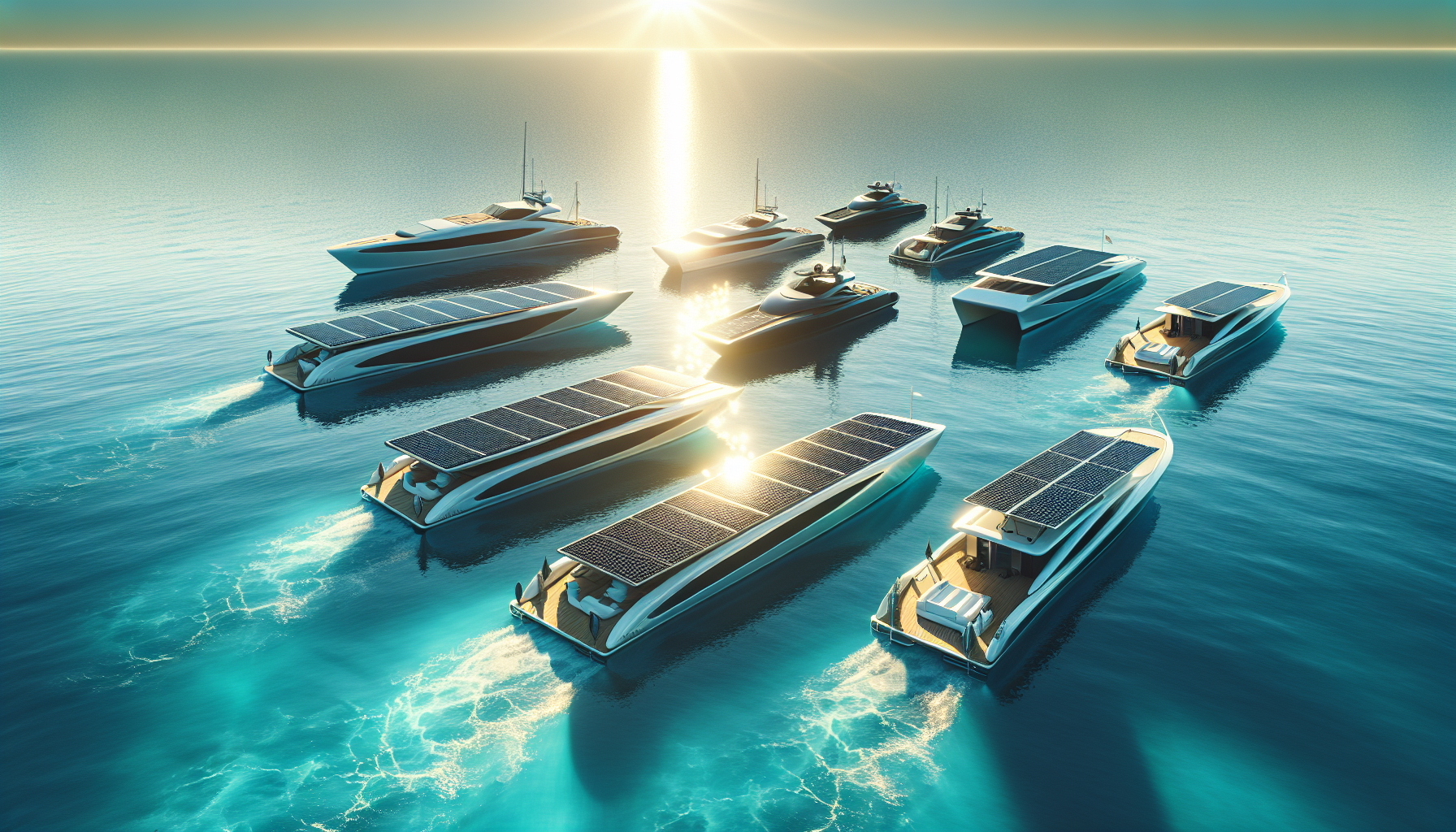

Electric boats are moving from novelty to serious marine transport, and the best electric boats on the market in 2026 prove that the category has matured. In practical terms, an electric boat uses battery-powered propulsion instead of an internal combustion engine, though some models also combine electric drive with range-extending systems or shore power charging infrastructure. For buyers, marina operators, and waterfront homeowners, that shift matters because electric propulsion reduces local emissions, cuts noise dramatically, lowers routine maintenance, and changes the on-water experience in ways that are easy to appreciate after a single test ride. I have spent enough time around modern electric marine systems to know that the sales pitch is not just about sustainability; it is also about instant torque, cleaner decks, simpler controls, and less vibration at cruising speed. In 2026, the market is finally broad enough to compare real options across luxury dayboats, tenders, fishing platforms, and high-performance runabouts. Battery energy density still trails liquid fuel for long-range offshore use, and charging access remains uneven from region to region, but the best builders now design around those limits intelligently. Brands are pairing efficient hulls, integrated software, and high-quality lithium-ion packs to deliver real-world usability. For buyers searching terms like electric boats for sale, best electric boat brands, or electric boat range, the right question is no longer whether a good model exists. The right question is which electric boat best fits your water, speed, passenger load, and charging routine.
What Makes an Electric Boat Worth Buying in 2026
The best electric boats in 2026 are not simply hulls with batteries dropped in. The strongest models are engineered as complete systems, where propulsion, battery management, charging architecture, weight distribution, and hull efficiency work together. When I evaluate electric boats, I focus on five measurable factors: usable range, charging speed, power-to-weight balance, onboard software, and dealer support. Range is the headline number buyers ask about first, but it is only meaningful when tied to speed. A boat that can run all afternoon at displacement pace may deliver less than an hour at full throttle. Serious brands now publish profiles that show endurance at multiple speeds, which is a better sign of credibility than a single marketing claim. Charging matters just as much. Some boats are ideal for overnight AC charging at a private dock, while others support faster DC charging that better suits commercial or hospitality use. Battery chemistry and thermal management are equally important because marine environments punish electrical systems with heat, moisture, and vibration. The top manufacturers use robust battery management systems and marine-rated components that comply with recognized standards from organizations such as ABYC and, in many markets, relevant ISO frameworks. Software is becoming a real differentiator too. Good interfaces show state of charge, remaining range by speed, regenerative potential where applicable, and fault diagnostics in clear language. Finally, support matters more than many first-time buyers expect. An electric boat can be mechanically simpler than a gasoline model, but if a charger fails or a software update is required in peak season, responsive service becomes part of the ownership value.
Top Electric Boat Models Leading the Market
Candela remains one of the most important names in electric boating because it solved a core problem better than most rivals: energy efficiency at speed. The Candela C-8 uses computer-controlled hydrofoils to lift the hull above the water, reducing drag and dramatically extending range compared with conventional planing boats. That concept is not theoretical anymore. It has translated into production craft that feel smooth, quiet, and distinctly modern underway. For buyers on larger inland lakes or protected coastal routes, the C-8 stands out as one of the best electric boats for combining usable speed with premium fit and finish.
X Shore has also established itself as a benchmark brand, particularly with the X Shore Eelex 8000 and the newer X Shore 1. These boats appeal to buyers who want Scandinavian design, intuitive helm controls, and practical dayboat versatility. The Eelex 8000 is especially strong as a premium all-purpose electric center console, suitable for swimming, commuting, or carrying guests in style. The X Shore 1 pushes toward a more accessible price point without abandoning the minimalist, well-integrated design language that made the company prominent.
Arc Boat Company deserves serious attention in any 2026 roundup. The Arc One turned heads for its premium electric wake performance, and Arc Sport expanded the appeal by emphasizing watersports usability and refined software integration. In firsthand demos and owner reports, the company’s strength is obvious: it understands that buyers in this segment care about torque, ballast management, cockpit layout, and digital controls as much as raw battery size. For lakefront owners who want a clean, quick, low-maintenance wake and recreation platform, Arc has become one of the most relevant electric boat brands.
Vision Marine Technologies remains important on the propulsion side and through complete boat partnerships. Its high-output electric outboard systems, including the E-Motion platform, have helped move electric boating beyond small tenders into performance-oriented applications. When paired with compatible hulls, these systems show that electric propulsion can deliver serious acceleration. Meanwhile, companies such as Ingenity, Pure Watercraft, and ePropulsion continue filling strategic gaps in the market, from electric pontoons and family runabouts to modular outboards for repower projects.
Best Electric Boats by Use Case
The best electric boat for a private lake is often different from the best electric boat for a marina shuttle or luxury resort fleet. Use case should drive the buying decision. On calm inland water, an owner who runs short loops from dock to sandbar can prioritize comfort, swim access, and overnight charging. In that scenario, boats like the X Shore 1 or an electric pontoon with Pure Watercraft propulsion make practical sense. They deliver enough range for routine recreation without forcing the buyer to pay for capabilities they rarely use.
For premium day cruising and commuting, Candela’s hydrofoil approach is still one of the clearest category leaders. If your route regularly covers meaningful distance and you want to maintain higher cruising speeds without draining the pack too quickly, reduced drag is not a luxury feature; it is the business case. That is why foiling electric boats attract so much attention from both private buyers and commercial operators. The efficiency gain changes the economics.
Wake sports and high-energy lake use point to Arc. Electric torque is perfectly suited to pulling riders from a dead stop, and software-controlled power delivery creates a smooth, repeatable experience. Families that would previously have chosen a premium inboard towboat are now considering electric alternatives because they can get strong acceleration, cleaner operation near swimmers, and less downtime associated with engine servicing.
Commercial and hospitality operators need something else again: reliability, predictable charging windows, and easy driver training. Electric passenger launches, water taxis, and resort shuttles benefit from quiet running and lower operating costs, especially where routes are short and repetitive. In those duty cycles, electrification can outperform combustion financially over time, not just environmentally.
| Use Case | Best-Fit Boat Type | Why It Works |
|---|---|---|
| Private lake recreation | Electric dayboat or pontoon | Short runs, easy overnight charging, quiet family use |
| Longer premium cruising | Hydrofoil electric boat | Lower drag extends range at higher speeds |
| Wake and tow sports | High-torque electric sport boat | Instant torque and precise digital power delivery |
| Resort or marina shuttle | Commercial electric launch | Predictable routes improve charging and operating economics |
Range, Charging, and Ownership Costs Buyers Need to Understand
Range anxiety in electric boating is real, but it becomes manageable once buyers learn to read marine range correctly. Unlike cars, boats face wide swings in energy demand due to hull resistance, current, wind, payload, and speed. The fastest way to destroy expected range is to run a heavy planing hull at full throttle. The smartest manufacturers now provide speed-to-range curves, and buyers should insist on seeing them. In my experience, that single document tells you more than glossy brochure language ever will.
Charging strategy starts with where the boat lives. A homeowner with a dock and dependable shore power can comfortably own a boat that recharges overnight on Level 2 AC equipment. A commercial fleet or high-use owner may need faster DC charging to turn the boat around quickly between runs. Before buying, check marina electrical capacity, connector compatibility, and whether the manufacturer supports smart charging schedules that protect battery life. Charging downtime is not inherently a problem if it matches your real operating pattern.
Ownership costs are one of electric boating’s strongest advantages. Electric motors have fewer moving parts than gasoline or diesel engines, eliminating oil changes, many filter replacements, spark plug service, and several common mechanical failure points. Battery replacement remains the long-term cost buyers worry about most, and rightly so, but modern packs are increasingly supported by warranties and sophisticated thermal controls. Over several seasons, many owners find that fuel savings, reduced service visits, and cleaner winterization offset a meaningful portion of the purchase premium. Insurance, haul-out, hull maintenance, and storage still apply, so electric does not make boating cheap. It makes the propulsion side simpler and more predictable.
How to Choose the Right Electric Boat Brand
The strongest buying process starts with honesty about how you will actually use the boat, not how you imagine using it on the perfect summer weekend. Write down your typical trip length, your average passenger count, the highest speed you realistically need, and your charging location. Then compare those requirements with published performance curves, not just top-line specifications. If a brand cannot explain real-world range at different speeds and loads, that is a warning sign.
Next, inspect the support ecosystem. Ask who services the boat locally, how software updates are delivered, what happens if a charger fails in July, and whether the builder stocks critical components in your region. Electric boats depend heavily on electronics and integration, so dealer competence matters at least as much as hull cosmetics. Established marine partnerships often matter more than startup buzz.
Also evaluate build quality in marine terms. Look at cable routing, corrosion protection, ingress ratings, battery enclosure design, and emergency isolation procedures. Good builders make these details visible because they know informed buyers ask. Finally, take a sea trial long enough to observe the interface, acceleration curve, helm visibility, and noise profile across several speeds. The best electric boats feel calm, immediate, and intentionally designed rather than converted.
Where the Electric Boat Market Is Headed Next
By 2026, the market has clearly moved beyond experimental prototypes, but it is still early enough that design innovation is happening fast. Expect the next wave of gains to come from three places: better batteries, more efficient hulls, and improved charging networks. Battery energy density will continue to rise incrementally, but the bigger practical win may be packaging and thermal management that make packs safer, lighter, and easier to service. Hull innovation is equally important. Hydrofoils, low-drag catamarans, and purpose-built electric platforms will keep outperforming retrofitted legacy shapes.
Commercial adoption will likely accelerate before mass recreational adoption does. Ferries, water taxis, harbor craft, and resort fleets run repeatable routes, making electrification easier to justify financially. That commercial volume helps the recreational market because it pushes suppliers, marinas, and regulators to standardize charging and safety practices. We are already seeing stronger alignment around marine battery standards, high-voltage training, and dockside power planning.
For private buyers, the takeaway is simple: the best electric boats on the market in 2026 are already good enough for many real boating lifestyles. They are not ideal for every offshore mission or every remote cruising plan, and pretending otherwise would be misleading. But for day boating, lake living, premium coastal use, watersports, and managed commercial routes, they offer a compelling mix of refinement, lower local emissions, and reduced mechanical complexity. If you are comparing models this year, start with your route, your dock power, and your service options, then sea-trial the leading brands with those realities in mind. That is how you buy an electric boat that feels advanced not just on paper, but every time it leaves the dock.
Frequently Asked Questions
1. What makes the best electric boats on the market in 2026 different from earlier models?
The biggest difference is maturity. Earlier electric boats were often seen as niche products designed for short leisure trips, protected lakes, or buyers willing to trade convenience for sustainability. The best electric boats on the market in 2026 are far more practical. They offer better battery density, smarter power management, faster charging options, more refined hull designs, and digital monitoring systems that help owners understand range, performance, and energy use in real time. In many cases, manufacturers are no longer just adapting traditional boats to accept electric motors. They are designing complete electric platforms from the keel up, which improves efficiency, weight distribution, and overall on-water performance.
Another major change is how broad the category has become. In 2026, buyers can find electric day boats, premium tenders, pontoon-style cruisers, commuter boats, small ferries, and luxury recreational craft with capabilities that would have been difficult to achieve just a few years ago. Some models focus on silent, clean waterfront cruising, while others are built for higher speeds, all-day use, or integration with marina charging networks. That means the market now serves more than early adopters. It increasingly serves practical buyers who want lower local emissions, reduced noise, easier maintenance, and a boating experience that feels modern rather than experimental.
2. How far can an electric boat go on a single charge in 2026?
Range depends heavily on the type of boat, the battery size, hull efficiency, passenger load, water conditions, and—most importantly—speed. That last factor matters because electric boats, like electric cars, typically see a meaningful change in range when operated more aggressively. At low to moderate cruising speeds, many of the best 2026 electric boats can comfortably handle day boating, marina hopping, waterfront commuting, and short excursion use on a single charge. At higher speeds, energy consumption rises quickly, so range drops accordingly.
For buyers, the most useful way to think about electric boat range is not in one headline number, but in operating profile. A quiet leisure cruiser used for slow scenic trips may provide a very practical range for an entire afternoon or more. A high-performance electric boat designed for speed may still be impressive, but it will naturally consume battery capacity faster. That is why top manufacturers in 2026 usually provide multiple performance scenarios, such as estimated range at low-speed cruise, mid-speed operation, and top-end use. The best brands are also more transparent than in the past, giving owners software-based trip planning tools that account for battery state, route, conditions, and reserve capacity. In other words, electric boat range in 2026 is increasingly predictable—as long as buyers match the boat to the way they actually use it.
3. Are electric boats practical for everyday ownership, marina use, and waterfront living?
Yes, for many owners they are becoming increasingly practical, especially in use cases where charging access is dependable and trip distances are predictable. That includes waterfront homeowners with private docks, marina-based owners with charging availability, hospitality properties operating guest shuttles, and boaters who mainly take day trips rather than long-distance offshore runs. One of the biggest advantages is convenience. Instead of planning around fuel stops, many owners can recharge at the dock, monitor battery status through an app, and leave with a full or nearly full battery for the next outing. For waterfront properties, that can make electric boating feel simpler and cleaner than traditional ownership.
Marina operators also have a growing role in making electric boats practical. As more marinas invest in shore power upgrades, charging infrastructure, and energy management systems, electric boating becomes easier to support at scale. This matters not only for private owners, but also for clubs, resorts, rental fleets, and municipal waterfront programs. Electric propulsion reduces local noise and eliminates exhaust at the point of use, which can be especially valuable in dense residential waterfronts, ecologically sensitive areas, and premium hospitality environments. The key practical consideration is still infrastructure. The boats are advancing quickly, but the ownership experience is strongest where charging access has kept pace. In 2026, that is increasingly true in leading boating markets, though buyers should still verify charging compatibility, dockside electrical capacity, and local service support before making a purchase.
4. How do electric boats compare with gas-powered boats in maintenance, cost, and overall ownership experience?
Electric boats often deliver a simpler ownership experience because they have fewer moving parts in the propulsion system and do not rely on the same engine-related maintenance routine as internal combustion boats. There is no oil change, no fuel system upkeep in the traditional sense, and generally less vibration and mechanical complexity. That can translate into lower routine maintenance demands, cleaner operation, and a more enjoyable ride. Many owners also appreciate the quietness. Electric propulsion can completely change the feel of time on the water, making conversations easier, reducing engine noise fatigue, and creating a more premium onboard experience.
Cost is more nuanced. Upfront purchase prices for electric boats in 2026 are often still higher than comparable gas-powered models, particularly in premium segments or in boats with larger battery packs and advanced control systems. However, operating costs can be lower over time, especially where electricity pricing is favorable and the boat is used regularly. Owners may also benefit from reduced service complexity and fewer consumables. The overall value equation depends on how the boat is used. For predictable local trips, frequent leisure outings, hospitality operations, and properties with easy dockside charging, electric ownership can make strong financial and practical sense. For long-range offshore use or areas with limited charging access, gas or hybrid-style solutions may still be more versatile. The best decision comes from evaluating total cost of ownership, not just sticker price, and balancing that against your boating habits, infrastructure access, and expectations for convenience.
5. What should buyers look for when choosing the best electric boat in 2026?
Buyers should start by focusing on use case rather than brand hype. The best electric boat is the one that fits your real-world boating pattern. Consider where you will use it, how long your typical outings are, how fast you like to travel, how many passengers you usually carry, and whether you have reliable access to charging at home, at a marina, or at common destinations. These questions matter more than raw horsepower or headline range claims. A beautifully engineered electric boat can still be the wrong choice if it does not match your shoreline infrastructure or trip habits.
From there, evaluate battery capacity, charging time, service network strength, warranty coverage, software quality, and the builder’s reputation for marine engineering rather than just consumer-tech styling. Also pay close attention to hull design, because electric efficiency is shaped as much by hydrodynamics as by battery size. Ask whether the boat was purpose-built for electric propulsion, what kind of charging standards it supports, and how range changes at different speeds. It is also wise to review onboard energy management features, thermal management systems, safety certifications, and available remote diagnostics. In 2026, the top electric boats are not simply eco-friendly alternatives. They are increasingly sophisticated marine platforms. Buyers who choose carefully can end up with a boat that is quieter, cleaner, easier to own, and better aligned with the future of waterfront transport.