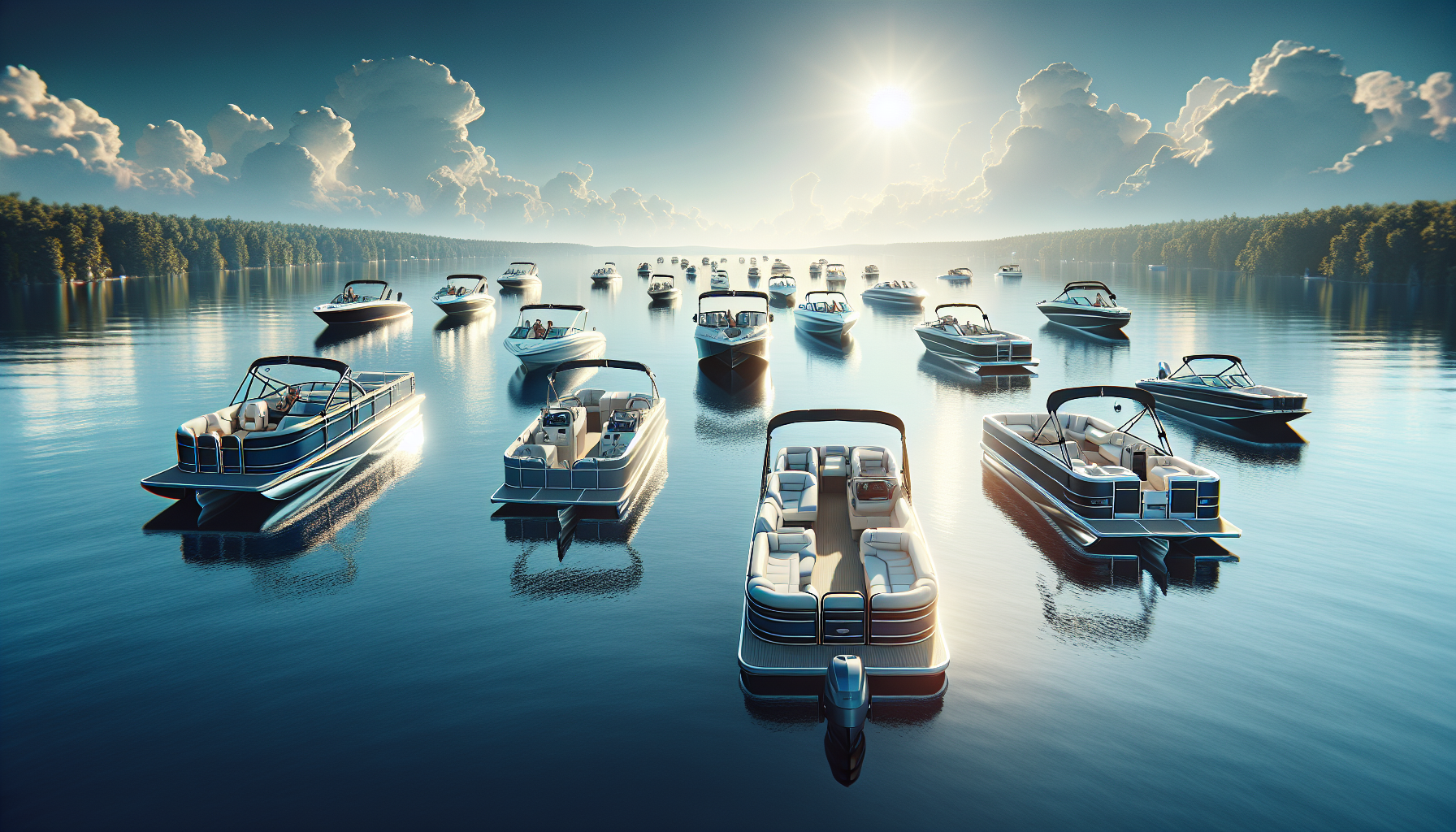
Choosing the best boats for living aboard full-time starts with an honest definition of what “liveaboard” really means: a boat that can function as a home, a travel platform, and a safe shelter in changing weather for months or years at a time. In my experience evaluating cruising boats, the right liveaboard vessel is rarely the flashiest model at a boat show. It is the one with enough tankage, storage, ventilation, sleeping space, and seakeeping ability to support daily life without turning every task into a compromise. That is why this sub-pillar hub on best boats for overnight and long-distance trips matters. People searching for a full-time home on the water are not just comparing lengths and prices; they are comparing comfort, maintenance burden, fuel or sail efficiency, marina access, and whether a boat can safely handle coastal passages or offshore crossings.
For practical purposes, full-time living aboard means sleeping, cooking, working, bathing, and storing essential gear on board as your primary residence. Overnight boats can do one or two of those jobs well. Long-distance cruising boats must do all of them while also carrying water, fuel, spare parts, safety gear, and provisions for extended periods. The best boats for overnight and long-distance trips therefore sit at the intersection of livability and passage-making. They need a layout that works at anchor and underway, mechanical systems that are accessible for repairs, and hull characteristics suited to your cruising grounds. A couple planning the Intracoastal Waterway has different needs from a family preparing for the Bahamas, the Pacific Northwest, or a tradewind crossing, but the core selection criteria remain surprisingly consistent.
This guide serves as the central resource for the category. It explains which types of boats make the most sense for full-time living aboard, what tradeoffs come with each, and how to match a boat to your budget and intended range. If you are building out a broader research list under best boats and reviews, start here. The goal is simple: help you narrow the field to boat styles and models with a proven record for overnight comfort and long-distance capability, so your next step is smarter sea trialing rather than endless browsing.
What Makes a Boat Suitable for Full-Time Living
The best boats for living aboard full-time share a handful of nonnegotiable traits. First is usable interior volume, not just advertised length. A well-designed 38-foot trawler or cruising sailboat can live bigger than a poorly arranged 45-footer because headroom, galley workflow, berth access, and cockpit storage matter more than brochure dimensions. I always look at where wet foul-weather gear will hang, whether the head has a separate shower, how easy it is to reach the engine, and whether there is secure handhold placement for moving around underway. If daily tasks feel awkward at the dock, they will feel much worse after a week on passage.
Second is carrying capacity. Full-time liveaboards need water tanks large enough for at least several days of conservative use, fuel reserves matched to the vessel’s propulsion profile, and dedicated storage for tools, spares, medical supplies, and food. Production boats aimed at weekend use often lack locker depth or overload quickly. Third is systems resilience. Shore power dependency, undersized battery banks, and inaccessible plumbing create frustration and cost. Strong liveaboard boats support solar panels, inverter-charger systems, refrigeration, ventilation fans, and robust anchoring gear. Finally, motion comfort matters. A boat that pounds, snaps at anchor, or rolls excessively may look attractive on paper but becomes exhausting as a home.
Best Sailboats for Overnight and Long-Distance Liveaboard Cruising
For many people, the classic answer to best boats for overnight and long-distance trips is the cruising sailboat, and for good reason. Sailboats can travel efficiently over long distances, offer respectable range without relying entirely on fuel, and often provide excellent storage below the sole and behind settees. Monohull cruisers from builders such as Hallberg-Rassy, Oyster, Island Packet, Beneteau, Jeanneau, Catalina, and Pacific Seacraft regularly appear on serious liveaboard shortlists. In the used market, models like the Catalina 42, Beneteau Oceanis 41.1, Hallberg-Rassy 40, and Island Packet 380 are popular because they balance accommodation with proven cruising capability.
The best liveaboard sailboats usually fall between 38 and 45 feet. Below that range, tankage and storage get tight for full-time life unless the crew is minimalist and cruising locally. Above that range, purchase price, dockage, haul-out expense, and sail handling costs rise sharply. A center-cockpit layout can create a roomy aft cabin and better privacy for couples, while an aft-cockpit design often delivers a more open cockpit and simpler deck arrangement. Fin keels generally improve performance; full keels can track well and offer directional stability, though they are not automatically safer and may sacrifice maneuverability. For coastal and offshore use, a moderate-displacement hull with good ventilation, secure sea berths, and accessible systems is usually the smartest middle ground.
The tradeoff is straightforward: sailing boats reward patience and seamanship, but dockside living can be less convenient than on a powerboat. Engine rooms are tighter, refrigeration may be smaller, and interior spaces are shaped by hull form. Even so, if your plan includes serious mileage, variable fuel availability, or eventual bluewater passages, a well-found cruising sailboat remains one of the strongest choices for living aboard full-time.
Best Trawlers and Power Cruisers for Comfort and Range
Trawlers and displacement or semi-displacement power cruisers are often the easiest transition for people moving from land to water. They deliver level living spaces, larger galleys, bigger heads, and more apartment-like layouts than comparably sized sailboats. For full-time liveaboard comfort, this matters. You spend far more hours cooking, cleaning, sleeping, and organizing gear than you do making dramatic passages. Models from Nordic Tug, Grand Banks, Kadey-Krogen, Selene, Mainship, and Beneteau Swift Trawler consistently stand out in this category. Examples such as the Grand Banks 42 Classic, Kadey-Krogen 44AE, Nordic Tug 40, and Swift Trawler 41 are widely respected because they combine practical living spaces with credible passage-making ability.
For best boats for overnight and long-distance trips under power, the key metric is not top speed but efficient cruising speed and range. A displacement trawler running at 7 to 9 knots can stretch fuel dramatically compared with a planing cruiser pushed onto step. That efficiency translates directly into more route options and lower operating costs. Trawlers also tend to have superior engine-room access, which is a major advantage for owner-maintenance. On boats I have inspected, this single factor often separates satisfying ownership from chronic frustration. If you cannot reach filters, pumps, belts, and seacocks easily, every service task becomes expensive or delayed.
The downside is that true long-range trawlers are slower, and some marina-bound buyers underestimate how much windage and docking practice they require. Still, for couples prioritizing comfort, systems access, generator capacity, and enclosed all-weather living, trawlers are among the best boats for living aboard full-time.
Catamarans, Expedition Yachts, and Other Specialized Options
Catamarans deserve serious consideration because they solve several classic liveaboard complaints at once. They offer wide saloons, good natural light, separated sleeping cabins, and relatively level motion at anchor. Cruising catamarans from Lagoon, Leopard, Fountaine Pajot, and Nautitech are especially popular with families and remote workers because they create usable private space without requiring a very long hull. A 40-foot catamaran can provide interior volume that feels closer to a much larger monohull. Shallow draft is another major advantage for the Bahamas, Florida Bay, and other thin-water cruising grounds.
However, catamarans are not a perfect answer. Marina slips are costlier, haul-outs can be more specialized, and bridgedeck slamming or poor load management can undermine comfort. Weight control is critical. Many owners discover that every added tool chest, water toy, and spare anchor changes performance. For power-focused buyers with larger budgets, expedition yachts and passagemakers from builders such as Nordhavn push range and offshore capability much further, but ownership costs rise significantly. Houseboats and express cruisers can work for sheltered-water overnight use, yet they are usually poor choices for true long-distance liveaboard travel because freeboard, fuel economy, storage, and rough-water behavior limit flexibility.
| Boat type | Best use | Main advantage | Primary tradeoff |
|---|---|---|---|
| Cruising monohull sailboat | Coastal to offshore passagemaking | Efficient long-range travel under sail | Less interior volume for length |
| Displacement trawler | Comfortable coastal and extended cruising | Home-like layout and strong range at low speed | Slow passage speeds |
| Cruising catamaran | Warm-water cruising and family liveaboard use | Space, privacy, shallow draft | Higher slip and haul-out costs |
| Planing power cruiser | Fast regional travel and weekend overnights | Speed and modern amenities | Shorter efficient range and higher fuel burn |
How to Choose the Right Liveaboard Boat for Your Budget and Route
The smartest way to choose is to begin with cruising grounds, not brand. If you will stay mostly in marinas on the U.S. East Coast, bridge clearance, air draft, and slip availability may matter more than offshore range. If you are heading for Alaska, insulation, heating, and enclosed helm protection become essential. For the Caribbean, ventilation, shade, water-making capacity, and anchor-handling equipment move up the list. Budget should include not just purchase price but refit cost, insurance, dockage, bottom work, sails or canvas, electronics, and reserve funds for the first year. In my experience, buyers who spend everything on acquisition often end up with a less capable boat than buyers who leave room for upgrades.
A thorough pre-purchase survey by an accredited marine surveyor is mandatory, and on sailboats a separate rig inspection is wise. Engine oil analysis, moisture meter readings, and a full sea trial reveal more than polished teak ever will. Prioritize hull integrity, deck core condition, propulsion reliability, tankage, electrical safety, and evidence of leaks. Cosmetic flaws are manageable. Structural neglect is expensive. Also verify liveaboard rules before buying. Many marinas limit full-time residency, and some insurers place navigation or named-storm restrictions on certain vessel types and cruising areas.
When comparing candidates, ask direct operational questions. Can one person anchor the boat safely? Is there space for six months of provisions? Can the refrigeration hold actual food rather than drinks for a weekend? Is there a real navigation station or work desk? Can you service the water pump at sea? Those answers tell you far more than a sales brochure. The best boats for living aboard full-time are the ones that support ordinary routines consistently, because long-distance cruising is built from ordinary days done well.
Key Takeaways for Finding the Best Boats for Living Aboard Full-Time
The best boats for living aboard full-time are not defined by trend, but by fit. Cruising sailboats remain excellent for efficient long-range travel and proven offshore capability. Trawlers and power cruisers lead for comfort, systems access, and apartment-like livability. Catamarans offer exceptional space, privacy, and shallow draft, especially for warm-water cruising. The right answer depends on your route, crew size, maintenance tolerance, and budget for refit and operation, not simply the badge on the hull side.
If you are researching the best boats for overnight and long-distance trips, use this hub as your starting framework. Focus on layout efficiency, storage, tankage, motion comfort, serviceability, and realistic operating costs. Then narrow your search to boat types and models with a long record in the environments where you actually plan to cruise. That approach prevents the most common buying mistake: choosing for dockside impressions instead of daily life underway.
Your next step is practical. Build a shortlist of three to five proven liveaboard models, tour them in person, inspect the engine room, sit in the berth, open every locker, and sea trial only the boats that still make sense after that scrutiny. The best liveaboard boat is the one that keeps you comfortable, safe, and mobile long after the excitement of purchase fades.
Frequently Asked Questions
What makes a boat suitable for living aboard full-time?
A boat that works well as a full-time home must do far more than look attractive at the dock. The best liveaboard boats balance comfort, practicality, and safety in a way that supports daily life for months or even years. That starts with interior volume and layout. You need enough sleeping space, a usable galley, a real dining or work area, and a head arrangement that does not become frustrating after a week. Storage is equally important. Clothes, tools, spare parts, provisions, and personal items all take up more room than most first-time buyers expect, so a boat with deep lockers, organized cabinetry, and accessible bilge or lazarette storage has a major advantage.
Tankage also matters more than many people realize. Fresh water, fuel, and holding capacity directly affect how independently you can live. A boat with generous tankage is much easier to manage than one that requires constant trips to refill or pump out. Ventilation is another defining feature. In warm or humid climates, hatches, opening ports, fans, and good airflow make the difference between a livable interior and a damp, uncomfortable one. In colder regions, insulation, heating options, and the ability to control condensation become just as important.
Finally, a true liveaboard boat has to be structurally sound and capable in changing weather. Even if you spend most of your time in a marina or at anchor, your boat is still your shelter. Good seakeeping, a predictable motion, solid construction, dependable systems, and a layout that remains safe underway are all part of the equation. In short, the best boats for living aboard full-time are not defined by luxury alone. They are defined by how well they support everyday life, maintenance, and safety over the long term.
Are sailboats or powerboats better for full-time liveaboard life?
The answer depends on how you plan to live, travel, and budget, because both can work very well in the right circumstances. Sailboats are often favored by long-term cruisers because they can travel efficiently over long distances and offer the option of moving under sail rather than relying entirely on engine power. That can reduce fuel costs significantly, especially for people planning coastal passages or extended offshore cruising. Many cruising sailboats also have sturdy hulls, practical interiors, and a design philosophy centered around self-sufficiency, which aligns well with full-time living.
Powerboats, on the other hand, often provide more interior space for a given length. Trawlers, motor yachts, and some houseboat-style vessels can offer larger galleys, easier boarding, roomier heads, and more residential-feeling accommodations. For liveaboards who plan to stay mostly in marinas, move short distances, or prioritize comfort at anchor over sailing performance, a powerboat can be an excellent choice. They are often easier for some owners to operate in tight docking situations, and the living spaces may feel more familiar to people transitioning from land-based homes.
The tradeoff is usually operating cost and range efficiency. Powerboats generally consume more fuel, especially at higher speeds, and that can become expensive if you plan to travel often. Sailboats may be more economical underway, but they often demand compromises in interior shape because of hull form, rig loads, and deck layout. The best choice comes down to your priorities. If you value passagemaking efficiency and are comfortable with sailing systems, a cruising sailboat may be ideal. If you want maximum living space, easy access, and simpler dockside life, a trawler or other displacement powerboat may be the better full-time home.
What size boat is best for living aboard full-time?
There is no single perfect size, but for most people living aboard full-time, the practical sweet spot is usually large enough to provide comfort without becoming overwhelming to maintain. Boats under about 30 feet can certainly be lived on, but they often require significant compromises in storage, tankage, privacy, and general livability. Daily routines like cooking, showering, working remotely, or simply keeping gear organized become harder in a very small boat, especially for couples or families.
Many experienced liveaboards find that boats in the 35- to 45-foot range strike the best balance. In that size bracket, you can often get a separate sleeping cabin, a workable galley, more substantial water and fuel capacity, and enough storage to support real cruising or year-round dockside living. Larger boats may add comfort and amenities, but they also bring higher costs for dockage, haul-outs, insurance, maintenance, and system complexity. Every extra foot tends to increase ownership expenses in ways that new buyers sometimes underestimate.
The right size also depends on your intended use. A solo sailor with minimalist habits may be perfectly happy on a well-designed 34-footer, while a couple planning to cruise full-time may appreciate the comfort of 40 feet or more. Families usually need additional berths, storage, and separation of space, which pushes the ideal size upward. Instead of chasing the biggest boat you can afford, focus on usable layout, storage design, access to systems, and whether the boat supports your real daily routine. A smartly designed mid-size cruiser often makes a better full-time home than a larger boat with a flashy but impractical interior.
Which features matter most when comparing liveaboard boats?
When comparing boats for full-time living, prioritize the features that affect daily comfort and long-term independence rather than cosmetic upgrades. Start with the essentials: sleeping arrangements, galley functionality, head and shower setup, and storage. A proper berth that is easy to get in and out of, a galley with adequate counter space and refrigeration, and a head that is reasonably comfortable to use every day all have more value than decorative woodwork or upscale upholstery. If you will be working remotely or spending a lot of time aboard in bad weather, a practical salon or dinette area also becomes extremely important.
Next, look closely at tankage and systems. Fresh water capacity, fuel capacity, battery bank size, charging options, refrigeration efficiency, and waste management all shape your quality of life aboard. Boats with robust electrical systems, room for solar panels, inverter capacity, and easy access to plumbing and wiring are typically much easier to own full-time. Ventilation is another top-tier feature. Opening hatches, well-placed ports, fans, and protection from heat buildup will matter every single day. In colder climates, heating, insulation, and moisture control deserve the same level of attention.
Construction quality and seakeeping should also be near the top of your checklist. A boat that slams, rolls excessively, leaks, or has poorly supported systems can become exhausting to live on. Evaluate how the boat is built, how easy it is to service the engine and major components, and whether the deck layout is safe for moving around in rough conditions. For many buyers, the winning liveaboard boat is not the one with the most amenities on paper. It is the one with the fewest frustrating compromises once you start living aboard every day.
What are the most common mistakes people make when buying a boat to live aboard full-time?
One of the biggest mistakes is buying based on appearance or first impressions instead of real-world livability. A boat may look beautiful at a showing and still be poorly suited to daily life. Shiny finishes, modern styling, and marina appeal can distract buyers from more important realities like limited storage, poor ventilation, awkward berths, or tiny tanks. Another common mistake is underestimating how much time you will spend dealing with maintenance. A liveaboard boat is not just a place to sleep; it is a floating home with mechanical, electrical, plumbing, and structural systems that all require regular attention.
Buyers also frequently choose the wrong boat size for their budget and experience. A larger boat can seem appealing because of the extra room, but ownership costs rise quickly with length. Slip fees, haul-out costs, bottom work, insurance, rigging, engines, and replacement gear can all become significantly more expensive. On the other hand, going too small often leads to frustration, clutter, and a short-lived attempt at liveaboard life. The key is not maximum size but appropriate size, with a layout and systems package that fit your needs.
Another major mistake is failing to match the boat to the intended lifestyle. A boat that works well as a marina apartment may not be ideal for anchoring out, and a capable offshore cruiser may feel cramped or inconvenient if your plan is mostly dockside living. People also skip critical due diligence, including professional surveys, moisture checks, engine inspections, and honest evaluation of outdated systems. The best way to avoid regret is to think like a long-term resident, not a weekend boater. Sit in the galley, inspect the lockers, imagine rainy days aboard, and ask whether the boat will still feel functional after the novelty wears off. That mindset leads to better decisions and a much more successful full-time liveaboard experience.