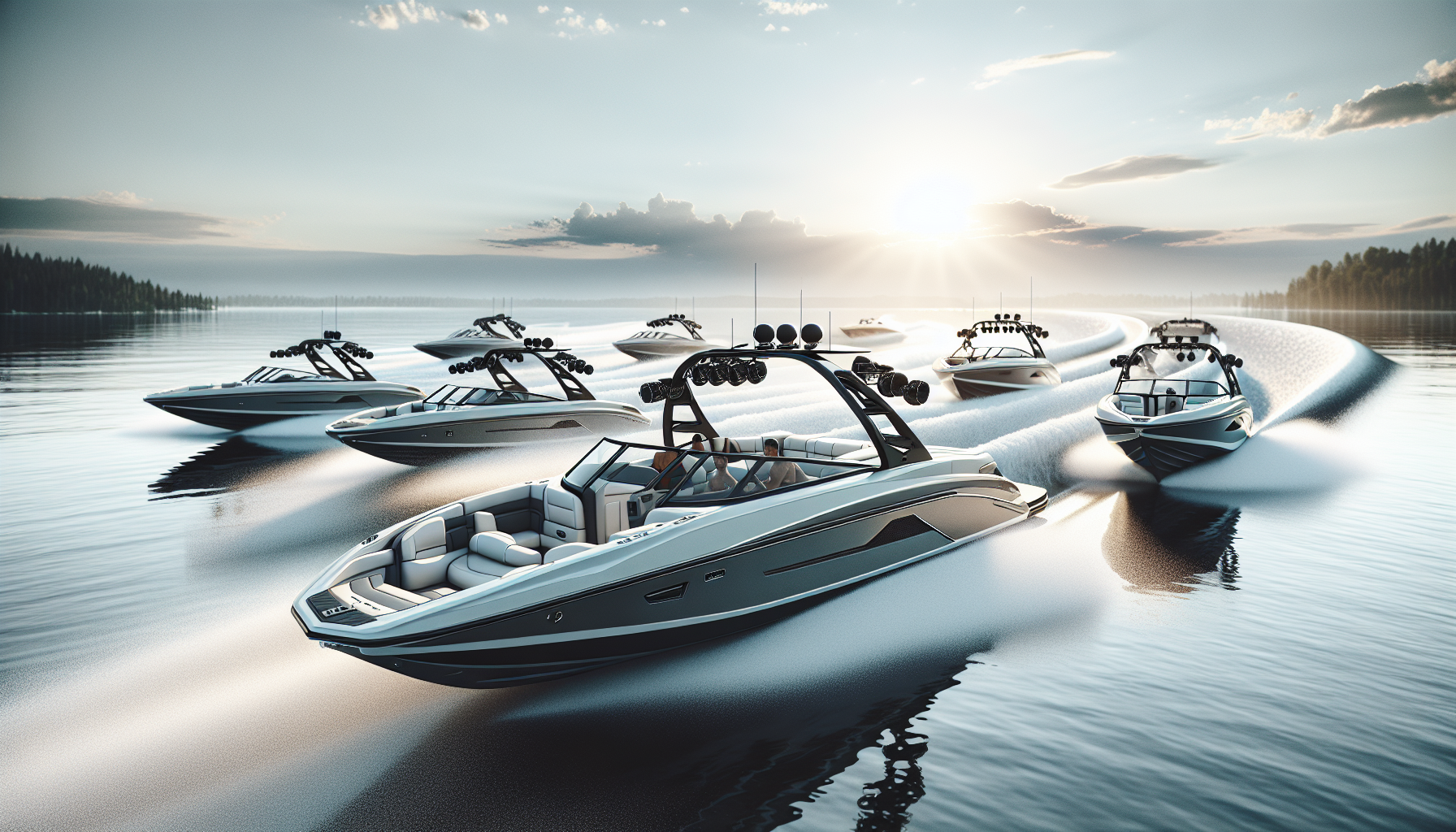
Choosing the best boats with built-in wake towers and ballast systems starts with understanding what makes a watersports boat different from a general-purpose runabout. In practical terms, a wake tower is the elevated frame mounted above the cockpit that provides a high tow point for wakeboarding and wakesurfing, while a ballast system is the network of tanks or bags, pumps, and controls used to add weight and shape the wake. Together, these features turn an ordinary tow boat into a purpose-built machine for wakeboarding, wakesurfing, and even beginner-level water skiing. I have spent years comparing inboard tow boats at dealer demos, on test lakes, and during buyer consultations, and the same pattern keeps emerging: integrated towers and factory ballast deliver better performance, cleaner rigging, safer towing geometry, and stronger resale than aftermarket add-ons. For anyone researching the best boats for watersports, this is the central question, because wake size, wake shape, rider visibility, and onboard usability all depend on hull design, propulsion layout, and weight management working together from the factory.
This hub article covers the leading boat categories, what to look for in a serious watersports platform, and which brands consistently build the strongest packages. It also connects the broader best boats for watersports conversation: surf-focused inboards, crossover tow boats, family-friendly models, and premium luxury wake boats all live under the same buying decision. The goal is simple. If you want a boat that creates a clean, adjustable wake, keeps passengers comfortable, and reduces setup time every trip, built-in wake towers and ballast systems are not optional extras. They are foundational equipment.
What makes a boat ideal for wakeboarding and wakesurfing
The best watersports boats share several core traits. First, they are usually inboard or V-drive designs rather than stern-drive or outboard layouts. That matters because the propeller sits safely under the hull, away from the rider, and because the engine placement helps create the stern-heavy attitude needed for bigger wakes. Second, they use integrated ballast, often ranging from roughly 1,500 to more than 5,000 pounds depending on model and options. Third, they include wake towers strong enough to support towing loads, board racks, speakers, and bimini tops without flex or rattling.
Hull design is just as important as equipment. A deep transom corner, well-defined chines, and surf-specific running surfaces help shape the wake face and lengthen the pocket. Many top boats now add adjustable surf plates, tabs, or wake-shaping devices to fine-tune the wave without listing the boat heavily to one side. In testing, this creates more repeatable results than relying on ballast alone. Speed control is another must-have feature. Systems such as Malibu Cruise Control, MasterCraft ZeroOff on some applications, and other GPS-based cruise solutions hold precise speeds so riders get consistent pull every pass.
Storage, seating, and visibility also separate strong designs from average ones. Families buying a dedicated wake boat are often on the water for four to eight hours at a time. That means they need under-seat storage for ropes and life jackets, easy walkthroughs around the engine compartment, and helm layouts that let the driver monitor riders, wave settings, fuel level, and depth at a glance. Boats that balance these details well become better long-term purchases than boats that chase maximum wake size while ignoring ergonomics.
Why factory wake towers outperform aftermarket setups
A factory-installed wake tower is engineered with the hull, deck reinforcement, and tow geometry in mind. That sounds obvious, but it changes the ownership experience immediately. On well-built models from Nautique, Malibu, MasterCraft, Centurion, and Supra, tower mounting points are reinforced during construction, wiring for speakers and lights is hidden cleanly, and the folding mechanism is designed around garage clearance and windshield protection. Aftermarket towers can work, but they rarely match the fit, finish, and structural integration of an original equipment system.
From a performance perspective, the tow point height affects line tension, rider lift, and pull angle. A properly placed tower gives wakeboarders a more upward vector, which helps with edging and aerial tricks compared with lower ski pylons. Factory towers also tend to include secure board racks, tower mirrors, and bimini systems that do not interfere with line movement. In daily use, that means less clutter in the cockpit and fewer improvised mounting solutions.
Resale value is another major factor. Buyers shopping used watersports boats consistently pay more for boats with original towers because they signal a purpose-built package rather than a modified compromise. Insurers and surveyors also view factory installations more favorably, especially when electrical accessories are integrated through the manufacturer’s harnesses and breakers. If your priority is hassle-free ownership and long-term value, the built-in wake tower is the safer bet.
How ballast systems shape the wake and wave
Ballast is the heart of wake creation. Adding water weight changes the boat’s displacement, forcing the hull deeper into the water and producing a taller, steeper wake or a longer surf wave depending on distribution. Modern systems usually include hard tanks, soft bags, or both, controlled from the helm through touchscreen presets. In real-world use, preset profiles are one of the biggest advantages of newer boats. Instead of manually filling portable bags and guessing placement, a driver can select wakeboard, surf left, surf right, or beginner settings in seconds.
Not all ballast systems are equal. Some entry-level boats advertise ballast but include modest capacity, which limits wave size with larger crews. Premium surf boats often combine center, rear, and bow ballast with surf tabs and attitude plates so the boat can create a clean wave on either side without moving passengers. That is especially useful for mixed crews where some riders surf regular and others surf goofy. It improves safety too, because the driver avoids heavily listing the boat and preserves better sightlines.
There are tradeoffs. More ballast increases fuel burn, can reduce top speed, and adds stress to trailers and tow vehicles. It also requires reliable pumps, hoses, and check valves. When I inspect used boats, I always test every ballast zone, watch fill and drain times, and look for damp storage compartments that suggest hose leaks or overflowing bags. A strong ballast system should be fast, intuitive, and serviceable, not just large on a brochure.
Top boat categories and standout models for watersports buyers
The best boats for watersports fall into distinct categories, and choosing the right one depends on how you actually ride. Dedicated surf boats prioritize wave size, adjustability, and lounge space. Crossover tow boats try to handle surfing, wakeboarding, and occasional skiing with less compromise. Value-oriented family boats aim to deliver usable wakes and lower ownership costs. Premium flagships add luxury finishes, advanced electronics, and enormous ballast capacities.
| Category | Best Fit | Notable Examples | Key Strength |
|---|---|---|---|
| Dedicated surf boat | Families focused on wakesurfing | Centurion Ri245, Nautique G23, Malibu 24 MXZ | Large, tunable surf wave |
| Crossover tow boat | Mixed wakeboard, surf, ski use | MasterCraft X24, Supra SA, Moomba Kaiyen | Versatility across rider types |
| Value-oriented wake boat | Budget-conscious buyers wanting factory systems | Axis T220, Moomba Mojo, Heyday WT-2DC | Strong performance per dollar |
| Luxury wake boat | Buyers prioritizing premium finish and tech | Nautique S23, MasterCraft XStar, Malibu Wakesetter 25 LSV | Refined ride and advanced controls |
Among dedicated surf boats, Centurion has earned a strong reputation for deep-V surf performance and serious ballast capability. Nautique’s G-series remains a benchmark for clean, powerful wakes with premium execution. Malibu’s Wakesetter line stands out for user-friendly surf systems and broad dealer support. For crossover buyers, MasterCraft and Supra consistently offer balanced hulls and intuitive digital controls. On the value side, Axis and Moomba deserve close attention because they often provide factory towers, ballast, surf systems, and proven drivetrains at prices well below premium competitors.
No single brand wins for every buyer. A family riding mainly on smaller lakes may prefer a 22-foot model with easier storage and lower operating cost, while a crew hosting ten to fourteen people regularly may need a 24-foot platform with more freeboard, fuel, and seating. The best choice is the boat whose wake performance, passenger layout, and budget align with your actual use pattern.
How to evaluate the best built-in wake tower and ballast package
Start with the tower itself. Check for rigidity while underway, ease of folding, rack placement, mirror visibility, and whether the bimini interferes with rope travel. Listen for squeaks over chop. A good tower feels structural, not ornamental. Next, evaluate ballast controls at the helm. The system should show individual tank status, allow quick presets, and make manual adjustments simple enough for a guest driver to understand without coaching.
Then assess the whole watersports package. Surf systems should switch sides cleanly and create a usable wave with stock ballast, not only with extra aftermarket bags. Wakeboard wakes should remain clean at common riding speeds around 18 to 24 mph. If skiing matters at all, ask for a test at 30 to 34 mph to judge softness and tracking. Also inspect engine access, because routine service on a tightly packed V-drive compartment can become frustrating fast.
Buyers should also review drivetrain and propulsion details. Direct injection and catalytic systems have improved emissions and efficiency, but service history matters more than marketing claims. Ask which engine package is installed, whether the prop has been repaired, and how many hours the boat has spent in salt, brackish, or freshwater. A well-maintained Indmar, Ilmor, PCM, or Malibu Monsoon powertrain can each be excellent. Condition and support matter more than badge loyalty.
Finally, think beyond the demo ride. Measure your garage door, confirm trailer height with the tower folded, and check your tow vehicle’s realistic capacity including fuel, gear, and water in any remaining ballast. Many ownership headaches begin after the exciting part of the purchase, when buyers discover storage, towing, and maintenance costs they did not plan for.
Buying new versus used and building your watersports hub strategy
New boats offer warranty coverage, the latest surf technology, and the easiest path to integrated towers, ballast presets, and updated helm interfaces. They also cost dramatically more than they did a decade ago, with premium wake boats frequently reaching prices that rival vacation homes in some markets. Used boats can represent excellent value, especially five- to ten-year-old models from established brands with documented service, indoor storage, and unmodified ballast plumbing. In that age range, many boats already have surf tabs, touchscreen controls, and enough capacity for most families.
For a complete best boats for watersports research process, use this article as the hub and then drill into narrower comparisons: best wake boats for beginners, best wakesurf boats for families, best crossover tow boats, best used wake boats under a set budget, and best watersports boats by size. That structure mirrors how buyers actually shop. They start broad, then narrow by sport, crew size, storage needs, and price. A hub approach also keeps your evaluation organized because the right answer for a first-time buyer is often different from the right answer for an advanced surf crew or a luxury-focused lake house owner.
The strongest purchase usually comes from matching three things: your primary sport, your normal passenger count, and your honest budget for ownership after purchase. Get those right, and the tower and ballast system become tools you use every weekend rather than expensive features you only partly understand.
The best boats with built-in wake towers and ballast systems are not just flashy tow boats with speakers and touchscreen dashboards. They are integrated watersports platforms designed to create better wakes, safer towing angles, quicker setup, and more consistent sessions for every rider on board. Factory wake towers deliver stronger structure, cleaner rigging, and better resale. Factory ballast systems give you repeatable wake and surf performance with far less guesswork than portable add-ons.
For most buyers, the smartest path is to choose an inboard or V-drive model from an established tow-boat brand, prioritize stock surf and ballast performance over brochure hype, and test the boat with your real crew size whenever possible. Dedicated surf boats from Centurion, Nautique, and Malibu lead the category for wave performance, while MasterCraft, Supra, Axis, and Moomba offer compelling options across crossover, value, and premium segments. The right choice depends on your lake, your sports, your passengers, and your budget, not on the loudest marketing claim.
If you are building out your shortlist under the Best Boats & Reviews umbrella, start here, then compare by sport, price, and size before you buy. Focus on hull design, ballast capacity, tower quality, and service history, and you will end up with a watersports boat that performs well on the first day and still makes sense years later. Use this hub as your starting point, then move to the next comparison that matches how your crew actually rides.
Frequently Asked Questions
What makes a boat with a built-in wake tower and ballast system better for wakeboarding and wakesurfing than a standard runabout?
A purpose-built watersports boat is designed from the hull up to create cleaner, larger, and more customizable wakes than a general-purpose runabout. The built-in wake tower raises the tow point well above the cockpit, which changes the angle of pull on the rider. For wakeboarders, that higher pull helps with lift, control, and line tension during jumps and tricks. For families and crews who spend a lot of time towing riders, the tower also creates a dedicated place to mount racks, speakers, lights, and mirrors, helping keep the cockpit clear and organized.
The ballast system is just as important. Instead of relying only on passenger placement or improvised weight, a built-in ballast system lets the driver add water weight into dedicated tanks or bags using factory-installed pumps and controls. This extra weight displaces more water and increases the size and shape of the wake. In practical use, that means the boat can be tuned for different skill levels and disciplines, whether you want a steeper wake for wakeboarding, a longer surf wave for wakesurfing, or a softer setup for beginners. A runabout may be able to tow a rider, but it typically is not engineered to produce consistent, repeatable wake performance the way a true wake boat is.
Another major advantage is integration. On better wake boats, the tower, ballast, propulsion system, and helm controls are designed to work together. You often get preset rider profiles, touchscreen controls, surf tabs or plates, speed control systems, and engine torque matched to a weighted hull. That combination improves performance, convenience, and safety. In short, a built-in wake tower and ballast system are not just accessories; they are core elements that make a boat genuinely capable for serious watersports use.
How do ballast systems work, and what should buyers look for when comparing them?
A ballast system works by filling onboard tanks or bags with water to increase the boat’s weight. The more water the hull displaces, the bigger and more defined the wake becomes. Most factory systems use electric pumps to fill and drain ballast compartments, and the controls are managed from the helm through switches or digital screens. Some boats use hard tanks molded into the hull, while others use flexible bags or a combination of both. Each setup can work well, but the best systems are fast, easy to manage, and integrated with wake-shaping features so the driver can make changes without interrupting the session.
When comparing ballast systems, capacity is one of the first specifications to examine. Higher ballast capacity generally allows for larger wakes and more tuning flexibility, especially for intermediate and advanced riders. However, capacity alone does not tell the whole story. Fill and drain speed matter a great deal in real-world use. A boat with large ballast numbers but slow pumps can be frustrating, particularly if you switch frequently between wakeboard and surf settings or share the boat among multiple riders. Buyers should also pay attention to whether the ballast is standard or optional, because some manufacturers advertise impressive potential setups that require upgrades to reach full performance.
Control precision is another key factor. The best ballast systems let you adjust individual zones independently, such as bow, center, port, and starboard ballast. This makes it easier to fine-tune the wake based on crew size, rider preference, and water conditions. Boats with rider presets are especially useful because they allow the operator to save favorite settings for different users. Reliability and serviceability also deserve attention. Pumps, hoses, valves, and sensors should be easy to access and supported by a reputable dealer network. A strong ballast system is not simply about adding weight; it is about creating repeatable performance with controls that are simple enough for everyday use.
Are built-in wake towers mainly about towing height, or do they offer other practical benefits?
While the elevated tow point is the primary performance benefit of a wake tower, a quality built-in tower does much more than just change rope angle. Structurally, a factory-installed tower is engineered to handle repeated towing loads while fitting the boat’s design and weight distribution. That is an important distinction, because integrated towers generally feel sturdier, flex less, and provide a cleaner fit and finish than generic aftermarket solutions. For active riders, that added rigidity and confidence matters over time.
Wake towers also add a great deal of functionality to the boat. Many include board racks that keep wakeboards and surfboards off the seats and out of the floor, which improves both safety and onboard comfort. It is common to see towers equipped with speakers for better audio coverage, tow points designed for multiple watersports uses, and mounting options for lights, biminis, and mirrors. These features may seem secondary at first, but they have a major impact on the day-to-day ownership experience, especially for crews spending full days on the water.
There are also practical considerations buyers should not overlook. Tower folding mechanisms can make storage and trailering easier if you have height limitations in a garage or marina slip. Materials and finish matter as well, with powder-coated aluminum and polished options offering different looks and maintenance requirements. Buyers should evaluate how easy the tower is to fold, how secure the racks are, and whether the layout interferes with visibility or passenger movement. In the best boats, the wake tower is not just a tow bar above the cockpit; it is a central part of the boat’s watersports functionality and onboard organization.
What other features should you consider alongside the wake tower and ballast system when choosing the best boat?
Although the wake tower and ballast system are foundational, they are only part of what determines how well a boat performs for wakeboarding and wakesurfing. Hull design is one of the most important supporting factors. The shape, deadrise, running surface, and beam all affect how the boat carries ballast and how the wake forms. Some hulls are tuned for steeper wakeboard wakes, while others are optimized for long, surfable waves. If possible, buyers should prioritize on-water demos because the actual wake character can feel very different between brands even when the specifications appear similar on paper.
Propulsion and engine choice also matter significantly. Many dedicated wake boats use inboard drivetrains, which are favored for watersports because they provide better low-speed control and place the propeller safely under the hull, away from the rider. Engine torque is especially important once ballast is added, because a heavily weighted boat needs enough power to plane efficiently and hold speed without strain. Systems such as cruise control, surf tabs, trim plates, and programmable rider settings can dramatically improve consistency and ease of use. These features help the driver maintain ideal towing speed and wave shape with less guesswork.
Interior layout, storage, and seating should not be underestimated either. Watersports days involve life jackets, ropes, boards, coolers, and a lot of people moving in and out of the boat. A well-designed cockpit with smart storage, durable upholstery, and easy access to ballast and mechanical components makes ownership much easier. Buyers should also consider dealership support, warranty coverage, fit and finish, trailer quality, and long-term resale value. The best boat is not necessarily the one with the biggest advertised ballast number; it is the one that balances wake performance, reliability, comfort, and usability for the way you actually boat.
How do you choose the right size and type of wake boat for your budget, crew size, and skill level?
The right boat starts with an honest assessment of how you plan to use it. Smaller wake boats can be easier to tow, store, and afford, and they often work well for riders who primarily wakeboard with a modest crew. Larger boats typically offer more ballast capacity, more interior space, and stronger surf performance, especially when carrying a full group of passengers. If wakesurfing is a major priority, many buyers lean toward larger, heavier platforms because they usually produce longer and more powerful surf waves. If your use is more mixed and your crew is smaller, a mid-size model may offer the best balance of cost and versatility.
Budget should be considered beyond the purchase price alone. Buyers should account for fuel consumption, insurance, storage, maintenance, trailer needs, and potential upgrades. Boats with advanced surf systems, touchscreen controls, premium audio, and high-capacity ballast can be extremely capable, but they also raise the total ownership cost. In many cases, a slightly simpler model from a respected manufacturer is the smarter buy if it matches your typical use and comes with strong local dealer support. A well-maintained used wake boat can also represent excellent value, provided you inspect the engine hours, ballast operation, upholstery condition, trailer, and service history carefully.
Skill level also plays a role. Beginners and family-focused owners may benefit from a boat with intuitive controls, preset rider profiles, and wakes that can be adjusted down as easily as up. More advanced riders may prioritize deep customization, larger ballast capacity, and high-performance wake-shaping systems. The best approach is to match the boat to your most common usage pattern rather than shopping only by maximum specs. A boat that is easy to launch, easy to dial in, and comfortable for your regular crew will usually deliver a better ownership experience than a more expensive model whose capabilities you rarely use.