Choosing the best boat for wakeboarding starts with understanding a simple truth: the ideal wakeboarding boat is not just fast, powerful, or expensive, but specifically designed to shape a clean wake, hold steady speed, and give riders room, storage, and safety on the water. In the watersports market, buyers often compare wake boats, ski boats, surf boats, runabouts, and pontoon boats without realizing that hull design, ballast capacity, tow point height, and speed control matter far more than glossy upholstery or stereo size. I have spent years around demo days, dealership walkthroughs, and rider setups, and the same questions come up every season: What boat makes the best wake for beginners? Can one boat handle wakeboarding, wakesurfing, and family cruising? Is an inboard really necessary? This hub answers those questions while helping you evaluate the best boats for watersports as a category. If you want a boat that helps riders progress, protects passengers, and holds value, the decision should be made methodically, not emotionally.
What Makes a Boat Good for Wakeboarding
A good wakeboarding boat creates a defined, consistent wake at typical riding speeds of roughly 18 to 24 mph, depending on rider size, rope length, and skill level. The most important ingredients are an inboard drivetrain, a hull designed to displace water predictably, factory or aftermarket ballast, and a tower that raises the tow point. An inboard places the propeller safely under the hull and away from the transom, which improves rider safety and allows the boat to track better at controlled towing speeds. By contrast, sterndrive and outboard boats can pull a wakeboarder, but they rarely produce the same wake shape, low-speed control, or safety margin near the swim platform.
Wake shape matters because riders need a ramp with enough lip to generate pop without washing out. A beginner often benefits from a smaller, softer wake that is easy to cross, while intermediate and advanced riders usually want more volume and firmness for edging and boosting. That is why ballast systems are so valuable. By adding hundreds or even thousands of pounds of water weight to bags or hard tanks, ballast sinks the hull deeper and increases wake size. Wake plates, tabs, and surf systems then fine-tune the wake face. Electronic speed control, commonly known through systems like PerfectPass or Zero Off, is equally important because even a 1 mph fluctuation can change line tension and wake consistency.
Passenger layout also affects real-world usability. A wakeboarding session typically involves boards, vests, ropes, a cooler, and several observers. Deep storage lockers, transom seating, easy walkthroughs, and a practical swim platform make the day easier. In short, the best wakeboarding boat combines wake performance with drivability, safety, and comfort rather than chasing one feature in isolation.
Wake Boat Types and Who They Suit Best
Most buyers looking at the best boats for watersports land in one of four categories: dedicated wake boats, crossover tow boats, sterndrive bowriders, and pontoons with tow packages. Dedicated wake boats are purpose-built for wakeboarding and often wakesurfing. They usually feature inboard V-drive layouts, substantial ballast, towers, board racks, and advanced wake-shaping controls. Brands such as MasterCraft, Malibu, Nautique, Supra, Centurion, and Tige dominate this space because they tune hulls and control systems specifically for tow sports. If wake quality and rider progression are the top priorities, this category is the benchmark.
Crossover tow boats sit between tournament ski boats and larger wake boats. They are a strong choice for families that want to slalom ski in the morning, wakeboard in the afternoon, and cruise comfortably later in the day. These boats tend to offer flatter wakes at ski speeds and respectable wakeboarding capability with ballast engaged. Examples include crossover models from Nautique, MasterCraft, and Malibu that balance versatility better than pure wake machines.
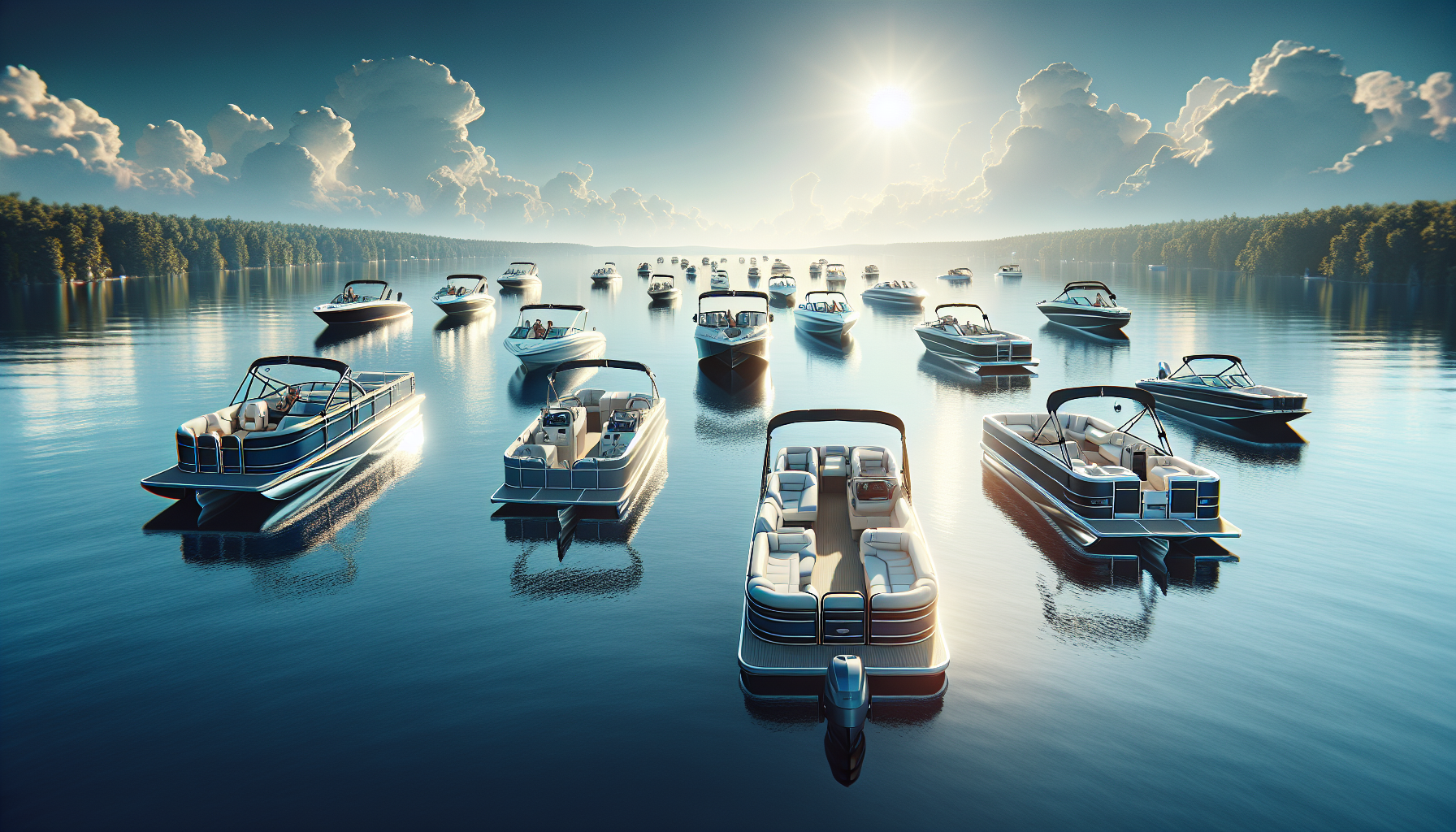
Sterndrive bowriders appeal to budget-conscious buyers because they are widely available on the used market and often cost less to enter. They can tow wakeboarders, tubes, and recreational skiers, but the wake is typically less refined, the propeller sits farther aft, and low-speed control under load is not as precise. For occasional use, they can work. For riders who care about consistency, they become a compromise quickly. Pontoon boats with tow bars can also pull beginners on calm water, but they are not true wakeboarding platforms. Their wake shape, handling, and power delivery are limited for progression.
| Boat type | Best for | Main strengths | Main limitations |
|---|---|---|---|
| Dedicated wake boat | Frequent riders, families focused on watersports | Best wake shape, ballast, towers, speed control, resale | Highest purchase price and fuel use |
| Crossover tow boat | Mixed ski and wake families | Versatility across multiple tow sports | Not as specialized for large wakes |
| Sterndrive bowrider | Entry-level recreation and occasional towing | Lower used cost, broad availability, general-purpose boating | Lower wake quality, safety and control compromises |
| Pontoon with tow package | Casual family outings with light towing | Space, comfort, social layout | Poor progression platform for wakeboarding |
Hull Design, Ballast, and Wake Control Features
If you want to choose intelligently, focus on the engineering below the rub rail. Hull design determines how water flows around the boat and, ultimately, what kind of wake the rider sees. A deeper V-drive wake hull generally displaces more water and creates a larger wake than a flatter crossover hull. Beam width, transom shape, chine profile, and running attitude all change the wake face. That is why two boats with similar lengths can ride very differently. One 22-foot boat may produce a steep, vertical wake; another may create a longer, mellower transition that is easier for beginners.
Ballast is the second major lever. Factory ballast systems are easier to fill, drain, and monitor, and they are often integrated with the boat’s software. On many current wake boats, ballast capacities can exceed 2,000 pounds before passengers are counted. More ballast does not automatically mean better performance. Weight must be distributed correctly between bow, center, and stern to keep the wake clean. Too much stern weight can make the wake tall but washed out. Too much bow weight can flatten the wake and hurt push. During demos, I always tell buyers to ask the driver to show at least three ballast settings so they can see whether the boat has a useful tuning range or only one good setup.
Wake plates, tabs, and surf systems are the third piece. Even if your primary goal is wakeboarding, these systems help adjust running angle and clean the wake for different crew sizes. Malibu’s Power Wedge, Nautique’s NCRS and configurable ballast, MasterCraft’s tabs, and similar systems from other brands all exist for one reason: repeatability. The best boat is not the one that occasionally makes a great wake; it is the one that does it every time with a full crew, half a crew, or just a driver and spotter.
Engine, Drivetrain, and Towing Performance
Wakeboarding puts a different load on a boat than casual cruising. Pulling riders repeatedly out of the water with ballast onboard requires low-end torque, appropriate propeller pitch, and a drivetrain that can hold speed without constant throttle correction. For that reason, engine choice deserves more attention than many first-time buyers give it. Inboard tow boats generally use marinized V8 engines from suppliers such as Indmar, PCM, or Ilmor, and these platforms are calibrated for towing loads rather than top-end speed. You do not need the biggest engine on the option sheet, but you do need enough torque to plane efficiently with your normal crew and ballast setup.
A common mistake is buying for rare peak usage instead of typical usage. If your usual day includes six passengers, half ballast, and one or two wakeboarders, a midrange engine may be perfectly adequate. If you boat at high elevation, regularly fill all ballast tanks, or plan to wakesurf as much as wakeboard, stepping up in power becomes worthwhile. Elevation matters because naturally aspirated engines lose power as air density drops. On mountain lakes, that loss is noticeable. Prop selection matters too. A lower-pitch prop can improve holeshot and towing feel, though it may reduce top speed. Dealers who know tow boats well can recommend prop changes based on lake altitude and ballast habits.
Drivability is just as important as raw power. A boat that wanders off line, surges, or takes too long to settle into target speed creates a poor experience for the rider. Test the boat with an actual rider if possible, not just on a salesperson’s cruise loop. Watch how quickly it reaches 21 or 22 mph, how stable the speed readout remains, and whether turning back to pick up a fallen rider feels predictable. Those details separate a good spec sheet from a good ownership experience.
Size, Seating, Storage, and Family Use
For many buyers, the best wakeboarding boat also needs to serve as the family’s all-day social platform. That makes length, seating layout, freeboard, and storage critical. Boats in the 20- to 22-foot range are often the sweet spot for buyers who want manageable towing and storage without sacrificing wake performance. They fit more driveways, ramps, and lifts, and they typically use less fuel than larger 23- or 24-foot models. Once you regularly host larger crews, however, the bigger hulls feel more relaxed, especially on rough afternoon water.
Interior design has improved dramatically in the last decade. Modern wake boats often include observer seating, wraparound lounges, clamping board racks, under-seat storage, hinged compartments, soft-touch flooring, and transom seats that make gearing up less awkward. These details matter because watersports days involve constant movement. Wet riders step through the cockpit, boards need a place off the floor, and children need secure seating when the water gets choppy. Deep freeboard is especially valuable on busy lakes because it keeps passengers drier and gives parents more confidence with younger kids onboard.
Storage deserves a hard look during any walkthrough. Ask yourself where four boards, ropes, vests, pumps, and a full-size cooler will actually go once the boat is loaded. On paper, many boats seat twelve or fourteen people; in practice, comfort drops fast when every compartment is full and gear spills into footwells. The best family-friendly watersports boats hide clutter effectively while preserving sightlines for the driver and observer.
New vs Used Wakeboarding Boats and Ownership Costs
New boats offer warranty protection, current wake technology, cleaner rigging, and better financing options. Used boats often deliver stronger value, especially if your priority is wakeboarding fundamentals rather than the latest touchscreen interface. I routinely advise buyers to compare a new entry-level wake boat against a well-kept premium used model that is three to seven years old. In many cases, the used premium boat will have a better hull, stronger ballast system, and higher-quality hardware for similar money. The key is condition and service history, not just age.
Look closely at engine hours, maintenance records, upholstery condition, trailer fit, ballast operation, touchscreen responsiveness, and evidence of indoor storage. On used inboards, inspect the propeller, shaft alignment, bilge condition, and manifolds. On any boat with wake systems, verify that pumps fill and drain properly and that tabs or plates respond without hesitation. Electronics failures are not always catastrophic, but they can be expensive and annoying. A pre-purchase inspection by a qualified marine technician is worth the cost.
Ownership costs extend beyond the sticker price. Insurance, winterization, storage, fuel, maintenance, and trailer tires add up. Wake boats are heavier and thirstier than many casual runabouts because ballast and towing loads increase demand. If you boat every weekend, fuel budgeting should be realistic. Resale value, however, is usually stronger on established tow-boat brands than on general-purpose family boats. Buyers in this category actively search for proven hulls and documented care, so a well-maintained wake boat can hold value surprisingly well.
How to Compare Brands and Choose the Right Boat
When buyers ask me which brand is best, I answer differently: the best boat is the one whose wake, layout, dealer support, and budget align with how you actually ride. MasterCraft is known for refined fit and finish, Malibu for versatile wake shaping, Nautique for premium engineering and consistency, Supra for strong feature content, Centurion for displacement-heavy surf and wake performance, and Tige for adjustable running attitude and broad family appeal. Those are general patterns, not absolute rules, which is why on-water demos matter more than brochure claims.
Start your shortlist with intended use. If wakeboarding is at least half of your towing time, prioritize dedicated inboards. If your crew also slalom skis frequently, consider a crossover. If budget is tight and use is occasional, a sterndrive may be acceptable, but go in understanding the tradeoffs. Next, evaluate your lake conditions, storage constraints, tow vehicle capacity, and local dealer reputation. A great boat with poor dealer support becomes frustrating quickly. Ask about parts availability, service turnaround in peak season, and software update support for control systems.
Finally, involve your real crew in the decision. Let the primary driver test visibility and controls. Let the usual riders evaluate the wake at their preferred rope lengths and speeds. Check the trailer, because every launch and retrieval affects satisfaction. The best boats for watersports are the ones that deliver repeatable fun with manageable ownership demands. Choose from the rider back toward the dock, and you will end up with a boat that works on the water, not just in the showroom. If you are building your shortlist now, use this hub as your starting point and compare models by wake quality, safety, storage, and support before signing.
Frequently Asked Questions
What type of boat is best for wakeboarding?
The best type of boat for wakeboarding is usually a dedicated wake boat or V-drive inboard that is specifically engineered to create a clean, rampy wake and maintain precise towing speeds. Unlike general-purpose runabouts or pontoon boats, wakeboarding boats are designed around watersports performance. Their hulls are shaped to displace water in a way that forms a larger, more consistent wake, and they often include integrated ballast systems that let you increase wake size and shape without relying on makeshift solutions.
Another major advantage is the tow point. Wakeboarding boats typically have a wake tower, which raises the rope attachment point higher above the water. That higher pull helps riders get better lift, improves line tension, and makes edging and jumping more predictable. These boats also tend to have speed control systems that hold a set speed far more accurately than a driver trying to manage throttle manually. Since even small speed changes can affect wake shape and rider timing, this feature matters more than many first-time buyers realize.
While some crossover boats can handle occasional wakeboarding, they often fall short when compared with a purpose-built wake boat. Ski boats, for example, are designed to minimize wake, which is great for slalom but not ideal for wakeboarding. Surf boats can also work very well, especially if they have versatile ballast and wake-shaping technology, but they may be optimized more heavily for wakesurfing at slower speeds. If wakeboarding is your main priority, choosing a boat designed for wake performance will usually give you the best long-term satisfaction, easiest setup, and most consistent ride.
Why are hull design and ballast so important when choosing a wakeboarding boat?
Hull design and ballast are two of the most important factors because they directly control the size, cleanliness, and overall character of the wake. A wakeboarding boat does not just pull a rider through the water; it also acts as a wake-making machine. The hull determines how the boat sits in the water and how it displaces water as it moves, while ballast adds weight to push the hull deeper into the water, increasing wake size and often improving wake shape.
A well-designed wake hull produces a clean, defined wake with a solid lip that riders can use to build upward pop. If the hull is not designed for wake sports, the wake may wash out, feel inconsistent, or lack the shape needed for controlled jumps. This is why two boats with similar engine power can perform very differently for wakeboarding. Raw horsepower matters, but hull geometry determines whether that power translates into a usable wake.
Ballast is equally important because it gives you adjustability. Many modern wake boats include factory ballast tanks or bags that can be filled and emptied depending on rider skill level, crew size, and desired wake shape. Beginners may prefer a smaller, mellower wake, while advanced riders often want a larger, steeper wake with more vertical lift. Built-in ballast systems are safer, more convenient, and more effective than improvising with loose weight. When evaluating a boat, look at not just whether it has ballast, but how much capacity it offers, how easily it can be adjusted, and whether the boat’s hull responds well to different weighting setups. That flexibility can make a major difference as your riding progresses.
How important is speed control for wakeboarding boats?
Speed control is extremely important, and it is often one of the most underestimated features when buyers compare boats. Wakeboarding depends on consistency. Riders rely on the boat to hold a steady speed so they can edge correctly, time their cuts, and approach the wake with confidence. If the boat surges, slows, or wanders from the target speed, the wake changes shape and the rider’s rhythm is disrupted. That can reduce performance and also create unnecessary safety risks.
Modern wakeboarding boats often include electronic speed control systems, sometimes called cruise control or tow-specific speed management. These systems allow the driver to set an exact towing speed and maintain it even when the rider cuts hard outside the wake, which normally creates additional drag. For wakeboarding, that steady pull is a huge benefit. It helps beginners learn faster because the boat behaves predictably, and it gives experienced riders the consistency they need for tricks and bigger jumps.
Without accurate speed control, the driver must constantly adjust throttle input, which can be difficult even for skilled operators. Human reaction time is simply less precise than a dedicated system, especially when factoring in rider load, wind, turns, and varying water conditions. When shopping for a boat, speed control should be viewed as a core wakeboarding feature, not a luxury extra. A boat with excellent wake potential but poor speed management can still deliver a frustrating experience. In practical terms, a clean wake at the right speed is more useful than a bigger wake at an inconsistent speed.
Can you use a runabout or pontoon boat for wakeboarding?
Yes, you can use some runabouts and, in more limited situations, certain pontoon boats for basic wakeboarding, but they are usually not the best choice if wakeboarding is a serious priority. A runabout can tow a rider, especially if it has enough engine power and an added tow pylon or tower, but it is generally built as a versatile family recreation boat rather than a specialized wake machine. That means the wake may be smaller, less clean, and less adjustable than what a dedicated wakeboarding boat can produce.
Pontoon boats are even less ideal for wakeboarding in most cases. While some modern tritoons with powerful engines can pull riders recreationally, their hull design is not centered on building a defined wake for jumps. They are usually better suited for cruising, entertaining, and light towing activities. If your goal is occasional fun on the water and maximum passenger comfort, a pontoon may still fit your lifestyle. But if you want progression, consistency, and a true wakeboarding-focused setup, it will likely feel limiting.
The key is to match the boat to your actual use. If wakeboarding is only an occasional activity and your top priorities are budget, seating, and all-around versatility, a runabout might be a reasonable compromise. However, if you want better wake shape, more precise speed control, higher tow points, integrated ballast, and better rider-focused ergonomics, a dedicated wake or surf boat is a far better investment. Many buyers make the mistake of assuming any powerful boat will perform well for wakeboarding, but in reality, design matters far more than general capability.
What features should I look for besides wake size when buying a wakeboarding boat?
Wake size is important, but it should never be the only factor. A great wakeboarding boat also needs to be safe, practical, comfortable, and easy to use. Start with the tow setup. A quality wake tower is valuable because it provides a higher tow point, often includes board racks, and can make the overall experience more organized and rider-friendly. Storage is another major consideration. Wakeboarding gear takes up space quickly, so roomy compartments for boards, ropes, vests, and ballast-related equipment can make a big difference on the water.
You should also pay close attention to seating layout, passenger capacity, and visibility from the helm. Wakeboarding often involves a full crew, including riders, spotters, and family members, so interior space matters. The driver needs a clear view forward and toward the rider, and the observer should have a comfortable, secure place to watch. Reliable boarding access is also important. A good swim platform makes deep-water starts, pickups, and getting in and out of the boat much easier and safer.
Engine performance should be evaluated with realistic towing loads in mind, not just top speed. A wakeboarding boat needs strong low-end torque to plane quickly and hold speed with ballast and passengers onboard. Fuel efficiency, maintenance accessibility, build quality, trailer compatibility, and dealer support are also worth considering, especially if you plan to keep the boat for years. Finally, think about adjustability. Features like configurable ballast, wake-shaping controls, speed presets, and driver-assist technologies can help the boat serve riders of different skill levels. The best boat is not simply the one with the biggest wake; it is the one that consistently delivers the right wake while supporting comfort, safety, reliability, and long-term usability.