Lake Superior’s Isle Royale National Park is one of the most rewarding places in North America to explore by boat, combining cold-water seamanship, wilderness travel, and national park regulations in a setting that feels genuinely remote. For anyone researching boating in national parks, Isle Royale is the clearest example of why these destinations demand more preparation than a typical marina-to-marina cruise. The park sits in northwestern Lake Superior, far from roads and surrounded by big, fast-changing water. “Boating in national parks” means navigating protected landscapes where access, anchoring, wildlife protection, permits, weather, and waste handling matter as much as boat handling itself. I have planned Great Lakes passages and worked through park arrival procedures enough to know that success here comes from treating the trip as both a voyage and a backcountry expedition.
That combination is exactly why Isle Royale matters as a hub topic within boating destinations and travel. Many park boaters start by asking simple questions: Can I bring my own boat? Where do I dock? What kind of vessel is appropriate? What permits do I need? At Isle Royale, each question has a precise answer, and the answers teach principles that apply across the national park system. The park includes more than 450 islands, dozens of anchorages, rugged shorelines, and limited services concentrated at places such as Rock Harbor and Windigo. Boaters can arrive on private powerboats, sailboats, fishing boats, kayaks, and charter vessels, but every operator must respect National Park Service rules, invasive-species protocols, and the realities of Superior’s cold water. Understanding Isle Royale prepares travelers for boating in other protected waters, from Voyageurs to Channel Islands, because it forces disciplined planning, self-sufficiency, and environmental responsibility.
Why Isle Royale Is a Signature National Park Boating Destination
Isle Royale stands apart because the boat is not just transportation; for many visitors, it is the primary way to experience the park. Unlike road-access national parks where a marina is an amenity, this archipelago is inherently maritime. Rock Harbor on the east end and Windigo on the west end function as the main gateways, yet much of the park’s character lies in coves, docks, campgrounds, and trails that are easiest to reach from the water. A boater can wake in Tobin Harbor, move to McCargoe Cove, spend a night near Chippewa Harbor, and experience multiple ecosystems without ever needing a car. That level of water-based access is rare in the park system.
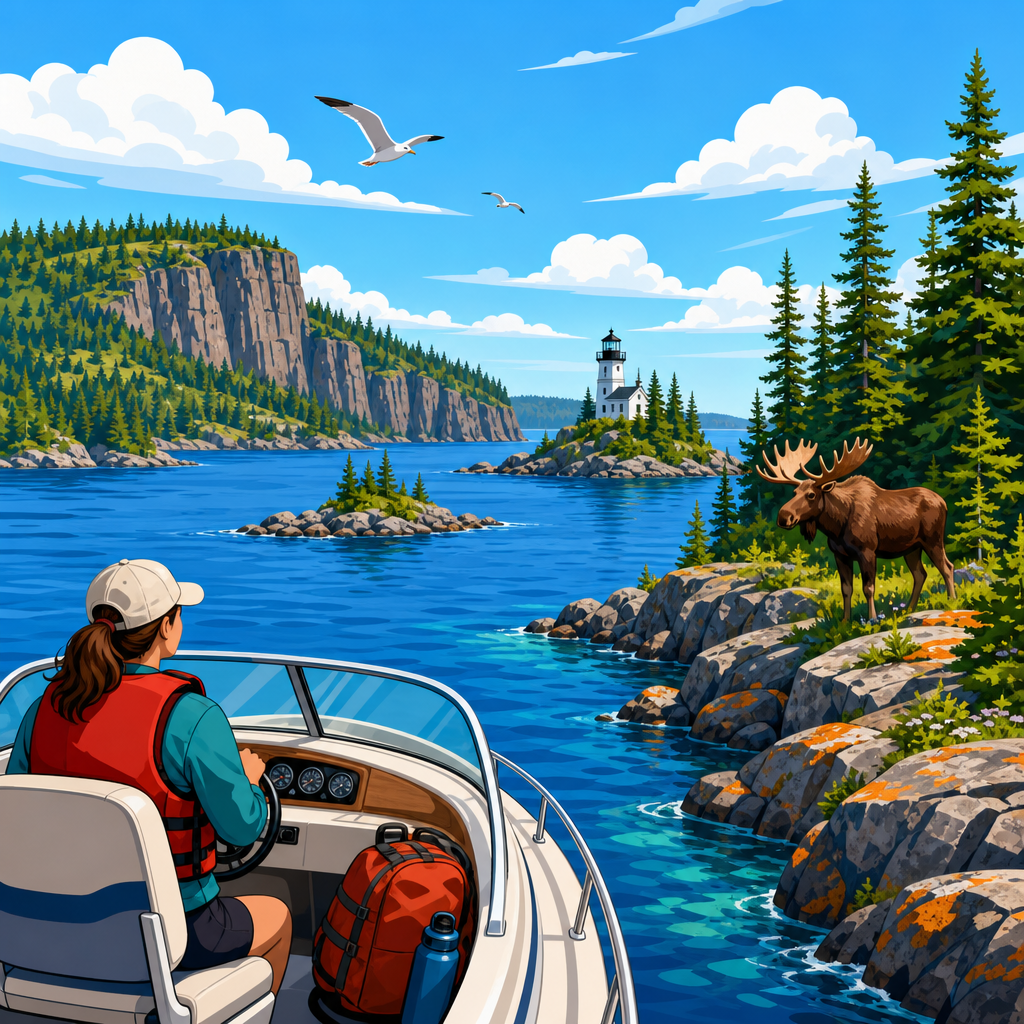
The scenery also rewards slow cruising. Volcanic ridges, boreal forest, cobble beaches, and long protected inlets create a shoreline that constantly changes in scale. One hour may be spent running exposed open water under a sharp westerly; the next may be idling through a narrow harbor bordered by spruce and cedar. Wildlife sightings add to the appeal. Loons, otters, bald eagles, and occasionally moose are part of the experience, while the park’s famous wolf-moose ecology gives the island an identity beyond recreation. Because development is minimal, nights are especially memorable. Few artificial lights, low noise, and dark skies make a secured anchorage or dock feel like true wilderness rather than a resort stop.
From a practical standpoint, Isle Royale is also a benchmark for judgment. Lake Superior can produce steep, dangerous seas quickly, and surface temperatures are cold enough that immersion risk remains serious even in summer. Boaters who are comfortable only on inland lakes often underestimate the combination of distance, exposure, and limited rescue options. That is not a reason to avoid the trip; it is the reason the trip is meaningful. The park rewards competent mariners who check marine forecasts, maintain conservative fuel margins, understand chartplotters and paper charts, and know when to stay put. In my experience, travelers who respect Superior come home calling Isle Royale their best boating destination, while those who treat it casually usually cut their itineraries short.
Planning a Private Boat Trip: Season, Permits, Routes, and Readiness
The boating season at Isle Royale is short and highly weather dependent. Most private boat visits occur from late spring through early fall, with peak activity in July and August when docks, campgrounds, and anchorages are busiest. Even then, conditions can shift quickly. A calm July morning can become a hard, cold afternoon blow, and fog can reduce visibility enough to turn a simple harbor approach into a navigational exercise. The best planning starts with flexibility. Build extra days into the itinerary, carry enough provisions for weather delays, and do not schedule every stop so tightly that one blow traps the whole trip.
Before departure, boaters need to review park fees, permits, customs considerations if arriving via Canadian waters, and current National Park Service guidance. Private vessels entering the park are typically subject to entrance fees and boating-related requirements, and overnight users need to understand where docking, anchoring, and camping are allowed. Certain areas have docks, some support anchoring, and some campgrounds are intended for paddlers or hikers rather than larger boats. Route planning should include official charts, harbor information, fuel range calculations, and realistic travel times at your vessel’s cruising speed rather than optimistic brochure estimates.
Readiness means matching the boat to the lake. A well-maintained cruiser, pilothouse boat, or capable sailboat with reliable auxiliary power is common here, but seaworthiness matters more than length alone. Safety gear should exceed minimum carriage requirements. Carry properly sized life jackets, fixed and handheld VHF radios, current flares or electronic distress signaling devices, a throwable flotation device, first-aid supplies, spare fuel filters, engine spares, robust ground tackle, and redundant navigation tools. On Superior, redundancy is not overkill. If electronics fail in fog near a rock-bound shoreline, paper charts, compass skills, and local knowledge become critical immediately.
| Planning Element | What to Check | Why It Matters at Isle Royale |
|---|---|---|
| Weather window | Marine forecast, wind direction, wave period, fog outlook | Exposed crossings become unsafe quickly on Lake Superior |
| Boat range | Fuel burn at cruise, reserve margin, available fuel stops | Services are limited and detours for weather are common |
| Charts and navigation | Updated electronic charts plus paper backups | Rocky shorelines, narrow harbors, and poor visibility demand precision |
| Permits and fees | Park entrance, overnight rules, special area restrictions | Compliance affects where you can dock, anchor, and stay overnight |
| Waste management | Marine sanitation rules, trash storage, pump-out planning | Protected waters require strict low-impact boating practices |
Best Harbors, Anchorages, and On-the-Water Experiences
Rock Harbor is the best-known arrival point and a logical first stop for many boaters. It offers docks, orientation resources, nearby trails, and access to one of the park’s most scenic boating corridors. Tobin Harbor, adjacent to Rock Harbor, is especially popular because it provides more shelter and a quieter atmosphere while remaining close to services. For first-time visitors, spending an initial night in this area is smart. It allows time to assess weather, review routes, and adjust the itinerary before moving deeper into the park.
Farther afield, experienced boaters often target places such as McCargoe Cove, Chippewa Harbor, and Hay Bay. McCargoe Cove is prized for its long, protected inlet and dramatic sense of enclosure. Chippewa Harbor feels more open and historical, with access to trails and a strong wilderness character. The Washington Harbor area near Windigo serves west-end itineraries well and is useful for reprovisioning, orientation, or meeting changing weather with a more conservative plan. The exact “best” harbor depends on wind direction, vessel draft, docking confidence, and whether the crew prioritizes hiking, fishing, photography, or quiet overnight shelter.
Boating here is not only about moving from harbor to harbor. It is also about combining seamanship with shore exploration. Many visitors use their boats as floating base camps, securing a slip or anchorage and then hiking to inland lakes, ridgelines, or historic sites. Others focus on fishing where permitted and regulated, photography during low-angle morning light, or kayak excursions launched from a mother ship in calmer protected waters. This is why Isle Royale works so well as a hub topic for boating in national parks: the boat expands access, but the destination remains defined by preservation, not entertainment infrastructure. You go for wild shoreline, self-directed travel, and a sense of earned isolation.
National Park Boating Rules, Environmental Protection, and Common Mistakes
Boating in national parks is different from boating in ordinary recreational waterways because resource protection is part of the operating environment. At Isle Royale, that starts with clean boating practices. Invasive species prevention is a serious issue throughout the Great Lakes, so hull fouling, bilge management, bait transport, and equipment cleaning deserve attention before arrival. Waste disposal rules, including marine sanitation compliance and proper trash retention, are not secondary details. If your trip plan depends on “figuring it out later,” the plan is incomplete.
Wildlife etiquette matters too. Federal park waters are not places for high-speed shoreline passes, loud raft-ups, or careless drone-style behavior from boats. Maintain respectful distances from wildlife, minimize wake in confined harbors, and remember that sound carries across quiet anchorages. Fishing regulations can differ from surrounding state waters, especially when licenses, catch rules, or species protections intersect with park rules. Always verify the latest requirements directly from the National Park Service and relevant state agencies before launch rather than relying on forum posts or outdated cruising notes.
The most common mistakes are predictable. First, crews underestimate cold water and overestimate forecast accuracy. Second, they plan distances as if every day will be runnable, which is not how Superior works. Third, they arrive without enough spare parts or anchoring capability for a weather hold. Fourth, they treat docks as guaranteed space instead of a shared, limited resource. Finally, they assume boating skills from warm inland lakes transfer automatically to a remote Great Lake national park. Good judgment solves most of these problems. Conservative route planning, disciplined fuel management, proper communication equipment, and respect for park rules make the difference between a stressful trip and an exceptional one.
How Isle Royale Connects to the Bigger Picture of Boating in National Parks
As a sub-pillar hub for boating in national parks, Isle Royale helps travelers understand the full category. The core questions you answer here apply elsewhere: What permits are required? How does wildlife protection affect boating behavior? What level of boat is appropriate for the waterbody? Where are services located, and what happens when weather changes the plan? At Voyageurs National Park, the water-access model is central but the conditions are more inland and networked. At Everglades National Park, route-finding, shoal water, and tidal considerations dominate. At Channel Islands National Park, open-water crossings and landing conditions become the key challenge. Isle Royale sits at the demanding end of this spectrum because remoteness, cold water, and exposure all converge.
That makes it an ideal starting point for readers building a broader boating travel strategy. If you can plan responsibly for Isle Royale, you can usually scale that discipline to other park destinations. Start with official regulations, then evaluate the waterbody, your vessel, your crew, and your margin for error. Choose destinations that fit your real capabilities, not your aspirational ones. Keep itineraries weather-flexible, train for docking and anchoring before the trip, and carry navigation and communication backups. Most importantly, approach national park boating as stewardship. These waters are special because they are protected, and the best boaters leave almost no trace beyond a wake that disappears in minutes.
For travelers deciding where to go next, Isle Royale delivers the clearest lesson: the finest boating destinations are not always the easiest, but they are often the most memorable when preparation matches the place. Use this page as your foundation for boating in national parks, then map out the specific park articles, route guides, seasonal checklists, and gear resources that support your next trip. Study the regulations, build a realistic plan, and give Lake Superior the respect it demands. If you do, Isle Royale will show you exactly why serious boaters keep returning to protected waters.
Frequently Asked Questions
Why is Isle Royale National Park considered such a special destination for boaters?
Isle Royale stands out because it offers something increasingly rare on the Great Lakes: true remoteness. Located in northwestern Lake Superior, the park is not a casual stop on a standard cruising route. Reaching it requires intentional planning, respect for cold-water conditions, and a willingness to operate far from the comforts of roadside access, full-service marinas, and quick rescue options. For many experienced boaters, that challenge is exactly what makes the destination so memorable.
From a boating perspective, Isle Royale combines rugged seamanship with wilderness exploration. You are navigating one of the largest and coldest freshwater lakes in the world, often in rapidly changing weather, while also managing the expectations that come with entering a protected national park. Anchorages, docks, mooring opportunities, and visitor services are limited compared with more developed cruising grounds, so every leg of the trip benefits from thoughtful preparation. Once you arrive, though, the reward is extraordinary: protected coves, forested shorelines, quiet harbors, clear water, and a feeling that you have entered a landscape that still operates on nature’s terms.
It is also special because boating is one of the best ways to experience the park’s geography. Isle Royale is an archipelago of islands, coves, and inlets, and a boat gives visitors access to places that hikers alone may never see in the same way. That said, the privilege of exploring by boat comes with responsibilities. Park rules, invasive species precautions, waste management, and Leave No Trace ethics all matter here. In short, Isle Royale is a boater’s dream not because it is easy, but because it is wild, beautiful, and deeply rewarding for those prepared to do it right.
What kind of preparation is needed before boating to Isle Royale?
Preparation for Isle Royale should be much more comprehensive than planning a typical weekend cruise. First, boaters need to understand the realities of Lake Superior. Even in summer, water temperatures remain dangerously cold, and weather can shift quickly from calm to hazardous. Wind, fog, waves, and exposure are serious factors, especially on open-water crossings. A trip plan should include conservative weather windows, backup routes, fuel calculations with healthy reserves, communication plans, and a clear understanding of where you can shelter if conditions deteriorate.
Vessel readiness is equally important. Your boat should be suited to large, cold, open water and mechanically dependable. Navigation equipment, current charts, GPS, depth sounder, proper lighting, bilge systems, and safety gear should all be checked well before departure. Reliable life jackets for every person on board, visual distress signals, sound-producing devices, first-aid supplies, extra lines and fenders, and emergency tools are basic expectations, not extras. Because services are limited, spare parts, extra food, freshwater, and contingency supplies can make a major difference if plans change unexpectedly.
Boaters should also prepare for the park-specific side of the trip. That means reviewing National Park Service regulations, understanding any permits, fees, customs or border considerations if traveling from Canadian waters, and learning the rules for docking, mooring, anchoring, camping, pets, fires, and waste disposal. It is wise to research the harbors and facilities you expect to use and to know that amenities may be modest. Finally, everyone aboard should be prepared mentally for self-sufficiency. Isle Royale is rewarding precisely because it is remote, and that means you need to arrive ready to solve problems without assuming immediate outside help is available.
What boating regulations and park rules should visitors pay closest attention to at Isle Royale?
Boaters should pay close attention to the fact that Isle Royale is both a wilderness destination and a national park, which means recreational freedom is balanced by strict resource protection. One of the first things to confirm is the current National Park Service guidance for private boats entering the park, including any required fees, registration expectations, and procedures tied to overnight use. Rules can change over time, so relying on the latest official information is essential rather than assuming past experience still applies.
Waste management and environmental protection are especially important. Discharging sewage or improperly handling trash, food waste, and other onboard refuse can damage a sensitive ecosystem and violate park rules. Boaters should know where pump-out or disposal options exist, if available, and should plan accordingly before arrival. Invasive species prevention is another major issue across the Great Lakes, so cleaning and inspecting boats and gear before entering park waters is part of responsible trip planning. Anchoring practices, dock use, and mooring etiquette should also be handled carefully to avoid damage to underwater resources and to respect space limitations in popular harbors.
Visitors should also understand that shoreline behavior matters just as much as boating conduct. Camping may be restricted to designated areas, campfires may be regulated, and wildlife should never be fed or approached. Quiet hours, group size limits, and backcountry rules may affect how you use your boat as part of a broader park visit. The safest approach is to think of your vessel as a means of access to a protected place, not as a way to bypass its regulations. Boaters who treat Isle Royale with that mindset usually have a smoother, more enjoyable visit and help preserve the experience for everyone else.
What are the biggest safety challenges boaters face on Lake Superior when visiting Isle Royale?
The single biggest safety challenge is the combination of big water and cold water. Lake Superior can look manageable in the morning and become dangerous in a matter of hours as wind builds and wave conditions change. Because the lake is so large, fetch can create seas that are far more serious than many inland boaters expect. At the same time, water temperatures remain cold enough to make accidental immersion life-threatening even during the traditional boating season. That means simple mistakes, like underestimating a crossing or delaying a return to harbor, can become emergencies quickly.
Remoteness adds another layer of risk. Isle Royale is far from roads, tow services, and rapid assistance. Mechanical breakdowns, fuel problems, grounding incidents, medical issues, and communication failures can all become more significant when you are operating in isolated waters. Fog and reduced visibility are also real concerns on Lake Superior, and they can complicate navigation around rocky shorelines, narrow entries, and harbor approaches. Boaters need to be comfortable reading weather forecasts, navigating electronically and on charts, and making conservative decisions that prioritize safety over schedule.
The best way to manage these risks is through discipline. Leave with more fuel, more warm clothing, more emergency gear, and more weather caution than you think you need. File a float plan, monitor marine forecasts continuously, and avoid pushing crossings if conditions are questionable. Make sure everyone on board understands cold-water safety and knows where critical equipment is stored. On Isle Royale trips, prudence is not overkill; it is standard practice. Experienced Great Lakes boaters know that the trip becomes enjoyable only when safety planning comes first.
When is the best time to boat to Isle Royale, and what kind of experience should visitors expect?
The main boating season for Isle Royale generally aligns with the warmer months, when the park is open and marine access is most practical, but “best” depends on your priorities and your tolerance for Lake Superior’s variability. Mid-summer often offers the most favorable balance of longer daylight, more reliable visitor services, and relatively milder conditions. Even then, boaters should not confuse summer with predictability. Cold air, chilly water, fog, and rough weather remain part of the experience, and smart captains plan every trip with flexibility.
Early and late season visits can be especially appealing for solitude, but they typically come with fewer services, cooler temperatures, and a narrower margin for error. Weather windows may be shorter, and cold-water exposure becomes an even greater concern. For many boaters, the ideal timing is a period when park operations are active enough to support a smooth visit, while still allowing enough time in the itinerary to wait out unfavorable conditions. In other words, the best season is the one in which you can afford patience.
As for the experience itself, visitors should expect less of a resort-style cruise and more of an expedition mindset. You are not arriving at a highly developed waterfront with abundant amenities at every stop. Instead, expect quiet harbors, limited facilities, strong natural beauty, and a sense of self-reliance. Wildlife sightings, hiking opportunities, fishing where permitted, and nights in protected anchorages or dock areas can make the trip unforgettable. The pace is slower, the setting is wilder, and the satisfaction is deeper precisely because it feels earned. For prepared boaters, that is the magic of Isle Royale.