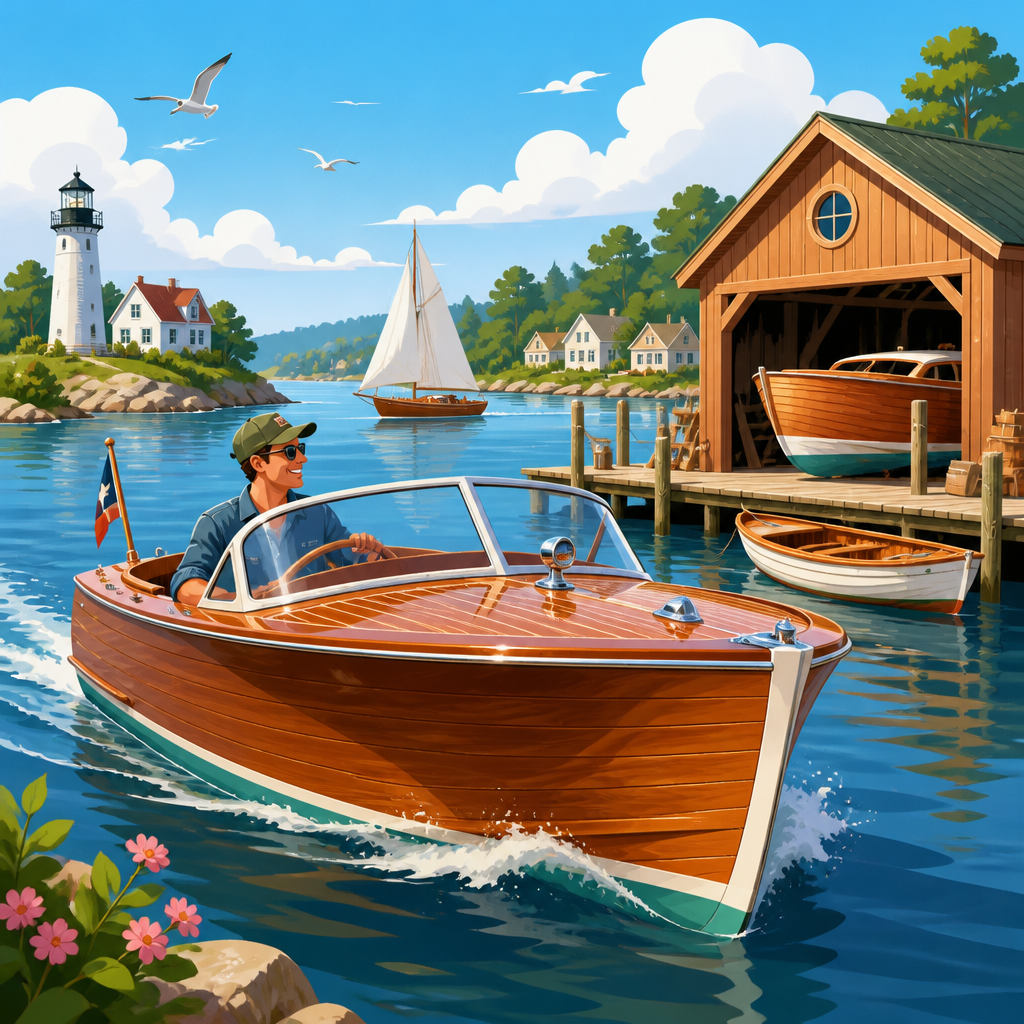
Wooden boats are returning to marinas, boatyards, and waterfront conversations because they offer something modern production craft often cannot: material warmth, repairability, craftsmanship, and a direct connection to maritime history. In the broad world of historic and classic boats, wooden vessels occupy a special place. They include working craft such as dories, skiffs, launches, and tugs, as well as pleasure boats like varnished runabouts, sailboats, pocket cruisers, and traditional yachts. When people ask why wooden boats are making a comeback, the answer is not nostalgia alone. The revival is being driven by better adhesives, improved marine coatings, strong restoration culture, interest in lower-volume ownership experiences, and a growing respect for boats that can be maintained for decades rather than replaced every few seasons.
As a hub within the historic and classic boats category, this guide explains what counts as a wooden boat, why buyers and builders are returning to wood, what types are seeing renewed demand, and how wooden boats compare with fiberglass, aluminum, and steel. It also matters because purchase decisions in this category are rarely simple. A classic lapstrake skiff, a cedar-strip daysailer, and a carvel-planked cruiser may all be wooden boats, but they carry different costs, maintenance schedules, handling traits, and ownership expectations. Understanding those differences helps buyers avoid expensive mistakes and helps enthusiasts find the type of classic boat that fits their skills, budget, and intended waters.
In practical terms, the comeback of wooden boats is part of a larger shift in boating. Many owners are moving away from anonymous mass production and toward durable objects with story, identity, and community support. Wooden boats also anchor the broader historic and classic segment. Once you understand them, it becomes easier to explore related subtopics such as antique runabouts, classic sailboats, working boats, museum-grade restorations, replica craft, and traditionally inspired new builds. Wooden boats are therefore not just a niche. They are the gateway through which many people discover the full depth of classic boating culture.
What defines a wooden boat in the classic boating world
A wooden boat is any vessel whose primary hull structure is built from timber products, but that simple definition hides important distinctions. Traditional construction methods include carvel planking, where planks meet edge to edge over frames, and clinker or lapstrake planking, where boards overlap to create a stiff, lightweight hull. Other methods include strip planking, cold molding, and plywood-on-frame construction. In the boatyards where I have watched restorations progress, these methods are never treated as interchangeable labels. They determine weight, hull movement, maintenance needs, and the level of craftsmanship required for repair.
Classic wooden boats are usually grouped by period and purpose. Prewar launches, postwar mahogany runabouts, Nordic lapstrake dinghies, Herreshoff-inspired sailboats, and workboat-derived cruisers all sit under the same umbrella, yet buyers pursue them for very different reasons. Some seek collector value. Others want a practical harbor launch or a trailerable daysailer that can still be repaired with basic woodworking skills. A key point for this hub is that historic and classic boats are not only museum pieces. Many are active, usable craft whose wooden construction remains a functional choice, not merely an aesthetic one.
Why wooden boats are making a comeback now
The current revival comes from a convergence of technology, economics, and culture. First, modern epoxy systems transformed what wood can do. Brands such as WEST System and MAS Epoxies made cold-molded hulls, glued-lapstrake construction, and durable composite-wood hybrids far more accessible. Properly sealed wood is less vulnerable to water intrusion than many people assume, especially when owners maintain coatings and ventilation. Second, digital marketplaces changed availability. Buyers can now find a vintage Chris-Craft, a restored Whitehall, or a half-finished plywood cruiser project across regions that were once isolated markets.
Third, there is a clear reaction against disposability. Fiberglass dominates the recreational market because it is efficient to manufacture and comparatively easy to maintain, but many owners discover that aging fiberglass boats can become difficult to recycle, expensive to refit, and visually generic. A well-built wooden boat ages differently. It develops patina, can be refinished, and often rewards restoration with renewed value. Fourth, social proof matters. Wooden boat festivals, specialist YouTube channels, schools such as The WoodenBoat School in Maine, and organizations including the Antique and Classic Boat Society have turned ownership from a solitary hobby into a visible, learnable community experience.
The comeback is also fueled by use cases that favor wood. Rowing craft, sailing dinghies, small launches, and custom tenders benefit from wood’s excellent stiffness-to-weight characteristics and the ease of creating graceful shapes without industrial tooling. For many owners, that balance of beauty and utility is decisive. They are not choosing wood despite its character. They are choosing it because of its character.
Which types of wooden boats are seeing the strongest renewed demand
Not every wooden boat segment is growing at the same pace. The strongest interest is concentrated in craft that combine manageable size, visual appeal, and straightforward upkeep. Mahogany runabouts remain the most recognizable classics, especially brands such as Chris-Craft, Hacker-Craft, and Gar Wood. These boats appeal to collectors and day users alike because they deliver immediate visual impact and strong event culture. Small sailboats are another bright spot. Beetle Cats, Herreshoff 12 1/2 replicas, Nordic Folkboats, and glued-lapstrake daysailers attract owners who want traditional lines with modest operating costs.
Practical utility craft are also rebounding. Whitehalls, peapods, skiffs, and custom tenders are popular with waterfront homeowners, rowing enthusiasts, and sailors who appreciate a tender that rows properly instead of merely floating behind a larger boat. In restoration yards, I have seen older plywood powerboats draw interest from buyers priced out of new boats. A structurally sound hull with a modern outboard, rewired systems, and refreshed brightwork can deliver classic personality at a lower entry cost than many premium new models.
| Type | Why demand is rising | Typical owner profile |
|---|---|---|
| Mahogany runabouts | Collector prestige, show appeal, strong brand recognition | Classic car and boat enthusiasts |
| Daysailers and dinghies | Lower storage cost, simple systems, active racing or club use | Hands-on recreational sailors |
| Rowing craft and tenders | Practical waterfront use, excellent efficiency, easy transport | Homeowners and cruising sailors |
| Cold-molded custom boats | Classic appearance with modern performance and reduced upkeep | Buyers wanting tradition without full restoration risk |
Larger wooden cruisers and yachts are making a narrower comeback, but mostly among experienced owners with budgets for professional care. Their appeal is real, especially for people drawn to pedigree designs by Sparkman & Stephens, Alden, or Stephens Brothers, yet the barrier to entry is higher because systems, engines, fastenings, and structural members all demand regular inspection.
How wooden boats compare with fiberglass, aluminum, and steel
Wooden boats succeed today when buyers understand the tradeoffs clearly. Compared with fiberglass, wood generally offers better tactile appeal, easier spot repair, and stronger emotional value. A damaged plank, frame, or rubrail can often be removed and replaced without the large molded repairs common in fiberglass work. However, wood demands closer attention to coatings, moisture management, and fastener condition. Compared with aluminum, wood is quieter on the water, visually richer, and often easier to customize at small scale, though aluminum usually wins for rugged utility and low annual cosmetic maintenance. Compared with steel, wood is lighter in smaller craft and simpler to build without industrial fabrication equipment, but steel remains superior for very large displacement vessels and certain commercial applications.
The right comparison is not maintenance versus no maintenance. Every boat requires maintenance. The better question is what kind of maintenance an owner is prepared to handle. Wooden boats ask for routine observation. You look at seams, varnish, bedding compounds, limber holes, ventilation, and fasteners. In exchange, problems often reveal themselves early and can be corrected in a localized way. Neglected boats deteriorate quickly, but cared-for wooden boats can outlast multiple generations. That is why so many century-old hulls still survive while many midmarket fiberglass boats from the 1970s and 1980s face disposal rather than restoration.
What ownership really involves: maintenance, storage, and restoration
The biggest myth about wooden boats is that they are impossibly fragile. The truth is more specific. Wooden boats are durable when moisture cycling, coatings, and structural joints are managed intelligently. Owners need to understand seasonal movement, especially in traditionally planked hulls that swell when launched. They need proper cover, ventilation, and drainage. Bright-finished mahogany requires regular UV protection; painted surfaces often lower labor and preserve structure just as effectively. Annual routines usually include washing, inspection of seams and fastenings, touch-up coating, hardware rebedding where needed, and checking bilge dryness and airflow.
Storage decisions matter as much as craftsmanship. A boat under a well-built cover, with snow load managed and air circulating, will age very differently from one wrapped carelessly or left exposed. Trailer storage can work well for smaller glued or plywood boats. Larger traditional hulls may benefit from dry indoor winter storage or carefully controlled in-water periods, depending on construction. Restoration should also be approached strategically. I advise buyers to separate cosmetic work from structural work before falling in love with shine. Varnish can distract from rotten frames, tired keel bolts, or failing planks. A proper pre-purchase inspection by a marine surveyor familiar with wooden construction is not optional.
Costs vary widely, but the pattern is consistent. Small, simple wooden boats can be affordable and deeply satisfying. Large, ornate wooden boats become expensive because labor dominates every task. Buyers who match boat size to available time and skills usually stay happy. Buyers who overreach often become forced sellers.
Why wooden boats matter within the broader historic and classic boats category
Wooden boats sit at the center of historic and classic boating because they connect design heritage, regional craft traditions, and living skills. Many of the forms that define classic boats were developed in wood first: the tumblehome stern of runabouts, the fine entry of rowing craft, the balanced overhangs of classic sailboats, and the workmanlike shapes of fishing and harbor boats. Studying wooden boats helps readers understand the full subtopic of historic and classic boats, including antique powerboats, commuter yachts, classic outboard skiffs, traditional dinghies, and replica builds that use modern adhesives while honoring period lines.
They also support a strong ecosystem of related topics and services. Readers exploring this hub often continue into restoration methods, classic boat insurance, marine survey standards, varnish systems, trailer setups for antique boats, and the distinction between preserved originals and reproductions. Wooden boats therefore function as an organizing theme for the entire category. They give context to why certain brands matter, why some hulls command premiums, and why authentic construction details such as bronze fastenings, steam-bent frames, and canvas decking still influence value.
How to choose the right wooden boat today
Start with use, not fantasy. Decide whether the boat will live on a trailer, at a dock, on a mooring, or in indoor storage. Decide whether you want rowing, sailing, quiet harbor cruising, or high-visibility classic boating events. Then assess your skill level honestly. A cedar-strip canoe or glued-lapstrake tender is a very different commitment from a 28-foot carvel cruiser. Look for complete maintenance records, recent survey data, and evidence of dry, thoughtful storage. Ask what was replaced, when, and by whom. Professional invoices from a respected yard often matter more than a glossy finish.
New buyers should favor boats with active class associations or clear parts support. Community reduces risk. It gives you setup advice, repair referrals, and realistic expectations about annual labor. If you are entering the historic and classic boats world, wooden boats reward patience and informed selection more than impulse. Choose a boat that fits your water, your schedule, and your willingness to learn basic care. Done right, ownership is not a burden. It is participation in a durable tradition that still earns its place on the water.
The return of wooden boats is real because these boats answer modern needs as well as timeless desires. They offer repairable construction, distinctive design, usable performance, and an ownership experience rooted in skill rather than replacement. For anyone exploring historic and classic boats, wooden boats are the essential starting point because they explain where many beloved forms came from and why they still matter now. The smartest approach is simple: learn the construction type, match the boat to your actual use, inspect carefully, and embrace maintenance as part of stewardship. If you want a classic boat with soul, substance, and lasting relevance, start your search with wood.
Frequently Asked Questions
Why are wooden boats making a comeback now?
Wooden boats are returning to attention for several reasons, and not all of them are purely nostalgic. Many boat owners, collectors, and first-time enthusiasts are rediscovering that wood offers qualities modern fiberglass and mass-produced materials often struggle to replicate. A wooden hull has visual warmth, texture, and individuality. Grain patterns, joinery, fastenings, and hand-finished surfaces give each boat a personality that feels distinctly human-made rather than factory-formed. For many people, that character matters just as much as performance.
There is also a growing appreciation for craftsmanship and objects built to last. In an era when so many consumer goods are disposable, wooden boats stand out because they can be maintained, restored, and handed down. A classic skiff, launch, sailboat, or runabout is not simply used and replaced; it can be repaired board by board, frame by frame, and finish by finish. That repairability makes ownership feel more participatory and meaningful. Instead of hiding wear, owners often see maintenance as part of stewardship.
Another factor is cultural interest in maritime heritage. Wooden boats connect people directly to working waterfront history, traditional seamanship, and regional boatbuilding styles. Whether it is a dory associated with fishing communities, a pocket cruiser inspired by classic coastal cruising, or a varnished runabout linked to early recreational boating, these vessels tell stories. As more people seek authentic experiences on the water, wooden boats offer a tangible link to the past while still being fully usable in the present.
Finally, social visibility has helped fuel the comeback. Wooden boat festivals, restoration channels, specialty boatyards, and enthusiast communities online have made these boats more accessible and less mysterious. What was once seen as an impractical niche is increasingly viewed as a rewarding alternative for owners who value beauty, repairability, and tradition.
Are wooden boats practical to own, or are they mostly for collectors and hobbyists?
Wooden boats can absolutely be practical to own, although practicality depends on the type of boat, how it is built, and what kind of boating you plan to do. It is true that some highly finished classic yachts and show-quality runabouts demand a level of maintenance that suits collectors or dedicated hobbyists. However, many wooden boats were originally designed as hardworking everyday craft, and that legacy still matters. Dories, skiffs, launches, small sailboats, tugs, and utility boats were built for real use, not just admiration.
Well-designed wooden boats remain practical because wood is a workable, repairable material. Damage that might be difficult or expensive to address in other construction methods can often be repaired by a skilled yard or owner with traditional tools and sound techniques. That does not mean ownership is effortless, but it does mean problems are often understandable and fixable. Instead of relying entirely on molded replacement parts or hidden laminate structures, wooden boats are usually more transparent in how they are put together.
Modern ownership also benefits from improved coatings, better fasteners, epoxy construction methods, covered storage options, and broader access to restoration knowledge. Some contemporary wooden boats are built using glued-lapstrake, cold-molded, or epoxy-sheathed methods that reduce many of the maintenance concerns associated with older plank-on-frame construction. As a result, the category of “wooden boat” now includes both historically faithful restorations and modern interpretations that blend classic aesthetics with updated engineering.
That said, wooden boats reward attentive owners. They do best when used regularly, inspected carefully, and stored properly. If someone wants a boat that can be ignored for long periods and then expected to perform perfectly with no preparation, wood may not be the ideal match. But for owners who enjoy involvement, appreciate materials, and want a vessel with soul as well as utility, wooden boats can be very practical and deeply satisfying to use.
What makes wooden boats different from fiberglass or aluminum boats on the water?
One of the biggest differences is the sensory experience. Wooden boats tend to feel warmer, quieter, and more organic both visually and physically. They reflect light differently, carry natural texture, and often create a calmer atmosphere aboard. For many owners, the experience begins before the boat even leaves the dock. The look of varnished trim, painted planking, bronze hardware, and shaped timber details creates a presence that modern production boats rarely match.
On the water, a well-built wooden boat can have a distinctive ride quality. Construction style, hull shape, and displacement matter more than material alone, but many classic wooden designs were created with seakeeping, balance, and graceful motion in mind. Traditional launches, sailboats, and cruisers often prioritize ease and rhythm over speed-at-all-costs design. That can make them especially appealing to boaters who care about the journey as much as the destination.
Another major difference is how the boat is understood and maintained. Fiberglass boats are often associated with molded uniformity, while aluminum boats are valued for toughness and utility. Wooden boats, by contrast, invite closer familiarity. Owners learn the structure, know the frames and planks, recognize how the boat takes up, and pay attention to finish, fastenings, and moisture management. This relationship can be more hands-on, but it also gives owners a stronger sense of connection to the vessel.
Wooden boats also stand apart in terms of aesthetic and historical value. They often carry design lineages tied to specific regions, trades, and eras of boating. A skiff, sailboat, or traditional yacht built in wood may express proportions and detailing that come from generations of local knowledge. So while fiberglass and aluminum certainly offer advantages in cost, impact resistance, or low routine upkeep, wooden boats deliver a richness of experience that many boaters find hard to replace once they have spent time aboard one.
Do wooden boats require a lot more maintenance than modern boats?
Wooden boats do require attentive maintenance, but the idea that they are automatically unmanageable is often exaggerated. The real answer depends on age, construction method, storage conditions, and previous care. An older neglected wooden boat can demand extensive restoration, while a properly maintained wooden boat with good shelter and regular use may be very manageable. In other words, the maintenance burden is shaped less by mythology and more by condition and ownership habits.
Traditional wooden boats need routine inspection because wood responds to moisture, movement, and time. Owners watch for issues such as loose fastenings, finish breakdown, seam movement, rot in vulnerable areas, and water intrusion around fittings. Brightwork may need regular refinishing, painted surfaces need upkeep, and hull integrity should be checked carefully. These tasks are real, but they are also predictable. For many owners, maintenance becomes part of the seasonal rhythm rather than a constant crisis.
It is also important to distinguish between cosmetic maintenance and structural maintenance. Varnish work can be time-consuming, but it is not the same as rebuilding frames or replacing planks. Many wooden boats remain structurally sound for decades when small issues are addressed early. Deferred maintenance is what usually turns a reasonable upkeep schedule into an expensive restoration project. That is why knowledgeable surveys, moisture awareness, proper ventilation, and quality winter storage are so important.
Modern materials have improved the situation considerably. Better sealants, paints, epoxies, and marine fasteners help extend service life and simplify many repairs. Skilled boatyards also understand how to combine traditional methods with selective modern upgrades without compromising the boat’s character. So yes, wooden boats generally ask more of their owners than low-maintenance production boats, but they also offer a type of ownership many people find far more rewarding. The key is going in with clear expectations and a commitment to regular care.
What types of wooden boats are attracting the most interest today?
The renewed interest in wooden boats spans both working craft and pleasure boats, which is one reason the comeback feels so broad. On the practical and historic side, people are drawn to dories, skiffs, launches, and small utility boats because they are approachable, useful, and rooted in traditional waterfront life. These boats often appeal to owners who want something simple, capable, and visually authentic for rowing, harbor use, day cruising, or light fishing.
Among recreational boats, varnished runabouts remain especially popular because they are iconic and instantly recognizable. Their polished finishes, elegant lines, and classic hardware give them a timeless appeal that stands out in any marina. Traditional sailboats and pocket cruisers are also gaining attention from boaters who want a more intimate, skill-based, and aesthetically rich experience on the water. These boats often combine manageable size with strong character, making them attractive to owners who want to cruise, daysail, or restore without taking on a massive project.
Larger classic yachts and heritage launches continue to hold a strong place as well, particularly among enthusiasts who value long-term preservation. These vessels often represent significant regional or design history and can become centerpieces of restoration programs, private collections, or classic regattas. At the same time, newer wooden boats built with contemporary methods are attracting buyers who want the look and feel of wood with somewhat simplified upkeep. That blend of old-world appearance and updated construction has widened the audience considerably.
What unites all of these categories is that wooden boats offer more than transportation. They deliver identity, story, and craftsmanship. Whether someone is captivated by a hardworking skiff, a