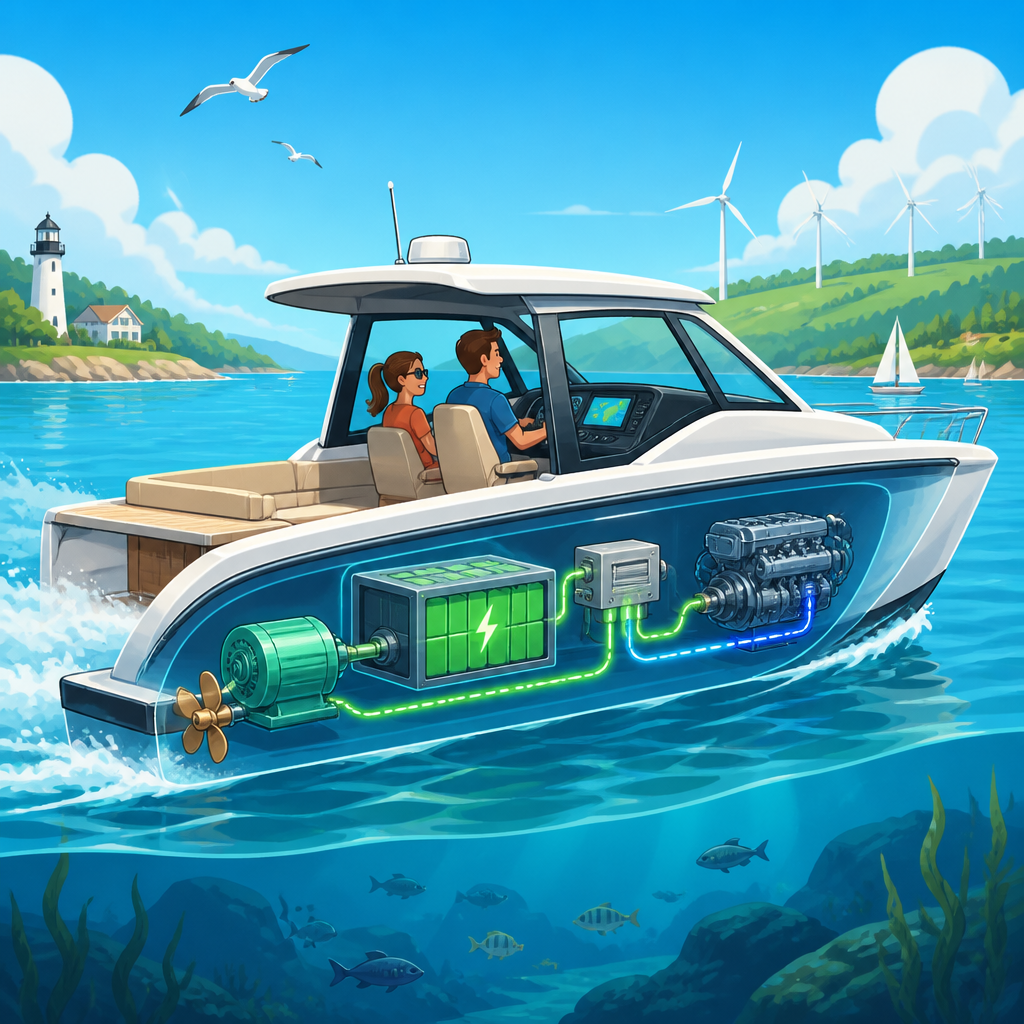
In the modern age of sustainability and environmental consciousness, living a life of luxury and eco-friendliness might seem like an impossible dream. However, for houseboat enthusiasts, striking a balance between comfort and energy efficiency is not only achievable but practical. This guide aims to explore effective methods to make houseboats more energy-efficient, boosting sustainability while reducing operational costs.
A houseboat provides an idyllic way of life that merges water with comfort. Often, these boats are equipped with a set of amenities akin to land-based homes, including electricity, heating, and cooling systems. However, unlike traditional homes, houseboats have the unique challenge of limited space and energy resources, making efficient usage paramount.
Energy efficiency on a houseboat refers to the effective utilization of available power sources to perform daily activities while minimizing wastage and maximizing economy. The significance of efficiency rests in lessening the ecological footprint of enjoying marine living and in cutting down maintenance and utility costs.
By integrating sustainable practices, houseboat enthusiasts can enjoy an eco-friendly lifestyle without sacrificing comfort. Furthermore, these measures will not only improve operational efficiency but also enhance the longevity of the boat and contribute to a healthier planet. Let’s dive into the pragmatic strategies that can transform your houseboat into a model of energy efficiency.
Utilizing Renewable Energy Sources
The first step in making a houseboat more energy-efficient involves tapping into renewable energy sources. By capitalizing on natural resources, houseboat owners can significantly reduce their reliance on fossil fuels.
The most common and accessible form of renewable energy for houseboats is solar power. Installing solar panels on the roof of a houseboat allows occupants to harness the sun’s energy to power light fixtures, appliances, and other necessities. Consider a case study of a houseboat in the Netherlands that installed a 1.5kW solar panel array. The owner reported a 60% reduction in fuel generator usage during the sunny months, leading to both cost savings and environmental benefits.
- Benefits: Reduction in fuel costs and carbon footprint
- Considerations: Initial investment and sporadic efficiency during cloudy conditions
- Maintenance: Regular cleaning of panels for optimal performance
Beyond solar power, wind energy can be harnessed using small wind turbines. While not as common, wind turbines can also provide substantial energy, particularly in breezy locations. By integrating solar panels and wind turbines, a houseboat can be nearly self-sufficient energy-wise.
Enhancing Insulation and Ventilation
Enhancing the insulation and ventilation of a houseboat is another significant step toward energy efficiency. Insulation helps keep the desired temperature inside the boat stable, reducing the need for excessive heating or cooling.
Consider the story of a Boston-based houseboat owner who upgraded the insulation using eco-friendly materials such as sheep wool and recycled denim. The result was a reduction in heating energy usage by around 30% during harsh winters.
Effective ventilation systems also contribute to energy efficiency. By facilitating the natural flow of air, these systems reduce the dependency on powered heating and cooling, thereby saving energy. For instance, strategically placed vents and fans can circulate air throughout the boat, keeping it cool in the summer without air conditioning.
Optimizing Appliance Use
An underrated aspect of energy efficiency involves optimizing appliance use. Houseboats often rely on appliances for everyday comforts, yet these can be significant energy consumers if not managed properly.
One practical example comes from an Australian couple who swapped their old refrigerator and lighting systems for energy-efficient models. They observed a 50% reduction in electricity used for their day-to-day living. More efficient appliances draw less power, thus extending the time batteries maintain their charge.
To better understand the impact of energy-efficient appliances, consider the following table:
| Standard Appliance | Energy-Efficient Appliance | Energy Savings (%) |
|---|---|---|
| Incandescent Bulb | LED Bulb | 80 |
| Standard Refrigerator | Energy Star Refrigerator | 40 |
| Old HVAC System | Modern HVAC System | 30 |
Water Conservation Techniques
While energy efficiency often takes center stage, water conservation techniques also play an integral role in the energy matrix of a houseboat. Renewable energy is often needed to power water heating systems, so reducing water usage preserves energy.
Software engineer Jamal switched to low-flow toilets and showerheads on his houseboat docked at Lake Powell. This change not only conserved water but also minimized the need to power the freshwater pumps, reducing energy consumption by nearly 15%.
Furthermore, collecting and utilizing rainwater can significantly decrease dependency on energy-intensive freshwater systems. Houseboat owners often install rainwater collection systems to capture and reuse rainwater for non-potable needs, further easing energy use.
Regular Maintenance and Inspection
Lastly, no strategy to increase energy efficiency is complete without regular maintenance and inspection. Scheduled checks ensure that a houseboat operates at peak efficiency, preventing energy losses due to mechanical failures or malfunctions.
The owners of a houseboat in the Chesapeake Bay region implemented a routine check every three months. By addressing minor malfunctions immediately, they reported sustaining lower energy consumption rates by keeping their systems optimized for performance.
Practical steps include cleaning and lubricating mechanical parts, checking for fuel or air leaks, and repairing worn or damaged components promptly. Keeping a detailed logbook helps owners and technicians understand long-term trends and challenges.
Conclusion
In summary, making a houseboat more energy-efficient isn’t just an environmentally-conscious choice; it’s also a financially prudent one. By integrating renewable energy sources like solar and wind, enhancing insulation and ventilation, optimizing appliance use, conserving water, and maintaining regular inspections, houseboat owners can dramatically reduce their carbon footprint and operational costs.
The strategies outlined are not only practical and evidence-backed but also pave the way for more sustainable maritime living. For those houseboat enthusiasts eager to dive into an eco-friendly lifestyle, the first logical step is to evaluate your current systems and gradually implement these strategies, ensuring a harmonious balance between indulgence and sustainability. So, embark on your voyage towards sustainability today, and enjoy the dual pleasures of nature and innovation.
Frequently Asked Questions
1. How can I reduce energy consumption on my houseboat?
Reducing energy consumption on a houseboat involves a multifaceted approach that primarily focuses on energy-efficient appliances and renewable energy sources. To start, consider replacing regular bulbs with LED lights, which consume significantly less power and have a longer lifespan. Opt for energy-efficient appliances such as refrigerators, microwaves, and air conditioners designed with high energy ratings. Implementing a smart power grid system also offers energy-saving opportunities by monitoring and optimizing energy use across different devices.
Another effective strategy is to enhance your insulation. Insulating your houseboat properly helps maintain indoor temperatures, reducing the need for heating or cooling. Double-glazed windows and weather stripping around doors are effective additions to minimize temperature leakage. Lastly, be conscious of your power usage habits: turn off appliances when they’re not in use, unplug devices that are not frequently used, and try to utilize natural lighting as much as possible during the day.
2. Is it feasible to install solar panels on a houseboat?
The short answer is yes, and it’s not just feasible but highly beneficial! Solar panels are one of the best ways to make your houseboat more energy-efficient. They harness renewable energy from the sun, allowing you to produce clean power that can be used to run appliances and charge batteries. While the initial setup cost may be high, the long-term savings on energy bills are substantial. A solar panel system can drastically reduce reliance on diesel generators, which are traditionally used on houseboats.
Installation of solar panels involves analyzing your energy needs to determine how many panels you’ll require. The available deck or roof space usually dictates panel size and configuration. High-efficiency panels capture more energy in limited spaces, which is ideal for the spatial constraints of a houseboat. Once installed, you will also need a battery bank to store the energy produced. This setup allows for energy availability even when the sun isn’t shining. Proper marine-grade solar equipment is crucial to withstand harsh marine conditions and discourages corrosion. Regular maintenance, such as cleaning the panels to ensure they aren’t covered with grime or bird residue, is also essential to maximize their efficiency.
3. Can I use alternative energy sources besides solar to power my houseboat?
Of course, diversifying your energy portfolio on your houseboat is not only possible but can provide a more robust and efficient energy system. Besides solar panels, consider integrating wind turbines. Small-scale wind turbines can be installed on your houseboat to generate additional energy. Wind power is incredibly effective, especially in open water where wind speeds are typically higher.
Another option is micro-hydro generators. While less common, these systems can be utilized if your houseboat is situated in a fast-moving current. The way it works is by using the water flow to generate power. Lastly, for a full spectrum power solution, combining these renewable sources with a shore power connection or even hybrid generators ensures you have a backup option for times when renewable sources aren’t producing enough energy.
4. What role does energy-efficient heating and cooling play on a houseboat?
Heating and cooling are significant energy consumers on a houseboat, which can be a real hurdle to efficiency. Again, the focus should be on reducing workload for your system. The first step is ensuring your houseboat is well-insulated to sustain a constant temperature, cutting back on how often you need to run your systems.
Invest in energy-efficient HVAC systems specific to smaller spaces, those that utilize a heat pump system, or consider a compact marine air conditioning unit optimized for reduced energy consumption. Another option is radiant floor heating; this system provides warm comfort without the energy drain of traditional appliances.
Furthermore, harness natural ventilation systems. On pleasant days, open windows and doors can facilitate natural airflow, reducing the need for air conditioning. In conclusion, the key here is to use equipment appropriately sized for your space, as oversized units often consume more power than necessary.
5. What are the benefits of making a houseboat energy-efficient?
Diving into energy efficiency isn’t just about bolstering your eco-credentials—it’s a decision with multiple benefits. First and foremost, an energy-efficient houseboat lowers your operational costs over time. Renewable energy sources such as solar lower your fuel, generator, and electricity expenses, providing financial savings off your monthly budget.
In addition to economic benefits, energy efficiency on houseboats also extends the lifespan of various mechanical systems by reducing the strain placed on engines and generators. You’re also mitigating your environmental impact. Designs aimed at efficiency often reduce carbon footprints and promote eco-sustainability, a critical step in tackling global environmental challenges.
Moreover, by converting your houseboat into an energy-efficient one you’re investing in a more resilient and autonomous mobile home. This upgrade provides peace of mind knowing that even while out at sea, you’re creating and managing your power effectively, securing your comfort and lifestyle even when access to conventional energy sources might be limited.