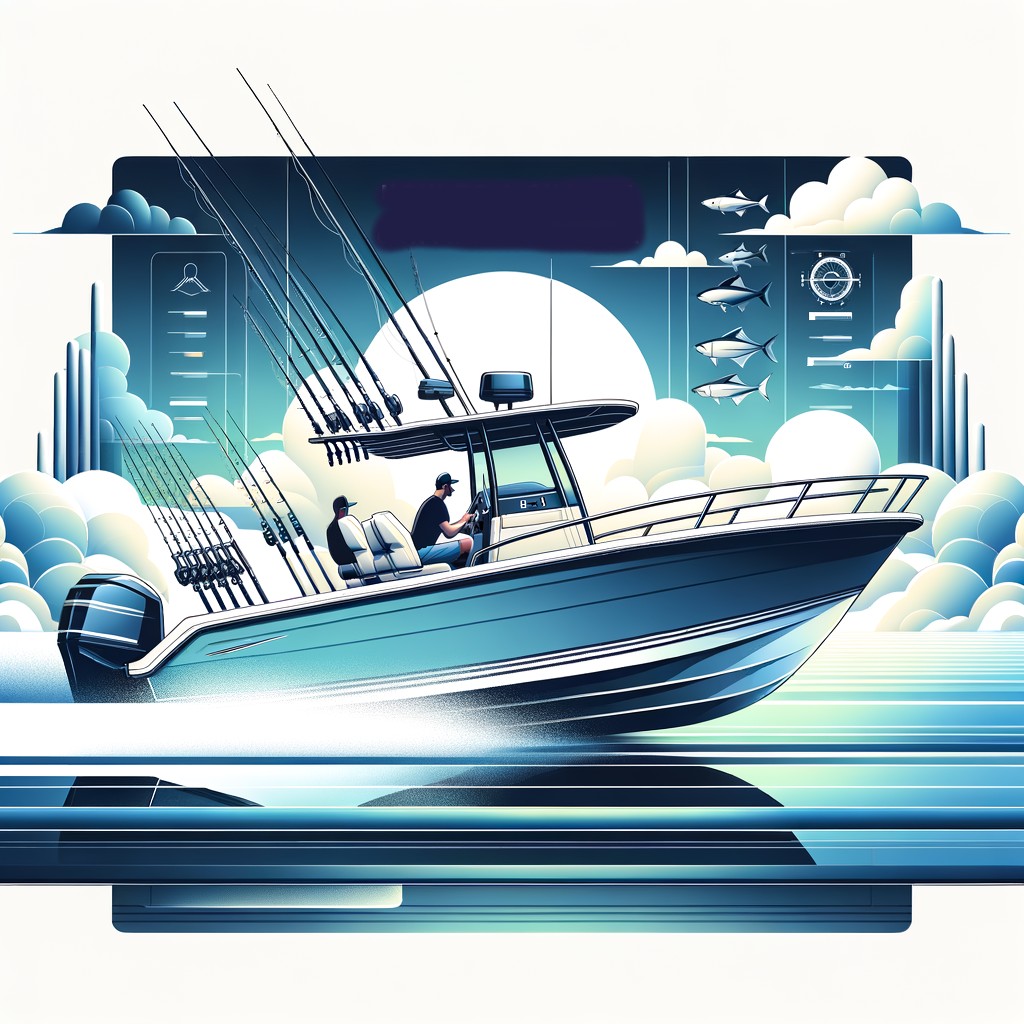
Embarking on the thrilling adventure of offshore fishing requires a vessel that’s up to the task. The centerpiece of this maritime adventure is often the center console boat, a versatile and popular choice among anglers. With numerous models and features available, choosing the best center console boat for offshore fishing can be daunting. Factors like size, build quality, storage capacity, engine performance, navigation systems, and safety features all come into play. Understanding these elements is crucial to make a well-informed decision that aligns with your fishing goals, budget, and comfort expectations. This article will delve deeply into each aspect, providing a comprehensive guide to selecting the ideal center console boat for offshore fishing aficionados. Whether you’re an experienced fisherman or a novice, this guide will help you navigate the waters of selecting the perfect offshore fishing vessel.
The Importance of Size and Hull Design
The size of the center console boat is perhaps the most significant starting point. Generally, offshore fishing demands larger boats that can handle rough seas while ensuring safety and comfort. Boats ranging from 20 to 40 feet are preferable. A larger boat not only offers increased stability but also facilitates a more comfortable ride when venturing far out into the ocean. Stability is vital when dealing with the unpredictability of offshore waves and currents.
Additionally, the hull design profoundly impacts the boat’s performance in open waters. A deep-V hull is favored for offshore fishing due to its superior ability to cut through waves and offer a smoother ride. The angle of the V (dead rise) is crucial; the steeper it is, the better the capability to handle rough seas, albeit with potential trade-offs in terms of speed and fuel efficiency. Therefore, the choice must balance these elements carefully.
Engine Power and Performance
Engine power is another pivotal factor when considering a center console boat. Offshore fishing necessitates robust engines capable of fast speeds to reach fishing spots efficiently and return safely. This speed and power are especially crucial in adverse weather conditions where rapid return to shore can be life-saving. Boats often come with either single or dual outboard motors. Dual engines are preferred for redundancy and reliability, providing peace of mind should one engine fail.
Furthermore, evaluating fuel capacity is critical. Longer trips call for larger fuel tanks to ensure you can venture far and return without worrying about refueling. Balancing power with fuel efficiency remains key; high-speed engines often consume more fuel, impacting the journey’s cost-effectiveness.
Storage and Layout Considerations
The storage and layout design of a center console boat significantly influence its offshore fishing capability. Ample storage is essential to accommodate fishing gear, safety equipment, and personal items. This includes rod lockers, tackle storage areas, live wells, and insulated fish boxes to keep catches fresh. Space for coolers and dive gear might also be beneficial depending on your specific fishing activities or interests in snorkeling or diving.
Moreover, the layout must facilitate easy movement around the boat, especially during intense fishing activities. A wide, open deck space is ideal, allowing anglers to cast and reel without obstruction. Center consoles provide clear 360-degree access, crucial when reeling in a large fish or maneuvering around the boat. Ergonomic seating and shaded areas may also enhance comfort during long hours at sea.
Navigation and Electronics
The integration of advanced navigation and electronic systems in center console boats has transformed the offshore fishing experience. GPS systems, fish finders, and radar equipment are now standard, aiding in efficient navigation and successful fishing. A well-equipped navigation system ensures you can locate fishing spots and return home safely, while sonar and fish finders increase your effectiveness in locating schools of fish beneath the water’s surface.
Additionally, VHF radios and satellite communication devices are essential for maintaining contact with the shore or other vessels, further enhancing safety. Modern boats also feature digital controls for engines and steering, improving maneuverability and user experience. When selecting a boat, ensure it has or can accommodate the requisite electronic systems you need for your fishing expeditions.
Safety Features
Safety must never be overlooked when choosing a center console boat for offshore fishing. Essential safety features include life jackets, first aid kits, fire extinguishers, and emergency signaling devices like flares. Additionally, the installation of safety mechanisms such as automatic bilge pumps, which help keep the boat dry, and self-bailing cockpits, which prevent water accumulation, is crucial.
Some boats might also include safety rails and secure seating to prevent accidents in turbulent conditions. Another important aspect is ensuring the boat’s design includes sufficient floatation materials or systems that comply with coast guard regulations, increasing the vessel’s buoyancy and safety in case of a mishap.
Comfort and Additional Amenities
When spending extended periods at sea, comfort becomes a significant consideration. Many modern center console boats come equipped with additional amenities that enhance comfort and increase the enjoyment of fishing excursions. Features such as T-tops or hardtops provide shade and protection against the elements, while some models offer deluxe helm stations with cushioned seating and ergonomic controls for increased comfort during long trips.
For trips that last several days, boats with small cabins or cuddy spaces can be beneficial, allowing for resting areas and overnight stays, equipped with basic amenities like a toilet or kitchenette. Carefully considering how these comforts and amenities align with your intended offshore adventures is vital when making your selection.
Budget and Cost Considerations
Finally, your choice will inevitably be influenced by budget. Center console boats range significantly in price depending on size, brand, features, and included accessories. It’s essential to balance your needs with your budget, considering not just the upfront purchase price but also long-term expenses such as maintenance, mooring, fuel, and possible insurance premiums.
Prioritize your must-have features and consider future resale value. Investing in a reputable brand with a history of durability and strong customer service can save money and hassle in the long run, making it a worthwhile consideration during your purchasing process.
Conclusion
Choosing the best center console boat for offshore fishing involves considering numerous crucial factors, each impacting your experience on the water. From size and hull design to engine power, navigation systems, and safety features, each element contributes to a boat’s overall suitability for offshore adventures. Additional factors such as budget, comfort, and storage capabilities must also be carefully assessed to ensure the vessel aligns with your specific needs and expectations.
Ultimately, the best choice will be one that meets your fishing goals, budget constraints, and comfort requirements, ensuring a seamless and enjoyable fishing experience. By thoroughly understanding and evaluating these elements, you can confidently navigate the boat-buying process and make a decision that brings you closer to unforgettable offshore fishing experiences. Take the time to assess your priorities, consult expert opinions, and test different models if possible. Doing so will ensure that your investment in a center console boat not only meets but exceeds, your offshore fishing aspirations.
Frequently Asked Questions
1. What size center console boat is best for offshore fishing?
When considering the size of a center console boat for offshore fishing, it’s crucial to think about the distance you plan to travel, the sea conditions you’ll encounter, and the number of people typically joining you. Boats that are ideal for offshore use generally range from 24 to 40 feet in length. This size range provides sufficient stability and space needed for handling rough waters as well as accommodating fishing gear and companions. Larger boats often offer better performance in terms of speed and fuel efficiency over long distances and provide more room for storage and additional features such as onboard restrooms, which can come in handy during extensive trips. Be sure to balance your choice between the extra comfort and stability of a larger boat and the maneuverability and ease of towing that smaller options might offer.
2. How do I assess the build quality of a center console boat?
Evaluating the build quality of a center console boat involves examining the materials used and the construction techniques applied. Look for boats made of high-grade fiberglass or composite materials, as these offer excellent durability and resistance to the harsh marine environment. Check the boat for a sturdy hull design that can cut through choppy waves efficiently. Inspect the framework of the boat, paying attention to areas where different parts are fused together – seamless construction is indicative of quality craftsmanship. Additionally, examine how components like the console, seating, and storage compartments are attached, as well as the finishing on the boat’s exterior and interior. It’s also wise to look into the manufacturer’s reputation and customer reviews to gain further insights into the long-term performance and reliability of their boats.
3. What engine performance should I look for in a center console boat?
Engine performance is a critical factor for offshore fishing as it directly affects your boat’s speed, range, and handling capability in open waters. Look for a boat with a powerful and reliable engine that can handle the demands of deep-sea fishing. Engines from reputable companies like Yamaha, Mercury, or Honda often receive high praise for their performance and longevity. The horsepower (HP) of the engine you need will largely depend on the boat size and the level of performance you desire. For offshore fishing, an engine of at least 150 HP is recommended, but larger boats will require a more powerful engine, sometimes up to 300 HP or more, to ensure efficient operation. Don’t forget to check fuel efficiency, as you’ll want an engine that can provide good range without excessive fuel consumption, allowing you to spend more time fishing and less time refueling.
4. Why is storage capacity important in a center console boat?
Storage capacity plays a pivotal role in offshore fishing adventures where a multitude of equipment is involved. Your boat should have ample space to store rods, tackle boxes, bait, coolers, and spare parts securely and safely. Look for boats that offer a variety of storage solutions, such as under-seat compartments, gunnel rod holders, and dedicated tackle storage areas, which help keep the deck organized and free from clutter. Beyond fishing equipment, it’s essential that the boat has space for personal items and safety gear like life jackets or emergency kits. Good storage capacity not only keeps everything in order but also optimizes your fishing experience by having immediate access to the gear you need when you need it.
5. What safety features should I prioritize in a center console boat for offshore fishing?
Safety should always be a top priority when venturing offshore. Ensure your center console boat is equipped with essential safety features such as a sturdy grab rail system and nonslip decking to prevent falls. A reliable navigation system is indispensable to safely guide your journey, especially in unfamiliar waters or low visibility conditions. Additionally, VHF radios are crucial for maintaining communication and calling for assistance if needed. Consider boats with an automatic bilge pump system for handling excess water and a robust anchor system for stability when at rest. It’s also wise to have a well-thought-out life raft and emergency flotation devices on board. Investing in a boat with advanced safety features not only ensures compliance with regulations but also provides peace of mind, allowing you to focus on the excitement of offshore fishing.