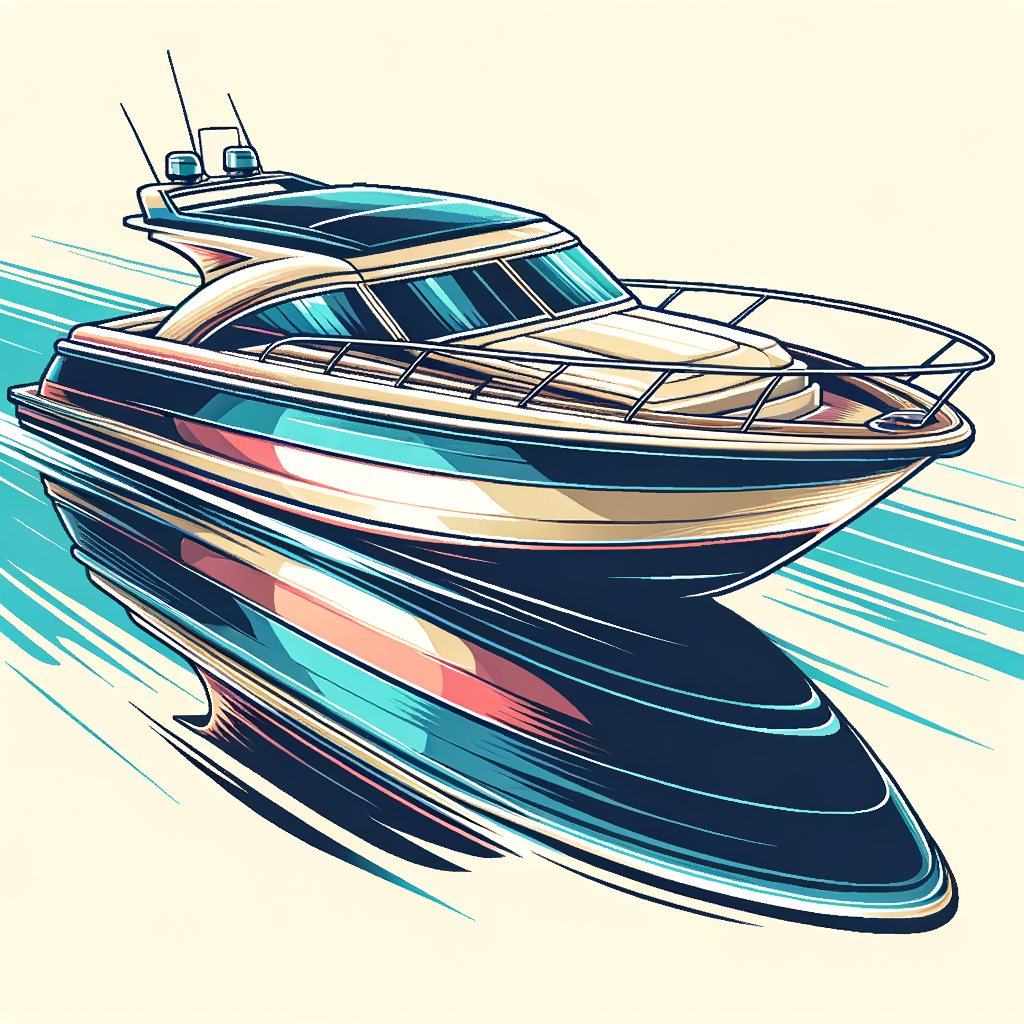
When it comes to exploring the vast and breathtaking open waters, sailboats provide an enthralling way to enjoy the beauty of nature from a unique perspective. Sailboats have captured the hearts of adventurers, thrill-seekers, and lovers of leisure throughout history. As they gracefully glide across water bodies, propelled by the wind’s power, sailboats come in an astounding variety of types and sizes, from small dinghies suitable for beginners to grandiose luxury yachts that exude opulence. Understanding the basics of sailboats, their design, types, and their nuances offers an exciting glimpse into an age-old tradition that blends engineering, craftsmanship, and the free spirit of discovery. Sailboats are marvels of design, engineering, and inspiration that draw enthusiasts for recreation, competition, and long-distance voyages. In this extensive guide, we will explore the world of sailboats, offering insight into their mechanics, uses, and appeal.
Sailing is not merely a hobby or a pastime; it is a vibrant culture rich in history, community, and adventure. Even as technology advances and powerboats gain popularity, the allure of sailboats remains largely undiminished. Whether you’re interested in exploring tranquil lakes, epic ocean passages, or simply learning new skills, there is a sailboat suited for every purpose. Through this article, we aim to enhance your understanding, appreciation, and perhaps even your passion for these magnificent watercrafts. By dissecting elements from their basic structure to their purpose-built specializations, we will navigate the fascinating world of sailboats, ensuring by the end, you will have acquired a thorough foundation in understanding the spectrum of sailboats.
Types of Sailboats
Sailboats vary widely in design, function, and size. The range of sailboats begins with humble dinghies, which are small crafts often used for training, racing, and modest pleasure boating. Dinghies are usually open and lack the amenities found on larger vessels. Nevertheless, they offer a pure and educational sailing experience, allowing sailors to master fundamental skills with minimal cost and complexity.
Next, keelboats are a distinct category that combines performance with stability, thanks to their fixed keels. Keelboats typically serve competitive, recreational, and instructional purposes, often found in clubs that foster the development of sailing skills. These boats come in various sizes from small, single-mast designs to substantial vessels accommodating more crew members.
Sloops represent another hugely popular design, featuring a single mast and two sails: a mainsail and a headsail. Sloops benefit from an efficient sail plan for upwind and downwind sailing, which explains their ubiquity among recreational sailors and racers alike. The straightforward setup and versatile performance make sloops ideal for many amateur skippers.
Cruising sailboats or yachts are larger craft capable of long-distance travel, often spanning hundreds or thousands of miles. These vessels are often rigged as sloops, cutters, or ketches, providing an array of sail-handling options and more interior accommodations. Cruising sailboats must balance performance with comfort, as they are homes on the sea for extended periods.
Design and Construction
Sailboats come in a plethora of designs tailored to their intended use, but generally share core design principles. A boat’s hull shape, keel type, and rigging configuration critically influence its behavior and abilities on the water. Traditional hulls, such as displacement hulls, provide buoyancy and stability at low speeds, making them optimal for long voyages. Conversely, planing hulls are designed for speed, allowing boats to skim across the water’s surface.
Keels, the structures extending beneath the hull, counterbalance the force of the wind against sails, facilitating forward motion. Keel types vary, including fixed keels for stability or centerboards that allow shallow-water navigation. Each keel type has advantages and constraints dictated by the intended sailing conditions. Comfort, safety, and purpose drive the boat’s foundational design, which includes interior layouts where navigation, cabins, and galley spaces are logically arranged.
The rigging consists of the mast, stays, and sails that propel sailboats. Rigging configurations range from single-mast rigs like sloops, to multiple masts in ketches and schooners. The choice of rig strongly influences sailboat handling. Advanced materials like carbon fiber, aluminum, and laminates optimize the strength-to-weight ratios, refining performance and facilitating handling.
The Dynamics of Sailing
The dynamics of sailboat movement revolve around harnessing the wind. The sails’ interaction with the wind creates propulsion, much like an airplane’s wing generates lift. Trim adjustments change the sails’ angle to optimize wind use, allowing the boat to sail at various angles to the wind and navigate the course. The point of sail refers to the boat’s orientation to prevailing wind direction, including terms like beating (sailing into the wind), reaching (wind from the side), and running (wind from behind).
Tacks, controlled by pivoting the bow into the wind and alternating the sails’ side, allow course changes. Mastering maneuvers such as tacks and jibes, where the stern passes through the wind, is crucial for safety and efficiency. Understanding the wind, coupled with knowledge of the boat’s responsiveness, allows sailors to harness nature effectively and venture confidently.
Sailing for Recreation and Racing
Sailing recreationally is an accessible pursuit that invites enthusiasts to savor tranquility, exhilaration, and personal challenges. Sailing clubs cultivate communities where skills are fostered, and social interactions blossom. Many sailors relish leisurely cruising, exploring destinations unreachable by land and anchoring along scenic coastlines.
Sailboat racing, a rich tradition with formats like fleet racing, match racing, and offshore racing, pits sailors in rigorous tests of speed, strategy, and seamanship. Events, such as the prestigious America’s Cup and the Volvo Ocean Race, spotlight competitive sailing’s tensions and triumphs. Racing rules, tactics, and technologies continuously evolve, defining the cutting edge of sailboat innovation.
Modern Innovations and Technological Advancements
The sailboat industry benefits from advanced technologies that enhance performance, safety, and comfort. Computer-aided design (CAD) revolutionizes hull and sail architecture, minimizing drag and improving aerodynamics. Innovative sail materials offer greater durability and resilience against environmental conditions.
Navigation systems, autopilot, and digital communication tools have revolutionized safety and functionality, making long passages more feasible and less daunting. These technologies enable single-handed sailing and provide precise navigation. Electricity generation through solar panels or hydro-generators supports sustainability, crucial for long passages.
Advanced anchoring systems and furling technologies simplify sail management. Hydraulic and electric assistance reduce manual effort, offering ease for sailors while maintaining vessel control. Sustainability initiatives also drive innovation, as environmentally geared technologies reduce sailing’s ecological footprint, harmonizing with environmental conservation efforts.
Luxury Sailboats: The Opulent Lifestyle
At the pinnacle of sailboat grandeur lie luxury yachts, where opulence and innovation converge. These vessels epitomize comfort, aesthetics, and leisure, providing owners and guests with sumptuous escapes on the high seas. Custom-built to their owner’s specifications, luxury sailboats combine elite craftsmanship with cutting-edge technology.
Mega yachts possess expansive decks, spacious staterooms, gourmet kitchens, and lavish amenities rivaling five-star hotels. Their size and sophistication enable transoceanic journeys, exploring remote locales while indulging in luxury. Interiors, adorned with fine materials and bespoke furnishings, reflect the pursuit of comfort and prestige.
Conclusion
Sailboats continue to captivate adventurers, offering a seamless blend of history, adventure, technology, and luxury. Their diverse forms, from dinghies to luxury yachts, each fills a unique niche, drawing yacht enthusiasts from around the globe. Whether engaging in competitive racing, cruising for leisure, or indulging in the opulent lifestyle onboard a mega yacht, sailboats offer countless experiences.
Their appeal endures, rooted in the beauty of wind-powered navigation, the skill of sailing mastery, and the serenity found upon open waters. Contemporary sailors carry forward ancient traditions while innovators push technological frontiers, enhancing the safety, sustainability, and joy of sailing. Sailboats represent an enduring legacy where elegance, challenge, and exploration combine, uniting sea-goers with the natural world.
This extensive dive into sailboats reveals the intricacies of this revered pastime – poised between adventure, community, and personal reward. By understanding the varied designs and their specific purposes, enthusiasts can better appreciate and partake in the enduring allure of sailing. Whether stepping onto a humble dinghy or setting sail aboard a luxe yacht, the sea’s horizon offers infinite possibilities and beckons those ready to venture forth.
Frequently Asked Questions
1. What are the different types of sailboats and which one is ideal for beginners?
Ah, the world of sailboats! It’s as diverse as the winds of the sea itself, and choosing the right one can make all the difference in your sailing adventure. For beginners, the best way to start is often with a dinghy. These are small, easy-to-handle boats that are great for learning the ropes – literally. Dinghies are typically lightweight, which makes them highly responsive to wind and waves, giving you an excellent feel for sailing dynamics. Since they’re usually open and have minimal equipment, they’re straightforward to rig and de-rig, perfect for quick learning. As you develop your skills, you might explore larger sailboats. Keelboats have a fixed keel that provides stability and can hold more crew members. Then there are catamarans, with twin hulls, known for their speed and spacious decks, and of course the majestic monohull yachts that offer a more traditional sailing experience. Ultimately, it depends on your interests and intended use but starting with a dinghy is a tried-and-true method to immerse into the world of sailing.
2. How do sailboats move, and how are they powered?
A sailboat navigates the water by harnessing the power of the wind. Sounds magical, right? But it’s ingenious engineering. The sails catch the wind, and the boat moves due to a complex balancing act between wind power pushing on the sails and the resistance of the water against the hull. The sails are essentially wings that use aerodynamic lift – yes, just like how an airplane works, but in reverse. When the wind hits the sails, it creates lift on one side, propelling the boat forward. The steering is managed using a rudder, and the entire process of sail adjustment and steering requires skill. Additionally, many sailboats are equipped with auxiliary motors for docking and maneuvering in still waters. Think of it as a backup when the wind isn’t blowing in your favor. It’s this blend of nature and mechanics that makes sailing such a unique and captivating experience.
3. What makes a sailboat a “luxury yacht” and what amenities can one expect?
The term “luxury yacht” is often associated with grandeur, opulence, and facilities akin to a fine five-star hotel on water. While any large sailboat with comfortable living accommodations can be labeled a yacht, luxury yachts are set apart by their premium design and exquisitely lavish features. We’re talking about state-of-the-art technology, plush interiors, and amenities that scream luxury. Picture this: spacious decks for sunbathing, opulent cabins with en-suite bathrooms, gourmet kitchens, and sometimes even facilities like swimming pools, spas, and entertainment rooms. These yachts often sail the world’s most exclusive oceans, providing an unmatched seafaring experience. The interior design can be custom-tailored to your preferences, and the crew is there to cater to your every need. If you can dream it, a luxury yacht can likely deliver, combining the serenity of sailing with the pinnacle of comfort and style.
4. What are the costs associated with owning and maintaining a sailboat?
Owning a sailboat is often likened to gaining another family member in terms of commitment. Costs can range broadly depending on the type and size of the sailboat you own. Starting with the initial purchase, dinghies might only cost a few thousand dollars, while large luxury yachts can run into the millions or even hundreds of millions. Besides the initial investment, regular maintenance is crucial for the vessel’s longevity and safety. Annual costs include mooring or docking fees, insurance, maintenance, and repairs. Sailboats require regular upkeep, such as checking and repairing the sails, maintaining the hull, and keeping the engine and navigation equipment in perfect working condition. Home at sea doesn’t come cheap; it’s key to consider whether you’re ready for that financial commitment. However, many find the joy of sailing far outweighs the costs, making it a worthwhile investment in leisure and adventure.
5. Is sailing safe, and what precautions should one take?
Sailing is generally quite safe, especially when you are prepared, knowledgeable, and take safety measures seriously. The adventure of harnessing nature’s power does come with inherent risks, predominantly from weather changes and operating on vast water bodies. Beginners should take a sailing course to understand the fundamentals, including boat handling, navigating, and reading weather conditions. Key precautionary steps include always wearing a life jacket, regardless of your swimming skills, and checking the weather forecast before setting sail. It’s also vital to have a well-stocked emergency kit on board, containing flares, a first aid kit, and reliable navigation tools like GPS. Let someone onshore know your plans as a safety measure, and always keep a charged VHF radio for communication. Lastly, getting familiar with the craft, slowly learning its operation, and respecting the natural forces will ensure a safe and memorable sailing experience.