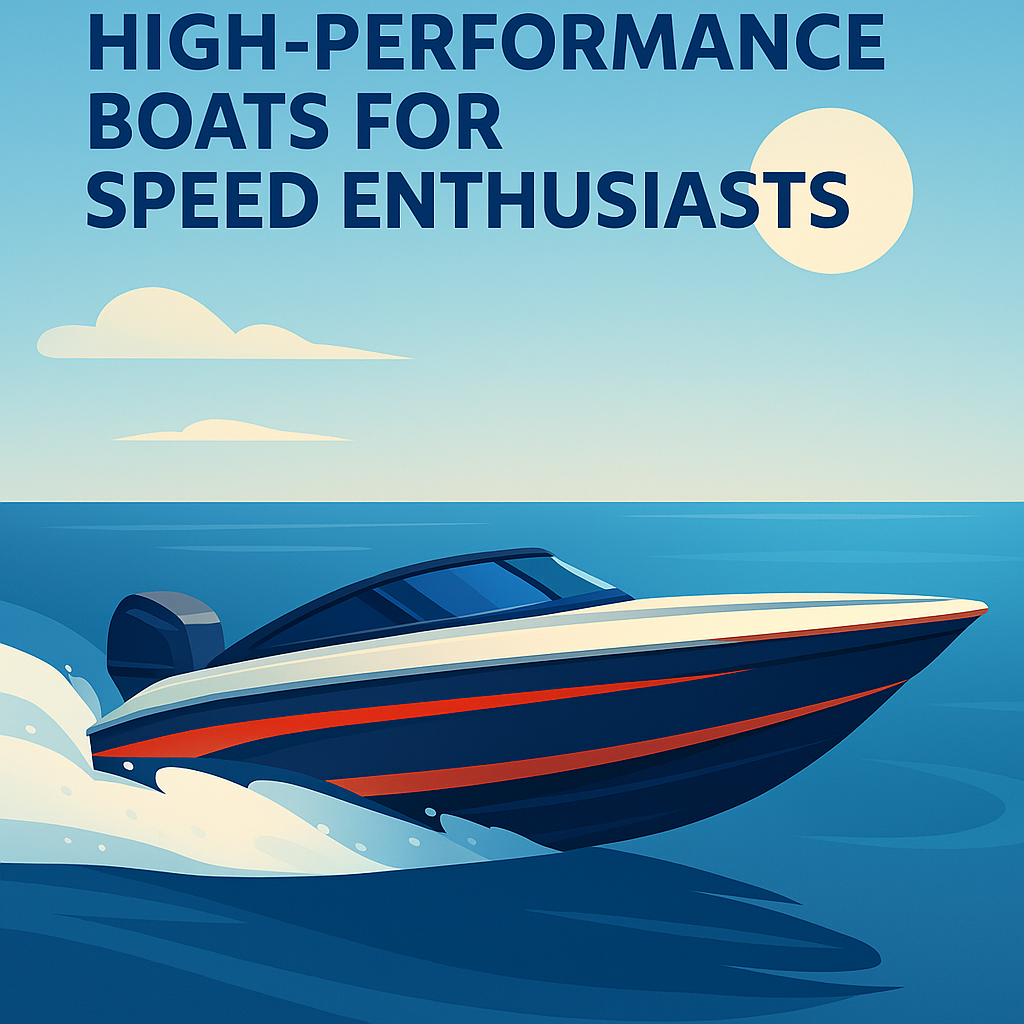
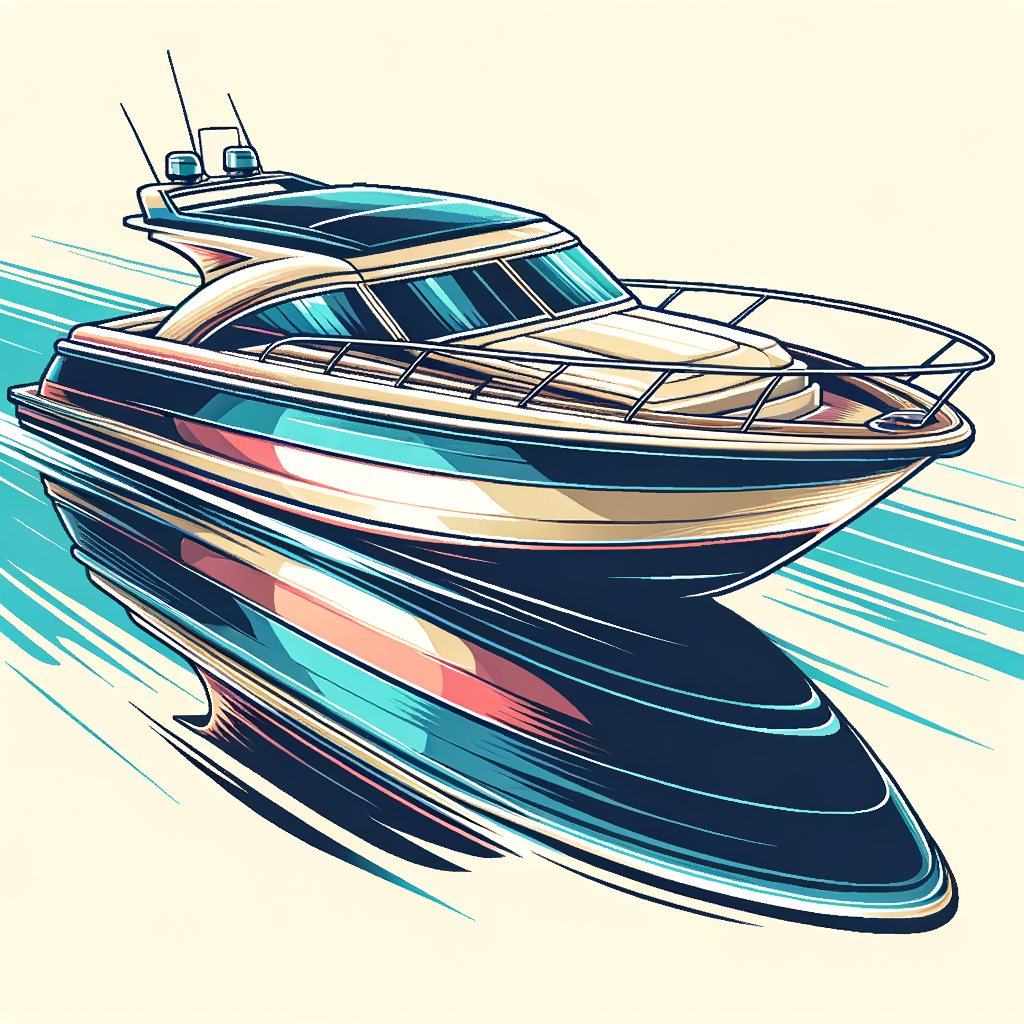
Embarking on a journey to select the perfect powerboat is an exciting adventure, filled with a multitude of choices and considerations. Powerboats come in many styles and sizes, each designed to meet specific needs and preferences, from sleek speedboats for adrenaline junkies to spacious cruisers for family outings on the lake. Choosing the right powerboat involves understanding your own needs, exploring various types of powerboats, evaluating critical factors such as size, engine power, and features, and ultimately finding a vessel that matches your lifestyle and boating ambitions. Whether you’re a seasoned sailor or a budding marine enthusiast, this guide is crafted to help you navigate the waters of powerboat selection with confidence and clarity.
The world of powerboats is vast, and it may initially feel overwhelming to those new to boating. However, by understanding the basics of what powerboats represent and the broad categories they are divided into, you’ll find that selecting the right boat isn’t as daunting as it may seem. Go beyond superficial appearances and delve into the core functions of powerboats, reflecting on aspects such as where you’ll be using the boat and what type of boating activities you are drawn to. Boating can be a lifelong passion, offering an unparalleled connection to nature and endless opportunities for adventure. Taking the time to choose wisely ensures not just a purchase but an investment in countless memorable experiences on the water.
Throughout this guide, we’ll break down the intricate process of selecting a powerboat into manageable sections, focusing on your specific circumstances, needs, and desires. We’ll explore the various types of powerboats available, analyze important considerations like budget and maintenance, and offer tips for testing and buying your dream boat. By the end of this discussion, you will possess a well-rounded understanding that empowers you to make an informed decision, setting the stage for countless adventures and joys on the open water. It’s time to set sail into the world of powerboats where waves of possibility await.
Understanding Different Types of Powerboats
When selecting a powerboat, it’s crucial to start by familiarizing yourself with the types available, as each serves specific purposes and excels under certain conditions. The classifications may seem convoluted at first glance, but they can be simplified by examining the main types and understanding what they offer to best serve your needs.
Firstly, consider the runabout boats, which are versatile crafts typically employed for day-tripping and short jaunts. They’re usually smaller in size, making them easier to handle, store, and maintain. Perfect for those who enjoy leisure cruising, runabouts can easily maneuver through calm waters and provide an enjoyable experience for small parties.
Next, consider bowriders, distinguishable by their V-shaped bows. They typically feature open seating areas at the front, making them ideal for social gatherings or family adventures. These boats are perfect for water sports enthusiasts who value comfort and performance in a single package. Bowriders offer a blend of speed and leisure, enabling you to enjoy an exhilarating ride or a relaxing day on the water.
For anglers, fishing boats are specifically designed with their unique needs in mind, equipped with amenities like rod holders, live bait wells, and expansive decks. Choosing a specialized fishing boat means prioritizing features that facilitate the joy of catching fish without distractions. Ski boats, on the other hand, are crafted for water sports; designed with speed and agility, they facilitate activities such as water-skiing and wakeboarding.
If long voyages or overnight stays intrigue you, cruising boats may be best suited for you. They range from small cuddy cabins fitted with basics like a berth and storage areas to expansive yachts complete with luxurious amenities. Cruising boats are designed for extended stays on the water, marrying comfort with capability for exploratory journeys.
Each type of powerboat comes with specific strengths, designed to cater to varied boating needs. Whether your focus is on speed, comfort, fishing, or leisure activities, familiarizing yourself with these main types is the foundational step in choosing the powerboat that will optimize your boating experience.
Key Considerations When Choosing a Powerboat
Understanding the types of powerboats is just one facet of the decision-making process. It’s equally important to consider several critical factors that can significantly influence your buying decision. Let’s explore these considerations to help you refine your choices and arrive at a decision that best aligns with your interests and circumstances.
The first important consideration is the intended use. Reflect on how you plan to use the boat. Are you seeking thrilling speed, water sports, comfortable fishing, or leisure weekends? The answers to these questions will significantly narrow down your options, ensuring you focus on boats equipped to meet those specific needs.
Evaluating size is also a crucial factor. Larger boats might offer more comfort and inclusivity for larger groups or longer trips, but they may pose challenges in terms of storage, transportation, and costs. Consider where you’ll operate the boat as well—whether it’s inland lakes, rivers, or coastal waters—since the environment can influence the optimal size and style of your boat.
When it comes to power source, you’ll need to decide between outboard, inboard, or sterndrive engines. Each has distinct pros and cons. Outboard motors are known for ease of maintenance and space-saving, while inboards offer stability, and sterndrives combine elements of both. Think about maintenance, repair accessibility, ease of handling, and initial costs when deciding on engine type.
Another aspect to ponder over is storage and towing. If you don’t have a permanent dock space, storing your boat on a trailer may be necessary. You’ll need a suitable vehicle to tow it if you plan on taking it to different places. Ensure that both storage and towing capabilities align with your lifestyle, offering you convenient access and mobility.
Finally, consider the budget. Factor in not just the purchase price but potential costs for maintenance, insurance, necessary safety equipment, and storage. Understanding the long-term financial commitment will help you make a sustainable choice.
In conclusion, analyzing the intended use, size, power source, and budget are essential steps in choosing a powerboat that harmonizes with your envisioned experiences on the water. Thorough assessment and consideration of these factors will steer your purchase in the right direction.
Assessing Quality and Features
As you approach the shortlist of potential powerboats, it’s time to delve into assessing the quality and features that enhance your boating experiences. This section expands on why it’s critical to recognize the subtle indicators of a high-quality powerboat and how to discern between essential and non-essential features.
An essential consideration is the build quality. Investigate the hull and deck materials, preferably seeking boats made with durable materials like fiberglass or high-quality aluminum. Consider the craftsmanship visible in the seams, fittings, and overall finish, which communicates how well a boat is constructed.
Pay attention to the seating and helm arrangements, ensuring they provide comfort and ergonomics suitable for long voyages. Test the ease of navigation, the accessibility of controls, and the view from the helm. These elements play a crucial role in handling and safety while operating the powerboat.
Equally important is the electrical system’s reliability. Consistent and fault-free electrical systems are vital, so examine the complete setup, including lighting, instrumentation, and any integrated navigation technology. Modern powerboats often come equipped with advanced navigation and fish-finding technology, which could be advantageous if it aligns with your boating practices.
Safety features should be thoroughly checked. Look for lifejackets, flotation devices, signal equipment, fire extinguishers, and first aid kits. A powerboat built by a reputable manufacturer will often have undergone rigorous testing to meet safety standards set by organizations such as the ISO or the US Coast Guard.
Consider advanced features such as entertainment systems, Bluetooth connectivity, sun pads, tow bars, and swim platforms. These features enhance comfort and leisure, but it’s important to weigh them against your essential needs, ensuring they don’t overshadow more necessary components.
In summary, assessing the build quality, seating arrangements, electrical systems, and additional features will ensure that your chosen powerboat delivers enduring satisfaction and reliability, optimally tailored to your boating needs.
Testing and Purchasing Your Powerboat
The final steps in your journey towards owning a powerboat involve testing and the actual purchase of the vessel. These are significant stages in ensuring that you select a powerboat that not only meets but exceeds your expectations every time you set sail.
Start by arranging a sea trial, which is a test drive of the boat on the water. This practice is not merely recommended; it’s essential. A sea trial allows you to ascertain the vessel’s handling and responsiveness, ensuring it navigates various water conditions comfortably. Pay attention to its ability to accelerate and decelerate smoothly, turn effectively, and maintain stability on rolling waves.
While on the sea trial, scrutinize all devices and systems to confirm they function correctly. Verify the engine’s performance, gauges, controls, and electronic systems. Anomalies or irregularities can indicate potential issues, so ask the seller or broker for a comprehensive review and resolution.
Negotiation is an integral part of purchasing a powerboat, and being equipped with insights from sea trials and peer comparisons will empower you with the necessary information to negotiate from a position of strength. Be ambitious yet realistic about pricing, ensuring you position your offer appropriately in light of your budget and the insights gathered through research.
Once a satisfactory agreement is reached regarding price and sale conditions, ensure all necessary paperwork concerning ownership, registration, warranties, and insurance is completed accurately. Documented selling conditions protect both you and the seller, establishing clarity and trust post-purchase.
Don’t forget the final aspect of creating an ongoing maintenance plan, embracing regular service checks and upkeep to ensure your powerboat remains efficient and reliable. Much like any significant investment, a disciplined approach towards maintenance will pay dividends in maximizing your enjoyment and utility over time.
To conclude, test-driving your choices, negotiating effectively, and finalizing the sale with confirmatory paperwork consolidates your journey, transitioning from a prudent and informed buyer to a proud and intrepid boat owner ready to navigate new horizons.
Conclusion
Choosing the right powerboat requires careful analysis, seeking to align your specific needs with the wealth of options available. By embarking on this indicative voyage through understanding types of boats, clarifying key needs, evaluating essential considerations, and pursuing methodical steps towards acquisition, you are set up to make an informed and confident decision.
Remember, your powerboat should reflect your lifestyle, fulfilling your requirements while enabling new maritime adventures. Whether you’re chasing the thrill of speed, seeking tranquility through fishing, or embracing leisurely cruising, there’s a powerboat designed to meet those aspirations.
As you venture into the buying process, ensure each aspect of consideration has been addressed, from pricing and features to practicalities such as towing and storage. Your patience and commitment in comprehensive evaluation will foster deeper satisfaction and enjoyment, gracefully launching you into years of cherished aquatic adventures.
By understanding the typical journey through powerboat selection, where determination mixes with discovery, you are now equipped to transform visions into reality and celebrate your place amid the boating community. May your powerboat choice fulfill not only your present wishes but equally, inspire a future of endless exploration and joyful maritime escapades.
Frequently Asked Questions
1. How do I determine the right type of powerboat for my needs?
Determining the right type of powerboat for your needs starts with identifying what you intend to use it for. Are you looking for leisurely cruises, thrilling speed adventures, or perhaps a combination of both? For leisurely family outings, a pontoon boat can offer plenty of space and comfort. If speed and agility are what you seek, a speedboat or go-fast boat might be more fitting. For those interested in fishing, a fishing boat equipped with necessary amenities and space for gear could be the ideal choice. Consider also the typical water conditions where you’ll be boating; different boats are suited for lakes, rivers, or open sea.
2. How important is the size of the powerboat?
The size of the powerboat is incredibly important and is determined by the number of passengers you plan to carry, the type of activities you’re interested in, and your boating experience. Larger boats can handle more passengers and often have more storage, amenities, and larger engines. However, they require more expertise to maneuver and maintain. Conversely, a smaller boat is easier to handle, store, and often more economical, but you may be limited in the number of people and amount of gear you can take with you. Consider where you will store the boat, whether you have a trailer, and the size of your dock.
3. What should I know about engine power when choosing a powerboat?
Engine power is a critical factor in choosing a powerboat as it affects speed, performance, and fuel consumption. If you’re planning on towing skiers or engaging in high-speed activities, a boat with a more powerful engine will be necessary to ensure you have the needed horsepower. Conversely, if you’re planning on relaxed cruises and don’t require speed, a boat with a smaller engine may suffice, offering better fuel efficiency and lower maintenance costs. Take into account the type of waterways you will navigate – rivers, lakes, or the ocean – because this will also impact the needed power.
4. How do additional features and amenities influence my powerboat choice?
Additional features and amenities can greatly enrich your boating experience, but they also add to the cost and maintenance of the boat. Consider what amenities are essentials and which ones are nice-to-haves. Features such as GPS and fish finders can be must-have tools for anglers, while sunbathing areas and onboard kitchens could be priorities for people who plan long leisure outings. Safety features, storage capacity, comfortable seating, and space for personal gear or diving equipment can also play a decisive role. Establishing what features are most important to you before you begin shopping around will help you make a sound decision without being swayed by luxurious extras that you may not need.
5. Is it better to buy a new or used powerboat?
The decision to buy a new or used powerboat depends on your budget, lifestyle, and preferences. New powerboats typically offer the latest technology, greater customization options, and warranties, which bring peace of mind regarding repairs or issues. They may, however, come at a higher price point. On the other hand, a used powerboat might be more budget-friendly and offer significant savings, but it’s crucial to ensure the used boat has been properly maintained and doesn’t have hidden issues. Look for signs of wear and tear, insist on a test run, and possibly obtain a marine surveyor to assess its condition. Consider your skills and enthusiasm for potential DIY repairs when factoring this decision.