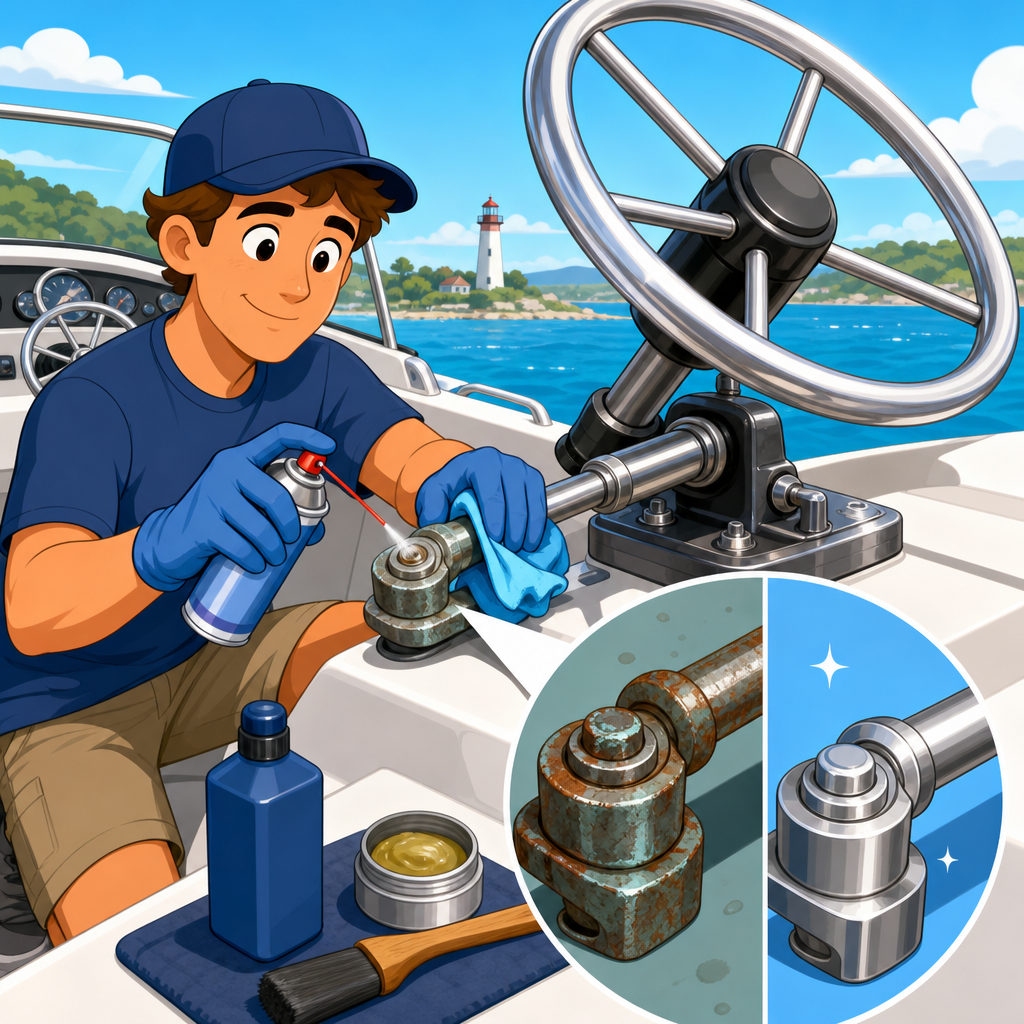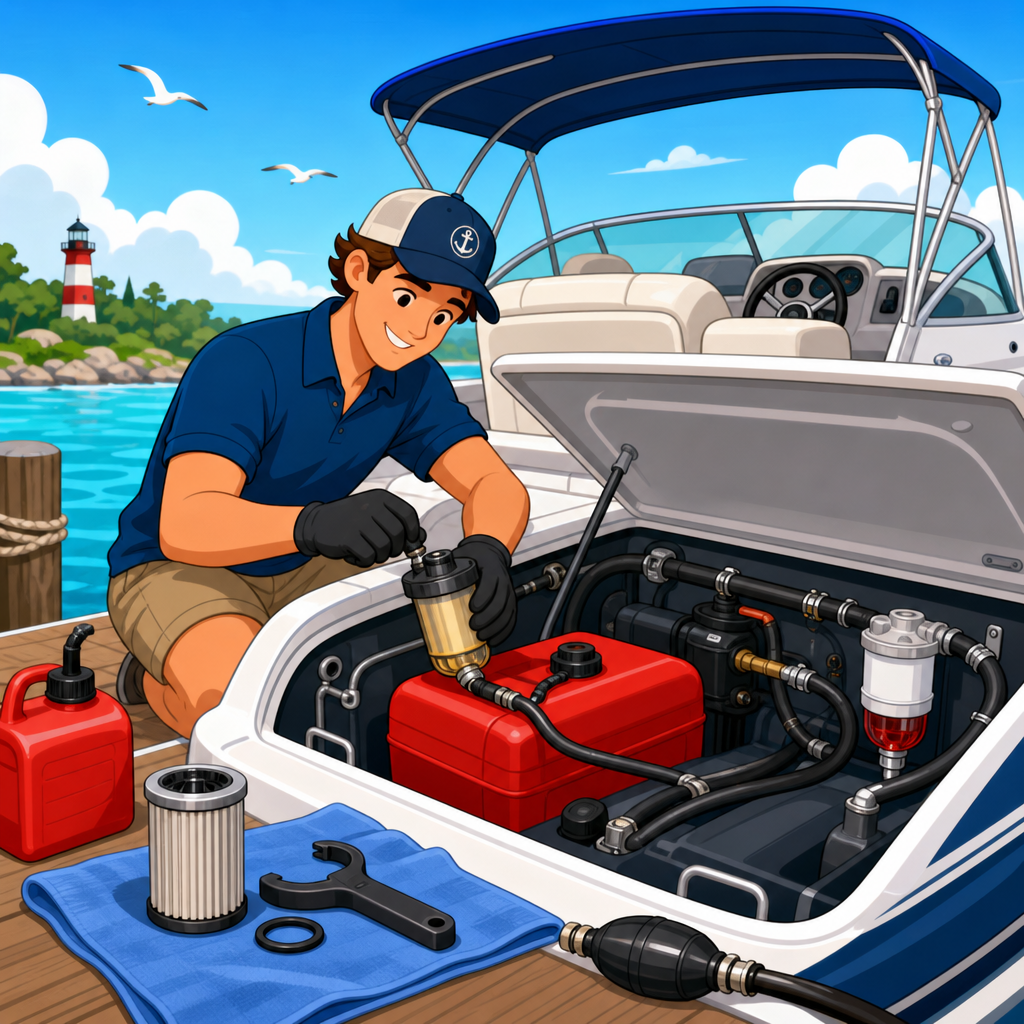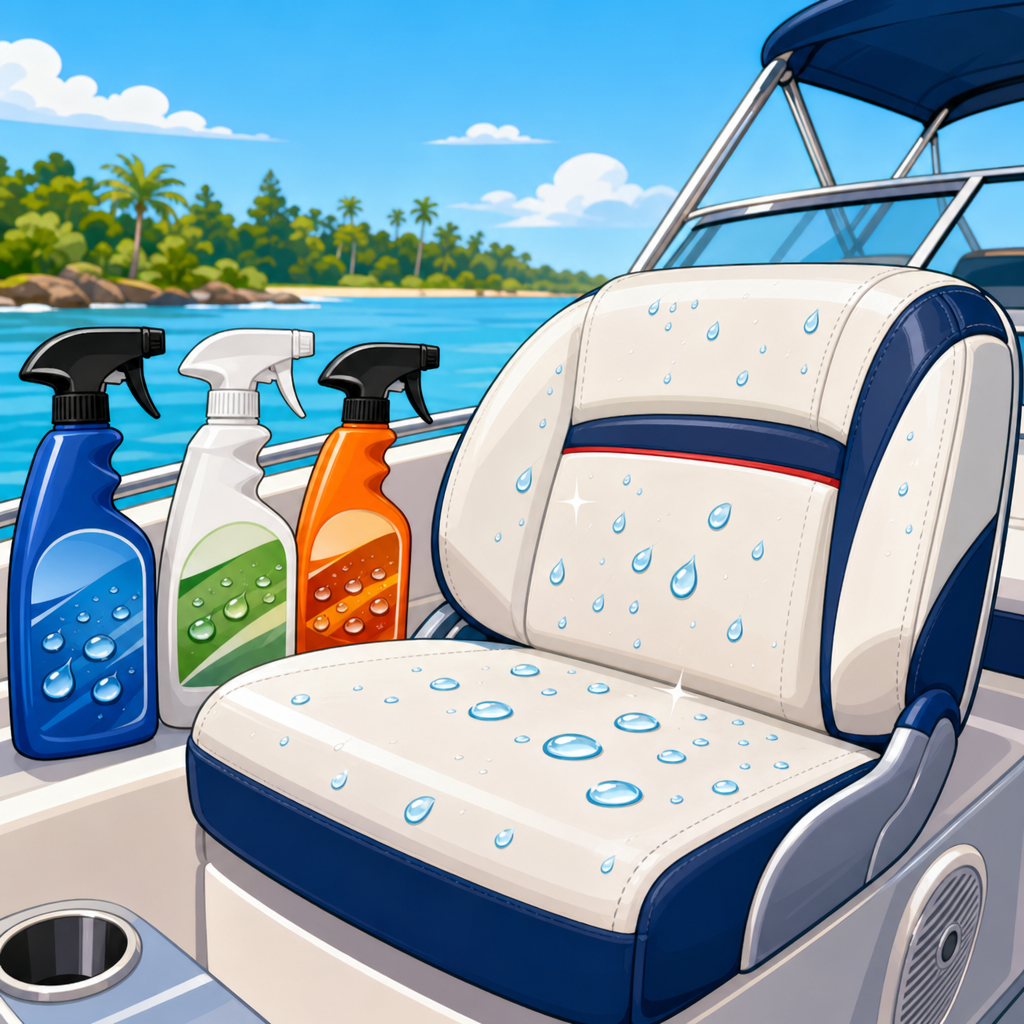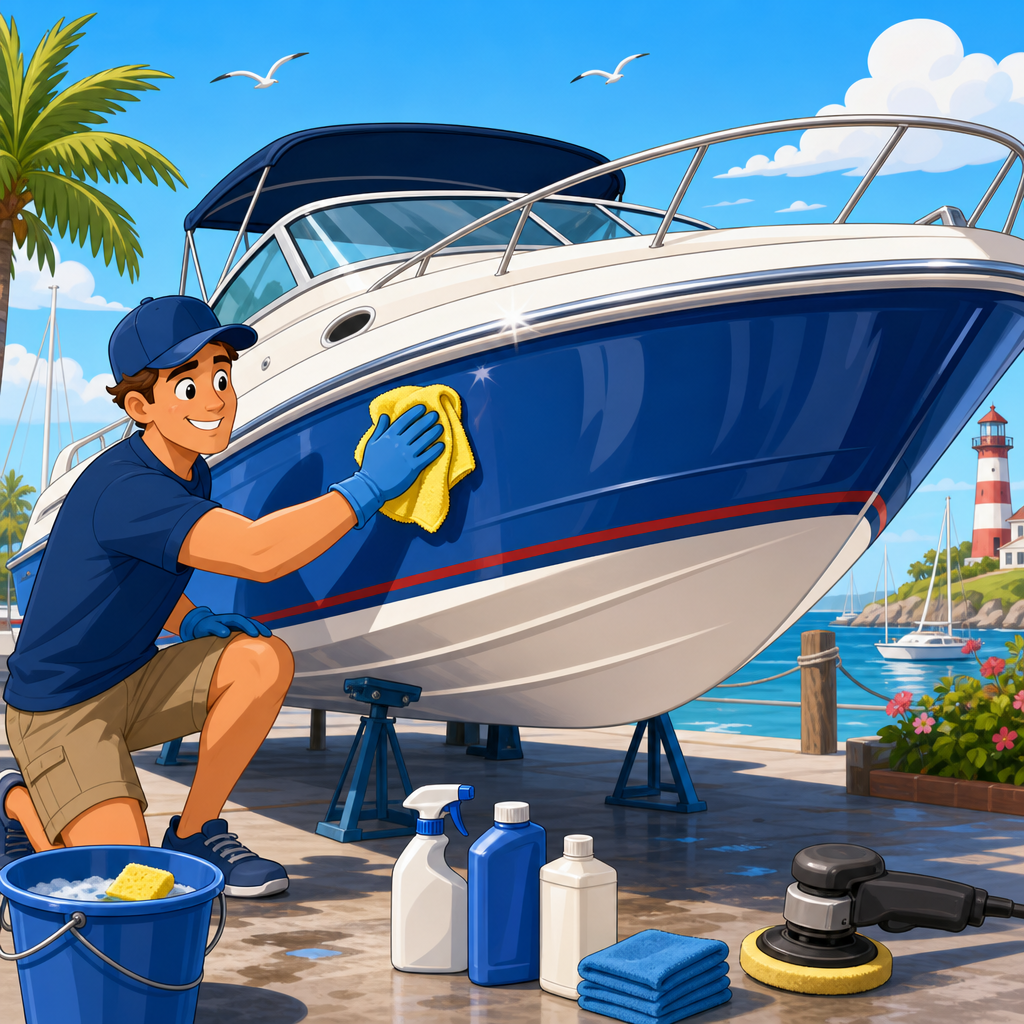
A durable marine finish does far more than keep a boat looking sharp. It protects gelcoat, aluminum, steel, or fiberglass from ultraviolet degradation, salt intrusion, abrasion, oxidation, and premature structural wear. When owners ask how to improve the longevity of your boat’s paint job, they usually mean two things at once: how to preserve color and gloss, and how to avoid expensive repainting. In practice, paint longevity depends on a chain of maintenance decisions, from surface preparation and washing routines to fender placement, wax selection, storage methods, and fast repairs after chips or dock rash. I have seen beautifully sprayed hulls fail within two seasons because basic maintenance was ignored, while older finishes lasted far beyond expectations because the owner followed a disciplined care schedule. For any boat maintenance and repairs plan, paint protection is not cosmetic trivia. It is a core preventative maintenance priority that preserves resale value, reduces long-term labor, and keeps underlying materials in serviceable condition.
Boat paint jobs vary widely, so the maintenance strategy must match the coating system. A topside polyurethane behaves differently from bottom paint. Single-part enamels, two-part linear polyurethane coatings, gelcoat restorations, and aluminum-specific systems each have different tolerance for aggressive cleaners, compounding, and sun exposure. Freshwater boats often fight mildew and tannin staining; saltwater boats deal with crystallized salt deposits, airborne chlorides, and intense reflected ultraviolet radiation. Climate matters too. In Florida, I worry about UV load and heat cycling. In northern storage yards, I worry about freeze-thaw stress, shrink wrap abrasion, and trapped moisture. Defining the problem correctly is the first step toward solving it. Paint longevity means maintaining adhesion, film thickness, gloss retention, and color stability over time. That requires preventative maintenance, not occasional cosmetic cleanup.
This hub article covers the full framework for extending marine paint life: choosing the right cleaning methods, preventing mechanical damage, managing oxidation before it accelerates, using protective products correctly, controlling environmental exposure, planning seasonal inspections, and knowing when to polish, touch up, or call a professional yard. It also serves as a practical gateway for a broader boat maintenance and repairs program because paint condition reflects the health of the entire vessel. A neglected finish often signals neglected caulking, poor storage, and deferred hardware maintenance. By contrast, a protected paint system usually means the owner is catching problems early. If you want a boat that holds its appearance and value, preventative maintenance and longevity tips for the paint job are not optional. They are the maintenance habits that stop small defects from becoming full refinishing projects.
Start With the Right Cleaning Routine
The fastest way to shorten the life of marine paint is improper washing. Dirt does not merely look bad; it traps salt, industrial fallout, bird waste, fish residue, and organic acids against the coating. Those contaminants slowly etch the surface and accelerate oxidation. The correct routine is simple but specific: rinse thoroughly with fresh water, wash from the top down using a pH-neutral boat soap, use separate mitts for painted topsides and dirty waterline areas, and dry with clean microfiber or synthetic chamois. I strongly avoid household detergents because they strip protective waxes and can leave surfactant residue. Popular marine soaps from Meguiar’s, Star brite, and Yachticon are designed to clean without aggressively attacking wax layers.
Frequency matters. In saltwater use, a fresh-water rinse after every outing is ideal, especially around the bow, transom, rails, and under overhangs where salt crystals accumulate. A full wash every two to four weeks during the season is a realistic baseline for most recreational boats. If the boat sits under trees, near marinas with heavy diesel soot, or in bird-prone slips, increase that cadence. Always use soft brushes flagged for painted surfaces. Stiff deck brushes that are acceptable on non-skid can create fine scratches on glossy topsides. Those micro-scratches reduce gloss and give oxidation a foothold. One detail many owners miss is water quality. If your yard has hard water, drying promptly prevents mineral spotting that later requires polishing to remove.
Protect the Surface From Sun, Salt, and Oxidation
Ultraviolet radiation is the main enemy of topside appearance. UV breaks down binders in the coating, leading to fading, chalking, and loss of gloss. Salt worsens the process by attracting moisture and increasing the time contaminants stay in contact with the paint. The best defense is layered protection: regular washing, periodic application of a marine wax or polymer sealant suitable for your paint type, and covered storage whenever possible. On cured two-part polyurethane, I favor non-abrasive protectants and high-quality sealants rather than frequent heavy waxing. On older oxidized finishes, a cleaner wax may help, but repeated use can become overly aggressive if the product relies on abrasives.
Oxidation should be addressed early. If you run your hand over the hull and pick up chalky residue, the surface is already degrading. At that stage, a light machine polish with the least aggressive compound necessary can restore gloss before damage deepens. The phrase “least aggressive first” is standard in professional detailing for good reason. Every compound removes material. You cannot compound indefinitely without thinning the protective film. I have corrected many neglected hulls where owners jumped straight to heavy-cut compounds, got short-term shine, and unknowingly reduced the life of the finish. Prevention is better: shade, covers that do not flap, and a consistent protective layer reduce the need for abrasive correction.
| Maintenance task | Recommended frequency | Main benefit for paint longevity |
|---|---|---|
| Fresh-water rinse | After each outing | Removes salt, grime, and reactive residue before they etch the surface |
| Full wash with marine soap | Every 2–4 weeks in season | Prevents buildup, staining, and micro-abrasive dirt accumulation |
| Wax or sealant application | Every 3–6 months | Adds UV and contamination resistance while preserving gloss |
| Paint inspection and touch-up | Monthly and after impacts | Stops chips, scratches, and corrosion from spreading |
| Light polish if needed | As condition requires, usually annually | Removes early oxidation without unnecessary film loss |
Prevent Mechanical Damage Before It Starts
Many paint failures begin as physical damage, not chemical breakdown. Dock rub, fender scuffing, anchor handling mistakes, trailering vibration, and careless cleaning tools all compromise the coating. The best preventative maintenance strategy is to reduce contact points. Use properly sized fenders positioned at the actual impact height for your dock, not just hung generally along the rail. Dirty fenders should be cleaned often because embedded grit turns them into sandpaper. Fender covers are useful on darker hulls and premium finishes because they reduce scuff transfer. On trailered boats, inspect bunk carpet, rollers, and tie-down contact areas. Worn bunk hardware or exposed staples can destroy a paint job in a single launch cycle.
Traffic patterns on board matter too. Painted cabin sides, coamings, and transoms often get damaged by gear, buckles, coolers, and metal zippers. Protective habits make a measurable difference: assign storage for gaffs and anchors, pad hard edges on removable equipment, and teach guests where not to lean dock carts or bicycles. Even washdown hoses can mark a finish if the brass nozzle swings against the hull. In yards, insist on good masking and staging practices during nearby work. Overspray from rust treatment, teak cleaners, or bottom-paint sanding residue can contaminate topside coatings. Longevity is often won through simple control of routine contact, not only through expensive products.
Use Polish, Wax, and Sealants Correctly
Owners often ask which product lasts longest, but the better question is which product matches the coating and condition. Polish corrects minor defects and restores clarity. Wax adds sacrificial protection and shine. Sealants, often synthetic polymers or ceramic-influenced formulations, generally last longer and offer stronger chemical resistance. For painted surfaces, especially Awlgrip and similar premium polyurethane systems, the coating manufacturer’s guidance should lead. Some finishes should not be aggressively waxed or compounded because doing so can alter appearance or reduce service life. Awlgrip, Alexseal, and Interlux all publish care recommendations, and following them is far more reliable than chasing generic detailing advice.
Application technique matters as much as product choice. Work on a cool surface, out of direct sun, and apply thin, even coats. Thick layers waste product and are harder to buff cleanly. Use dedicated pads and towels for paint only; cross-contamination from metal polish or compound residue creates haze and scratches. Machine polishing can save time and improve consistency, but pad selection is critical. A dual-action polisher is safer for most owners than a rotary buffer because it reduces the risk of swirl marks and heat damage. If the paint is already thin, checked, or poorly adhered, polishing may expose underlying problems rather than solve them. In those cases, preservation means gentle cleaning and planning for refinishing, not chasing impossible gloss.
Control Storage Conditions and Off-Season Exposure
Storage can extend or shorten the life of your boat’s paint job more dramatically than any detailing step. Indoor dry storage provides the best protection because it limits UV exposure, airborne contamination, and standing moisture. If indoor storage is not practical, use a fitted cover or professionally installed shrink wrap with adequate ventilation. Poorly supported covers that flap in wind can abrade paint at corners, windshield frames, and rail bases. Trapped condensation is another hidden issue. Moisture under covers encourages mildew, stains, and corrosion around fittings, which can creep into surrounding paint edges and cause lifting.
Off-season preparation should include a thorough wash, complete drying, inspection for chips or scratches, and protection of vulnerable high-wear areas. I recommend touching up exposed spots before storage rather than waiting until spring, especially on aluminum and steel, where exposed metal can begin corroding quickly. Remove or pad accessories that can vibrate against painted surfaces. If the boat is stored outdoors on a trailer, verify the bow eye, winch post, transom straps, and guide poles are not rubbing during winter wind events. Snow loads and loose tarps can shift surprisingly far over several months. Good storage is preventative maintenance in its most cost-effective form because the boat is sitting still; every risk is controllable if identified ahead of time.
Inspect Regularly and Repair Small Defects Fast
Paint longevity improves when inspections are routine rather than reactive. A monthly walkaround during the season is enough to catch most early issues: edge lifting around hardware, hairline scratches at boarding points, bubbling near fasteners, yellowing under exhaust outlets, and chalking on sun-facing sections. Look especially at stress zones such as chine lines, hatch corners, around cleats, and under rub rails. These are the places where movement, impact, and trapped moisture commonly start damage. Use bright side lighting or a handheld inspection light because gloss can hide defects in flat midday sun.
Fast repairs matter because small breaches let moisture and contaminants reach the substrate. On metal boats, that can initiate underfilm corrosion. On fiberglass, chips can expose filler, primer, or laminate and lead to staining or adhesion loss. Touch-up should be done with compatible primers and topcoats, following cure windows and surface prep requirements exactly. For tiny nicks, color-matched repair kits can prevent spread. For larger scratches that penetrate multiple layers, sanding, feathering, priming, and recoating are usually necessary. If a defect recurs in the same area, treat it as a systems problem, not a cosmetic problem. Repeated cracking around hardware often indicates movement, failed bedding, or substrate instability that no touch-up paint will permanently solve.
Build a Preventative Maintenance Schedule That Supports the Whole Boat
The most effective way to improve the longevity of your boat’s paint job is to stop treating paint care as an isolated chore. Paint protection works best inside a broader boat maintenance and repairs schedule. Washing should line up with salt removal from hardware and canvas. Seasonal inspections should include caulking, deck drains, rub rails, and fastener bedding because water intrusion near fittings often damages adjacent paint first. Bilge humidity control, cover fit, and mildew prevention all support finish life indirectly. In my experience, boats with the longest-lasting paint are not the ones polished most often. They are the ones managed systematically, with written checklists and prompt correction of small problems.
A simple annual plan is enough for most owners: rinse after every use, wash regularly, inspect monthly, protect the surface every few months, correct oxidation lightly when needed, and review storage setup before the off-season. Keep a maintenance log with product names and dates so you can see what actually works in your climate and mooring conditions. That record is useful for resale because it proves consistent care. Ultimately, preventative maintenance and longevity tips are about preserving the entire vessel through disciplined habits. Start with your next wash, inspect more closely than usual, and create a paint-care schedule you can realistically keep. Consistency, not intensity, is what makes a boat’s finish last.
Frequently Asked Questions
What is the most important step for improving the longevity of a boat’s paint job?
The single most important step is proper surface preparation. Even the highest-quality marine paint will fail early if it is applied over contamination, oxidation, chalking, loose coatings, moisture, salt residue, wax, or poorly sanded surfaces. A long-lasting finish starts with thoroughly washing the boat, removing salt and environmental buildup, degreasing problem areas, repairing chips or damage, and sanding the substrate so the primer and topcoat can bond correctly. On fiberglass and gelcoat, that often means eliminating oxidation and dull surface layers. On aluminum or steel, it may involve removing corrosion completely and applying the correct marine-grade primer system designed for that specific metal.
Surface preparation matters because marine paint does more than add color. It acts as a protective barrier against ultraviolet exposure, abrasion, water intrusion, and oxidation. If that barrier is weak at the bond line, the paint may blister, peel, fade prematurely, or allow the underlying material to deteriorate. Owners who want to avoid expensive repainting should think of prep work as the foundation of the entire coating system. A carefully prepared surface, paired with compatible primers and topcoats, consistently delivers better gloss retention, stronger adhesion, and a far longer service life than a rushed cosmetic repaint.
How often should I wash and maintain my boat to help preserve the paint?
Regular cleaning is one of the simplest and most effective ways to extend paint life. As a general rule, a boat should be rinsed with fresh water after every outing, especially in saltwater environments. Salt crystals, airborne pollutants, fish residue, fuel splashes, bird droppings, and dock grime can all sit on painted surfaces and slowly break down the finish if they are not removed. A gentle rinse followed by periodic washing with a pH-balanced marine soap helps prevent corrosive buildup and keeps contaminants from embedding in the coating.
Beyond routine washing, a more thorough maintenance schedule is important. Many owners benefit from a monthly inspection of the painted surfaces to look for early signs of chalking, staining, scratches, edge lifting, impact damage, or dullness. Catching problems early can prevent small defects from turning into widespread coating failure. In high-UV, high-salt, or year-round boating conditions, protective waxes or paint-safe sealants may need to be reapplied more frequently. The key is consistency. Paint usually does not fail all at once; it deteriorates gradually as neglect allows sunlight, salt, moisture, and abrasion to compound over time.
Does sun exposure really make that much difference in how long marine paint lasts?
Yes, sun exposure has a major impact on marine paint longevity. Ultraviolet radiation is one of the leading causes of fading, loss of gloss, chalking, and surface breakdown on boats. Over time, strong sunlight degrades the binders and pigments in paint, especially on dark colors and boats kept in open slips or outdoor storage without cover. Once the finish starts to oxidize, it becomes more porous and vulnerable to additional damage from salt, moisture, and abrasion. That is why boats in intense sun and heat often show cosmetic aging much faster than similar boats stored under cover.
Reducing UV exposure can dramatically slow that process. Covered storage, high-quality fitted covers, shaded lifts, and regular application of marine-safe protective products all help preserve the finish. If a cover is used, it should fit properly and allow ventilation so trapped moisture does not create a different set of problems. In practical terms, owners who protect their boats from constant direct sunlight usually see longer color retention and fewer repainting needs. Sun damage is cumulative, so every step taken to reduce exposure helps preserve both appearance and the underlying protective function of the coating.
What kinds of products and habits can accidentally shorten the life of a boat’s paint job?
Several common mistakes can reduce the lifespan of marine paint even when the finish initially looks good. Harsh household cleaners, abrasive scrub pads, strong solvents, and pressure washing at the wrong angle or intensity can all damage the coating surface. Using products not intended for marine finishes may strip protective waxes, dull the gloss, or weaken the paint film over time. Another common issue is allowing salt, fuel, sunscreen, bird droppings, or organic stains to remain on the surface too long. These contaminants can stain or chemically affect the finish if not cleaned promptly.
Mechanical wear is another overlooked factor. Fenders that rub constantly, dirty cover straps, sand on shoes, dock contact, neglected hardware leaks, and rough cleaning techniques can all create scratches and weak points that eventually lead to coating failure. It also hurts paint longevity when small chips or cracks are ignored, because exposed areas can allow moisture and corrosion to spread underneath the surrounding finish. Good habits matter just as much as good products. Gentle washing, prompt spot cleaning, careful docking, proper storage, and fast repair of minor damage all help prevent avoidable wear that shortens the life of an otherwise sound paint system.
When should I touch up damaged paint instead of waiting for a full repaint?
Minor damage should usually be addressed as soon as it is noticed. Small chips, scratches, abrasions, and localized peeling may seem cosmetic at first, but they often expose the underlying substrate to moisture, salt, oxygen, and ultraviolet light. On metal boats, that can accelerate corrosion. On fiberglass and gelcoat-based structures, it can allow deeper surface degradation and make later repair more involved. Early touch-ups help preserve the integrity of the surrounding coating and keep isolated issues from spreading beneath the paint film.
That said, touch-up work is most effective when the existing paint system is still fundamentally sound. If the finish is broadly chalking, peeling in multiple areas, blistering, or failing because of poor prior preparation, a series of spot repairs may only delay a more comprehensive refinishing job. The best approach is to inspect the extent of the damage, identify the cause, and use compatible materials for the repair. A properly matched and correctly applied touch-up can add meaningful life to a paint job, while delayed maintenance often increases both repair costs and the likelihood of needing a complete repaint sooner than expected.