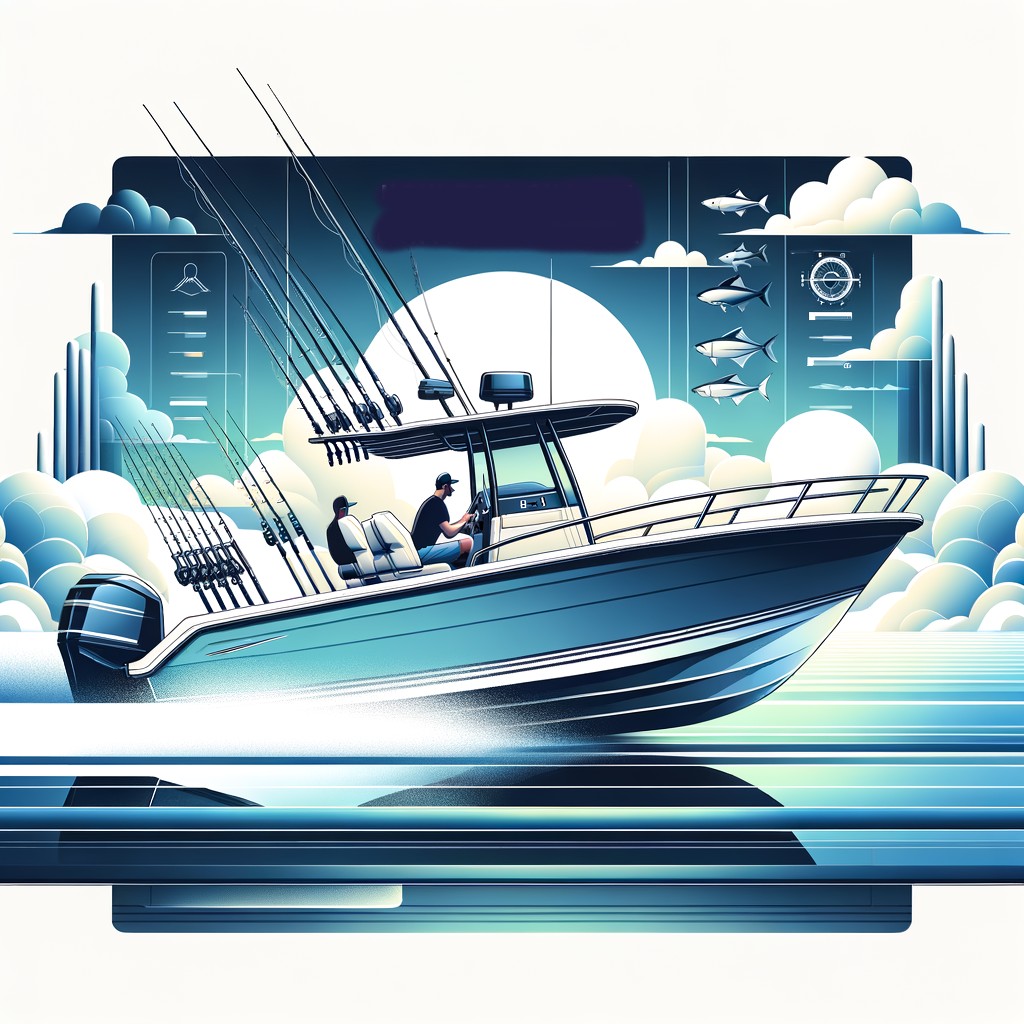
In recent years, the fishing industry has witnessed an innovative shift towards more environmentally-friendly practices. Among the latest advancements are electric and solar-powered fishing boats, which promise to bring sustainability to the forefront of recreational and commercial fishing. These boats offer numerous advantages over traditional gas-powered vessels, including reduced emissions, lower operational costs, and quieter operation—ideal for minimizing disturbances to aquatic life. As more anglers and commercial fishermen prioritize eco-friendly options, electric and solar-powered boats are gaining popularity as smart investments. In this article, we explore the best electric and solar-powered fishing boats available today, emphasizing their distinctive features, benefits, and how they cater to different fishing needs. This comprehensive guide aims to assist you in making an informed decision when exploring these green alternatives, whether for leisure fishing trips or commercial ventures.
Benefits of Electric and Solar-Powered Fishing Boats
Electric and solar-powered fishing boats present a range of benefits. First and foremost, these boats significantly reduce carbon footprints by eliminating diesel and gasoline emissions. This reduction in emissions not only contributes to cleaner air but also helps preserve natural ecosystems, which is critical to maintaining healthy fish populations.
Cost efficiency is another compelling advantage. Although the upfront cost of electric and solar-powered boats may be higher than traditional options, the long-term savings on fuel and maintenance often justify this investment. Electric motors require less maintenance than combustion engines, which translates to fewer repairs and lower ongoing costs.
Noise reduction is also an essential benefit, particularly for anglers focused on stealth. Electric boats operate quietly, minimizing disturbances that could scare fish away. Additionally, solar-powered boats have the unique ability to harness renewable energy, making them even more sustainable and suitable for extended trips without access to land-based power sources.
Top Electric Fishing Boats
ePropulsion Spirit 1.0 Plus
The ePropulsion Spirit 1.0 Plus is a portable, versatile electric outboard motor that can fit a variety of small fishing boats. It features a high-efficiency propeller and a powerful 1 kW motor, providing substantial thrust suitable for lakes and rivers. Its integrated lithium-ion battery offers up to 75 minutes of runtime at full speed and can be easily recharged via solar panels, making it a convenient choice for eco-conscious anglers. The lightweight design ensures easy transportation and installation, and it’s suitable for quiet, small-scale fishing trips.
Torqeedo Travel 1103 C
The Torqeedo Travel 1103 C is renowned for its state-of-the-art electric propulsion system and durability. It comes equipped with a 915 Wh rechargeable lithium-ion battery, offering unrivaled energy efficiency and up to 10 hours of operation at slower speeds. Ideal for both saltwater and freshwater, this model excels in longevity and reliability. Its robust design allows it to endure adverse conditions, while the integrated GPS and onboard display offer valuable information such as battery duration and remaining range. Its portability and quick setup make it a favored choice among environmentally conscious anglers eager to explore diverse fishing grounds.
Solar-Powered Fishing Boats
Solar Sal 24
The Solar Sal 24 is an innovative vessel designed for sustainable fishing and leisurely cruising. Built with a focus on eco-friendly technology, it features solar panels that take full advantage of the sun’s energy, charging the boat’s electric motor. Perfect for extended excursions, the Solar Sal 24 has a reach exceeding 50 miles on sunny days without requiring recharges from shore. It employs a streamlined hull to maximize energy efficiency, along with wide decks for ample space during trips. The clear conscience in sailing and fishing with zero emissions see it gaining popularity amongst long-route navigators and fishing enthusiasts dedicated to reducing their environmental footprint.
SoelCat 12
The SoelCat 12 embodies the pinnacle of renewable energy boating. This fully solar-powered catamaran provides unlimited range in sunlight, making it ideal for longer journeys. Featuring a spacious deck with plenty of room for anglers and their gear, it’s fitted with advanced PV solar panels and efficient electric motors designed to maximize performance and sustainability. The SoelCat 12 maintains a harmonious relationship with marine ecosystems, offering a virtually silent ride that does not disturb fish habitats. In addition to its utility for fishing, it’s often sought after for eco-tourism ventures, which adds versatility to its impressive list of attributes.
Comparing Electric and Solar-Powered Boats
When assessing electric and solar-powered fishing boats, several factors merit consideration. One of the primary trade-offs involves balancing initial costs against long-term savings. Electric boats can be more cost-effective due to their streamlined power systems and reduced maintenance needs. Meanwhile, solar-powered boats offer limitless range under adequate sunlight, appealing for journeys where recharging facilities are limited. Additionally, performance capabilities vary depending on the waterbody and specific fishing needs. Anglers concerned with noise levels may favor electric models for their quiet operation, while those planning extended voyages may lean towards solar options for their sustainable independence.
The versatility of both vessel types allows them to suit different fishing environments. For compact freshwater scenes, portable models like the ePropulsion Spirit 1.0 Plus may provide all the capability necessary for an enjoyable outing. Larger operations requiring more equipment and longer durations may find the SoelCat 12 or Solar Sal 24 better suited. Both boat types embody forward-thinking designs, utilizing technology to marry performance with well-aired sustainability goals.
Key Considerations Before Purchase
Before purchasing an electric or solar-powered fishing boat, it’s crucial to understand your specific needs. Evaluate factors like the typical distance you plan to travel, average fishing conditions, and your preference for cruising or anchoring. Additionally, consider the accessibility to charging infrastructure or reliance on sunlight, which could dictate your choice between full electric or solar-powered options. The boat’s size and fish carrying capacity must align with the nature of your fishing endeavors.
Budgetary constraints play a substantial role in guiding choices. While some models offer advanced features like GPS systems or enhanced battery systems, they may come with a higher price tag. Evaluating the balance between your demand for technological additions and the necessary core features will help maximize the value received from your purchase.
Environmental Impact
Understanding the environmental impact of fishing boats is crucial for leveraging truly sustainable practices. Traditional combustion engines add pollutants to the water and atmosphere, disrupting both above and below the waterline. Electric and solar-powered boats embrace alternative clean energy solutions that largely negate these detrimental effects. Operating with reduced carbon emissions and noise pollution enhances friendliness to aquatic environments, promoting longevity of marine life.
Clean energy boats amplify opportunities to engage in fishing without compromising environmental ethics. Their widespread adoption fosters a healthier aquatic ecosystem, boosting native fish populations and ensuring ongoing prosperous fishing habitats. This approach directly aligns with increasing global movements towards environmentally-responsible practices across watercraft industries.
Conclusion
Adopting electric and solar-powered fishing boats represents a vital step towards sustainable fishing practices that resonate with ecological conscientiousness while offering functional reliability. As these environmentally-friendly vessels become more prevalent in the fishing industry, they offer an advantageous option for both leisure and commercial contexts. By reducing carbon emissions and supporting peaceful, undisturbed fishing experiences, these boats not only advocate for environmental health but also enhance the angling experience itself. Given their innovative designs and performance strengths, electric and solar-powered fishing boats are bound to play pivotal roles in shaping a more sustainable future.
When considering a transition to these green alternatives, take into account your unique fishing needs, typical environmental conditions, and the level of eco-consciousness you wish to exert. By embracing technological advances that prioritize clean energy and minimal ecological disturbance, you contribute to fostering a culture that values both recreational enjoyment and environmental stewardship. The investment in such forward-thinking vessel technology is certain to yield returns in the form of enhanced fishing opportunities and the preservation of the natural world, inviting one and all to explore the underwater realm with respect and reverence.
Frequently Asked Questions
1. What are the main benefits of using electric and solar-powered fishing boats?
Electric and solar-powered fishing boats come with a host of benefits that make them an attractive option for eco-conscious anglers. First and foremost, these boats produce no emissions, which is a huge plus for the environment compared to traditional gasoline-powered vessels. This means cleaner air and water, contributing to the overall health of the ecosystem. Another significant advantage is the low operational cost. With electric and solar-powered boats, you save a considerable amount on fuel expenses, which can add up over time if you’re an avid fisherman or operate a commercial fleet. They’re also known for their quieter operation. Traditional boats can disturb marine life with their loud engines, but electric motors run whisper-quiet, making them less intrusive and more enjoyable for those who value the serenity of nature. Additionally, some solar-powered boats can recharge on the go, harnessing sunlight to replenish their batteries—a clear advantage during longer fishing trips.
2. How do electric and solar-powered boats perform compared to traditional gas-powered boats?
The performance of electric and solar-powered boats can vary depending on the specific model and technology used, but generally, they are making impressive strides in efficiency and reliability. In terms of speed and power, electric motors have rapidly improved, and they now offer comparable speeds to many gas-powered boats, especially for smaller vessels and recreational fishing. While historically they might have lagged behind in terms of range, advancements in battery technology have allowed electric boats to increase their travel distance per charge significantly. Solar panels can extend this range if they’re used efficiently, although they’re more effective in sunny conditions. It’s important to note that while they excel in quiet and straightforward operation with practically no idle time needed, users might need to plan their trips more carefully around charging requirements. Nevertheless, electric and solar boats offer a smooth, nimble ride and are generally easier to maintain with fewer mechanical parts prone to wear and tear.
3. Are there any limitations or challenges associated with using electric and solar-powered fishing boats?
While electric and solar-powered fishing boats are increasingly popular, they come with a few limitations that potential buyers should be aware of. The most common concern is range—electric boats are currently limited by battery life, and while technology is improving, they can still fall short for very long trips compared to traditional boats with large fuel tanks. This means a fisherman needs to carefully plan outings around battery capacity. For solar-powered models, another challenge is the reliance on sunlight. In overcast or cloudy conditions, solar panels may not be as effective, reducing their charging capability. Storage solutions for these boats can be another consideration—since they don’t rely on fossil fuels, garages or storage facilities should offer charging solutions which may be an added cost upfront. Despite these challenges, enthusiasts and manufacturers are optimistic. Technology moves forward with each passing year, addressing many of these issues with innovation and improved designs.
4. How eco-friendly are these types of boats in reality?
Electric and solar-powered fishing boats are sustainable champions in the realm of eco-friendly marine technologies. By transitioning to electric and solar power, these vessels eliminate the emissions associated with gasoline engines that contribute to air and water pollution, significantly reducing their environmental footprint. They harness clean energy sources, either from electricity—potentially from renewable sources if your power grid supports it—or directly from solar panels, making them pillars of sustainable fishing practices. Furthermore, their quiet operation minimizes noise pollution, which can disturb marine wildlife, allowing for a more harmonious interaction with nature. Additionally, as they do not require oil and fuel changess for maintenance, they reduce the risk of spillage and pollution that often accompany internal combustion engines. It’s important to note that the production of batteries and solar panels does have environmental costs; however, their use phase significantly alleviates environmental pressure compared to their traditional counterparts.
5. What is the cost difference between electric/solar and traditional fishing boats?
The cost difference between electric/solar and traditional fishing boats can vary significantly based on several factors, including the size of the boat, the technology used, and the specific brand and model. Initially, electric and solar-powered boats may have a higher upfront cost due to the advanced technology and materials involved, such as lithium-ion batteries and solar panels. However, they are generally cheaper to operate over the long term because they do not require gasoline, which constitutes a sizeable and unpredictable cost in traditional boats. Maintenance costs are also lower with electric motors, which have fewer moving parts and, thus, lesser chances of mechanical failure. Over time, these savings can offset the higher purchase price. Additionally, as the technology becomes more widespread and production scales up, the price gap is expected to narrow, making electric and solar-powered options more financially accessible to a broader range of consumers.