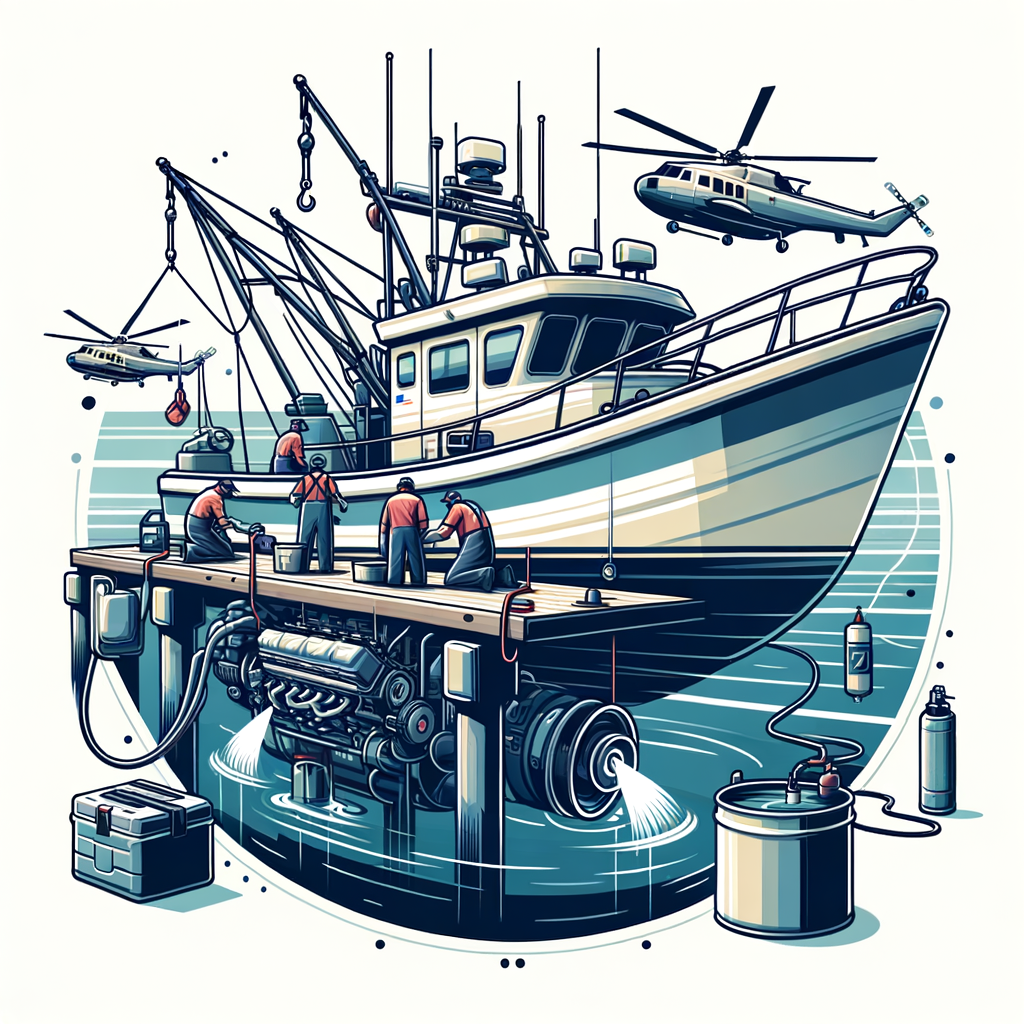
Introduction: Understanding the Importance of Boat Maintenance
Maintaining your fishing boat in top condition is paramount to a safe and enjoyable maritime adventure. The vast and unpredictable nature of aquatic environments demands that vessels remain in peak form. Whether you’re a seasoned angler or a weekend enthusiast, understanding how to care for your boat is crucial. This involves a mix of routine checks, cleaning, repairs, and environmental compliance. Regular maintenance not only extends the lifespan of the boat but also ensures the safety of everyone on board. As a boat owner, identifying potential issues before they become serious problems is essential. The process involves inspections, part replacements, and paying attention to the smallest details. A well-maintained boat is akin to a reliable partner on the water. It enhances performance and efficiency, providing peace of mind during your fishing escapades. This comprehensive guide will delve into various aspects of maintaining your fishing boat, offering practical tips and techniques to ensure your vessel remains in immaculate condition.
For many, owning a fishing boat is not just about the functionality it provides but also about the pride and joy associated with its care. Regular maintenance brings about a sense of accomplishment and ownership that resonates well beyond the joy of fishing itself. The clarity of the engine roar, the gleaming hull, and the smooth operation of every component are all results of diligent maintenance practices. Moreover, proper upkeep can significantly improve the resale value of your boat should you decide to upgrade or sell. Understanding your boat’s specific maintenance needs can often seem daunting, but armed with the right knowledge, it becomes an achievable task.
Let’s embark on a detailed journey through essential maintenance tasks, learning how best to keep your fishing boat in top condition. From tackling basic cleaning to diving into complex engine repairs, each step plays a critical role. By the end of this guide, you’ll have the insights needed to maintain your boat effectively, ensuring it’s always ready for the next trip out to sea.
Essential Maintenance Practices
Routine Cleaning and Inspection
Keeping your fishing boat clean is a fundamental aspect of its maintenance. Regular cleaning helps to prevent the buildup of grime, algae, and salt, which can corrode surfaces and damage paint over time. Using appropriate cleaning solutions that won’t harm the boat’s surfaces or the environment is crucial.
- Hull Cleaning: Start with the hull, as it often collects marine growth. Utilize a long-handled brush and a biodegradable soap to scrub the surface thoroughly. Pay attention to waterline stains, which are best removed with specialized cleaning agents. After cleaning, a freshwater rinse helps remove any remaining soap and salt residues.
- Regular Inspection: Inspection is just as important. Before and after every trip, examine the hull for cracks or blistering, which might indicate structural issues. Small problems can quickly turn into significant repairs if unnoticed. Look over all accessible components, including handrails, ladders, and seats, for signs of damage or rust. Don’t forget the deck, which requires regular checks for loose boards or fittings. Ensure all safety equipment, such as life jackets and flares, are in good condition and easily accessible.
Engine and Mechanical Maintenance
Your boat’s engine is its heart, requiring meticulous care to function optimally.
- Oil Checks and Changes: Begin by checking the oil levels regularly, as these need to be at the right level to lubricate the engine effectively. Change the oil at least once a season, or according to the manufacturer’s guidelines. Use high-quality marine oil and the specified oil filter.
- Propeller Inspection: Inspect the propeller for dents or obstructions, as these can affect the engine’s performance and fuel efficiency. Clear any accumulated debris and ensure the blades are free from damage.
- Fuel System Care: Fuel system maintenance is necessary to prevent engine trouble. Regularly inspect the fuel lines for cracks or leaks. Replace any damaged lines immediately. As fuel ages, it can lead to system blockages. Therefore, stabilizing the fuel before storing the boat is an effective preventive measure.
- Cooling System Maintenance: Regularly flushing the cooling system helps prevent corrosion and buildup that can damage the engine. Check the coolant levels and refill as necessary, and make sure the water intake is clear of blockages.
- Belts and Hoses: Regularly inspect belts and hoses for wear and replace them when necessary.
- Maintenance Log: It’s also advisable to keep a log of all maintenance activities. This not only helps track scheduled services but is beneficial for warranty claims and resale purposes.
Electrical Systems and Battery Care
The electrical system of your boat powers everything from the lights to navigational devices, making it crucial for both functionality and safety.
- Wiring Inspection: Periodically inspect the wiring for any signs of wear, corrosion, or damage. Check all connections to ensure they are secure and free from rust.
- Battery Maintenance: Batteries require regular attention as well. Proper maintenance begins with checking the battery charge using a tester. If the battery is not holding a charge as it should, it may need replacing. Clean the battery terminals regularly and coat them with a protective spray to prevent corrosion. Secure the battery in its compartment to prevent it from moving about, which could cause damage.
- Component Check: Review all lighting and electrical components, ensuring they function correctly. Replace bulbs and any faulty switches as needed.
- Off-Season Storage: For boats stored during the off-season, consider removing the batteries and storing them in a cool, dry place, maintaining their charge intermittently.
Hull and Propeller Maintenance
The hull and propeller are integral to the boat’s operation. Maintaining them ensures improved performance and prolongs the boat’s life.
- Hull Repair: Boat hulls can develop scratches and minor damages over time due to contact with rocks or debris. Regularly examine the hull for any signs of wear and repair any damage immediately to prevent it from exacerbating. Use marine-grade fillers for small scratches and have significant damages addressed by a professional.
- Propeller Care: For the propeller, the importance of a routine check cannot be overstated. With the boat turned off and out of the water, visually inspect the propeller for any deformations or loose blades. Occasionally removing the propeller for a more thorough inspection can reveal hidden damage or fouling that might impede performance. Apply waterproof grease to the propeller shaft to reduce friction and prevent corrosion, ensuring it remains in excellent working order.
Interior and Upholstery Care
The interior of your boat, including upholstery, requires careful attention to maintain its comfort and aesthetic appeal.
- Cleaning: Start by vacuuming all carpeted areas to remove dirt and debris. Stains should be treated with marine-approved stain removers. For upholstery, cleaning involves using mild soap with a soft brush. Rinse thoroughly and allow the area to dry completely to prevent mold formation. Consider using a mildew inhibitor to protect the fabric.
- Upholstery Repair: Seats and cushions should be checked regularly for tears or weak seams and repaired promptly.
- Wood Finishes: Also, maintain wood finishes by applying appropriate sealants and oils that preserve their shine and prevent rot. Regular varnishing will protect wood from moisture and sun damage.
- Leak Prevention: Continuous vigilance over leaks around windows and hatches is essential, as water can seep in and lead to rot or mildew. Lubricate hinges and latches to prevent rust and ensure smooth operation for all onboard compartments.
Conclusion: Ensuring Your Boat’s Longevity
Maintaining your fishing boat is not a one-time task but a continuous process that ensures your vessel remains ready for countless safe and enjoyable adventures on the water. By adhering to these essential maintenance practices, you not only prolong the life of your boat but also enhance its performance, safety, and overall value. Consistent care transforms your fishing boat from a mere vessel into a trusted companion for your maritime pursuits.
Frequently Asked Questions
1. How often should I inspect my fishing boat for maintenance purposes?
Makes sense to watch over your boat like a hawk, right? Regular inspections are the way to go for keeping your vessel in prime condition. Generally, you should inspect your fishing boat every time before and after each trip. Yes, you heard me—twice per outing! Why, you start with a pre-trip check to ensure everything is set for a safe day on the water—covering the basics like checking the hull for cracks or blisters, testing the bilge pump, and verifying all safety equipment is in place and functional. Don’t forget a good look at the fuel and oil levels too. Once you’ve enjoyed the aquatic wonders and returned home, a post-trip inspection is equally important. This process usually helps avoid surprises for your next expedition and involves rinsing off saltwater, cleaning the deck, and giving your engine a once-over. In addition to these routine checks, a more thorough inspection every six months is advisable to catch any developing issues. Neglecting this could have you missing a small crack that could evolve into something disastrous, so stay vigilant!
2. What are the essential cleaning practices for keeping my fishing boat in good shape?
Having your fishing boat spick and span is more than just for the aesthetic appeal, it maintains its value and ensures functionality. You start with a rinse-down after every journey—saltwater is notorious for corrosion, so a thorough freshwater rinse is a must. Pay close attention to the hull, deck, and engine compartment. Equip yourself with boat-friendly cleaning materials like marine-safe detergents and non-abrasive brushes. Ever wondered how to handle all those fish guts and scales? Always clean your boat’s live wells and coolers regularly and thoroughly. Here’s a pro tip: applying a good quality wax to your boat aids in protecting it against UV rays and prevents grime from sticking. Don’t skip over upholstery, either—marine-safe fabric cleaners will keep your seating fresh and mildew-free. It’s like giving your vessel a spa treatment—a little pampering goes a long way in keeping it pristine for the long haul.
3. How should I store my fishing boat to protect it when not in use?
Storing your fishing boat properly cuts down on wear and tear and keeps it adventure-ready for the next excursion. First off, decide whether you’ll store it indoors or outdoors. Indoor storage, while possibly more costly, offers protection from the elements, reducing the risk of weather-related damage. However, if outdoor storage is your go-to, invest in a high-quality boat cover to shield it from UV rays, rain, and debris. Don’t forget to prepare your boat by flushing the engine with fresh water, ensuring the fuel system is stabilized, and removing any electronics and valuables. Remember to elevate your boat using blocks or a trailer to prevent tire and hull damage. Regular check-ins, even during the off-season, keep an eye on any potential problems. Winterization is a whole topic on its own, demanding special attention to avoid frozen pipes or engine troubles. Your vigilance ensures that when you’re ready to get back out there, your boat is too.
4. What are the key components of a fishing boat that require regular checks and maintenance?
Your fishing boat is packed full of components that, when working well together, create a smooth sailing experience. So, let’s zero in on the essentials. Start with the outboard engine—the heart of your vessel. Change its oil regularly, keep the coolant system topped up, and routinely inspect belts, hoses, and the propeller for wear and damage. The electrical system is another critical part—check the battery and wiring to avoid any power failures while you’re out in the blue. Don’t skimp on the steering and control systems; smooth and responsive steering is crucial for safe maneuvering. The hull, while often overlooked, can be a real Achilles heel if ignored. Inspect it consistently for cracks, blisters, or any signs of damage. Other essential parts include the bilge pump, navigation lights, and trailer mechanisms if applicable. Keeping tabs on these components keeps your boat in shipshape condition with minimal downtime.
5. How do I ensure my boat maintenance practices comply with environmental regulations?
Ah, the not-so-fun talk about rules, but extremely important nonetheless. Being a responsible boat owner means considering the environment every step of the way. For starters, use eco-friendly cleaning products to minimize releasing harmful chemicals into the water. A bilge sock can help prevent oil or fuel from leaking into waters when cleaning your bilge. Managing waste correctly is non-negotiable; have a plan for disposing of trash, used oil, and any hazardous materials. Never dump waste in the water—find proper disposal locations. Stay informed on the local regulations, which can vary depending on where you’re boating. Respect wildlife and vegetation by maintaining a safe distance and minimizing wave impact. After all, keeping the waters as pristine as your boat ensures your favorite fishing spots remain bountiful and beautiful for years to come. Yeah, it takes effort, but the peace of mind knowing you’re doing your part is worth its weight in gold—or in this case, fish!