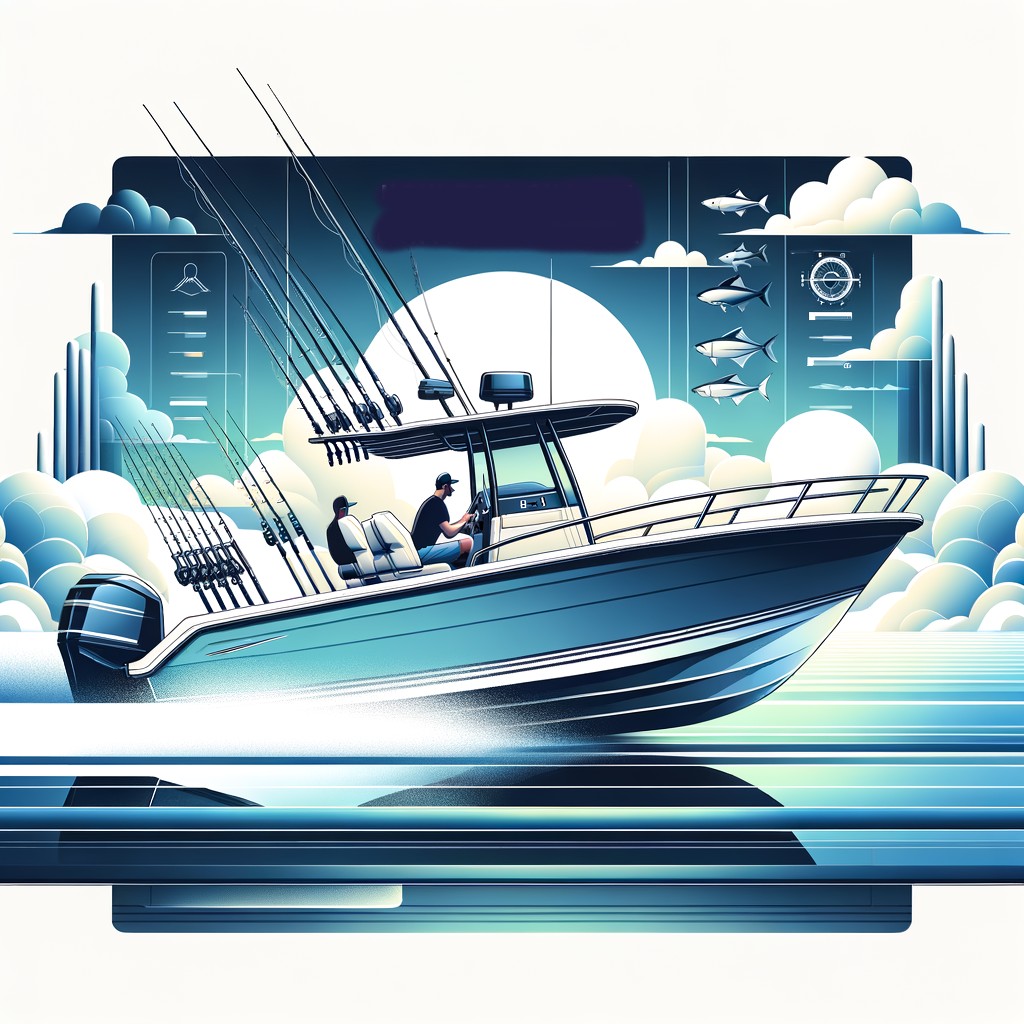

Venturing into the wide blue stretches of the ocean for an unforgettable saltwater fishing experience is a dream for many anglers. Whether you are chasing marlins off the coast of Florida, aiming for the challenging yellowfins in the Pacific, or simply enjoying a serene day under the sun, having the right saltwater fishing boat significantly elevates your adventure. The ocean presents different challenges compared to a freshwater lake. Therefore, your choice of boat should be equipped with features tailored to withstand harsh marine conditions, provide comfort, and enhance your fishing capabilities.
Understanding what to look for in a saltwater fishing boat can be daunting. The variety of models and features available often leave buyers overwhelmed. Whether you’re a seasoned angler upgrading to a more sophisticated boat or a novice eager to start your saltwater fishing journey, focusing on the essential features is crucial. This guide will help you navigate the complexities while choosing a saltwater fishing boat, detailing the top features that ensure safety, performance, and pleasure during your expeditions. By the end, you’ll have a clearer understanding of how each feature contributes to an optimized fishing experience and the peace of mind you deserve out on the water.
Hull Design and Material
The hull is the backbone of any fishing boat, dictating not only the vessel’s performance on water but also its durability against challenging marine conditions. When considering a saltwater fishing boat, pay attention to the hull design and material. A deep V-hull is often preferred by saltwater anglers for its ability to cut through waves, providing a smoother ride in choppy waters. This design disperses the impact of waves, reducing the jarring effects experienced during high-speed maneuvers.
In terms of materials, fiberglass and aluminum are popular choices. Fiberglass hulls are favored for their sleek designs and smooth rides. They offer excellent durability and resistance against the corrosive saltwater environment. Aluminum boats, on the other hand, are lighter and can be more affordable, making them easier to tow and launch. They are incredibly durable and resilient against rocks or debris. However, over time, aluminum can be prone to electrolysis – leading to corrosion if not properly cared for. Ultimately, the choice between fiberglass and aluminum should align with your priorities on weight, maintenance, and initial investment.
Engine and Fuel Efficiency
In saltwater fishing, the ability to venture far offshore and return safely is a top priority, making the engine configuration and fuel efficiency criteria that cannot be overlooked. Saltwater fishing boats typically come with either outboard or inboard engines. Outboard engines, mounted on the transom, are easier to upgrade or replace while providing more storage space inside the vessel. They also offer better speed and fuel efficiency compared to inboard engines, making them a favorite among avid anglers.
Consideration of the engine’s horsepower is also vital. Choose a model that can handle the weight of your fully loaded boat, ensuring it performs efficiently without overexerting the engine. Newer models often include features for improving fuel efficiency, like electronic fuel injection systems and advanced mapping technologies, which optimize the engine’s performance by adjusting fuel consumption based on conditions. Fuel economy is vital, especially for larger distances often covered in saltwater fishing, potentially resulting in significant cost savings while reducing environmental impact.
Navigation and Safety Equipment
Having reliable navigation and safety equipment on board is non-negotiable for any saltwater fishing endeavor. High seas and poor weather conditions can turn a leisurely outing into a dangerous situation swiftly. Navigational tools, such as GPS units and fishfinders, enhance your fishing experience and safety while at sea. A GPS system ensures you always have your bearings, while premium fishfinders with sonar technology considerably boost your odds of a successful catch by identifying fish locations and underwater structures.
Safety should never be compromised, so there must be a comprehensive assortment of safety gear included. Essential equipment includes life jackets for all guests, an emergency locator beacon, flare guns, and a marine VHF radio or other communication devices to maintain contact with the coast guard or other mariners. Many models now incorporate satellite systems that provide emergency services with your location if you’re in distress. Regular maintenance and checks of these systems and equipment will guarantee that they function correctly when needed.
Seating and Comfort Features
Comfort is paramount for any enjoyable fishing expedition, especially during long hours out in the waves. The seating arrangement should align with the number of people you plan to have aboard regularly. Look for boats providing plenty of shaded seating to protect passengers from intense sun exposure. Equip your boat with adjustable seats to accommodate the varying heights and comfort preferences of different passengers or include plush padding for enhanced comfort during extended fishing pursuits.
Modern saltwater boats may also have amenities to boost comfort, such as mini-fridges for storing refreshments, portable grills or cooking stations, and even bathrooms. These features can dramatically improve the quality of your outings by ensuring everyone remains refreshed and comfortable. Consider having a T-top or Bimini top for protection against rain or to shield from excessive sun.
Fish Storage and Handling
Fishing is inherently messy and requires efficient handling and storage options on the boat. Look for vessels offering built-in livewells with aeration systems to keep your bait and catch fresh. Having multiple livewells can be a significant bonus if you’re targeting different fish species and require varied environments to keep them alive and vigorous.
Storage solutions for caught fish should include insulated fish boxes or coolers. These keep your successful catches fresh, crucially important if you plan a long day of fishing before returning to shore. The boat should facilitate easy cleaning and washing down post-fishing by providing ample drainage systems. Consider features like raw water washdown systems for quick clean-up of decks and other essential tools such as cutting boards, rod holders, and bait stations.
Technology and Connectivity
Today’s saltwater fishing boats are increasingly advanced, offering technologies that truly enhance the fishing experience. Many new models are integrated with state-of-the-art marine electronics, including smart navigation packages, customizable display consoles, and automated anchor systems. These technologies simplify operations, making boating safer and more convenient. Autopilot systems and advanced throttle controls can alleviate the burden of manual steering and speed adjustments, particularly useful during long trips.
Connectivity is another consideration, as staying connected with others while at sea can be crucial for both safety and convenience. Features like WiFi routers allow you to keep in touch or share experiences instantly. Furthermore, advanced marine communication systems can be invaluable during emergencies, offering seamless communication capabilities with coastal authorities and other mariners.
Durability and Maintenance
A saltwater fishing boat faces harsher conditions compared to freshwater craft, making durability a top priority. The corrosive salt environment accelerates wear and tear, thus requiring materials and coatings that can withstand such conditions effectively. Look for boats employing corrosion-resistant materials, including stainless steel fittings and specialized paints or gel coats designed to resist saltwater damage.
Ease of maintenance is another factor worth considering for long-lasting use and cost efficiency. Boats that require less intensive care typically include self-bailing decks, designed for fast runoff of any water entering the boat, and simplistically accessible components – making tasks like oil changes and engine maintenance less cumbersome.
Conclusion
Choosing the perfect saltwater fishing boat requires a detailed understanding of the features necessary to ensure a successful and enjoyable fishing experience. From the robust hull material and efficient engines to the navigation systems and advanced marine technologies, every aspect plays an essential role in adapting to the dynamic nature of the open sea. Paying heed to comfort features and fishing-specific storage solutions further elevate your outings, making every trip a memorable one.
These features not only guarantee performance and safety at sea but also provide comfort and ease for both novice and seasoned anglers. Above all, they assure peace of mind, knowing that your vessel can endure the salty environment while offering an optimal fishing platform. Invest time in inspecting and prioritizing these features, tailoring your options to align with your fishing aspirations and planned adventures. Remember, the right boat enhances not only your experience but also bolsters your connection with the ocean, ensuring that each fish story crafted becomes part of an ongoing legacy of maritime exploration.
Frequently Asked Questions
1. What are the essential safety features to look for in a saltwater fishing boat?
Choosing a saltwater fishing boat isn’t just about luxury and style—it’s also about safety on the unpredictable ocean waters. Look for boats equipped with the latest safety features. Start with a reliable GPS and navigation system, which is crucial for tracking your location and planning your fishing route. High-quality radar is equally important to anticipate approaching weather conditions. Ensure the boat has enough life vests for each person on board and kick it up a notch with a Personal Locator Beacon (PLB) to be used in emergencies. Additionally, having a sturdy railing and non-slip decks provides a safer environment when the waters turn choppy. A good VHF radio for communication and an EPIRB (Emergency Position Indicating Radio Beacon) for distress signaling are lifesavers too. These features work together to ensure you have a safe fishing trip.
2. How important is the hull design when selecting a boat for saltwater fishing?
The hull design is incredibly vital when choosing a saltwater fishing boat. The ocean can be unpredictable, with waves that could throw even seasoned anglers off balance. Deep V hull designs are traditional favorites among saltwater fishermen due to their ability to cut through waves with minimal jostling. This design offers better stability and smoother rides, which is crucial when you’re on an extended trip on the open sea. Catamaran hulls are also popular as they provide superior stability and more deck space. Remember, the right hull design doesn’t just influence the performance and efficiency of the boat in various sea conditions, but also ensures passenger comfort and reduces fatigue, allowing for a more enjoyable fishing experience.
3. What fishing-specific amenities should I consider for a saltwater fishing boat?
For the best fishing experience, your boat should come equipped with specific amenities designed to enhance your fishing adventures. Built-in rod holders are a must to keep your lines organized and ready for action. A livewell system is crucial for keeping your bait fresh and fish lively until you return to shore. You’ll need adequate fish storage capabilities, like a spacious fish box with drainage and easy access. Tackle storage compartments that are strategically placed will also make organizing your gear a breeze. Casting platforms with ample room let you cast and reel easier, while downriggers and outriggers assist in deeper and wider fishing techniques. Additionally, ample deck space and comfortable seating can’t be overlooked for those moments when you’re taking a break between catches.
4. How does the size of the boat influence my fishing experience?
The size of the boat you choose significantly impacts your saltwater fishing experience. Larger boats generally provide more stability, better safety features, and more storage capacity, which are critical for long trips and group fishing excursions. However, they may also require deeper water and can be more challenging to maneuver, especially for beginners. On the other hand, smaller boats are often more agile and easier to handle, making them a good choice for solo adventures or short trips closer to the shore. Consider the average number of passengers, the type of fish you’re targeting, and typical sea conditions where you plan to fish. Balancing size with your personal needs and abilities ensures you get the most enjoyment and safety out of your fishing trips.
5. Are there specific engine types that are preferred for saltwater fishing boats?
The engine type is a fundamental consideration for saltwater fishing boats due to varying maritime conditions. Outboard motors are commonly preferred for saltwater fishing because they are versatile and allow for more room on the deck, crucial for casting and equipment storage. Make sure the engine has a reliable fuel efficiency and the power you need, depending on the speed and distances you plan to cover. Diesel engines provide more torque and are often more fuel-efficient for larger vessels, but outboards tend to be lighter and simpler to maintain. Whichever you choose, ensure it’s suited to resist corrosion and saltwater damage. Keep maintenance in mind, as regular checks and cleaning are vital to prolong the engine’s life and ensure it performs well during your fishing adventures.