Introduction to Houseboat Living
Imagine waking up to the gentle bobbing of waves beneath your home, with panoramic views of serene waters stretching out in every direction. This idyllic setting is a typical morning for those who choose to live on houseboats full-time. The concept of houseboat living combines the mobile lifestyle of boating with the comforts of home life, offering a unique way to experience both nature and freedom. But what exactly does living on a houseboat entail, and why might someone choose this unconventional lifestyle over a traditional home?
Houseboats serve as floating homes, equipped with all the necessities of daily life such as sleeping quarters, kitchens, and bathrooms, often in surprisingly compact formats. Some people gravitate towards this lifestyle for the sense of adventure and freedom it offers, while others are drawn by the potential cost savings compared to owning property on land. Understanding the pros and cons can help potential houseboat dwellers make informed decisions about whether this unique lifestyle suits their personal needs and desires.
The allure of full-time houseboat living is multifaceted. It offers a sustainable living option as it often allows for self-sufficient energy and waste management solutions. Moreover, it presents a distinctive way to lower one’s carbon footprint while maintaining a quality lifestyle. However, it’s not all smooth sailing; there are also challenges to consider, including maintenance demands and the potential for isolation. By diving into the specifics of living on a houseboat full-time, individuals can weigh the benefits against the drawbacks to determine if this unconventional lifestyle could indeed be their perfect choice.
The Freedom and Flexibility
One of the greatest advantages of living on a houseboat is the unmatched flexibility and freedom it provides. Unlike a traditional home that remains fixed in one location, a houseboat allows you to alter your scenery at your discretion. Simply put, you can change your neighborhood as often as you like, docking in different marinas or exploring new waterways. This freedom appeals to adventurous spirits and those who wish to avoid the confines of a conventional home and routine.
Consider the story of Sarah and John, a couple in their early thirties who decided to live on a houseboat in the Columbia River. They cherish the spontaneity of their lifestyle, having the ability to pack up and move should they wish to explore new surroundings or escape unfavorable weather conditions. This mobility is akin to a nomadic lifestyle but with the stability and comforts of having a permanent home — something that isn’t easily attainable with traditional RV life.
Aspect
Houseboat Living
Traditional Home
Mobility
High
Low
Scenery
Changeable
Static
Community
Tight-knit
Variable
Maintenance
Specialized
General
This flexibility also provides a financial advantage; you are not tied down to a mortgage in the same way as with land-based homes. Given the varying cost of docking fees and the absence of property taxes in some regions, houseboat living can be more affordable in the long run, particularly in areas with high real estate prices. Thus, this lifestyle presents an opportunity for individuals to live more freely, potentially allowing them to save money or invest in other aspects of their lives.
Embracing a Minimalistic Lifestyle
Living on a houseboat necessitates embracing a minimalistic lifestyle due to the limited space available. This can be a significant positive for those looking to declutter their lives and focus on essentials rather than accumulative possessions. With space constraints forcing homeowners to be intentional with their belongings, it encourages a lifestyle centered around experiences rather than material goods.
Consider the case of Dave, a retired school teacher who downsized to a houseboat after his children left home. He describes his transition as liberating, with the necessity of reducing his belongings leading to a stress-free lifestyle. He emphasizes how this has allowed him to focus more on hobbies and exploring the outdoors, which was always limited in his more cluttered, land-based living scenario.
This minimalism doesn’t necessarily mean sacrificing comfort or style. Modern houseboats come in a variety of designs, from rustic and cozy to luxurious and sleek, offering all the amenities found in traditional homes but in a more compact format. Minimalist living on a houseboat encourages creativity in utilizing space efficiently and effectively, creating an environment that is both functional and inviting.
Environmental Impact and Sustainability
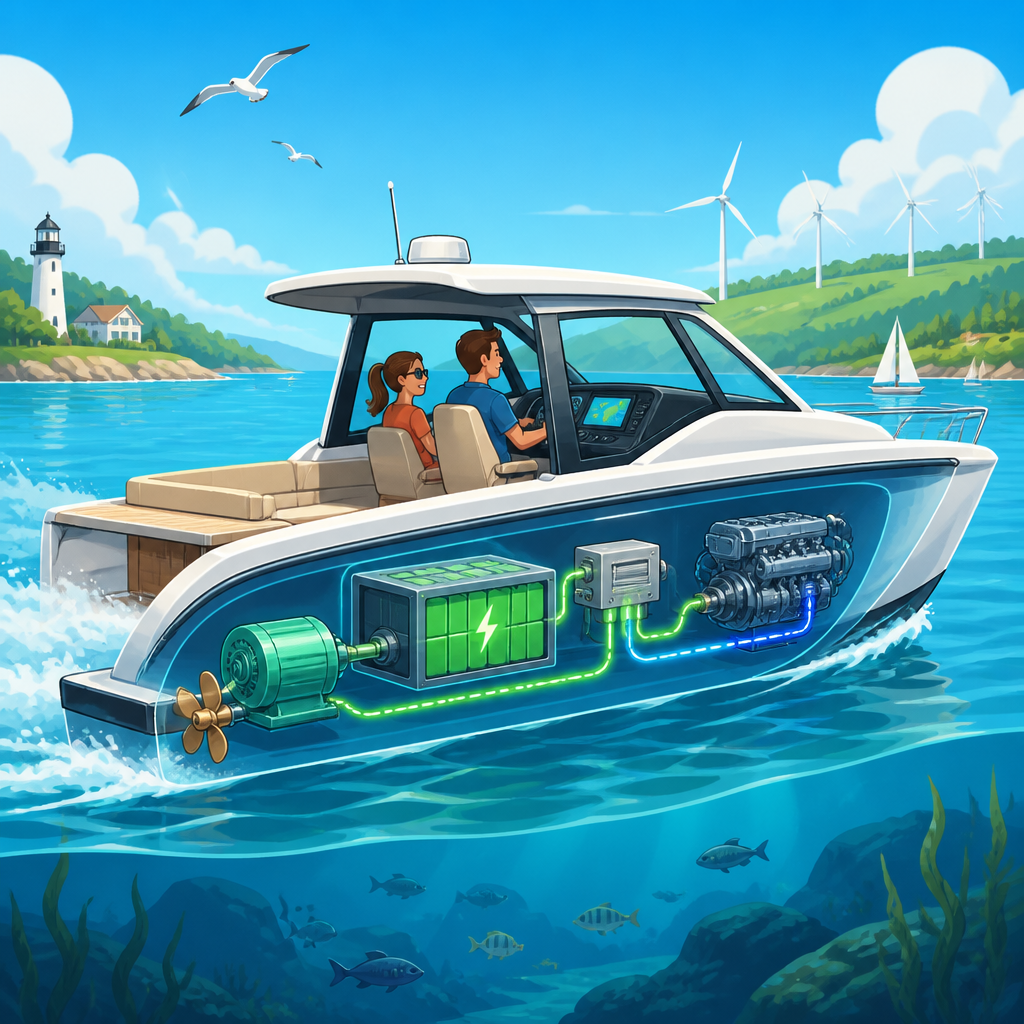
An important factor contributing to the appeal of houseboat living is its potential environmental benefits. Many houseboats nowadays are equipped with eco-friendly features such as solar panels, composting toilets, and greywater recycling systems. These features enable individuals to significantly reduce their carbon footprint compared to living in a traditional home.
For instance, Janine, an environmentalist and passionate advocate for sustainable living, chose a houseboat to align her lifestyle with her values. She uses solar panels to power her boat and a rainwater collection system for daily water needs, which dramatically reduces her reliance on external resources. This kind of self-sufficiency exemplifies the potential for houseboat dwellers to live in harmony with nature while enjoying modern conveniences.
Additionally, living on water inherently fosters a greater awareness of environmental issues, as houseboat residents often become stewards of the waterways they inhabit. This relationship can lead to a more sustainable lifestyle, where individuals are more conscious about preserving the natural beauty that surrounds their floating home.
Maintenance and Technical Challenges
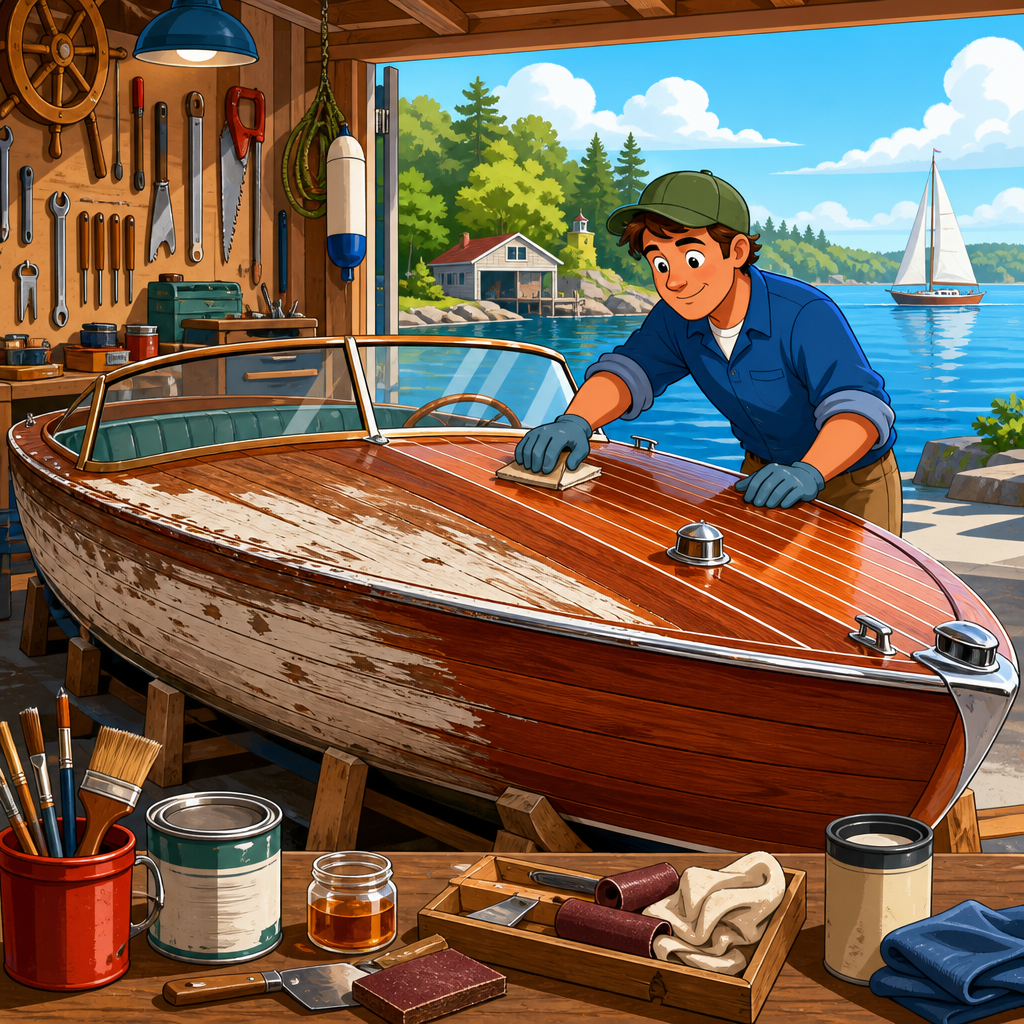
While there are many advantages to living on a houseboat, it is not without its challenges. Maintenance is a significant consideration, as a houseboat can require specialized upkeep that sets it apart from land-based homes. Issues like water damage, hull integrity, and engine maintenance (if the boat is motorized) demand regular attention, which can be daunting for the uninitiated.
A notable example is Tom, a novice to houseboat living who initially underestimated the technical demands of his new lifestyle. He faced challenges with learning to manage the water and septic systems, which are crucial to living on a houseboat. Through trial and error, and with the help of a supportive houseboat community, he learned the necessary skills to maintain and enjoy his boat while minimizing complications.
The technical aspects of life on a houseboat can lead to unexpected expenses, particularly if professional help is needed for repairs. Thus, potential houseboat residents must be willing to learn new skills or anticipate the cost of hiring specialists.
Community and Isolation
The social dynamics of living on a houseboat differ from those of traditional neighborhoods. Marinas and docks often have a tight-knit sense of community due to the shared lifestyle and proximity of living spaces. This can result in strong friendships and mutually beneficial relationships, offering a sense of belonging and support.
For example, Linda, a single retiree, joined a vibrant community of houseboat residents who frequently organize social events and communal activities. This strong community network has enhanced her quality of life, providing her with companionship and shared interests.
- Shared Potluck Dinners
- Community Maintenance Days
- Dockside Yoga Classes
- Boat Swapping Adventures
Nevertheless, it is also important to recognize the potential for isolation, especially in locations separated from major towns or cities. Some people might find the solitude challenging, especially during off-peak seasons when fewer residents are present. It is vital for individuals to consider their need for social interaction and seek a community that fits their social preferences.
Conclusion: Is Houseboat Living Right for You?
Living on a houseboat full-time is a lifestyle that offers a unique set of advantages and challenges. By providing freedom, flexibility, and a minimalistic approach, it appeals to adventurous spirits and those keen to make meaningful lifestyle changes. For many, the benefits outweigh the downsides, allowing for a financially viable, environmentally sustainable, and personally rewarding way of life.
However, potential houseboat dwellers must be prepared to face the implications of condensed living spaces, increased maintenance requirements, and the need for self-sufficiency. Understanding these factors is essential in deciding whether this lifestyle aligns with personal values and practical considerations.
If you are enticed by the prospect of waking up to the rhythm of the water, free from the burden of conventional living, why not take the first step? Visit local marinas, talk to houseboat owners, or even rent a houseboat for a trial period. These experiences can offer invaluable insights and help determine if this lifestyle could genuinely transform your everyday life. With thoughtful consideration and planning, you might find that life on a houseboat offers the perfect balance of serenity, adventure, and sustainable living.
Frequently Asked Questions
1. What are the benefits of living on a houseboat full-time?
Living on a houseboat full-time can be truly rewarding in numerous ways. First and foremost, it offers the unparalleled opportunity to immerse oneself in nature, waking up to pristine waterscapes and tranquil environments that bring a constant sense of relaxation and peace. The gentle rocking of the boat and the soft sounds of the water can be incredibly soothing, creating a natural stress-relief mechanism. Additionally, it provides a unique lifestyle of adventure and freedom, allowing residents to explore new locations and enjoy waterfront views without the permanence of traditional homeownership. Houseboats also draw a community of like-minded individuals, fostering opportunities for camaraderie and shared experiences. This close-knit community aspect can result in strong friendships and a vibrant social life on the water. Moreover, houseboat living often results in a smaller environmental footprint, as many houseboats are designed to be energy efficient and require fewer resources than land-based homes. Lastly, the financial aspect is another attractive point; while some costs can vary, living on a houseboat often means no property taxes and typically lower utility bills, which can save money in the long-run.
2. What are the potential downsides of living on a houseboat?
Although life on a houseboat can be filled with many joys, there are also challenges that should be considered. The space on a houseboat is usually limited, so adapting to a minimalist lifestyle is often necessary which may not suit everyone. This means limited storage and living space, which can be a significant adjustment for those used to larger homes. Additionally, the maintenance required for houseboats is generally more intensive; the constant exposure to water means regular upkeep is essential to prevent repairs or damage. Boat life can be unpredictable as well since water levels and weather conditions might affect your schedule or plans. Finding a suitable and affordable mooring space can sometimes be challenging, as prime spots tend to be in high demand, potentially making it a costly endeavor. Accessibility to your boat during certain times—especially if it’s moored in a remote location—can also present difficulties, primarily related to transportation or accessing necessities. Lastly, legal issues such as complying with maritime laws versus local housing regulations can be complex, requiring thorough research and understanding to navigate successfully.
3. How do I deal with essential amenities like water, electricity, and sewage on a houseboat?
Houseboats are typically designed with functionality and self-sustainability in mind, but managing utilities can require planning and vigilance. For water, many houseboats are equipped with systems to store fresh water onboard or collect rainwater. This usually involves periodic tank refills at marina stations or adapting filtration systems for natural water collection. Regarding electricity, houseboats often utilize solar panels, generators, or connect to shore power (electricity supplied at marinas) to meet energy needs. It’s essential to monitor usage and have backup systems to ensure reliability, especially if you choose to live off-grid. Sewage management is another critical aspect; many houseboats have marine sanitation devices that treat waste before it’s legally discharged, or storage tanks that need regular emptying – a service provided at marinas. Proper waste management compliance with regulations is a necessity to avoid environmental damage and legal penalties. Beyond these considerations, being energy-conscious and efficient in water usage can help maintain comfort without unnecessary strain on your resources.
4. Is living on a houseboat suitable for families with children or pets?
Houseboat living can be a unique and enriching experience for families and individuals with pets, as long as suitable adjustments are made. Families often find that living on a houseboat fosters a sense of adventure and closer bonding, with plenty of opportunities for educating children about nature and the environment firsthand. However, safety and space are primary concerns; modifications such as installing safety rails, non-slip floors, and secure areas for smaller children and pets are crucial to ensuring a safe environment. Pets typically enjoy the open space and stimulating surroundings, but specific needs, such as exercising dogs or ensuring safe proximity to water, must be considered carefully. Education and social interactions for children might require more effort, as access to schools and activities can be limited depending on the houseboat’s location. For those committed to this lifestyle, strategic planning, such as finding nearby schooling options or determining schedules for city visits, allows families to creatively and effectively mitigate these challenges.
5. How can I begin transitioning to a full-time houseboat lifestyle?
Transitioning to life on a houseboat involves multiple steps, starting with educating yourself thoroughly about this lifestyle, associated costs, and available options. Begin by visiting marinas, speaking with current houseboat residents, and gaining insights into the practicalities and daily life on a boat. Deciding on a suitable houseboat that meets your needs and budget is essential—consider factors like size, amenities, the condition of the boat, and intended locations for mooring. Financial planning is necessary to understand maintenance costs, mooring fees, and potential insurance needs. It’s also wise to declutter well before moving aboard, as space will be limited. Gradually integrating into the community can help familiarize you with local regulations, best practices, and can provide a support system when issues arise. Testing this lifestyle with a rental or short-term stay can ensure you’re making an informed decision. Finally, developing necessary nautical skills, like navigation and emergency protocols, will prepare you for both the challenges and pleasures of living life afloat.