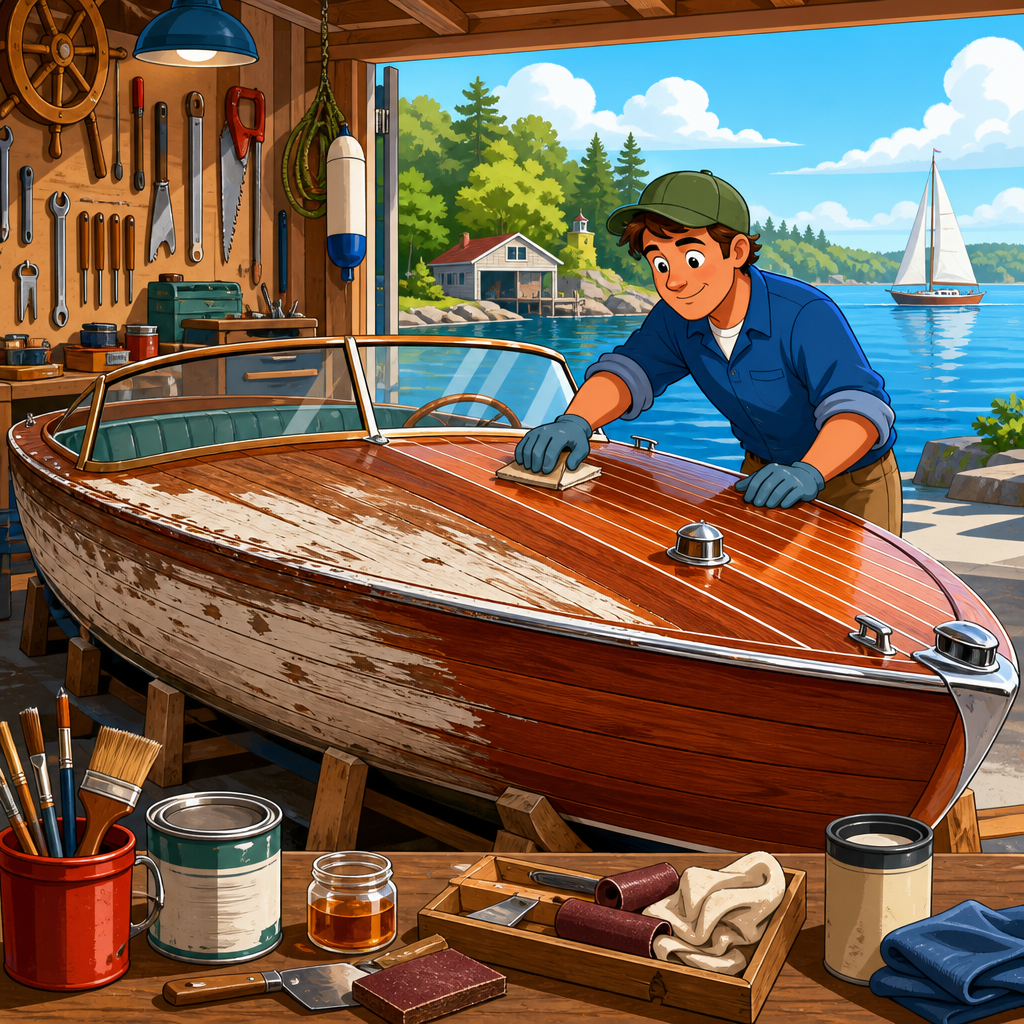
Houseboats hold a unique appeal, combining the charm of a traditional home with the endless allure of the water. However, owning an older houseboat may necessitate some customization and renovation to make the most of this aquatic lifestyle. A houseboat, by definition, is a watercraft designed to provide live-in accommodations. Unlike regular boats used for travel or sport, houseboats emphasize comfort and liveability. Renovating an older houseboat is significant for enhancing value, improving functionality, and creating a cozy, personalized space that truly feels like home. Despite the unique challenges, the rewards of customized renovations are substantial, resulting in a space that suits your needs while enjoying the beauty and serenity of waterfront living.
Assess the Condition of Your Houseboat
The first step in any renovation project is a thorough assessment of the existing condition of your houseboat. Understanding the structure, materials, and current state will help plan the necessary renovations effectively. Begin by inspecting the hull, as it is the most crucial component; a compromised hull can lead to significant safety hazards. Check for any cracks, leaks, or signs of wear and tear. For instance, Jane, a houseboat owner in Miami, discovered during her initial inspection that the wooden beams supporting her houseboat’s flooring showed severe signs of rot, necessitating immediate replacement.
Next, examine the electrical and plumbing systems. Depending on the houseboat’s age, outdated installations might need upgrading to comply with modern standards. If your houseboat hasn’t been refitted for modern utilities, consider this as a priority during renovation.
- Inspect the hull for damage.
- Evaluate the integrity of beams and supports.
- Check and plan for upgrading electrical and plumbing systems.
Plan the Layout and Design
Once the condition assessment is complete, the next step is to plan your houseboat’s interior layout and design. While there are unique spatial constraints, a thoughtful layout can make a substantial difference in comfort and functionality. Think about how you want to use the space. Do you need additional sleeping quarters, a larger kitchen, or perhaps an outdoor deck for relaxation? When Ron and Megan, a couple from Seattle, redesigned their houseboat, they created a more open-concept living area, which made the space appear larger and allowed for better traffic flow.
Choosing the right décor and materials is also fundamental. Given the houseboat’s exposure to moisture and varying temperatures, use materials like marine-grade plywood, fibreglass, and mildew-resistant fabrics. These choices ensure longevity and reduce maintenance costs.
Focus on Energy Efficiency
Enhancing energy efficiency is not only beneficial for the environment but also economically advantageous. Start by insulating your houseboat properly. Insulation materials like spray foam are excellent for moisture-rich environments and can significantly reduce heating and cooling costs. Install energy-efficient appliances and LED lighting to lower electricity consumption. Solar panels can be a worthwhile investment, offering sustainable power solutions. For example, the Roberts family retrofitted their older houseboat with solar panels, drastically reducing their dependence on external power sources and cutting down on monthly utility expenses.
Upgrade Safety Features
A key consideration while renovating is the safety of your houseboat. Older models may lack modern safety features. Incorporate smoke and carbon monoxide detectors, ensuring all electrical systems meet current safety standards. Lifejackets and first aid kits should be easily accessible. Upgrade railings and emergency exits to accommodate safe evacuation if necessary. Address any potential safety hazards promptly to prevent accidents.
Enhance Aesthetic Appeal
Updating the aesthetic appeal of your older houseboat can transform and add significant value to your floating home. Consider repainting both the exterior and interior with marine-grade paint, suitable for withstanding water exposure. Select colors that reflect your personal style and complement the surrounding water environment. Interior design elements, such as new flooring, can enhance the home’s overall appearance. When Sophie renovated her houseboat, she chose a nautical theme with soft blue hues and white furnishings, creating a serene coastal vibe that increased the boat’s charm and allure.
| Design Element | Description |
|---|---|
| Marine-Grade Paint | Durable against water damage |
| Water-resistant Flooring | Protects from moisture |
| Nautical Décor | Enhance visual appeal |
Consider Outdoor Living Spaces
Outdoor spaces on a houseboat can significantly enhance your living experience. These areas allow you to enjoy the surrounding water views and fresh air. Design an upper deck or a small balcony with seating to create a comfortable outdoor retreat. Add a canopy or retractable awning to provide shade and protect against the elements. In her renovation, Bella transformed the rooftop of her houseboat into a spacious deck for lounging and entertaining, increasing her daily enjoyment and hosting capabilities.
Invest in Smart Technologies
Modern technology can elevate the convenience and functionality of your older houseboat. Implementing smart home technologies, such as automated lighting, climate control systems, and security cameras, can improve comfort and security. These systems can be easily controlled through smartphone apps, giving you more control over your space even when you’re away. John’s houseboat, once a dated vessel, turned into a tech-savvy floating home with these enhancements, improving his quality of life and providing peace of mind when out at sea.
Plan for Regular Maintenance
The key to maintaining a renovated houseboat is scheduling regular maintenance. Routine inspections for structural integrity, system efficiency, and cleanliness will help sustain the improvements. Create a maintenance calendar to track necessary tasks, such as sealing, paint touch-ups, engine checks, and system evaluations. This proactive approach minimizes potential issues and prolongs the durability and value of your renovations.
Create a Budget and Timeline
A crucial aspect of customizing and renovating a houseboat is budgeting and setting a realistic timeline. Initially, estimate costs for materials, labor, permits, and unexpected expenses. Categorize projects by priority and timeline to ensure a smooth renovation process. This organized approach allows patience and financial control, preventing rushed decisions and overspending. Will and Sarah meticulously planned their budget, enabling them to transform their outdated houseboat into a modern sanctuary without financial stress.
Conclusion: Navigating a Successful Houseboat Renovation
Renovating an older houseboat is a complex yet rewarding venture that offers the opportunity to blend comfort, functionality, and style into your perfect aquatic abode. Key steps include assessing the vessel’s condition, designing efficient layouts, incorporating energy-saving measures, enhancing safety, upgrading aesthetic appeal, and utilizing modern technologies. These comprehensive renovations lead to a bespoke houseboat that meets contemporary standards and aligns with your personal tastes.
If you’re contemplating embarking on this journey, begin by evaluating your houseboat, establish your wishlist, and methodically plan your budget and timelines. Remember, maintaining the vessel post-renovation is integral to sustaining its upkeep and preserving the investments made. Dive into this transformative project, and redefine your maritime lifestyle on your bespoke, renovated houseboat.
Start your houseboat renovation project today, and enjoy the unique blend of adventure and tranquility only a houseboat can offer.
Frequently Asked Questions
1. What are the first steps in customizing and renovating an older houseboat?
The first steps in customizing and renovating an older houseboat should start with a thorough inspection. Inspect the hull for any signs of wear, rust, or damage, as the integrity of the hull is crucial for the safety and longevity of your houseboat. Check the electrical systems and plumbing for outdated or faulty components, as houseboats often have unique wiring and pipework that need to be marine-grade to withstand the aquatic environment.
Plan your budget and prioritize your renovations. Consider what changes are necessary for safety first—such as fixing leaks or securing railings—and then move onto more aesthetic upgrades such as fresh paint, new flooring, or updated cabinetry. Engaging with a marine surveyor during this inspection phase can provide greater insights and help identify any hidden or not-so-obvious repairs.
2. How can I choose the best materials for renovating a houseboat?
Choosing the right materials is essential for both style and durability on a houseboat. Opt for materials that hold up well to moisture since the constant exposure to water and humidity can affect the longevity of many traditional building materials. Marine-grade plywood is a popular choice for structural elements because of its strength and water-resistance. Additionally, choosing corrosion-resistant metals such as stainless steel for fixtures and fittings can prevent rust and increase the lifespan of your investment.
For flooring, consider installing vinyl planks or marine carpet, both of which are durable, water-resistant, and easy to clean—important factors given the environment. When selecting paint, use marine paint that can withstand moisture and mildew. Interior materials should not only enhance comfort and functionality but should also reflect your personal style, making your houseboat feel like a home.
3. How can I improve the energy efficiency of my older houseboat during renovation?
Improving energy efficiency in an older houseboat can be achieved through several key upgrades. First, assess the insulation. Many older houseboats lack proper insulation, which can lead to high energy consumption as you try to maintain comfortable temperatures. Adding modern insulation can reduce heat loss in the winter and heat gain in the summer, easing the workload on your heating and cooling systems.
Next, look at upgrading to energy-efficient appliances which are designed for use in marine environments. Consider LED lighting to reduce power usage and solar panels to generate renewable energy. Not only do solar panels offer considerable savings on electricity bills, but they also offer independence from shore power sources, which is invaluable for extended trips. Don’t forget to check for drafts around windows and doors, and seal them properly to prevent energy loss.
4. What are the best ways to modernize the living spaces inside an older houseboat?
Modernizing the living spaces inside an older houseboat can dramatically improve comfort and style. Start by updating the layout to create a more open plan if the current structure allows it. This not only enhances sightlines but also maximizes the limited space, giving a sense of increased size and openness.
Updating the kitchen and bathroom can have the most significant impact. Consider installing modern cabinets, fixtures, and countertops that offer both aesthetics and functionality. With limited space, select multi-functional furniture, like a dining table that can retract or double as a workspace. Incorporate smart storage solutions to keep clutter minimal and to maintain the illusion of space. Using light color schemes can make the interior feel larger and more welcoming.
5. Are there any special considerations for maintaining safety during renovation projects on an older houseboat?
Yes, safety should always be a primary concern when renovating any boat, especially an older houseboat. First and foremost, ensure that all safety equipment, such as life jackets, smoke detectors, and fire extinguishers, are up-to-date and in accessible locations. During construction, be aware of weight distribution and make sure any heavy additions won’t adversely affect the boat’s balance and buoyancy, as an unbalanced boat can be dangerous.
All electrical work should be done by a certified marine electrician to ensure compliance with safety standards and reduce the risk of electrical fires. If an older boat has any gas appliances, these, too, should be inspected and potentially replaced due to the risk of gas leaks. Finally, ensure that any renovations involving structural changes are supported correctly and that materials used can withstand the pressures of a marine environment, all while consulting with professionals in maritime construction to safeguard against unexpected issues down the line.