Understanding Inflatable and Traditional Boats
Inflatable boats have surged in popularity over recent years, sparking a debate among boating enthusiasts: Are they a viable alternative to traditional boats? To answer this, it is essential to understand what defines each type of boat and why it matters to today’s boaters.
Traditional boats, often constructed from wood, fiberglass, or metal, are associated with durability and long-lasting performance. These boats have been the stalwart choice for fishermen, explorers, and recreational users for centuries. On the other hand, inflatable boats are typically made from synthetic materials such as PVC or Hypalon, designed to be lightweight and portable.
The burgeoning interest in inflatable boats can be attributed to their portability, cost-effectiveness, and ease of storage. With modern advances in materials and construction techniques, inflatable boats have become more robust and versatile, raising the question of whether they can genuinely compete with traditional crafts.
This discussion is significant as it affects decisions of potential boat buyers, impacting their investment, boating experience, and even the industries surrounding boat manufacturing and tourism. As we delve deeper, we will explore five critical aspects of comparing inflatable boats to traditional ones, addressing key factors such as affordability, performance, maintenance, and environmental impact.
Cost Comparison: Inflatable vs. Traditional Boats
One primary reason for the growing popularity of inflatable boats is their cost-effectiveness compared to traditional boats. As illustrated by many boating enthusiasts, these vessels represent a budget-friendly option without compromising on basic functionality.
Traditional boats can be a substantial financial commitment, with costs spanning procurement, mooring, maintenance, and insurance. The initial purchase price for a small, traditional fishing boat can range from a few thousand to tens of thousands of dollars. In contrast, many inflatable boats start at a few hundred dollars, making them accessible to a broader audience.
For example, a family in Florida decided to switch from their conventional 20-foot fiberglass fishing boat to a high-quality inflatable. Not only did they save thousands on the purchase, they also found savings in storage costs as they could store the inflatable in their garage, avoiding marina fees. Thus, if the initial and ongoing costs are a significant concern, inflatable boats present an appealing alternative.
Performance and Versatility on Water
Performance is another pivotal consideration when examining inflatable versus traditional boats. Many assume that inflatable boats fall short on performance metrics. However, advances in technology have proven otherwise. Modern high-pressure inflatable hulls can handle choppy waters and provide stability, rivaling traditional boats in certain conditions.
Take, for instance, the usage in rescue operations. Agencies worldwide utilize inflatables for swift water rescues due to their maneuverability and ability to navigate in shallow or restrictive waterways. Furthermore, the rigidity of modern inflatable floors enhances their performance and allows for various applications, from fishing to leisurely rides.
It’s important to note that while they may not rival the speed and capacity of traditional crafts with high-powered motors like yachts or speedboats, inflatables are superb for recreational users seeking flexibility and ease of use. Their adaptability showcases a significant advantage over traditional boats in specific scenarios.
Maintenance Considerations
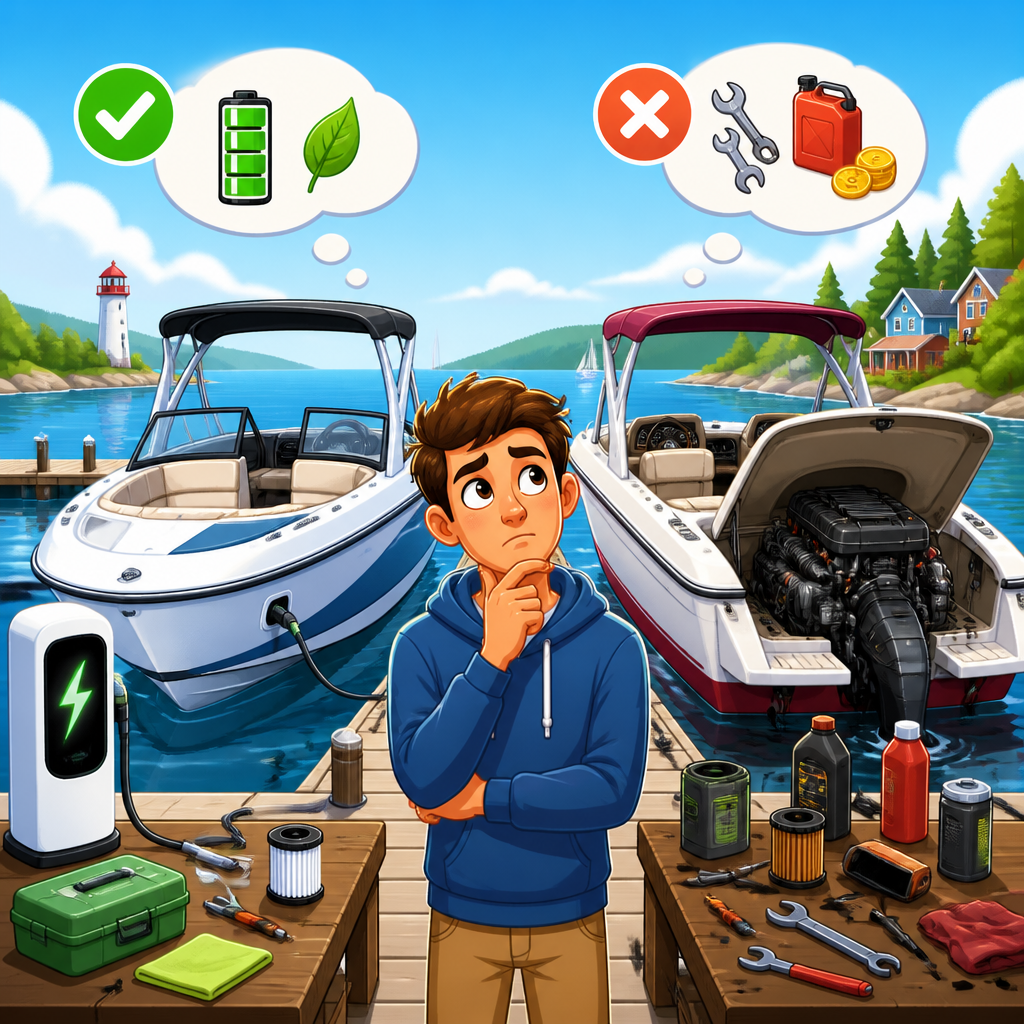
When it comes to boat maintenance, inflatable boats offer a distinct edge due to their construction materials and ease of repair. Traditional boats, typically built from materials such as fiberglass, require meticulous care, including regular anti-fouling treatments, polishing, and time-consuming repairs to prevent wood rot or structural damage.
In contrast, inflatable boats are composed of durable synthetics designed to withstand impact and resist abrasions. Simple punctures can usually be repaired with a basic patch kit available at most marine supply stores, allowing even inexperienced users to perform repairs onsite.
Consider a fisherman in a remote area who uses an inflatable boat for angling. After accidentally navigating into sharp rocks, a quick patch allowed them to continue their journey with minimal delay. The simplicity and convenience of inflatable boat repairs significantly reduce downtime and long-term maintenance costs, making them a practical choice for many.
Environmental Impact and Sustainability
As discussions on environmental sustainability become more pressing, the eco-friendliness of inflatable versus traditional boats is noteworthy. The manufacturing of traditional boats often involves resource-intensive processes, and disposal can be problematic due to the materials used, which take decades to decompose.
Inflatable boats, however, use materials that leave a relatively smaller carbon footprint during production. Additionally, fewer resources are required to transport and store inflatables, reducing their overall environmental impact. Their reduced weight results in lower fuel consumption from towing, fitting well into a sustainable lifestyle.
For instance, a conservation group opted for inflatable boats for their fieldwork in delicate ecosystems, minimizing the environmental footprint of their operations. This choice underscores how inflatable boats can support sustainable practices in maritime activities.
| Aspect | Inflatable Boats | Traditional Boats |
|---|---|---|
| Cost | Generally lower | Higher upfront and maintenance costs |
| Performance | High maneuverability, less suitable for high-speed activities | Superior speed and stability in open waters |
| Maintenance | Requires minimal maintenance, easy repairs | Requires regular upkeep, more complex repairs |
| Environmental Impact | Lower carbon footprint, less resource-intensive | Higher environmental impact due to material use |
User Experience and Accessibility
Inflatable boats also score high on accessibility. They appeal to novice boaters who appreciate their ease of handling and operation. Unlike traditional boats, which often require knowledge of complex systems and engines, inflatables keep things simple and user-friendly.
Take, for example, a family living in a city apartment with limited storage space. They opt for an inflatable boat that fits neatly in their closet when deflated. Without the need for a trailer and boat ramp, they enjoy spontaneous weekend getaways to local lakes, a freedom often unattainable with cumbersome traditional boats.
This flexibility is mirrored in rental markets, where inflatables can cater to tourists seeking impromptu adventure, offering a burst of excitement without the usual logistics involved in traditional boat rentals. The ease of use and accessibility adds a layer of value to inflatables, broadening their appeal among diverse user groups.
Key Takeaways and Considerations
As we have explored the variations between inflatable and traditional boats, it becomes apparent that inflatables offer unique advantages that can make them a compelling alternative. Their affordable pricing, ease of use, low maintenance needs, and environmentally friendly aspects position them as an attractive option for many prospective boat owners.
While traditional boats undoubtedly provide unmatched performance and robustness in professional and high-demand scenarios, the casual or recreational boater might find that inflatables meet all their needs, offering a pleasant and hassle-free experience on the water.
In conclusion, if you’re considering purchasing a boat and short on space or resources, exploring inflatable boats could be a smart choice. They may offer you flexibility, convenience, and an introduction to boating without significant financial commitment. Consider your own boating goals, and visit local dealers or marine expos to see these incredible inflatables firsthand. Embark on your journey to make the most of your aquatic adventures!
Frequently Asked Questions
1. What are the main differences between inflatable boats and traditional boats?
The differences between inflatable boats and traditional boats primarily lie in their construction, materials, and intended uses. Traditional boats are typically made from more rigid materials like wood, fiberglass, or metal, which contribute to their durability and longevity. These materials provide a solid structure that can handle rough waters and heavier loads, making traditional boats ideal for deeper waters, longer voyages, or more intensive activities like commercial fishing and transportation.
Inflatable boats, on the other hand, are made from flexible, high-strength fabrics such as PVC or Hypalon. These materials make inflatable boats lightweight and portable, which are two of the most significant advantages over traditional boats. Inflatable boats are usually equipped with air-filled tubes, which allow them to float easily and be quite stable on the water surface despite their lighter weight. These features make them a great option for recreational use, shallow waters, or as tender boats for larger vessels. The ease of inflation and deflation also means they can be packed away neatly when not in use, making storage simpler and more convenient. Additionally, inflatables tend to be cheaper, which can be enticing for hobbyists and beginners.
2. Are inflatable boats safe for all types of waters and weather conditions?
Inflatable boats are generally safe for calm waters and lighter weather conditions, such as lakes, rivers, and gentle seas. Their lightweight nature and flexible structure allow for better buoyancy and maneuverability in such environments. However, when it comes to harsher weather conditions and rougher waters, inflatable boats may not always be the best choice. While modern advancements have greatly improved their durability and safety features, they may not offer the same level of resistance to strong winds, high waves, or rocky hazards as traditional boats could.
Nonetheless, new technologies have enhanced the ruggedness of inflatable boats with reinforced fabrics and advanced designs like internal air compartments that help prevent sinking if one part is punctured. Some models are specifically crafted for more challenging conditions, but they remain less common. Overall, it is crucial for users to understand the limitations of their inflatable boats and adhere to usage guidelines to ensure optimum safety. This means paying close attention to weight capacities, avoiding overly turbulent waters, and regularly inspecting the boat for any signs of wear and tear before heading out.
3. How does the cost of buying and maintaining an inflatable boat compare to a traditional boat?
The initial purchase price of inflatable boats is typically lower than that of traditional boats. This accessibility makes them particularly appealing for first-time boaters or those with limited budgets. Not only do inflatable boats offer financial savings upfront, but they are also generally less costly when it comes to maintenance. Their lighter construction materials do not require as extensive upkeep compared to the care needed for wooden or fiberglass vessels, which demand regular painting, anti-fouling treatments, or repairs for chips and cracks.
The storage of inflatable boats is considerably easier and cheaper; they can be deflated and stored in compact spaces, eliminating the need for costly docking fees or expansive storage units. Transport costs tend to be lower with inflatables as well since they can be transported by smaller vehicles without trailers. However, it is essential for owners of inflatable boats to budget for regular checks on seams and valves, and to factor in the potential replacement of air pumps or repair kits. Despite these minor costs, the overall expenditure on inflatables remains significantly lesser than the lifetime financial commitment required to maintain traditional boats.
4. Can inflatable boats support similar activities as traditional boats?
Inflatable boats have come a long way in supporting a variety of activities similar to those undertaken with traditional boats. Recreational activities such as fishing, leisurely cruises, swimming excursions, and even competitive sports like rowing or racing can easily be supported with inflatable boats. Their lightweight and maneuverable build make them particularly well-suited for activities in calmer water bodies, where one might want to spontaneously explore coves or adjust course effortlessly.
Moreover, some inflatable boats are designed for specialized activities such as diving or rescue operations. Manufacturers have developed diverse models equipped with features like reinforced hulls or additional storage space to accommodate gear and supplies. Nevertheless, certain activities still favor the strength and durability of traditional boats. For example, deep sea fishing that involves handling larger densities or high-speed water sports may require the robust and stable platform that only a traditional boat can provide. It is crucial to match the boat type to the intended range of activities to ensure maximum safety and enjoyment.
5. What are the environmental impacts of using inflatable boats versus traditional boats?
The environmental impact of inflatable boats tends to be lower compared to traditional boats, primarily due to their construction and materials. Inflatable boats are typically made from synthetic materials such as PVC or Hypalon, and while these are not biodegradable, their lightweight nature ensures less fuel consumption when transported in smaller vehicles. This contributes to reduced carbon emissions compared to transporting heavier traditional boats. Moreover, the reduced need for long-term maintenance of hull coatings and antifouling products on inflatable boats means fewer chemical pollutants are introduced into waterways.
On the other hand, traditional boats made from materials like fiberglass and metal involve energy-intensive production processes. Maintenance activities for these boats often necessitate toxic chemicals that can inadvertently find their way into the water and harm marine life. Albeit, traditional wooden boats might have a smaller carbon footprint as wood is a sustainable resource, depending on the practices surrounding its sourcing and processing.
In conclusion, while both types of boats are associated with certain environmental concerns, inflatables generally present a lower immediate environmental impact, especially if efforts are made to find sustainable materials and proper disposal methods. However, boaters must remain conscious of their marine practices regardless of the boat type to minimize ecological footprints effectively.