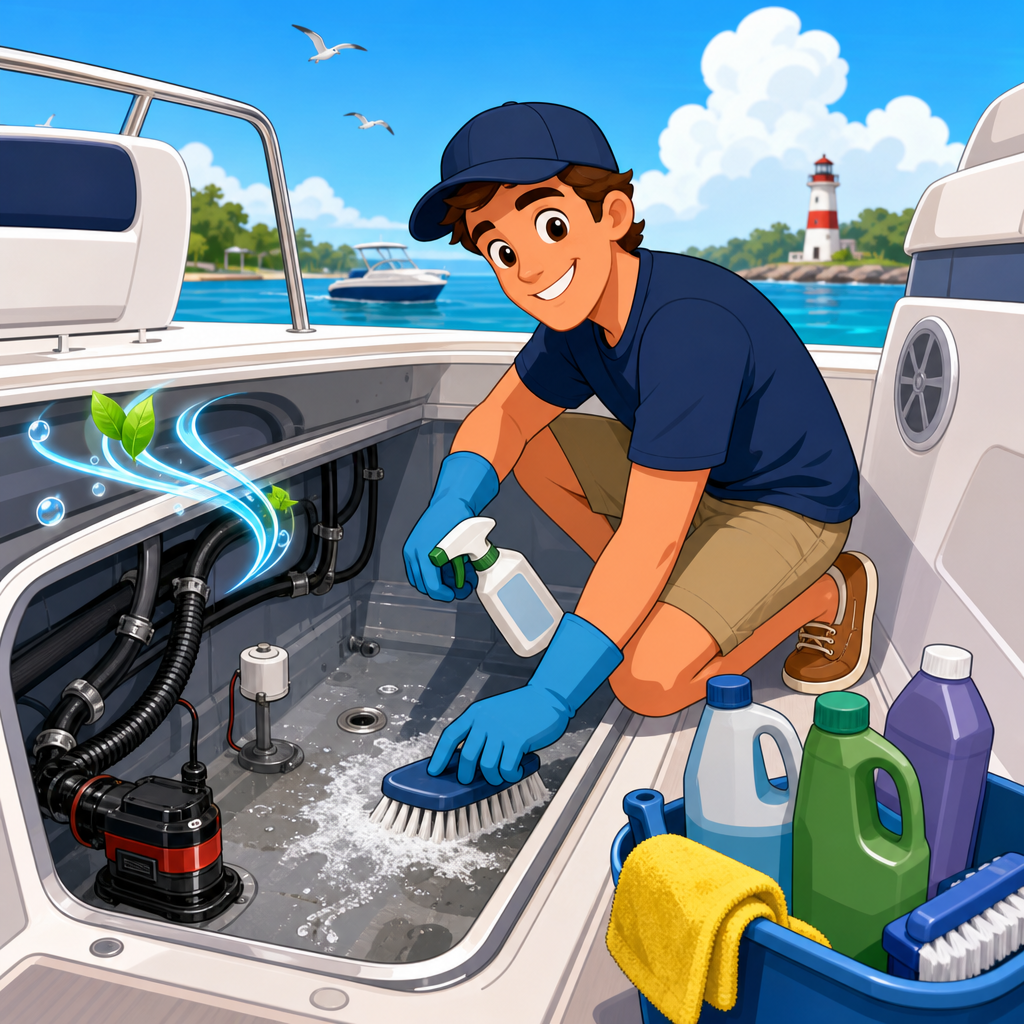
Keeping a bilge clean is one of the fastest ways to make a boat safer, less smelly, and easier to maintain. The best bilge cleaners remove oil residue, loosen sludge, neutralize odor-causing bacteria, and help owners spot leaks before grime hides them. In practical terms, a bilge cleaner is a marine-safe cleaning product designed for the lowest compartment of a boat, where water, fuel traces, engine drips, soap residue, and organic debris collect. Because that space sits out of sight, many owners ignore it until a sour smell rises into the cabin or an oily sheen appears in the pump discharge.
Bilge cleaning matters for three reasons. First, odor control: trapped moisture and organic film create ideal conditions for bacterial growth, especially in warm weather. Second, safety: a dirty bilge can conceal fuel leaks, coolant seepage, loose hose clamps, or standing water that threatens electrical systems. Third, environmental compliance: discharging oily bilge water is illegal in many waters, and responsible maintenance reduces the chance of contamination. I have cleaned bilges in trailer boats, center consoles, and inboard cruisers, and the pattern is always the same: boats with routine bilge care smell better, show fewer surprise failures, and are simpler to inspect during the season.
As a hub page for maintenance and cleaning supplies within boating gear and equipment, this guide goes beyond listing products. It explains how bilge cleaners work, which types fit different boats, how to compare formulas, how to use them correctly, and where they fit alongside degreasers, brushes, absorbent pads, wet vacs, and pump maintenance. If you are choosing the best bilge cleaner for odor-free and safe boating, the right answer depends on your bilge material, engine type, drainage setup, and the kind of contamination you deal with most often.
What makes a bilge cleaner effective
An effective bilge cleaner does four jobs at once. It cuts petroleum film, suspends grime so it can be pumped or wiped out, tackles odor at the source, and stays compatible with common marine materials such as fiberglass, gelcoat, painted surfaces, hoses, and pump housings. The strongest products use surfactants to break surface tension, allowing the cleaner to lift oily residue from corners and stringers. Some formulas also include emulsifiers, but owners should understand the tradeoff: an emulsified mixture may look clean while still creating disposal concerns if it contains oil. For that reason, many detailers pair cleaning with absorbent pads before rinsing.
Odor control is equally important. A bilge that smells like rotten water usually contains bacteria feeding on trapped organic matter, fish scales, mildew film, or stagnant gray water. In that case, a cleaner with enzymatic or biological action can outperform a simple degreaser because it reduces the residue that keeps smells returning. On fishing boats, I often use a two-step approach: remove solids manually, then apply a cleaner that can address both oil and organics. That prevents the common mistake of masking odor with fragrance while leaving the source intact.
The best bilge cleaners also rinse with minimal residue. Heavy soap films can increase foaming and attract more grime later. A quality formula should leave the bilge visibly cleaner without making pumps sticky or creating slick walking surfaces around access hatches. Reputable marine brands usually state compatibility with automatic bilge pumps and float switches, which is useful because harsh household cleaners can damage plastics, rubber seals, or wiring insulation over time.
Types of bilge cleaners and when to use each one
Bilge cleaners generally fall into four categories: classic liquid bilge cleaners, degreasing concentrates, enzyme or bacteria-based odor treatments, and heavy-duty oil removers. Liquid bilge cleaners are the all-purpose option for routine maintenance. They are designed to be poured into a damp bilge, sloshed underway or brushed into place, and then removed after they have loosened dirt. Products from Star brite, Sudbury, and MaryKate are well known in this category because they are easy to use for seasonal upkeep.
Degreasing concentrates are better when engine compartments drop visible oil, hydraulic fluid, or diesel soot into the bilge. These formulas are stronger and often need careful dilution. They save time in workboats and older inboards, but they are not always the best stand-alone odor solution because they focus on petroleum residue rather than biological buildup. Enzyme treatments work best for musty smells, stagnant water odors, and organic contamination. They are common on cruisers, sailboats, and liveaboards where humidity and limited ventilation keep a bilge damp for long periods.
Heavy-duty oil removers are the specialized choice after a leak or spill. They should be used with absorbent socks and pads, not as an excuse to flush contamination overboard. If the bilge contains significant fuel or oil, the right first step is containment and manual removal. In service yards, that is standard practice because both law and common sense require preventing discharge. Choosing the category that matches the contamination is the difference between a bilge that stays clean for a month and one that stays clean for a season.
Top bilge cleaner options for odor-free and safe boating
For routine cleaning, Star brite Bilge Cleaner remains one of the most practical choices because it loosens grease and grime without demanding a complicated process. It is widely stocked, works on fiberglass bilges, and fits owners who want a straightforward maintenance product. Sudbury Bilge Cleaner is another dependable option, especially for owners who prefer a low-effort cleaner that can circulate while the boat moves. MaryKate Super Suds Bilge Cleaner has a strong reputation among boat owners dealing with stubborn dirt and lingering mustiness in neglected compartments.
For stronger degreasing, Simple Green Marine and other marine-labeled degreasers can help, provided the label confirms marine compatibility and users follow disposal rules. In engine-room style bilges, I have found concentrated degreasers most useful when paired with a brush, absorbent pads, and a wet vacuum rather than relying on slosh action alone. For odor-heavy boats, enzyme-based products from marine sanitation lines can reduce persistent smells that return after ordinary soap-based cleaning. They are especially useful when a bilge connects indirectly to shower sumps or catches organic debris from deck drains.
No single product is best for every boat. A center console used for offshore fishing may need a grease-cutting cleaner plus odor treatment during summer. A pontoon with minimal engine residue may only need a mild maintenance cleaner. A diesel cruiser often benefits from a staged process: absorb oil, degrease, rinse carefully, dry, then use an odor-control treatment. The best bilge cleaner is the one that matches the contamination profile and allows repeat use without damaging pumps, hoses, or surrounding finishes.
| Cleaner type | Best use case | Main strength | Limitation |
|---|---|---|---|
| Routine liquid bilge cleaner | Seasonal upkeep on fiberglass or gelcoat bilges | Easy application and balanced cleaning | May struggle with severe oil buildup |
| Concentrated marine degreaser | Inboards, engine spaces, oily residue | Strong petroleum-cutting power | Usually needs dilution and manual removal |
| Enzyme or biological odor treatment | Musty, organic, or stagnant-water smells | Targets recurring odor sources | Slower on heavy grease |
| Oil-removal specialty product | After leaks or spill events | Supports containment and cleanup | Not a substitute for absorbent disposal practices |
How to choose the right bilge cleaner for your boat
Start with the source of contamination, not the smell alone. If your bilge has rainbow sheen, black sludge, or visible engine drips, choose a cleaner with degreasing strength. If the bilge looks mostly clean but smells sour or moldy, prioritize odor-control chemistry. Next, consider the bilge layout. Deep narrow bilges under sole panels are hard to scrub, so a cleaner that can circulate and rinse effectively is valuable. Open bilges with easy access allow more aggressive manual cleaning with brushes and vacuums.
Material compatibility matters. Most modern bilges are fiberglass, but many also contain aluminum components, plastic pump bodies, rubber hoses, adhesives, and painted brackets. Avoid household bleach and aggressive solvent cleaners because they can damage finishes, dry out rubber, and create dangerous fumes in enclosed spaces. Label language such as “marine safe,” “biodegradable,” and “non-caustic” is helpful, but it should not replace basic caution. Read whether the product is intended for bilges specifically, because not every all-purpose cleaner is suitable around pumps and confined marine compartments.
Also consider your maintenance rhythm. If you clean monthly during the season, a milder routine cleaner is usually enough. If you only deep-clean before storage and at launch, you may need a stronger product and more tools. Cost per use matters more than bottle price. Concentrates can be economical for larger boats, while ready-to-use formulas save time on smaller vessels. The most efficient setup for many owners is not one product but a kit: bilge cleaner, degreaser, odor treatment, absorbent pads, a stiff brush, microfiber cloths, and a small wet/dry vacuum dedicated to marine cleanup.
How to clean a bilge properly without creating new problems
The correct process begins with ventilation and power awareness. Open hatches, disable ignition sources if fuel fumes are possible, and inspect for active leaks before adding cleaner. Remove loose debris first: leaves, zip ties, bait fragments, and standing solids reduce cleaning efficiency. Next, use absorbent pads to lift free oil. This step is critical because it prevents spreading contamination through the bilge and reduces what must be disposed of later. Only after free oil is removed should you add the cleaner.
Apply the product according to its label. Some work best diluted with warm water, while others are poured directly into a wet bilge. Agitate with a brush in accessible areas, especially around limber holes, pump mounts, and stringer corners where sludge accumulates. On trailer boats, a slight bow-up or bow-down angle can help solution reach problem zones. Let the cleaner dwell long enough to break residue, but do not let it dry into surfaces. Then remove the dirty liquid with a wet vacuum or manual pumping into a proper container if contamination is significant.
Finish by wiping surfaces, checking the pump strainer, and allowing the bilge to dry. Dryness is the most underrated odor-control tool in boating. If water returns quickly after cleaning, investigate the cause: shaft packing drip, leaking livewell plumbing, air-conditioner condensate, deck drain backflow, or failed hose clamps. Cleaning without diagnosis turns bilge maintenance into a cycle of temporary improvement. Cleaning with inspection turns it into preventive maintenance.
How bilge cleaners fit into a complete maintenance and cleaning supplies kit
Because this page serves as a hub for maintenance and cleaning supplies, it helps to place bilge cleaners in the wider system. Bilge care intersects with engine maintenance, deck washing, mold control, corrosion prevention, and storage prep. A well-equipped boat cleaning kit should include marine soap for topsides, a non-skid deck cleaner, a dedicated hull stain remover, a metal protectant, mildew remover, glass cleaner, vinyl protectant, and a bilge-specific cleaner. Each has a separate job, and using the right product prevents damage caused by one-size-fits-all shortcuts.
Bilge cleaning also relies on tools, not just chemistry. Long-handled brushes, flexible detailing brushes, absorbent socks, nitrile gloves, a headlamp, and a compact wet vac make the work faster and more thorough. I strongly recommend keeping oil-only absorbent pads aboard, because they are useful not just during cleaning but also when a minor leak starts between service intervals. For owners building out a full maintenance system, this hub topic naturally connects to guides on marine degreasers, boat soaps, mildew removers, bilge pumps, float switch inspection, and winterization supplies.
The broader lesson is simple: the best bilge cleaner delivers the greatest value when it is part of a consistent routine. Clean bilges support reliable pumps, easier troubleshooting, better onboard air quality, and cleaner storage conditions. They also make surveys, resale prep, and service appointments go more smoothly because technicians can inspect systems without digging through sludge or odor. Good cleaning supplies are not cosmetic purchases; they are operational tools.
Common mistakes boat owners make with bilge cleaning
The most common mistake is using household cleaners that are too harsh, too foamy, or chemically wrong for a marine environment. Bleach is a frequent offender. It may kill some odor-causing organisms temporarily, but it can attack materials, create fumes, and does nothing for free oil. Another mistake is pumping dirty bilge water overboard after “cleaning” it. Cleaner does not erase contamination. If oil or fuel is present, absorb and dispose of waste correctly. Regulations vary by area, but the principle does not: keep pollutants out of the water.
Owners also underestimate hidden sources of repeat odor. A bilge may smell dirty because a fish box drains poorly, a shower sump overflows, deck scuppers backfeed, or wet foam under flooring stays saturated. In those cases, the best cleaner in the world only treats symptoms. Finally, many people clean the visible center of the bilge and miss side channels, limber holes, and the pump strainer basket. Those overlooked spots are where odor and sludge often begin.
Choose a bilge cleaner based on contamination, use it with absorbents and proper removal, and treat bilge care as routine maintenance rather than an emergency response. If you want an odor-free and safer boat, inspect your bilge this week, build a simple cleaning kit, and put the right marine cleaner to work before the next trip.
Frequently Asked Questions
What does a bilge cleaner actually do, and why is it so important for odor-free and safe boating?
A bilge cleaner is a marine-formulated cleaning product designed to break down the grime that collects in the lowest part of a boat. That grime often includes oil residue, fuel traces, engine drips, soap film, stagnant water buildup, and organic debris. Left alone, this mixture can create strong odors, encourage bacterial growth, and hide developing issues such as leaking hoses, loose fittings, or slow drips from mechanical systems. A good bilge cleaner loosens sludge, emulsifies oily residue so it can be removed properly, and helps eliminate the source of bad smells rather than simply masking them.
From a safety standpoint, a clean bilge matters more than many boat owners realize. Heavy grime can conceal leaks that would otherwise be easy to spot. It can also make routine inspections harder, allowing small maintenance problems to turn into costly repairs. In some cases, oily buildup may even contribute to a more hazardous environment by increasing fumes or making adjacent surfaces slippery during maintenance. Keeping the bilge clean improves visibility, makes inspections faster, and supports a healthier onboard environment. In short, the best bilge cleaners do more than freshen the boat—they help owners maintain a cleaner, safer, and more manageable vessel.
What should I look for when choosing the best bilge cleaner for my boat?
The best bilge cleaner for your boat should be effective on the types of contamination your bilge actually collects. Most owners need a formula that can cut through oil film, loosen sludge, and reduce odor caused by moisture and bacteria. Look for a marine-safe product specifically labeled for bilge use rather than a household degreaser. Bilge compartments often contain sensitive materials, pumps, hoses, wiring, fiberglass surfaces, and finishes that may not react well to harsh non-marine chemicals. A purpose-built cleaner is usually the safest choice for regular use.
It also helps to choose a cleaner that is easy to apply. Some products are pour-in formulas that work while the boat moves, allowing the cleaner to slosh around and reach tight spaces. Others are spray or scrub formulas better suited for targeted cleaning when access is easier. If odor is your main concern, prioritize a cleaner that addresses organic residue and odor-causing bacteria instead of one that only dissolves grease. If oily contamination is frequent, such as on boats with inboard engines or older mechanical systems, choose a formula with strong degreasing performance.
Another important factor is environmental responsibility. Since bilge cleaning can involve contaminated water, it is wise to select products that are designed with marine use and proper disposal practices in mind. Even with biodegradable formulas, owners should always follow local regulations and avoid discharging oily wastewater overboard. Finally, consider reputation and consistency. Trusted marine brands often provide clearer instructions, better performance data, and more predictable results, which matters when you are cleaning a hard-to-see space that plays a major role in boat maintenance.
How often should I clean my bilge, and what are the signs that it needs attention right away?
There is no single cleaning schedule that fits every boat, because bilge conditions depend on how often the boat is used, where it is stored, the type of engine and plumbing systems onboard, and how much moisture or debris enters the compartment. As a general rule, the bilge should be inspected frequently and cleaned as soon as residue begins to build up. For active boaters, a light inspection after outings and a more thorough cleaning at regular intervals during the season is a smart habit. Boats used for fishing, cruising, or extended trips often need more attention because they are more likely to accumulate water, bait residue, soap runoff, or engine-related grime.
Several signs indicate the bilge needs immediate cleaning. The most obvious is odor. If the boat smells musty, sour, oily, or generally unpleasant, the bilge is a likely source. Visible sludge, rainbow sheen, dark staining, or standing dirty water are also clear warning signs. An increase in bilge pump activity can suggest water is entering the area more often than normal, and a dirty bilge can make it difficult to identify where that water is coming from. If you notice greasy residue around hoses, fittings, or the pump itself, it is time to clean and inspect the area carefully.
Seasonal transitions are another important time to clean. Many owners clean the bilge before launch, during mid-season maintenance, and again before storage. This helps prevent odor from developing during periods of inactivity and reduces the chance that grime hardens over time. The key is not waiting until the smell becomes severe or the buildup becomes thick. Frequent, lighter cleaning is usually easier, more effective, and better for long-term boat care than occasional deep cleaning after months of neglect.
Can I use household cleaners or degreasers in the bilge, or do I need a marine-specific product?
It is best to use a marine-specific bilge cleaner rather than a general household cleaner. Household products may seem convenient, but they are not usually designed for the unique mix of oil residue, fuel traces, stagnant moisture, and confined marine spaces found in a bilge. Some can be too harsh for hoses, rubber components, plastics, fiberglass, paint, or pump parts. Others may create excessive foam, leave behind residue, or fail to deal effectively with the oily and organic contamination that causes persistent bilge odor.
Marine bilge cleaners are formulated for the job. They are typically better at suspending grime that collects in this area, and they are often designed with boat materials and marine maintenance practices in mind. That does not mean every marine cleaner is identical, but it does mean you are more likely to get effective cleaning without introducing unnecessary risks to onboard systems. Bilge compartments are not just dirty spaces; they are functional areas that often contain critical mechanical and electrical components. Choosing the wrong cleaner can make maintenance harder rather than easier.
There is also the issue of responsible disposal. Bilge waste may contain petroleum residue and other contaminants, so boat owners should always remove and dispose of wastewater according to marina rules and local environmental regulations. A marine-specific cleaner supports that process better than an improvised cleaning solution. If you are serious about keeping the boat safe, reducing odor, and protecting equipment, a dedicated bilge cleaner is the more reliable and more professional choice.
What is the best way to clean a bilge properly and keep odors from coming back?
The best approach starts with inspection. Before adding any cleaner, look into the bilge carefully and identify what is there: standing water, oily sheen, sludge, debris, or signs of an active leak. Remove loose debris first so the cleaner can reach the surfaces that actually need treatment. If there is a significant amount of contaminated water, pump or absorb it out and dispose of it properly before beginning a deeper cleaning. Once the area is ready, apply the bilge cleaner according to the product directions. Some formulas are meant to be diluted, some are used full strength, and some are intended to sit in the bilge while the boat moves so they can work into corners and low spots.
For heavier buildup, scrubbing accessible surfaces with a brush or pad can make a major difference. Let the cleaner dwell long enough to break down the film and sludge, then rinse or wipe out the loosened contamination as directed. The goal is not just to make the bilge look cleaner, but to remove the material that feeds odor and hides maintenance problems. After cleaning, inspect the area again. A newly cleaned bilge makes it much easier to spot fresh oil drips, water intrusion, cracked hoses, or loose clamps that may have been hidden before.
To keep odors from returning, focus on prevention as much as cleaning. Fix leaks promptly, keep the bilge as dry as possible, and avoid letting soap residue, fuel drips, fish waste, or general debris accumulate. Good ventilation helps, and regular inspections prevent small issues from becoming smelly ones. Many persistent bilge odors are not caused by a one-time mess, but by repeated moisture and residue buildup in a neglected space. The owners who maintain the cleanest, safest bilges are usually the ones who make inspection and light cleaning part of their routine, instead of treating the bilge only when the smell becomes impossible to ignore.