
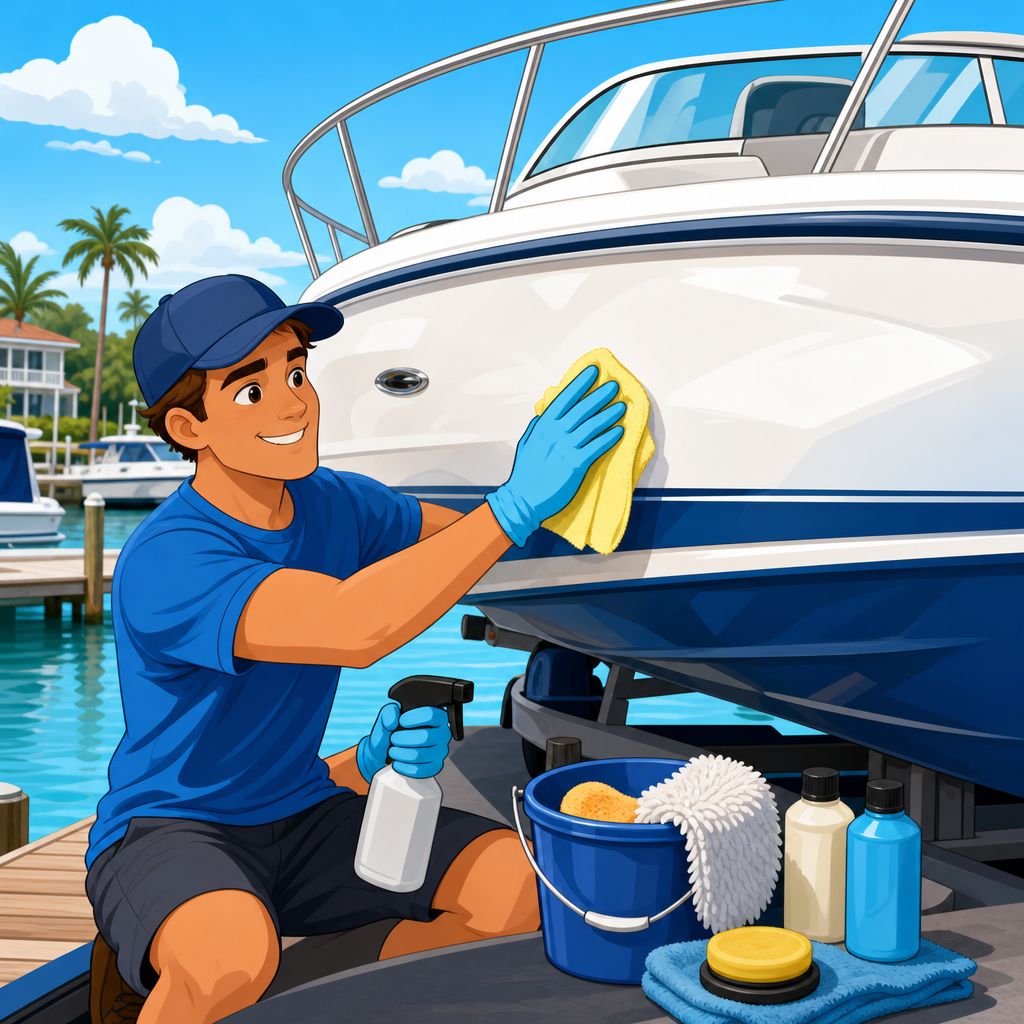
Boat gelcoat and fiberglass maintenance protects appearance, preserves hull strength, and prevents small surface defects from turning into expensive structural repairs. In practical terms, gelcoat is the thin pigmented resin layer molded over fiberglass-reinforced plastic, while fiberglass is the underlying composite made from glass fibers bonded with resin. Owners often use the terms interchangeably, but they serve different functions: gelcoat provides color, gloss, and weather protection, and fiberglass supplies shape and structural integrity. Knowing that distinction changes how you clean, polish, repair, and store a boat.
This topic matters because boats live in a punishing environment. Ultraviolet radiation oxidizes exposed gelcoat, salt crystals trap moisture, hard water leaves mineral stains, fuel can soften some finishes, and repeated flexing opens hairline cracks around fittings, cleats, and hatches. I have seen neglected chalky topsides require full wet-sanding and compounding that cost far more in labor than the owner would have spent on routine washing, sealant, and spot repair. Good maintenance is not cosmetic vanity; it extends service life, supports resale value, and helps owners spot leaks, delamination, and impact damage early.
As the hub for maintenance and cleaning supplies, this guide explains what to use, what to avoid, how often to perform each task, and when a surface issue points to a deeper fiberglass problem. It also connects the everyday jobs of washing and waxing to bigger outcomes such as preventing osmotic blistering, limiting stain absorption, reducing drag, and keeping hardware bedding watertight. If you want a simple rule, it is this: clean gently, protect regularly, inspect methodically, and repair promptly before water reaches exposed laminate.
Understand What Gelcoat and Fiberglass Need
Gelcoat is harder than automotive paint but more porous and more vulnerable to oxidation over time. Once the surface oxidizes, it turns chalky, loses gloss, and releases pigment onto a rag. Fiberglass laminate beneath it is strong, but strength depends on keeping water out and avoiding impact damage that breaks fibers or resin bonds. A maintenance plan must therefore do two jobs at once: preserve the gelcoat barrier and identify any breach that exposes laminate, core material, or fastener holes.
On most recreational boats, the maintenance cycle is influenced by storage and use pattern. A trailered freshwater bowrider may need seasonal decontamination and a protective wax twice a year. A dark-colored center console stored outside in Florida sun may need washing after every outing, spot treatment for salt film, and polymer protection every eight to ten weeks. A cruising sailboat with a waterline stain and deck hardware loads needs special attention around chainplates, stanchions, hatches, and non-skid. Conditions drive the schedule more than the calendar.
The safest mindset is to start with the least aggressive method. Use pH-balanced boat soap before acidic stain removers. Try a finishing polish before reaching for heavy compound. Remove rust with a targeted oxalic or phosphoric formula rather than household bleach. Harsh cleaners may produce a quick visual improvement, but they also strip wax, dull gloss, and can attack decals, caulking, and anodized metal. For owners building a complete kit, the essentials are boat soap, wash mitts, microfiber drying towels, soft and medium brushes, non-skid cleaner, oxidation remover or compound, finishing polish, marine wax or sealant, acetone for limited repair prep, masking tape, wet-sanding paper, gelcoat repair paste, and personal protective equipment.
Build a Practical Cleaning Routine
Routine washing is the foundation of boat gelcoat care because contaminants become harder to remove the longer they remain on the surface. Salt attracts moisture, bird droppings etch finishes, fish blood stains porous areas, and black streaks from rub rails and scuppers sink into oxidized gelcoat. The correct wash process is simple: rinse first, wash from top down with a dedicated marine soap, use separate tools for hull and bilge areas, rinse thoroughly, and dry to prevent spotting. Two-bucket washing with grit guards is worth adopting because trapped sand causes fine scratching that becomes visible on darker hulls.
Cleaning frequency should match exposure. Boats kept in slips generally need a freshwater rinse after every trip and a full wash at least every two weeks during active season. Trailer boats used occasionally can be washed after each outing and given a more detailed cleaning before storage. Non-skid needs different treatment from glossy gelcoat; use a stiffer deck brush and a cleaner formulated to lift embedded grime without leaving slippery residue. Avoid silicone-heavy household products on walking surfaces because they can create a genuine slip hazard.
Waterline stains, rust streaks, and tannin discoloration should be treated as specific problems, not scrubbed indiscriminately. Oxalic acid products work well on yellow-brown waterline staining and many organic marks. Rust removers formulated for marine fiberglass are effective around anchor lockers, rails, and fasteners. Always test in a small area, protect nearby metals when required by the label, and rewash after stain treatment. In my experience, owners damage surfaces most often not by failing to clean, but by attacking one isolated stain with the wrong brush, the wrong solvent, or far too much pressure.
| Task | Recommended Supply | Typical Frequency | Key Caution |
|---|---|---|---|
| General wash | pH-balanced boat soap, microfiber mitt | After outings or biweekly in-season | Do not use dish soap routinely; it strips protection |
| Non-skid cleaning | Non-skid deck cleaner, medium brush | Monthly or as needed | Avoid glossy protectants on walking surfaces |
| Waterline stain removal | Oxalic-based hull cleaner | As stains appear | Follow dwell time; overuse can affect nearby finishes |
| Oxidation correction | Compound or oxidation remover with buffer | Seasonally or when chalking appears | Use least aggressive pad and product first |
| Protection | Marine wax or polymer sealant | Every 2 to 6 months | Surface must be clean and dry for bonding |
| Scratch and chip repair | Color-matched gelcoat repair kit | Promptly after damage | Seal exposed laminate before water intrusion starts |
Restore Oxidized Gelcoat Without Removing Too Much Material
Oxidation removal is where many owners either transform a boat or unintentionally thin the finish. The goal is to remove dead surface material while preserving as much original gelcoat thickness as possible. Start by evaluating severity. Light oxidation shows reduced gloss but little chalk transfer; a one-step cleaner wax or finishing polish may restore it. Moderate oxidation usually requires a dedicated compound and machine polishing. Heavy oxidation, common on neglected white hulls and colored topsides, may require wet-sanding with 1000 to 2000 grit before compounding and polishing.
A dual-action polisher is the safest machine for most owners because it reduces the risk of swirl marks and heat buildup. A rotary buffer cuts faster and is standard in professional detailing, but it can burn edges, grab around fittings, and leave holograms if used poorly. Pair pad choice to product and defect level: wool or heavy-cut foam for severe oxidation, polishing foam for refinement, and finishing foam for sealant-ready gloss. Keep the pad clean, work manageable sections, and mask textured trim, decals, and sharp corners. The result should be uniform gloss, not isolated shiny circles.
Wet-sanding deserves caution. It is effective for leveling deep oxidation, orange peel in repairs, and isolated scratches, but every pass removes material. Use plenty of clean water, a backing block on flat areas, and the finest grit that will achieve the correction. If a scratch catches a fingernail, it may be too deep to remove safely without compromising gelcoat thickness. In that case, improve rather than chase perfection. The same applies to crazing. Fine spider cracks around stressed hardware sometimes indicate underlying movement; polishing can improve appearance, but it does not fix the cause.
Protect the Surface With Wax, Sealants, and Smart Storage
Once gelcoat is clean and corrected, protection determines how long the finish lasts. Traditional carnauba-based marine wax still performs well, especially on lighter hulls that receive regular upkeep. Polymer sealants generally last longer, resist detergent wash-off better, and hold gloss well in high-UV regions. Ceramic spray products have entered the market, but results vary widely by formulation, and many require meticulous prep to outperform a good marine sealant. For most owners, the best answer is not the most fashionable chemistry; it is the product they will apply correctly on schedule.
Application matters as much as product selection. Work on a cool surface out of direct sun, apply thin even coats, and allow proper cure or haze time according to the manufacturer. Thick coats waste product and make removal harder without improving durability. On boats that stay in the water, focus extra attention on topsides, transoms, and areas under rod holders or fuel fills where staining starts. Do not wax non-skid unless the product specifically states it is safe for textured walking surfaces. A dedicated non-skid protectant can make later cleaning easier without making the deck slick.
Storage extends the life of any protective coating. A well-fitted breathable cover reduces ultraviolet degradation, bird fouling, and standing dirt. It also limits black streaks caused by runoff patterns. However, poor covers can chafe gelcoat at windshield corners, cleats, and tower legs, so reinforcement patches and proper support poles matter. Indoor storage offers the best finish preservation, but even outdoors, simple habits help: remove leaves promptly, keep scuppers clear, tilt the trailer for drainage, and avoid trapping moisture under tarps. Protection is a system, not just a product in a bottle.
Handle Scratches, Chips, Cracks, and Blisters the Right Way
Small chips and scratches should be repaired quickly because exposed laminate can wick water and discolor. A proper gelcoat repair starts with cleaning and degreasing, opening damaged edges slightly if needed, matching color, applying catalyzed gelcoat or repair paste, allowing full cure, then sanding and polishing flush. Color match is often the hardest part because aging and oxidation shift the original tone. Many boatbuilders offer factory repair colors, and that is usually worth seeking out for visible areas like transoms and topsides.
Not every crack is cosmetic. Hairline cracks radiating from cleats, hinges, T-top bases, and stanchions often reflect localized stress, inadequate backing plates, or water-damaged core. If a crack returns after cosmetic filling, investigate the hardware bedding and substrate beneath it. Tap testing with a plastic hammer, moisture meter readings, and fastener inspection can reveal whether the issue is movement or moisture intrusion. For deck fittings, rebedding with butyl tape or marine sealant after drying and reinforcement is often the real fix. Surface filler alone is only a temporary disguise.
Blisters below the waterline require clear-eyed assessment. Small isolated blisters in older polyester boats can be monitored and repaired during haul-out by grinding, drying, filling with epoxy fairing compound, and recoating. Widespread osmotic blistering is more serious and may justify peeling, long-term drying, and an epoxy barrier system. Products from Interlux, Pettit, and West System are common in this workflow. The key point is that fiberglass hull maintenance is not only about shine above the rub rail. Moisture management below the waterline is part of preserving the entire composite structure.
Create a Maintenance Supply Hub and Seasonal Plan
A well-organized supply system makes maintenance consistent. Keep washing supplies separate from polishing supplies so grit from deck brushes never touches finishing pads. Label compounds by cut level, store microfiber towels clean and dry, and replace pads when they harden or load up. Stock nitrile gloves, eye protection, respirators for sanding dust and solvents, mixing cups, spreaders, and painter’s tape. For emergency touch-ups, carry a basic repair kit with matching gelcoat paste, catalyst, abrasive paper, and solvent wipes. Prepared owners handle damage sooner, which is almost always cheaper.
Seasonal planning prevents the feast-or-famine pattern where nothing happens for months and then one exhausting detail weekend tries to solve everything. In spring, wash, decontaminate, inspect hardware bedding, correct oxidation, and apply protection. Midseason, maintain with routine washes, spot stain removal, and a topper coat if gloss starts falling off. During haul-out or winter layup, clean thoroughly, inspect through-hulls and transom penetrations, repair chips, and cover the boat correctly. Keep a simple log of products used and dates applied. That record helps you evaluate which wax, sealant, or cleaner actually performed in your climate.
Maintaining your boat’s gelcoat and fiberglass is ultimately about preserving the barrier that protects the laminate and the finish that protects your investment. Clean gently, remove stains with targeted products, correct oxidation conservatively, apply durable protection, and treat chips or cracks as opportunities to stop water intrusion early. The biggest benefit is not just a glossy hull at the dock; it is fewer expensive repairs, easier future cleaning, and more confidence that your boat is structurally sound where it matters most.
Use this hub as the starting point for every maintenance and cleaning supply decision in your boating gear and equipment plan. Build a kit that matches your boat, water conditions, and storage method, then follow a repeatable schedule instead of reacting to damage after it spreads. If you have been putting off gelcoat care, start with a thorough wash and inspection this week. One disciplined maintenance session can reveal exactly what your boat needs next.
Frequently Asked Questions
What is the difference between gelcoat and fiberglass on a boat?
Gelcoat and fiberglass are closely related, but they are not the same thing. Gelcoat is the thin, outermost pigmented resin layer applied to the mold before the fiberglass laminate is laid up during manufacturing. Its job is to provide the boat’s color, gloss, and a smooth protective finish that stands up to sun, water, and everyday exposure. Fiberglass, by contrast, is the structural composite underneath. It is made from woven or chopped glass fibers saturated with resin, and it gives the hull, deck, and other components their strength and shape.
This distinction matters because maintenance and repairs are not handled the same way. If your boat has oxidation, chalkiness, light scratches, or minor cosmetic chips, those are usually gelcoat issues. They often can be corrected with washing, compounding, polishing, waxing, or small gelcoat repairs. If you see cracking that goes beyond the surface, softness in the laminate, moisture intrusion, delamination, or impact damage, the problem may involve the fiberglass structure beneath the gelcoat. In other words, gelcoat protects and beautifies the boat, while fiberglass provides the backbone. Knowing which layer is affected helps you choose the right maintenance routine and avoid letting a small surface issue turn into a larger structural problem.
How often should I clean, polish, and protect my boat’s gelcoat?
The right schedule depends on where and how you use the boat, but most owners should wash the boat after each use or at least very regularly, especially if it is exposed to saltwater, heavy sun, or pollution. Salt deposits, grime, bird droppings, fuel residue, and organic growth can all dull the finish and slowly break down surface protection if left in place. Routine washing with a boat-specific soap and a soft brush or microfiber mitt helps preserve the gelcoat without stripping protective coatings.
Polishing and protecting the gelcoat usually happens less frequently than washing. In many climates, a thorough polishing and wax or sealant application every three to six months is a practical baseline for boats stored outside. Boats kept under cover or used less often may need full exterior polishing only once or twice a year, while boats in harsh sun, tropical heat, or salt-heavy conditions may need attention more often. If the surface starts to look chalky, loses water beading, or feels rough, it is time to restore and protect it again.
It is also important to match the product and process to the condition of the finish. A newer or well-kept boat may only need a light polish followed by a marine wax or polymer sealant. Oxidized gelcoat may require a rubbing compound first to remove dead surface material, then a finer polish to restore gloss, and finally a protectant to slow future oxidation. The key is consistency. Frequent gentle care is far better than waiting until the surface is badly weathered, because neglected gelcoat takes more aggressive correction and can gradually wear thinner over time.
What causes oxidation, fading, and chalkiness in gelcoat, and how can I prevent it?
Oxidation happens when gelcoat is exposed to ultraviolet light, oxygen, heat, water, and environmental contaminants over time. The surface resin slowly degrades, losing its deep color and glossy finish. As this breakdown progresses, the surface can become dull, faded, and powdery or chalky to the touch. Dark-colored hulls often show fading more dramatically, but all gelcoat can oxidize if it is left unprotected. Boats stored outdoors year-round, especially in sunny or coastal environments, are particularly vulnerable.
Prevention starts with reducing environmental exposure as much as possible. Keeping the boat covered, stored indoors, or at least shaded when not in use can significantly slow UV damage. Regular washing removes salt, dirt, and pollutants that sit on the surface and accelerate wear. After cleaning, applying a marine wax or synthetic sealant adds a sacrificial barrier that helps protect the gelcoat from sun and contamination. That protective layer is not permanent, so it needs to be renewed on a consistent schedule.
Once oxidation has started, the solution depends on severity. Light oxidation may respond well to a quality polish, while moderate to heavy oxidation often requires a rubbing compound before polishing. Using the least aggressive product that gets the job done is best, because every corrective step removes a small amount of surface material. Prevention is ultimately the smartest strategy. A boat that is washed regularly, protected from prolonged UV exposure, and sealed several times a year will hold its gloss longer and require less aggressive restoration.
How should I repair small chips, scratches, and spider cracks in gelcoat before they get worse?
Small defects in gelcoat should be addressed early because even cosmetic damage can allow water intrusion, staining, and further deterioration if ignored. Minor surface scratches may only need wet sanding, polishing, and re-protection, while deeper scratches, chips, or gouges usually need a gelcoat repair compound or color-matched patch material. The basic process is to clean and degrease the area thoroughly, remove any loose or damaged material, lightly bevel or feather the edges if needed, apply the repair product according to the manufacturer’s directions, allow it to cure fully, then sand, polish, and blend it back into the surrounding finish.
Spider cracks deserve a closer look because they can be purely cosmetic or they can indicate stress in the underlying structure. Very fine surface crazing around hardware, corners, or impact points is often limited to the gelcoat, but repeated cracking in the same area may suggest movement, poor support, or hidden laminate issues underneath. If cracks are widespread, growing, or located near high-load areas such as cleats, transoms, stringers, or deck fittings, it is wise to inspect the substrate carefully before treating the damage as a simple surface repair.
The most common mistake is sealing over damage without preparing the area properly. Dirt, wax, moisture, and oxidation can all interfere with adhesion and make the repair fail prematurely. Another mistake is ignoring color match and finishing steps, which can leave a visible patch and uneven texture. For small repairs, patience matters more than speed. Careful prep, correct cure time, and gradual sanding and polishing produce better, longer-lasting results. If the damage extends into the fiberglass laminate or you notice softness, flexing, or moisture, professional repair is the safer route.
When is gelcoat maintenance enough, and when do I need professional fiberglass repair?
Gelcoat maintenance is generally enough when the issue is limited to the outer finish. That includes oxidation, staining, water spots, light scratches, minor chips, and small areas of surface crazing that do not involve structural movement or exposed laminate. In these cases, washing, compounding, polishing, sealing, and localized gelcoat repair can restore appearance and preserve protection. These are common maintenance tasks that help keep the hull looking good and prevent minor flaws from becoming bigger problems.
Professional fiberglass repair becomes important when there are signs that the damage goes below the cosmetic layer. Warning signs include deep cracks that continue through the laminate, exposed fiberglass fibers, soft spots underfoot, bubbling or delamination, impact damage, water intrusion, or recurring cracks around hardware and stressed areas. These symptoms can indicate compromised structural integrity, not just a finish issue. A fiberglass laminate problem may require grinding, drying, rebuilding with cloth and resin, fairing, and refinishing—work that must be done correctly to restore both strength and appearance.
If you are unsure, do a careful inspection before assuming it is only cosmetic. Press gently around the damaged area and look for unusual flexing, hollow sounds when tapped, moisture staining, or spreading cracks. Also consider the location of the damage. Cosmetic blemishes on a flat topside panel are very different from cracking near the keel, transom, stringer system, or deck hardware. A good rule is this: if the problem affects only gloss and color, maintenance may be enough; if it affects strength, stiffness, or watertight integrity, bring in a qualified marine repair professional. Acting early can prevent a manageable repair from turning into a much more expensive restoration.