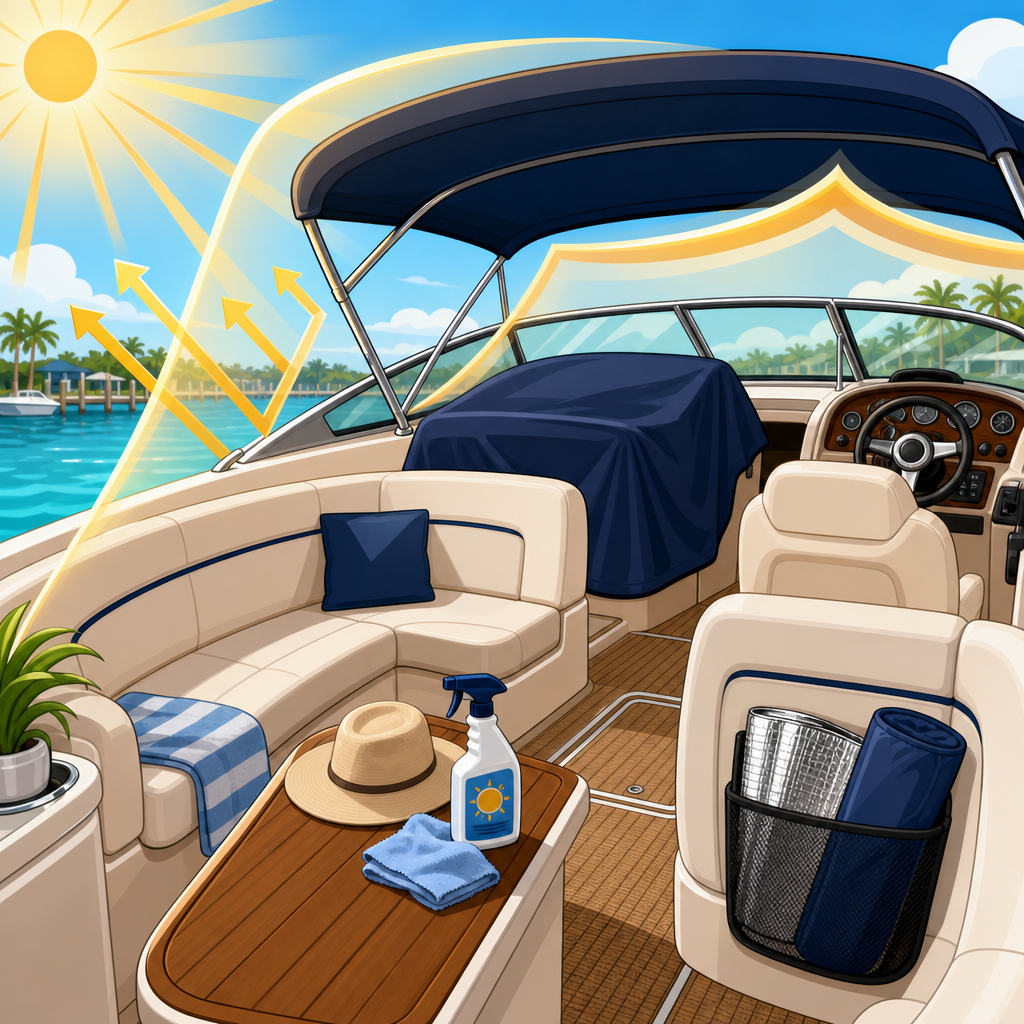
How to protect your boat’s interior from UV damage starts with understanding what sunlight does inside a vessel. Ultraviolet radiation breaks down vinyl, fades fabric, dries out leather, chalks plastics, and weakens stitching long before obvious cracks appear. Heat amplifies the problem by accelerating oxidation and pulling plasticizers out of seats, bolsters, dashboards, and trim. In practical terms, a cockpit left uncovered through one summer can lose color, flexibility, and resale value faster than most owners expect.
In my experience maintaining runabouts, center consoles, and cruising sailboats, interior UV damage is one of the most preventable forms of wear. It matters because replacement upholstery, enclosure panels, and helm components are expensive, often backordered, and labor intensive to install. Good prevention also improves comfort, keeps surfaces cooler to the touch, and reduces cleaning time because protected materials shed dirt and sunscreen residue more easily.
This guide serves as a hub for boating gear and equipment focused on maintenance and cleaning supplies. It explains which interior materials are vulnerable, which protectants and cleaners actually help, how to build a practical routine, and where common mistakes cause hidden damage. If you want your boat’s interior to look newer for longer, these are the methods that consistently work.
What UV damage looks like and which interior materials fail first
UV damage is not a single symptom. On marine vinyl, it usually begins as fading, a dry feel, and loss of stretch. Then seams tighten, the surface becomes brittle, and small splits appear where passengers step or brace themselves. On acrylic and polyester fabrics, color loss shows first, followed by weakened fibers and reduced water repellency. Clear vinyl curtains haze and yellow as plasticizers migrate out. Plastics around the helm can become chalky, while rubber gaskets and foam-backed materials harden and shrink.
The reason these failures happen is material chemistry. UV radiation breaks polymer chains. Salt, airborne pollution, sunscreen oils, and moisture then compound the degradation. Interiors on open boats suffer most because they receive direct exposure plus reflected light from water, gelcoat, and stainless hardware. Boats stored under partial cover still see damage on seat tops, coamings, and helm faces because those surfaces sit at the highest angle to the sun.
Different materials need different care. Marine vinyl usually tolerates gentle soap cleaning and a dedicated UV protectant. Leather needs a marine-safe conditioner with UV screening and low residue. Woven upholstery benefits from fabric-specific protectors that do not leave stiff films. Polycarbonate and acrylic gauge lenses require non-ammonia cleaners and microfiber only. Knowing the substrate is essential because the wrong product can strip coatings, attract dirt, or accelerate cracking.
The maintenance and cleaning supplies that matter most
If you are building a maintenance kit for interior UV protection, prioritize a small set of proven supplies over a shelf full of random dressings. The essentials are a pH-neutral marine soap, a dedicated vinyl cleaner, a UV protectant designed for marine upholstery, microfiber towels, a soft interior brush, a fabric guard for canvas or cushions, and a clear-plastic cleaner for enclosure panels and instrument lenses. For spot treatment, keep a mildew remover safe for marine fabrics and an isopropyl alcohol solution only where a manufacturer explicitly allows it.
I have had the best long-term results using product categories rather than chasing miracle formulas. For vinyl and plastic trim, marine protectants from brands such as 303, Star brite, and Meguiar’s Marine are widely trusted because they focus on UV screening without the greasy finish common in automotive tire dressings. For clear curtains, products made specifically for Eisenglass, Strataglass, or similar clear vinyl preserve visibility and reduce scratching. For cleaning fabrics, mild boat soap or textile-specific cleaners outperform strong degreasers, which can leave materials dry and vulnerable.
Avoid silicone-heavy shine products unless the manufacturer specifically recommends them for your interior. They can create slick seating, attract dust, interfere with future repairs, and leave a patchy gloss that looks clean for a day but ages poorly. Harsh household cleaners are another frequent mistake. Bleach can weaken stitching, ammonia can cloud clear plastics, and abrasive pads can permanently scar vinyl grain and helm surfaces.
How to clean before applying UV protection
Protection only works when the surface is truly clean. Dirt, body oils, fish slime, sunscreen, and salt crystals block even coverage and trap contaminants under the protectant layer. Start by vacuuming seams and crevices with a soft brush attachment. Then wash interior surfaces with fresh water and a diluted pH-neutral marine soap. Use one microfiber towel for washing and another for drying so contaminants are not spread back onto the surface.
For vinyl seats, spray cleaner onto the towel or brush rather than flooding seams. Agitate lightly in circles, especially on seat tops, leaning post edges, and backrests where sunscreen and sweat accumulate. Rinse with a damp towel, then dry thoroughly. If mildew is present, treat it carefully and follow label dwell times exactly. Over-scrubbing can remove top coatings from vinyl before the mildew stain disappears, leaving the material weaker than before.
Clear panels and glossy instrument covers need even more care. Rinse first to float away grit, then use a cleaner made for marine clear vinyl, acrylic, or polycarbonate as appropriate. Wipe in straight lines with a clean microfiber. Circular rubbing tends to make fine scratches more visible in bright light. Let every surface dry completely before applying UV protection, because moisture trapped under a dressing can create streaking and uneven performance.
A practical protection routine for seats, trim, and fabrics
The most effective approach is scheduled reapplication based on exposure, not on the calendar alone. A trailered boat stored indoors may need a full interior protectant treatment every six to eight weeks during active season. A boat on a lift in Florida, Texas, Arizona, or other high-UV regions may need attention every two to four weeks on the most exposed surfaces. High-touch areas such as captain’s chairs, sun pads, and coaming bolsters should always be checked more often than shaded cabin cushions.
Apply protectant sparingly. Saturating the surface wastes product and often leaves streaks. Put the product on a microfiber applicator, spread a thin even coat, allow it to haze if directed, then buff lightly. The goal is a uniform protective film, not a wet shine. Fabrics need a different method: clean first, ensure complete dryness, then spray an even mist from the specified distance so the protector bonds without spotting.
| Interior surface | Best supply type | Typical reapplication interval | Key caution |
|---|---|---|---|
| Marine vinyl seats | Marine UV protectant | 2 to 8 weeks depending on exposure | Do not use greasy automotive dressings |
| Woven cushions and canvas | Fabric guard | Every 2 to 3 months or after deep cleaning | Apply only to fully dry fabric |
| Clear vinyl curtains | Clear-panel polish and protectant | Monthly in full sun | Never use ammonia or paper towels |
| Helm plastics and trim | Plastic-safe UV protectant | Monthly | Avoid overspray on gauges and screens |
| Leather seating accents | Marine leather conditioner with UV inhibitors | Every 1 to 2 months | Test first on a hidden area |
One overlooked detail is seam protection. Thread and welting often fail before the seat face does. When I inspect aging interiors, I pay close attention to stitching color, fuzzing, and tightness around corners. If the thread is already compromised, protectants help but will not reverse the damage. That is the point to schedule repair before a small seam split becomes a torn panel.
Shading, covers, and storage habits that reduce exposure
Products alone are not enough. The biggest gains come from reducing direct exposure hours. A well-fitted mooring cover is the most effective defense for open-bow boats, pontoons, deck boats, and center consoles because it blocks UV, lowers cockpit temperature, and limits airborne grime. Choose solution-dyed marine fabric from established makers such as Sunbrella or similar marine-grade textiles, and make sure the cover is vented so moisture does not build underneath.
Biminis, T-tops, cockpit shade extensions, and windshield covers also meaningfully reduce wear. Even partial shade cuts heat load on helm plastics and upholstery. For cabin boats, use interior windshield covers or curtains when docked. They reduce greenhouse heat that bakes dashboards, electronics bezels, and forward seating. If your slip orientation leaves one side facing afternoon sun, rotate loose cushions when possible so the same panel is not always taking the exposure.
Storage practices matter just as much. Remove portable cushions and life jackets instead of leaving them in direct light. Store cleaning and protection supplies out of extreme heat so the chemistry remains stable. If the boat is wrapped for winter, make sure the wrap or cover does not rest tightly against clear vinyl windows or trap condensation against upholstery. Protection from UV should never come at the cost of mildew and ventilation problems.
Climate, use patterns, and maintenance schedules
Not every boat needs the same regimen. UV intensity, season length, altitude, and usage pattern should shape your schedule. Boats used every weekend at high elevation face stronger UV because the atmosphere filters less radiation. Saltwater boats also deal with salt crystals and reflective glare, both of which increase surface stress. Freshwater boats in northern climates may have a shorter season, but repeated wet-dry cycles still age interior materials, especially if the boat sits uncovered between trips.
Commercial and charter vessels are another category entirely. Frequent passenger turnover means more abrasion, more sunscreen transfer, and more cleaning. In that environment, use a documented checklist: weekly washdown, biweekly seat inspection, monthly protectant application, quarterly fabric retreatment, and annual professional upholstery assessment. Recreational owners can be less formal, but a simple phone reminder tied to fuel-ups or monthly detailing makes compliance easier.
The best maintenance schedule is the one you can actually follow. I tell owners to inspect three indicators: surface temperature in the sun, water beading after cleaning, and tactile feel. If seats feel hotter than usual, if fabric no longer sheds water, or if vinyl feels dry instead of supple, your last layer of protection is likely depleted. Those signs are more useful than waiting for visible fading.
Common mistakes that shorten interior life
The first mistake is cleaning too aggressively. Magic erasers, stiff brushes, concentrated degreasers, and bleach solutions can remove protective topcoats and damage stitching. The second is using all-purpose products on specialized materials. Instrument screens, touch displays, acrylic hatches, clear curtains, and faux leather all have different tolerances. Always read the boat manufacturer’s care guide and the product label before trying a new cleaner.
Another common error is applying protectant onto dirty surfaces or in direct midday sun. Heat causes rapid flashing, which can leave residue, streaking, and uneven coverage. Work in shade when surfaces are cool. Buff off excess so passengers do not slide on seats and dust does not cling to sticky residue. More product is not better; consistent thin applications outperform occasional heavy coats.
Owners also underestimate secondary contributors to damage. Sunscreen ingredients, especially some chemical UV filters and oils, can stain vinyl and speed breakdown if left on the surface. Encourage passengers to use towels on sun pads and wipe seats down after each outing. Metal hardware with rough edges can snag seams, and trapped dirt under snap-on cushions acts like sandpaper. Small habits preserve interiors as effectively as expensive products.
When to repair, replace, or call a professional
Preventive care has limits. Once vinyl has deep cracking, once thread is brittle, or once clear curtains are heavily yellowed and scratched, no protectant will restore original strength or visibility. At that stage, prompt repair prevents larger failures. A marine upholsterer can restitch a seam, replace a panel, or advise whether foam has also deteriorated. For enclosure panels, specialists can often polish minor haze, but severe distortion usually means replacement.
Professional detailing is worth considering before peak season or before listing a boat for sale. A skilled marine detailer can identify material types, use machine polishing safely on select hard surfaces, and apply the correct protectants without oversaturating fabrics or leaving residue around electronics. Ask what products they use, whether they are safe for marine vinyl and clear panels, and how they handle stitching, screens, and molded nonskid near seating.
The payoff for a disciplined UV protection plan is straightforward: better appearance, lower replacement cost, and stronger resale appeal. Start with the right maintenance and cleaning supplies, use them on the correct materials, reduce sunlight exposure with covers and shade, and follow a realistic schedule. Walk your boat this week, identify the most exposed interior surfaces, and build a simple routine that keeps UV damage from getting a head start.
Frequently Asked Questions
What kinds of UV damage affect a boat’s interior most, and why does it happen so quickly?
UV damage inside a boat usually shows up first as fading, drying, discoloration, and loss of flexibility in materials such as vinyl, leather, fabric, carpet, plastics, and stitching. Sunlight does not just bleach surfaces cosmetically; ultraviolet radiation actively breaks down the chemical structure of many marine interior materials. Vinyl can become brittle, leather can dry and crack, fabrics can lose color and strength, and plastic trim can turn chalky or warped. Even thread and adhesives can weaken over time, which means seams may fail before the seat surface itself completely gives out.
The reason this can happen so quickly on a boat is that marine environments combine several damaging forces at once. UV exposure is intense on open water because sunlight reflects off the surface and increases the amount of light hitting the interior. Heat then accelerates oxidation and helps drive plasticizers out of vinyl and other synthetic materials, making them stiffer and more prone to cracking. Salt, humidity, sunscreen residue, and general use add another layer of stress. As a result, damage often starts long before it becomes obvious, and by the time you notice cracks or severe fading, the material has already been degrading for months or even seasons.
What is the best way to protect a boat’s interior from UV damage on a daily basis?
The most effective daily protection strategy is simple: block sunlight whenever the boat is not in use, clean interior surfaces regularly, and apply UV-protective products on a consistent schedule. A properly fitted boat cover, cockpit cover, tonneau cover, or full enclosure is the first line of defense because it physically prevents direct sunlight from reaching seats, consoles, dash panels, bolsters, and flooring. If full coverage is not practical every day, even targeted protection such as windshield covers, seat covers, and helm covers can dramatically reduce exposure in the most vulnerable areas.
Cleaning also matters more than many owners realize. Dirt, salt, body oils, spilled drinks, and sunscreen can sit on surfaces and speed up material breakdown, especially when those residues bake in the sun. Use marine-safe cleaners designed for vinyl, leather, fabric, or plastic rather than harsh household products that can strip protective coatings. After cleaning, apply a quality marine UV protectant that is specifically labeled for the material you are treating. These products help reduce fading, drying, and surface oxidation, but they work best when reapplied regularly rather than used once at the beginning of the season. In short, shade, routine cleaning, and repeated UV treatment form the core of a dependable daily protection plan.
Are boat covers and shade systems really enough to prevent fading and cracking?
Boat covers and shade systems are extremely important, but they should be viewed as the foundation of protection rather than the entire solution. A high-quality cover can significantly reduce direct UV exposure, lower interior temperatures, and limit the heat buildup that causes vinyl and plastics to age faster. This alone can extend the life of upholstery, dashboards, curtains, and trim by a meaningful margin. Bimini tops, enclosures, cabin curtains, and removable shades also help while the boat is in use, especially during long days at the dock or on the water when interiors are otherwise exposed for hours at a time.
That said, no cover system is perfect. Materials may still be exposed when the boat is underway, while loading, during cleaning, or if a cover does not fit tightly. Some sunlight can also enter through clear panels, windshields, or open sides. In addition, heat and moisture can still affect interior materials even when covered, especially in poorly ventilated conditions. That is why covers should be paired with regular cleaning, UV protectants, ventilation, and good storage habits. Think of a cover as your strongest barrier, but not your only one. The boats with the best-looking interiors over time are usually the ones whose owners combine physical shade with ongoing material care.
Which products are safest and most effective for protecting vinyl, leather, plastic, and fabric inside a boat?
The safest and most effective products are marine-specific cleaners and protectants matched to the material you are treating. For vinyl upholstery, use a non-abrasive marine vinyl cleaner followed by a UV protectant that leaves a protective barrier without making the surface overly slick. For leather, choose a marine-appropriate leather cleaner and conditioner that helps restore moisture while also defending against drying and sun exposure. Plastic dashboards, bezels, and trim pieces benefit from UV protectants formulated for marine plastics, especially products designed to reduce chalking, fading, and brittleness. Fabrics and canvas interiors typically do best with a fabric-safe cleaner and a protectant that helps preserve color and water resistance without damaging fibers.
The key is to avoid products that are not intended for marine use or that create hidden long-term problems. Harsh degreasers, bleach-heavy cleaners, solvents, abrasive pads, and some household all-purpose products can strip finishes, weaken stitching, or dry out materials. Very shiny dressings can also be a poor choice if they leave residue, attract dirt, or create slippery seating surfaces. Before applying any product broadly, test it in a small, less visible area. It is also wise to follow manufacturer care recommendations for your upholstery and trim, since different materials have different tolerances. The best product is not just the one that makes a seat look glossy today; it is the one that preserves flexibility, color, and structural integrity over seasons of real marine exposure.
How often should I clean, condition, and inspect my boat’s interior to stay ahead of UV damage?
For most boats, a light wipe-down after each outing, a more thorough cleaning every few weeks during peak season, and a full protective treatment at regular intervals is a smart schedule. After every trip, remove salt spray, moisture, dirt, and sunscreen residue from seats, bolsters, armrests, and high-touch trim. This takes only a few minutes but helps prevent contaminants from baking into surfaces under sunlight. During the season, perform a deeper cleaning with material-specific products and reapply UV protectants based on use, exposure level, and product instructions. Boats stored outdoors in sunny climates generally need more frequent attention than boats kept under cover or indoors.
Inspection is just as important as cleaning. At least once a month, check for early warning signs such as dullness, color changes, surface dryness, stiff vinyl, thread fraying, small edge cracks, chalky plastic, or loose seams. Catching these issues early gives you a chance to clean, condition, repair, or increase coverage before major damage sets in. At the start and end of each season, do a more comprehensive review of all upholstery, dashboard surfaces, carpets, curtains, and storage-area trim. Consistency is what protects resale value. UV damage is cumulative, so small preventive steps taken often are much more effective and less expensive than trying to restore a badly weathered interior later.