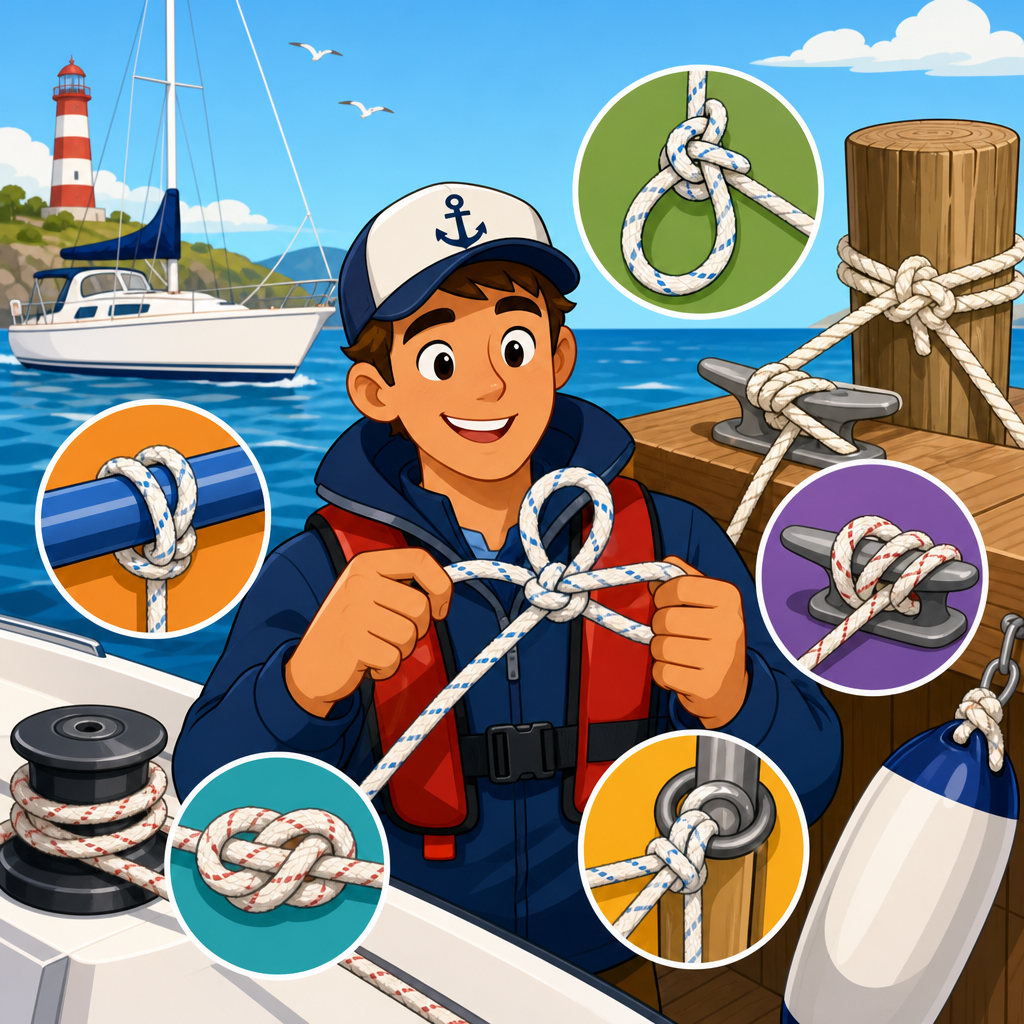
Boating is more enjoyable, safer, and less stressful when your vessel is equipped with the right boating accessories from the start. In practical terms, boating accessories are the add-on tools, safety items, convenience products, and maintenance essentials that support navigation, comfort, protection, communication, and day-to-day operation on the water. I have outfitted small fishing boats, family pontoons, and coastal center consoles, and the pattern is always the same: the accessories that seem optional at the dock often become indispensable once weather shifts, gear gets wet, or a routine outing turns into an unexpected delay. That is why every boater, from first-time owners to experienced captains, should build around a core set of proven equipment.
Must-have boating accessories matter because boats operate in an environment that is hard on people and gear. Sun exposure is stronger on open water, corrosion attacks electronics and metal hardware, shifting waves create fall hazards, and even short trips can become complicated by low batteries, poor visibility, or changing conditions. The best accessories solve predictable problems before they become expensive or dangerous. They also improve efficiency. A quality GPS chartplotter reduces navigation errors. Proper docking lines prevent gelcoat damage. Dry storage protects phones, licenses, and emergency gear. The goal is not to pack the boat with gadgets. It is to choose reliable equipment that improves safety, control, maintenance, and comfort every time you leave the marina, launch ramp, or mooring.
This guide covers the top 10 must-have boating accessories for every boater and explains what each one does, why it deserves a place on board, and what to look for when buying. It also serves as a hub for the broader Boating Gear & Equipment category, because these ten essentials connect directly to other core topics like marine electronics, anchoring systems, safety equipment, cleaning supplies, and storage solutions. If you are building your first gear list or upgrading an existing setup, start here. These are the accessories that consistently deliver the most value across freshwater and saltwater boating, short recreational cruises, fishing trips, tow sports, and coastal day runs.
1. Coast Guard-compliant life jackets and wearable safety gear
The first boating accessory every boater needs is not optional in any serious sense: properly fitted life jackets for every person on board. In the United States, carriage requirements are enforced by the U.S. Coast Guard, and state agencies often add local rules on wear, age, and activity type. Adult vests should match the user’s size and intended activity, while children’s life jackets must fit weight ranges precisely and include features such as crotch straps where required. On small boats, I prefer inherently buoyant Type III or performance recreational designs because people actually wear them, which is more important than storing bulkier vests under a seat.
Wearable safety gear goes beyond life jackets. A whistle attached to each vest, a waterproof flashlight for low-light emergencies, and in some cases a personal locator beacon or man-overboard AIS device dramatically improve recovery odds. For anglers and solo operators, inflatable PFDs are popular because they are less restrictive, but they require inspection, rearming, and confidence that the wearer understands manual backup activation. The key buying principle is simple: the best life jacket is one that fits correctly, meets legal standards, and gets worn consistently rather than treated as a box-checking item.
2. Marine VHF radio for reliable communication
A marine VHF radio remains the most dependable communication tool for many boaters, even in the smartphone era. Cellular coverage is inconsistent offshore, around large lakes, and in remote river systems. VHF works boat-to-boat, boat-to-marina, and boat-to-rescue services on standardized channels. Channel 16 is monitored for distress and hailing, and Digital Selective Calling on modern fixed-mount units can transmit your position quickly when connected to GPS. I recommend a fixed-mount VHF for any regularly used boat and a floating handheld VHF as backup, especially if the electrical system fails or you need to leave the vessel.
Good radio use is a boating skill, not just a purchase. You should learn distress terminology, routine hailing procedures, and the difference between emergency, urgency, and safety calls. Brands such as Standard Horizon, Icom, and Cobra make reliable units with waterproof ratings suitable for harsh marine use. Mount the antenna correctly, test transmit and receive quality before trips, and register for an MMSI if your radio supports DSC. When weather turns quickly or an engine problem leaves you drifting near traffic, a VHF radio is often the fastest route to clear communication and real assistance.
3. GPS chartplotter or marine navigation app with backup power
Modern navigation is far safer and more efficient with a GPS chartplotter or a high-quality marine navigation app backed by dependable power. A chartplotter combines location data, electronic charts, speed, heading, route planning, and often sonar or radar integration on one display. For inland boaters, it helps identify channels, hazards, and launch areas. For coastal users, it adds tide-aware route planning, depth contours, and waypoint management. I have watched new owners gain immediate confidence simply by learning to mark the ramp, fuel dock, productive fishing spots, and no-go shallow areas before a long run.
Phone-based apps like Navionics Boating and savvy navvy are useful, but they are not complete replacements for dedicated marine electronics on larger or more demanding trips. Phones overheat, screens wash out in direct sun, and batteries drain fast when GPS brightness and data are active. A smart setup includes a chartplotter or app, paper awareness of the route, and backup charging through a 12-volt outlet or USB marine socket. Navigation accessories should reduce workload, not create dependence. Before departure, confirm chart updates, inspect power connections, and verify that key waypoints and return routes are stored correctly.
4. Dock lines, fenders, and basic mooring protection
Few accessories save more money in routine use than quality dock lines and fenders. Boats are damaged most often during low-speed docking, wind shifts at the slip, and contact with pilings or neighboring vessels. Properly sized double-braided nylon dock lines absorb shock and resist abrasion better than bargain rope. Cylindrical or center-hole fenders protect the hull from impact and rubbing, while fender lines allow fast height adjustment when dock types change. I advise boaters to carry more line than they think they need, because longer spring lines and spare stern lines often solve awkward tie-ups at unfamiliar docks.
Buying the right size matters. Small fenders disappear under the rub rail and do little to protect the hull. Thin lines snatch hard in chop and wear quickly at cleats. A practical setup for most recreational boats includes bow, stern, and spring lines; at least three fenders; and chafe points monitored regularly. Add a simple line bag or dedicated storage bin so gear stays untangled and dry between uses. Good docking gear is one of the clearest examples of preventative boating equipment: it is inexpensive compared with repairing scratched gelcoat, bent rails, or dock rash that accumulates over a season.
5. Anchoring gear matched to bottom conditions
An anchor is not just for beach stops and lunch breaks. It is a core safety accessory that lets a boat hold position during engine trouble, changing weather, or drifting hazards. The best anchoring setup depends on boat size, windage, and bottom type. Fluke anchors perform well in sand and mud. Plow and scoop styles such as Delta or Rocna designs set reliably in mixed conditions and are popular on coastal boats. River and lake anglers may use mushroom or specialty anchoring systems for slower current environments, but every boater should understand that the anchor itself is only part of the equation.
Rode length, chain, and deployment technique determine real holding power. A common guidance point is a scope ratio around 5:1 to 7:1 in normal conditions, meaning the rode length should be several times the water depth plus bow height. Too little scope causes dragging. Too little chain reduces setting performance. Every boat should also have a clear method for securing the bitter end, marking anchor rode length, and retrieving without back strain or propeller risk. An anchor that is undersized, poorly rigged, or buried under gear is not a boating essential in practice. A ready-to-use anchoring system is.
6. Dry bags, waterproof cases, and organized onboard storage
Waterproof storage is one of the most underrated boating accessories because its value shows up in small crises: a soaked phone, ruined registration papers, corroded batteries, or emergency supplies that cannot be found quickly. Boats move, spray enters compartments, and even “dry” consoles develop condensation. That is why I treat organization and waterproof protection as operational necessities, not cosmetic upgrades. At minimum, every boat should carry a waterproof pouch for documents, a dry bag for spare clothes and towels, and impact-resistant cases for electronics, keys, and medical supplies.
Look for roll-top dry bags with welded seams, IP-rated phone cases, and compartment systems that separate safety items from food, tackle, or cleaning products. Transparent document sleeves help with fast inspection at ramps and marinas. Hard cases from brands such as Pelican or Plano Marine offer better crush protection for cameras, handheld radios, and battery packs. The practical benefit is speed. When gear has a dedicated place, you waste less time searching and reduce the chance that emergency equipment is blocked by coolers, wet rope, or loose personal items. Order on board is a safety feature.
7. Battery charger, jump starter, and power management essentials
Dead batteries strand boats every season, usually for predictable reasons: stereo use at anchor, pumps cycling longer than expected, corroded terminals, weak charging systems, or batteries simply aging out. That makes power management one of the most important categories in boating gear and equipment. A marine battery charger maintains charge between trips, extends battery life, and reduces frustrating no-start conditions at the ramp. Onboard smart chargers from companies like NOCO, Minn Kota, and ProMariner are common on trailered boats because they automate charging profiles and help prevent overcharging.
A lithium jump starter rated for marine use adds an extra layer of insurance, especially on single-engine boats or boats that spend time away from marinas. Keep terminals clean, use marine-grade tinned wire for upgrades, and label battery switches clearly so guests or family members can assist if needed. The table below shows what boaters should prioritize when building a practical power kit.
| Accessory | Main purpose | Best use case |
|---|---|---|
| Onboard smart charger | Maintains and restores battery charge | Trailered boats stored at home or in dry stack |
| Portable jump starter | Starts engine after battery failure | Single-engine boats and remote outings |
| Battery switch | Separates starting and house loads | Boats with electronics, lighting, or stereo use |
| USB/12-volt outlet | Powers phones, tablets, and accessories | Navigation apps and day cruising |
These accessories work best together. A charger prevents most failures, a battery switch manages loads intelligently, and a jump starter gives you a recovery option when prevention falls short. If your boat runs multiple electronics, pumps, lights, and accessories, consider a dual-battery setup with an automatic charging relay for better redundancy.
8. First-aid kit, signaling tools, and emergency preparedness gear
Every boat should carry a marine-specific first-aid kit and a basic emergency package that is easy to reach and clearly labeled. The marine environment creates a distinct injury profile: hook punctures, rope burns, slips on wet decks, sun exposure, dehydration, and minor cuts that quickly become messy around fish slime, fuel residue, or saltwater. A real boating first-aid kit should include adhesive bandages, gauze, antiseptic wipes, trauma pads, tweezers, tape, gloves, motion sickness aids, burn gel, and any trip-specific medication. On larger boats or offshore runs, expand that list to include tourniquet-level trauma gear and training to use it correctly.
Signaling tools matter just as much. Visual distress signals may be legally required depending on waters and vessel type, and they should be in date and stored dry. Add an air horn, signal mirror, high-output flashlight, and spare batteries. In my own setups, I also include a laminated emergency contact card and a simple float plan habit shared with someone ashore. Preparedness is not about expecting disaster. It is about shortening response time when a routine issue escalates. The boaters who handle problems best are usually the ones who packed the quiet essentials before anyone thought they would be needed.
9. Bilge pump, manual bailer, and onboard lighting
Water intrusion and poor visibility are two problems that develop fast and punish complacency. A functioning bilge pump with an automatic float switch is therefore a must-have boating accessory, not just standard installed equipment to ignore until it fails. Pumps clog, wiring corrodes, and switches stick, so testing matters. I recommend checking automatic activation, inspecting discharge hoses, and keeping a manual backup such as a bucket or hand pump on smaller boats. Even a little standing water can damage gear, affect performance, or mask leaks that deserve immediate attention.
Lighting is equally important. Navigation lights are legally required in low-light and nighttime operation, but utility lighting also matters for tying up after sunset, checking compartments, and reading charts or electrical panels. LED upgrades reduce battery draw and improve reliability compared with older bulbs. A headlamp with red-light mode is useful because it preserves night vision while keeping both hands free. Together, dewatering and lighting accessories support the same goal: maintaining control when conditions are inconvenient rather than ideal. They are not glamorous purchases, but they directly support seaworthiness and confident boat handling.
10. Cleaning tools, corrosion protection, and sun-shade accessories
The final category every boater should prioritize combines maintenance and comfort, because both determine how often a boat gets used and how well it holds value. Cleaning tools such as a soft deck brush, microfiber towels, marine soap, and a spot remover for vinyl or non-skid surfaces keep salt, grime, and mildew from becoming permanent problems. For saltwater boats especially, corrosion inhibitors like Boeshield T-9, CRC Heavy Duty Corrosion Inhibitor, or dielectric grease for terminals help protect metal and electrical connections. Regular rinsing and wipe-downs are not cosmetic rituals. They are maintenance practices that reduce repair costs.
Sun-shade accessories also deserve a place on any must-have list. Bimini tops, T-tops with added shade panels, and clip-on boat umbrellas reduce heat stress and make family trips longer and safer. Pair shade with polarized sunglasses and sunscreen storage so those items are always onboard. I have seen comfort become the deciding factor in whether kids, guests, and even owners want to spend another hour on the water. A clean, shaded boat with protected hardware feels easier to own, easier to maintain, and easier to enjoy. That is a meaningful operational advantage, not a luxury.
The best boating accessories are the ones that solve recurring problems before they disrupt a trip: staying afloat, staying found, staying connected, staying powered, and protecting both people and the boat itself. If you build your setup around life jackets, VHF communication, navigation tools, docking and anchoring gear, waterproof storage, battery management, emergency equipment, bilge and lighting support, and basic maintenance accessories, you cover the needs that matter on almost every outing. These ten categories form a practical foundation for the wider world of Boating Gear & Equipment and make future upgrades easier because the basics are already handled correctly.
Just as important, these accessories work together. A chartplotter is stronger with backup power. A VHF radio is more effective when your emergency kit and float plan are ready. Good fenders and dock lines protect the boat you preserved with regular cleaning and corrosion control. That systems view is how experienced boaters outfit vessels efficiently. Start with the essentials, buy marine-grade products from reputable brands, and match each accessory to your boat size, water type, and trip style. Then review your gear before each season and replace weak links before they fail on the water. If you are refining your setup, use this list as your checklist and upgrade the gaps first.
Frequently Asked Questions
What are the most essential boating accessories every boater should buy first?
The best boating accessories to buy first are the ones that improve safety, control, and reliability every time you leave the dock. For most boaters, that starts with properly sized life jackets for every passenger, a throwable flotation device, a dependable anchor and line, dock lines and fenders, a marine first aid kit, a fire extinguisher, and basic navigation lights if your boat is used in low-light conditions. These are not just nice additions—they are foundational items that help protect people and the boat itself.
Right behind safety gear, I always recommend practical accessories that reduce stress on the water, such as a bilge pump, a marine battery charger or battery management setup, dry storage solutions, a VHF radio or other communication device, and a quality GPS or chartplotter if your boating involves unfamiliar water. These tools make day-to-day boating smoother and help you respond faster when conditions change. If your boat is used for fishing, cruising, or family outings, comfort items like a cooler, seating upgrades, shade solutions, and phone charging ports also become high-value accessories because they improve the overall experience without compromising space or function.
The key is to build your boating accessory list in layers. Start with legal and safety essentials, then add docking and anchoring gear, followed by navigation and communication tools, and finally comfort and maintenance accessories. That approach keeps your spending focused and ensures your boat is ready for real-world use rather than just looking equipped at the marina.
Why are boating safety accessories considered more important than comfort upgrades?
Boating safety accessories come first because they directly affect your ability to prevent emergencies, respond to problems, and protect everyone onboard. A comfortable day on the water means very little if you are missing the gear needed to handle a sudden storm, engine issue, passenger injury, dead battery, or man-overboard situation. Safety accessories such as life jackets, emergency signaling devices, fire extinguishers, navigation lights, first aid supplies, and communication tools are what turn a potentially dangerous moment into a manageable one.
In my experience, many new boaters naturally get excited about convenience items like upgraded speakers, extra cup holders, premium seating, or entertainment accessories. Those can absolutely enhance the boating lifestyle, but they should come after the basics are covered. A simple example is docking: fenders and dock lines may not feel exciting, but they can save you from expensive hull damage and a stressful landing in wind or current. Likewise, a reliable anchor can keep a drifting boat from becoming a true emergency.
Comfort matters, especially for families and frequent boaters, but safety accessories are what make comfort possible. When your boat is properly outfitted with the right safety gear, everyone onboard relaxes more. You spend less time worrying about what could go wrong and more time enjoying the trip. That is why the smartest accessory decisions always start with protection, preparedness, and compliance before moving into convenience and luxury.
How do I choose the right boating accessories for my type of boat and how I use it?
The right boating accessories depend on three main factors: the type of boat you own, the waters you boat in, and the activities you do most often. A small freshwater fishing boat will not need exactly the same gear as a family pontoon or a coastal center console. For example, anglers may prioritize rod holders, tackle storage, fish finders, livewell accessories, and trolling motor support equipment. Pontoon owners often get more value from boarding ladders, shade canopies, extra storage organizers, table accessories, and family-focused safety gear. Coastal boaters usually need stronger communication equipment, better navigation electronics, corrosion-resistant hardware, and more robust anchoring systems.
It also helps to think in terms of real use instead of broad categories. Ask yourself how long your outings usually last, how far from shore you travel, whether children or pets often come aboard, whether you boat in busy marinas or open water, and whether weather changes quickly in your area. Those answers will guide which accessories matter most. Someone doing short afternoon cruises may prioritize convenience and comfort, while someone running longer trips offshore should invest more heavily in communication, navigation, emergency signaling, and weather awareness tools.
A good rule is to avoid buying accessories simply because they are popular. Instead, choose items that solve a real need on your boat. Measure available space, confirm marine-grade materials, check compatibility with your electrical system, and prioritize accessories that hold up well in sun, moisture, and vibration. The best boating accessories are not just trendy—they are dependable, space-efficient, and matched to the way you actually spend time on the water.
Which boating accessories help the most with maintenance and protecting the boat?
Some of the most valuable boating accessories are the ones that preserve your boat’s condition and prevent expensive repairs over time. A properly fitted boat cover is one of the best examples because it protects seats, electronics, flooring, and finishes from sun exposure, rain, dirt, and debris. Battery chargers and maintainers are also extremely important, especially for boats that sit between outings. They help avoid weak starts, shortened battery life, and unnecessary electrical issues.
Fenders and dock lines are another category that delivers immediate protection. They reduce impact damage while docking and help secure the boat properly in changing conditions. For trailered boats, transom tie-downs, trailer guides, wheel chocks, and bearing maintenance supplies also play a major role in protecting both the boat and the trailer. Inside the boat, dry bags, storage bins, tackle organizers, and gear compartments help keep equipment from shifting, getting wet, or wearing out prematurely.
Routine care accessories matter just as much as major protective gear. That includes marine cleaning supplies, corrosion inhibitors, spare drain plugs, bilge pumps, fuel stabilizer, and basic tool kits. Saltwater boaters in particular benefit from accessories designed to fight rust and corrosion, such as washdown gear and protective sprays. Over the long term, these maintenance-focused accessories are often the best value on the boat because they reduce wear, extend equipment life, and help you spend more time boating instead of fixing preventable problems.
Are expensive boating accessories always better, or should boaters focus on value?
Expensive boating accessories are not always better, but cheap accessories can become costly very quickly if they fail when you need them most. The smartest approach is to focus on value, which means balancing quality, reliability, durability, and suitability for your specific boat. For critical equipment such as life jackets, anchors, communication devices, battery systems, and navigation tools, it often makes sense to spend more for proven performance and marine-grade construction. These are items where dependable operation matters far more than saving a little money upfront.
That said, not every accessory has to be top-tier or packed with premium features. Many storage products, comfort add-ons, and convenience items can be purchased at mid-range price points and still perform very well. What matters most is whether the product is designed for marine use, built from corrosion-resistant materials, easy to install, and likely to hold up under vibration, UV exposure, and moisture. Reading reviews from real boaters and choosing established marine brands can help you avoid products that look good online but fail in actual boating conditions.
I usually tell boaters to spend strategically. Buy the best version you can reasonably afford for safety, electrical, and navigation-related accessories. Be more flexible with comfort and organization items as long as they are functional and durable. In other words, value beats price alone. A well-chosen accessory that performs reliably for years is a better investment than a bargain item that needs replacing after one season or creates problems on the water.