
Boating is a timeless and spectacular activity that offers families a unique opportunity to bond while exploring nature’s beauty. As thrilling as it is, the experience can be marred by mishaps if safety measures are not prioritized. Therefore, ensuring a safe and fun experience on the water is essential for families embarking on a boating adventure. Whether you’re a family comprised of seasoned sailors or newcomers eager to dip your toes in aquatic adventures, knowledge is key. Understanding the various aspects of boating, from safety precautions to fun-filled activities, ensures that everyone leaves the water with unforgettable memories. This article aims to guide families through the essentials of boating, offering practical tips and detailed advice for a secure and enjoyable trip.
When families venture out on watercraft, the primary concern should always revolve around safety. Nevertheless, it’s just as important to focus on the fun aspects. From selecting the right boat suitable for your family’s needs to ensuring everyone has the appropriate gear, planning is paramount. And it’s not just about the physical elements. Mental preparation and having the right attitude shape the boating experience, making it both safe and enjoyable. Spending time on a boat can enlighten children, spark creativity, and strengthen family bonds, making it worth every ounce of preparation.
We will explore essential safety tips, enjoyable activities, and what to consider before you embark on your boating journey. You’ll find insights on how different weather conditions impact your trip, crucial equipment to have on board, and exciting water games that can entertain family members of all ages. Through careful planning and preparation, you can ensure that each trip is filled with laughter and joy, offering delightful experiences that will be cherished forever. So let’s dive in and explore how your family can enjoy a safe, fun-filled day on the water.
Safety Precautions for a Memorable Boating Experience
Safety can truly make or break a boating trip. When it comes to spending a day on the water, thorough preparation and understanding of safety protocols are vital. Protective measures start even before setting foot on the boat. It’s wise for every family member to have a solid understanding of water safety practices. Enroll in a boating safety course, where you can learn the rules of navigation, how to identify weather changes, and emergency response techniques. Boating schools often provide courses that cover these basic necessities, offering peace of mind both on and off the water.
Life jackets should be a non-negotiable part of your boating trip. It’s crucial to select the right size for each family member, ensuring a snug but comfortable fit. Many states have laws mandating the wearing of life jackets for some age groups, but it’s a good practice to have everyone wear one at all times. Furthermore, the boat should be equipped with necessary safety gear like a throwable flotation device, a first-aid kit, flares, a fire extinguisher, and a sound-producing device like a whistle or horn. Each boat has unique specifications, so familiarize yourself with your vessel’s specific needs.
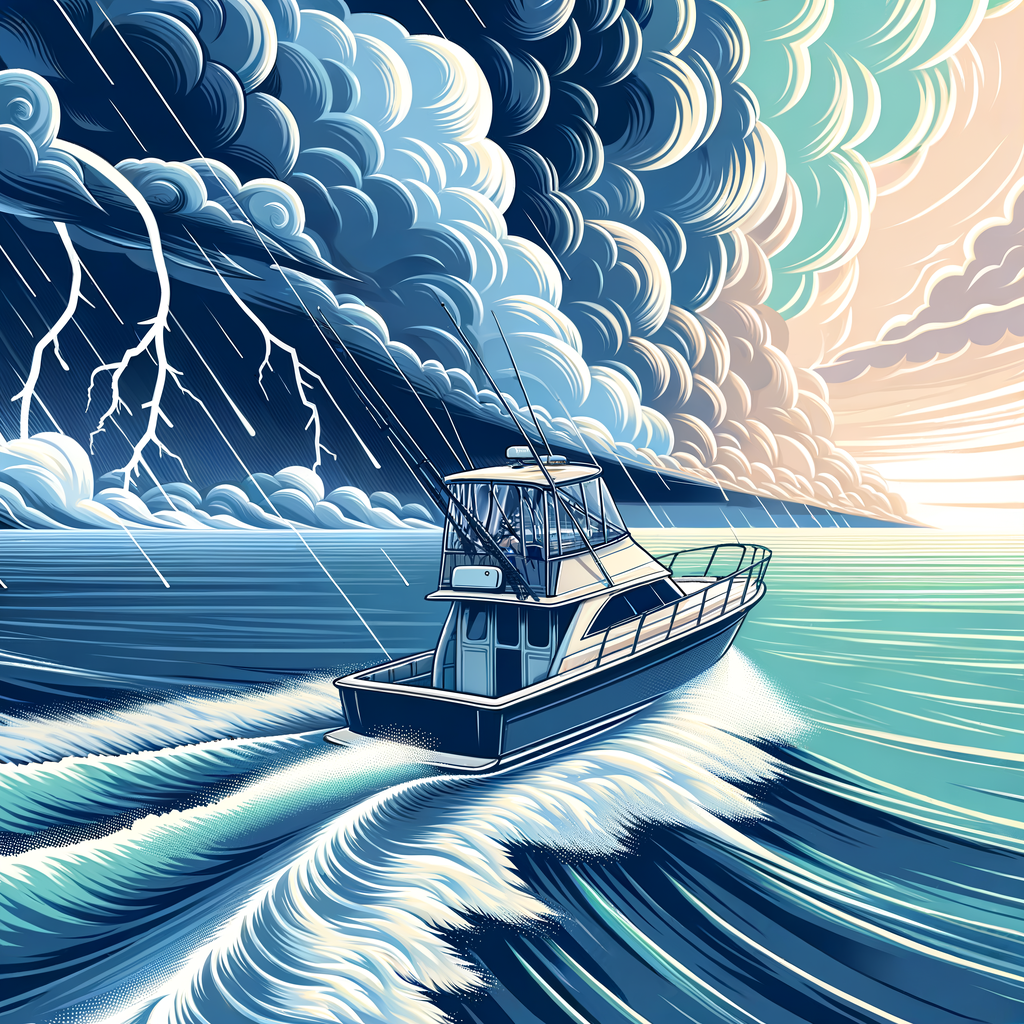
An often overlooked element of boating safety is checking the weather forecast. Weather conditions can change rapidly, turning a serene trip into a dangerous one. Prior to setting sail, look at both short-term and long-term forecasts. Understanding cloud formations and wind patterns also prepares your family for unexpected changes. Should bad weather arise, have a predetermined evacuation plan. Knowing the location of nearby ports and docking areas can save time and ensure a swift, safe return to shore.
Also, consider the potential of seasickness. It might not afflict everyone, but it’s wise to prepare. Bringing over-the-counter medicine like antihistamines that alleviate motion sickness can make the ride enjoyable for everyone. Pair this with hydration and proper nutrition, and your family will be better prepared to handle the day’s challenges. Hydration is particularly important — spending extended hours in the sun and wind can dehydrate the body quickly.
Choosing the Right Vessel for Your Family
The type of boat you select can influence the overall experience considerably. It’s essential to pick a vessel that accommodates your family’s size and boating skill level. For families just starting out, a pontoon boat might be a viable option. These boats offer stable platforms with ample space, ideal for picnics and relaxation. If your family is larger or if you’re planning to invite friends, look for a vessel that comfortably holds everyone without surpassing the boat’s capacity limits.
Ski boats and deck boats cater to families seeking a more adrenaline-fueled experience. Equipped for speed and water sports, these boats offer thrilling activities such as water skiing or tubing. For families engaging in fishing, a bass boat is worth considering. Its specialized design and features like livewells make it well-suited for catching fish, offering both stability and functionality. For adventurous families, personal watercrafts (PWCs) such as jet skis offer a unique and exhilarating experience, although operating them requires additional safety measures and responsibility.
Renting a boat offers families the flexibility of trying different types and sizes, enabling them to find what suits their needs best. Rental services often provide detailed instructions and safety briefings, ensuring you’re well-versed in operating the watercraft safely. Before renting or buying a boat, however, always consider insurance. Ensuring that your vessel is covered provides protection against accidents and liabilities, offering an extra layer of security for your family’s trip.
Fun-Filled Family Activities on the Water
Beyond the boat selection and safety measures, planning enjoyable activities for everyone on board is crucial for a memorable experience. Water games and sports introduce excitement and joy, appealing to children and adults alike. Try activities like tubing, wakeboarding, or water skiing, which provide entertainment and thrill. Alternatively, engage in leisurely pursuits such as fishing or crabbing, teaching children patience and reward through nature.
For eco-conscious families, explore snorkeling trips that introduce children to marine life in its natural habitat. Such experiences can be educational, fostering an appreciation for the ocean’s ecosystem. You can also consider themed voyages, like pirate treasure hunts, where children are given maps and clues to find hidden treasures on the boat or along the shore.
Crafting a playlist for your journey adds to the atmosphere, providing a backdrop to your water activities. Include songs that relate to water experiences or family favorites that everyone knows and loves to sing along to. Mealtime on the boat can be a communal affair, where families prepare a menu of sandwiches, fruit, and snacks. Remember to pack plenty of water and utilize coolers to keep everything fresh throughout the day.
Lastly, rest and relaxation shouldn’t be underestimated. A simple nap under the sun, with the sound of the waves lapping against the boat, can be incredibly refreshing. Ensure everyone gets a chance to unwind and enjoy the stillness that being on the water offers. Whether active or leisurely, having a mix of activities ensures that every family member has a day that is as fulfilling as it is enjoyable.
Conclusion
Boating with family provides more than just a day of fun on the water; it builds memories that can last a lifetime. By focusing on safety first and organizing engaging activities, your boating outing can be both secure and delightful. Thorough preparation, from understanding boating safety courses to choosing the right vessel, lays the groundwork for a seamless experience. Equipping yourself with the necessary safety gear and understanding weather conditions bolster your family’s readiness to face any challenges that may arise.
The selection of your vessel reflects your family’s aspirations for the day — whether it be leisurely relaxation or an action-packed adventure. Pontoon boats, ski boats, or personal watercraft each offer unique experiences that cater to different family dynamics and interests. Exploring a diversity of activities not only enhances the entertainment but also fosters a love for the water, educating children and drawing families closer together through shared experiences.
Remember that boating is not just an activity but an experience that should encapsulate safety, fun, and family togetherness. Every moment on the water is an opportunity to strengthen bonds, enjoy nature, and discover new interests. With careful planning and preparation, a family boating trip can transform into an unforgettable adventure — a treasure trove of stories and experiences that will be shared for generations to come. Prepare, set sail, and let the waves guide your family to joyful and cherished memories.
Frequently Asked Questions
1. What are some essential safety tips for families going boating?
Safety on water is paramount, especially when you’re enjoying a day out with your family. Here are several essential tips to ensure everyone remains safe and sound during your boating adventure:
First, always wear a life jacket. It doesn’t matter if you’re an Olympic swimmer or if the water is calm—a life jacket is a non-negotiable safety item. Make sure that each member of your family, from toddlers to adults, has a life jacket that fits properly and meets the safety regulations set by marine authorities. Second, ensure your boat is equipped with necessary safety gear, including flares, a first-aid kit, fire extinguishers, and a throwable flotation device. Regularly check all equipment to confirm they are in good working condition.
Third, be weather-wise. Check weather forecasts before setting sail and keep an eye on the sky for sudden changes. Boating in foul weather can be dangerous, so it’s best to postpone the trip if there’s a forecast for storms or high winds. Finally, establish a float plan. Share your itinerary, intended route, and estimated return time with someone on land. This enables rescue services to respond quickly if something goes awry. Prioritizing safety ensures peace of mind, allowing your family to focus on making lifelong memories on the water.
2. How can we make boating fun and safe for younger children?
Boating with young children can be a delightful experience, provided it’s approached with safety and enjoyment in mind. Start by introducing kids to the concept of boating in a relaxed way at home. Use videos or books to explain what they can expect. This prepares them for their adventure and nurtures an early love for boating.
Ensure the boat is stocked with kid-friendly amenities like sun protection, water, and healthy snacks. Interactive toys or binoculars can keep them entertained and engaged with the surrounding nature. Playing games like “I spy” or short educational activities about marine life can also add to their excitement. To ensure the utmost safety, closely supervise young children at all times and make sure they are wearing properly-fitted life jackets.
Plan shorter trips since long stretches might cause restlessness. Gradually increase the duration as they get more accustomed to it. Encouraging your children to take part in simple, safe boat activities like holding a pretend map or spotting landmarks helps cultivate their interest and teaches them boating basics.
3. What should we do in case of an emergency on the water?
Being prepared for emergencies is a critical aspect of boating. Firstly, stay calm. Keeping a clear head is essential for making rational decisions. Ensure that everyone aboard knows where the safety equipment is stored and how to use it.
If someone falls overboard, immediately assign a spotter to keep an eye on the person in the water while the boat discharges away from the person. Use a throwable flotation device to assist them in staying afloat. For more severe emergencies, like injuries or if the boat is compromised, use the marine radio or your mobile phone, if you have reception. Knowing the local emergency services channels or the National Distress and Safety System number is crucial.
If your boat capsizes or you find yourself in the water, stay with the boat. A boat is easier to spot than a single individual, increasing your chances of rescue. Regularly practicing emergency drills with your family can help them stay organized and calm in an actual emergency.
4. How do we choose the right type of boat for our family adventures?
Selecting the right boat is vital for maximizing comfort and safety during boating trips. Consider the size of your family and the type of activities you want to enjoy. For instance, if you enjoy fishing with your family, a fishing boat with angling amenities might be ideal.
Look for features that enhance safety and comfort, such as high railings, adequate seating, and sun protection. If you have little ones, an enclosed helm or cabin can be an invaluable safety feature during longer journeys. Stability is another key factor, especially for families who might include members not accustomed to being on water. Pontoons, for example, are praised for their stability and spacious decks, perfect for a relaxing, family-friendly journey.
Consider renting different types of boats before making a purchase to see which suits your family best. Consult with boating professionals, who can provide insights based on your needs and local water conditions. With these considerations in mind, you’ll be better equipped to select a vessel that aligns with your family’s preferences while ensuring safety and enjoyment.
5. What are some essential boating etiquettes our family should observe?
Boating, like any other activity, has its set of etiquettes that help maintain harmony and safety on the water. First and foremost, respect the personal space and rights of others on the water. Don’t create excessive wakes near other boats, as this can cause discomfort or hazards. Adhere strictly to navigation rules to prevent collisions and misunderstandings.
Environmental care is another crucial etiquette. Never litter into the water—dispose of your trash properly upon returning to shore. Teach children the importance of preserving marine life and their habitats. Educating them about the impact of human activities on waterways instills a sense of responsibility and respect for nature.
Be considerate with sound levels. Loud music can be intrusive and disrupt the tranquility others seek. Politeness goes a long way—friendly waves and smiles can turn a simple boating day into a delightful community experience. By observing these etiquettes, your family ensures every trip is enjoyable for everyone on the water, fostering a responsible and friendly boating culture.