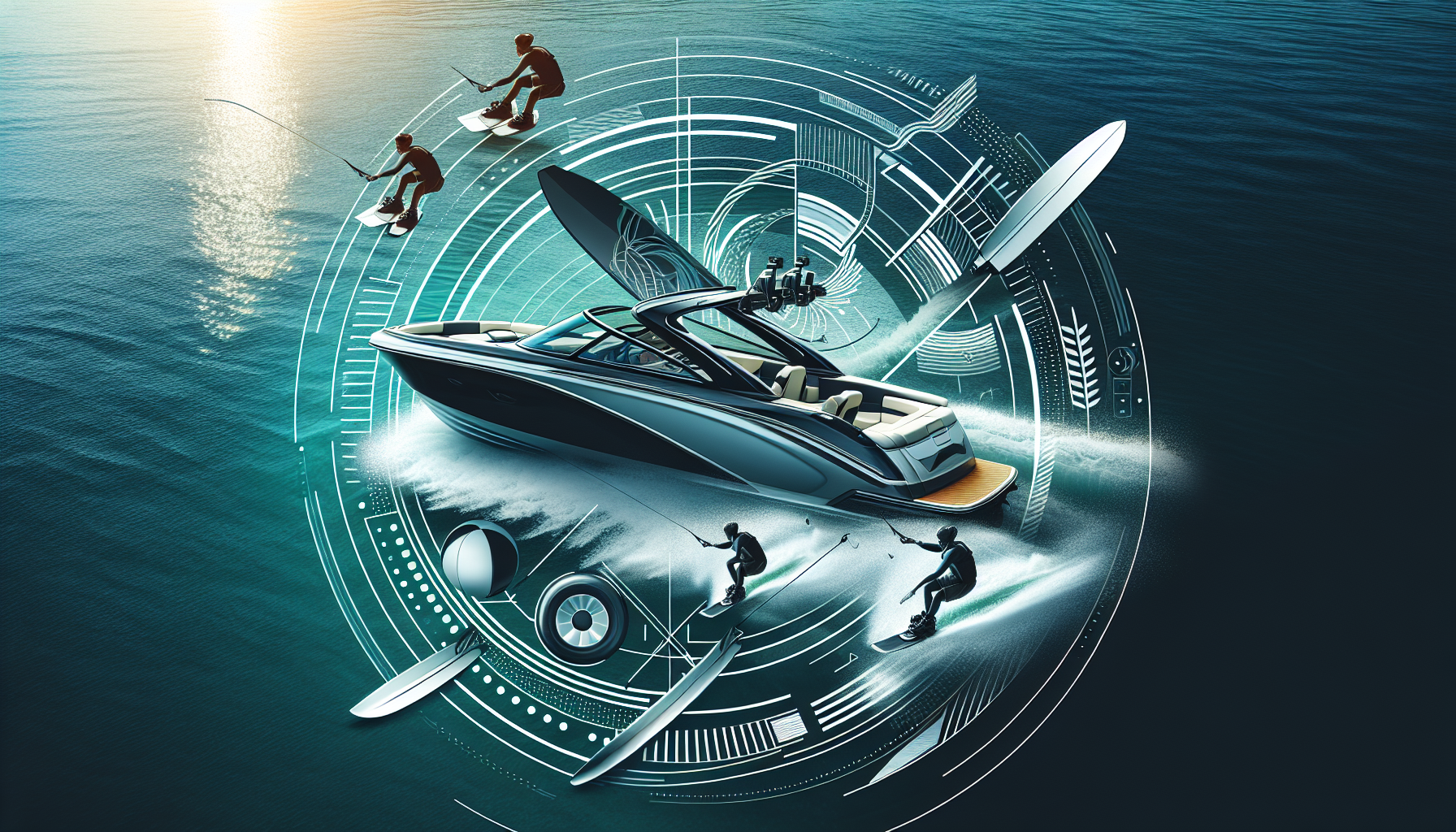
The best boats for wakeboarding and waterskiing are purpose-built tow boats that create the right wake shape, deliver consistent pull, and match the skill level, crew size, and budget of the people using them. In practice, that means one boat is rarely “best” for every rider. A tournament ski boat that throws a flat, soft wake at 34 to 36 mph is ideal for slalom but poor for wake surfing. A wake boat with deep ballast, surf tabs, and a high-torque V-drive can build a large, clean wake for advanced wakeboard tricks, yet that same hull can feel excessive for recreational skiing. After years of testing tow boats, rigging ballast systems, and helping buyers compare layouts, I have learned that the right decision starts with one question: are you prioritizing flatter wakes for skiing, steeper wakes for boarding, or versatility for a family that does both?
That distinction matters because watersports place conflicting demands on hull design, propulsion, and onboard systems. Wakeboarding benefits from displacement, ballast, and speed control around 18 to 24 mph. Waterskiing, especially slalom, favors lower displacement, tracking precision, and a narrow wake at higher speeds. Families also care about storage, seating, fuel burn, reliability, and ease of towing. The best boats for watersports balance those tradeoffs intentionally rather than promising to master every discipline equally. This hub article explains the main boat categories, key features, top brands, and buying criteria so you can narrow your search with confidence and use this page as the starting point for deeper reviews across the wider Best Boats & Reviews topic.
What Makes a Great Watersports Boat
A great watersports boat does four things exceptionally well: it holds speed accurately, creates the intended wake profile, pulls riders predictably, and keeps the crew comfortable and safe. Speed control is non-negotiable. Systems such as Zero Off, PerfectPass, and manufacturer-integrated cruise control remove throttle inconsistency and let the driver maintain exact target speeds. For skiing, even a 1 mph fluctuation changes wake shape and line tension. For wakeboarding, consistency is what lets riders edge progressively and time their pop. Engines also matter more than raw top speed. Tow sports reward low-end torque, not headline horsepower. A 5.7L, 6.0L, or 6.2L inboard with the right propeller pitch will feel stronger off the line than a poorly matched setup with higher advertised output.
Hull geometry is the second major factor. Direct-drive inboards traditionally dominate slalom skiing because the engine sits near the center of the boat, distributing weight evenly and preserving a flatter wake. V-drive boats place the engine aft, increasing interior space and naturally adding stern weight, which helps create larger wakes for wakeboarding and surfing. Deadrise, beam, chines, and running surface features influence how cleanly the wake forms and how the boat tracks through turns and rollers. I always tell buyers to watch the wake from behind at the actual speeds they plan to use, with a realistic crew and fuel load onboard. A dealer demo with two people and empty ballast can be very misleading.
The best boats for wakeboarding and waterskiing also make ownership easier. Look for accessible service points, corrosion-resistant hardware, quality upholstery stitching, and trailers with dependable brakes and bunks matched to the hull. On family-oriented boats, storage layout matters almost as much as wake quality. Wet gear, boards, ropes, vests, and coolers consume space quickly. Smart design, such as under-seat lockers, clamping board racks, transom walk-throughs, and removable seating fillers, makes a noticeable difference after a long day on the water.
Best Boat Types for Wakeboarding and Waterskiing
If your goal is slalom performance first, a tournament ski boat remains the benchmark. Models from MasterCraft ProStar, Nautique Ski Nautique, and Malibu Response heritage designs are engineered for minimal wake, precise tracking, and immediate throttle response. They sit lower, run lighter, and are happiest towing one skier at regulated line lengths and speeds. These boats are not just for elite competitors; they are also excellent for dedicated recreational skiers who value a smooth crossing wake and straightforward operation. Their limitation is versatility. Seating is usually tighter, freeboard is lower, and wakeboarding performance is modest unless you add weight, which works against the original design.
For wakeboarding, the best boats are inboard V-drives from brands like Malibu, MasterCraft, Nautique, Supra, Moomba, Axis, Tige, and Centurion. These boats are built around ballast capacity, wake shaping, tower strength, and rider-focused ergonomics. A wakeboard boat should produce a defined lip, clean transitions on both sides, and enough adjustability to suit beginners and advanced riders. Factory ballast often ranges from roughly 1,500 to more than 4,000 pounds depending on model, with additional enhancement from power wedges, wake plates, tabs, and surf systems. In my experience, newer wake boats are dramatically more tunable than older weighted setups because drivers can shape the wake from the helm instead of moving loose bags and passengers every session.
Crossover boats serve families who split time between skiing, wakeboarding, tubing, and casual cruising. This is where many first-time buyers land because the boat needs to satisfy children learning on combo skis, teenagers progressing on a board, and adults who still want a reasonable slalom pull. Malibu’s Wakesetter crossover setups, MasterCraft’s XT series, Nautique GS models, and Supra’s versatile midsize platforms are strong examples. They will not match a pure tournament ski boat for slalom or a heavily ballasted flagship wake boat for advanced wakeboarding, but they often deliver the best all-around ownership experience.
| Boat type | Best for | Typical strengths | Main compromise |
|---|---|---|---|
| Tournament ski boat | Slalom, trick skiing, barefooting | Flat wake, precise tracking, quick acceleration | Less space, weak wakeboard wake |
| Wake boat V-drive | Wakeboarding, surfing, family sessions | Large adjustable wake, roomy interior, ballast systems | Higher price, larger wake for skiers |
| Crossover tow boat | Mixed watersports households | Versatile wake settings, balanced layout, broad appeal | Not the absolute best at any single sport |
| Jet boat | Casual towing, shallow water use | Agile, no exposed propeller, easy beaching | Less precise pull, softer wake control |
Top Brands and Standout Models
Several manufacturers consistently lead the best boats for watersports category because they invest heavily in hull development, integrated control systems, and dealer support. MasterCraft remains one of the most recognizable names, and for good reason. The ProStar is a reference point for ski performance, while X and XT series boats cover serious wakeboarding and crossover use. Nautique has equal credibility, with the Ski Nautique still central to tournament skiing and the Super Air Nautique line earning a strong reputation for wake quality and fit-and-finish. Malibu continues to be a major force because the Power Wedge and Surf Gate ecosystem made wake customization easier for ordinary owners, not just expert drivers.
Supra and Moomba often stand out on value relative to equipment. Supra positions itself as a premium wake brand with refined interiors, high ballast capability, and modern helm interfaces. Moomba, under the same parent company, gives buyers a more accessible price point while still delivering capable wake performance and practical family layouts. Axis, Malibu’s value-focused sister brand, has long appealed to riders who care more about wake shape and durability than luxury detailing. Tige and ATX deserve attention for Convex V hull concepts and adjustable wake technology, while Centurion and Supreme remain highly relevant for buyers who also prioritize surf performance and a deeper, more aggressive wake profile.
Among sterndrive and multipurpose runabout brands, Chaparral, Cobalt, Regal, and Formula can tow wakeboarders and skiers, especially in family lake settings, but they are not direct substitutes for inboard tow boats. Their wakes are less specialized, propeller location changes safety considerations, and low-speed pull characteristics differ. They can still make sense for owners who cruise as much as they tow and want a more general boating platform. The key is honesty about use patterns. If watersports happen every weekend, an inboard tow boat is almost always the better tool.
How to Choose the Right Boat for Your Crew
Start with your primary sport, then size the boat around your real crew. If at least 70 percent of your sessions are slalom skiing, buy a ski boat. If wakeboarding and surfing dominate, buy a V-drive wake boat. If your family is split, test crossover models before making assumptions. Length matters because it affects wake size, rough-water ride, storage, and tow vehicle requirements. Boats in the 20- to 22-foot range hit a sweet spot for many owners: large enough for family use, small enough for easier storage and trailering. Twenty-three-foot-plus boats feel roomier and produce bigger wakes, but they cost more, weigh more, and can be harder to fit in older garages and marinas.
Budget should include more than the sticker price. Insurance, storage, winterization, impellers, batteries, trailer tires, detailing, and upholstery repairs add up. Fuel consumption rises noticeably with ballast-heavy wake sessions. A heavily loaded V-drive at boarding speeds can burn substantially more fuel than a ski boat running light. Used boats can represent excellent value, especially from well-known brands with strong parts availability, but condition matters more than age alone. I would rather buy a meticulously maintained ten-year-old Nautique or MasterCraft with service records than a newer neglected boat with hidden gelcoat damage, soft flooring, or electrical issues from poor aftermarket installations.
You should also evaluate dealer quality before signing anything. A strong local dealer with trained technicians, available parts, and responsive warranty handling can save an ownership experience. Ask how long routine service takes in peak season, whether they support software updates for helm systems, and what brands of trailer components they stock. On the water, downtime during summer hurts more than almost any feature shortfall on paper.
Key Features That Separate Good Boats from Great Ones
The features that most improve wakeboarding and waterskiing are integrated ballast, reliable speed control, an effective tower, and driver visibility. Ballast should fill and drain quickly, display levels clearly, and allow side-to-side or bow-to-stern tuning. Manual bags still work, but factory systems are cleaner and easier for repeated use. Towers should fold without drama, hold racks securely, and provide stable tow points that reduce rope drag into the wake. If the tower rattles on rough water, the ownership annoyance becomes constant. Good boats also include mirrors, camera options, and helm ergonomics that let drivers monitor riders without losing situational awareness.
Propeller selection is another underrated differentiator. I have seen a prop change transform holeshot, rider pull, and engine load. Lower-pitch props often help heavily ballasted wake boats plane faster and hold speed more cleanly, though they may reduce top speed. Tabs and plates deserve equal attention. Adjustable running surfaces can clean up one side of the wake, lower bow rise, and help a crossover boat behave more flexibly across skiing and boarding speeds. For buyers comparing models, test these systems back-to-back on similar water and with the same rider weight if possible.
Interior details matter because tow boats function as mobile base camps. Look for durable flooring such as SeaDek-style foam or woven vinyl, deep storage compartments that actually fit boards, USB and 12-volt charging points, and sensible transom design. A walk-through transom reduces upholstery wear from wet feet. Removable seat backs, observer storage, and easy battery access are not glamorous features, but they are the ones owners appreciate every weekend.
Buying New vs. Used and What to Inspect
Buying new gives you warranty protection, modern interfaces, and the latest wake technologies, but depreciation is real, especially in the first years. Buying used can put premium brands within reach and often provides more boat for the money. The inspection process should be disciplined. Check engine hours, compression where appropriate, service records, and evidence of regular impeller and fluid changes. Inspect ballast pumps, bilge operation, speed control calibration, tower mounts, trailer brakes, tire date codes, and all upholstery seams. On a water test, confirm cold starts, idle quality, speed holding, steering response, and how the boat behaves when weighted.
Also inspect the hull bottom carefully for beaching scars, repairs, and stress cracks around strakes or lifting points. Some cosmetic gelcoat cracks are manageable; structural issues are not. Electronics should boot quickly and function without freezing. If a seller cannot demonstrate ballast, tabs, stereo, lighting, and gauges in operation, assume further diagnosis is needed. For used tow boats, a marine surveyor or experienced tow-boat technician is money well spent.
The best boats for wakeboarding and waterskiing are the ones that match your main sport, your crew, and your ownership reality. Ski boats excel at flat wakes and precision. V-drive wake boats dominate for wakeboarding and all-day family sessions. Crossover models offer the broadest usefulness for mixed households. Focus on hull purpose, speed control, ballast design, dealer support, and condition rather than marketing alone. If you are building out your shortlist under the Best Boats & Reviews category, use this hub to identify your ideal boat type first, then compare specific model reviews, on-water tests, and used-buying guides before you commit. A careful choice will give you better pulls, easier days on the lake, and far fewer regrets after the trailer leaves the dealership.
Frequently Asked Questions
What type of boat is best for wakeboarding versus waterskiing?
The best boat depends on which sport you plan to do most often, because wakeboarding and waterskiing require very different wake characteristics. For waterskiing, especially slalom skiing, a direct-drive tournament ski boat is usually the top choice. These boats are designed to run fast, track straight, and produce a small, soft wake at higher speeds, typically around 30 to 36 mph. That flatter wake makes crossing easier, smoother, and less fatiguing for the skier. In contrast, wakeboarding benefits from a larger, more defined wake that riders can use as a ramp for jumps and tricks. That is where purpose-built wake boats, often V-drive inboards, stand out. They use ballast systems, hull design, and wake-shaping features to create a steeper, cleaner wake at lower speeds, commonly in the 18 to 24 mph range.
If you want a true crossover boat, some models are designed to balance both disciplines reasonably well, but there are always compromises. A crossover boat may be able to flatten the wake enough for recreational skiing while still producing a usable wake for beginner and intermediate wakeboarders. However, it will usually not match the soft slalom wake of a dedicated ski boat or the large, tunable wake of a dedicated wake boat. For families who split time between skiing, wakeboarding, and even tubing, a crossover inboard can be a smart middle-ground option. If your focus is serious slalom performance, choose a tournament ski boat. If wakeboarding is the priority, a wake-specific tow boat is the better investment.
Why are inboard tow boats usually recommended over stern-drive or outboard boats for these sports?
Inboard tow boats are generally recommended because they offer the safest and most sport-specific layout for towing riders. With an inboard, the propeller sits underneath the hull rather than exposed behind the boat, which reduces risk when a rider is getting in and out of the water. That design alone is a major reason dedicated wake and ski boats dominate these sports. Beyond safety, inboards also deliver more predictable pull, better low-speed control, and cleaner tracking when towing a rider who is cutting hard outside the wake. Those traits matter a great deal in both wakeboarding and waterskiing, where consistency helps riders build technique and confidence.
Stern-drive and outboard boats can pull riders recreationally, but they are not usually the best option if performance is the goal. Their wake shape can be less consistent, their towing geometry is often less refined, and they may struggle to produce the same precise wake characteristics as purpose-built tow boats. Some can work fine for casual family use, especially if budget is a concern, but they tend to involve trade-offs in wake quality, pull consistency, interior layout, and safety around the propeller. For buyers who want the best long-term experience in wakeboarding or waterskiing, a dedicated inboard tow boat remains the most proven and purpose-built choice.
What features should I look for in a boat for wakeboarding and waterskiing?
The most important features depend on your priorities, but a few stand out immediately. For wakeboarding, look for ballast tanks or bags, wake-shaping tabs or surf systems, a strong inboard engine with good low-end torque, and a hull specifically designed to build and clean up the wake. A wake tower is also valuable because it raises the tow point, helping riders get better lift and more controlled line tension. Board storage, a good sound system, and enough seating for the crew are practical bonuses, since wakeboarding often involves several people and lots of gear. Speed control is another key feature. Systems that hold a precise towing speed are extremely helpful because even small speed changes can affect wake size and rider timing.
For waterskiing, especially slalom, the priorities shift. You want a hull that produces minimal wake, excellent tracking, responsive steering, and smooth acceleration to ski speeds. Tournament-style direct-drive boats are built around these goals. A center-mounted engine helps balance the boat and keep the wake flatter, while speed control remains essential for maintaining a steady pull through the course or during open-water runs. If you need one boat for multiple uses, look for a crossover tow boat with adjustable wake settings, enough power for a loaded crew, and a hull known for versatility. Also pay attention to seating capacity, storage, fuel efficiency, local service support, and overall build quality. The best feature list is not just about performance on the water, but also about how realistically the boat fits your family, riding level, and maintenance expectations.
Can one boat really do both wakeboarding and waterskiing well?
Yes, but usually at a recreational level rather than at the highest competitive standard in both sports. The reason is simple: the ideal wake for skiing is almost the opposite of the ideal wake for wakeboarding. Skiers want a flatter, softer wake at higher speeds, while wakeboarders want a larger, firmer wake at lower speeds. Because of that, a single boat can be tuned to do both reasonably well, but it rarely excels equally in each role. This is where crossover boats come in. They are designed to offer enough wake adjustability and speed flexibility to satisfy families with mixed interests.
A good crossover model can be an excellent choice if your crew includes casual skiers, beginner or intermediate wakeboarders, and general family users. You may be able to drain ballast and use wake plates to flatten the wake for skiing, then fill ballast and adjust settings to build more shape for wakeboarding later in the day. That kind of adaptability is very useful, especially if you do not want to own two different boats. Still, buyers should set realistic expectations. A crossover will not usually give a serious slalom skier the same experience as a tournament ski boat, and it will not typically create the same size or sophistication of wake as a dedicated wake boat loaded with ballast. For many families, though, versatility outweighs specialization, making a crossover boat the best practical solution.
How do budget, crew size, and skill level affect the best boat choice?
These factors matter more than many buyers expect. Budget influences not only which boats you can afford to buy, but also which ones you can realistically own and maintain. Dedicated tow boats can be expensive, and newer wake boats with ballast systems, premium electronics, and advanced wake-shaping technology often carry the highest price tags. On top of purchase cost, owners should think about fuel use, insurance, storage, maintenance, winterization, and possible repairs. A well-kept used ski boat or older wake boat can often provide excellent performance for much less money than a brand-new flagship model, so buyers should not assume they need the newest boat to enjoy the sport.
Crew size is also important because passenger weight changes how a boat sits in the water and how it performs. A larger crew can help a wake boat build a bigger wake, but it also demands more seating, storage, and engine power. Families who regularly bring several passengers should look for enough room to stay comfortable without overcrowding the cockpit. Skill level matters because beginners usually benefit from predictability and moderation, not necessarily the biggest wake or the fastest, most specialized setup. New wakeboarders often do better behind a boat that creates a clean but manageable wake, while beginner skiers need a smooth pull and a wake they can cross without intimidation. Advanced riders may prioritize tunability, speed precision, and sport-specific performance. In other words, the best boat is the one that matches how you actually ride, how many people you bring, and what you can comfortably afford to own over time.