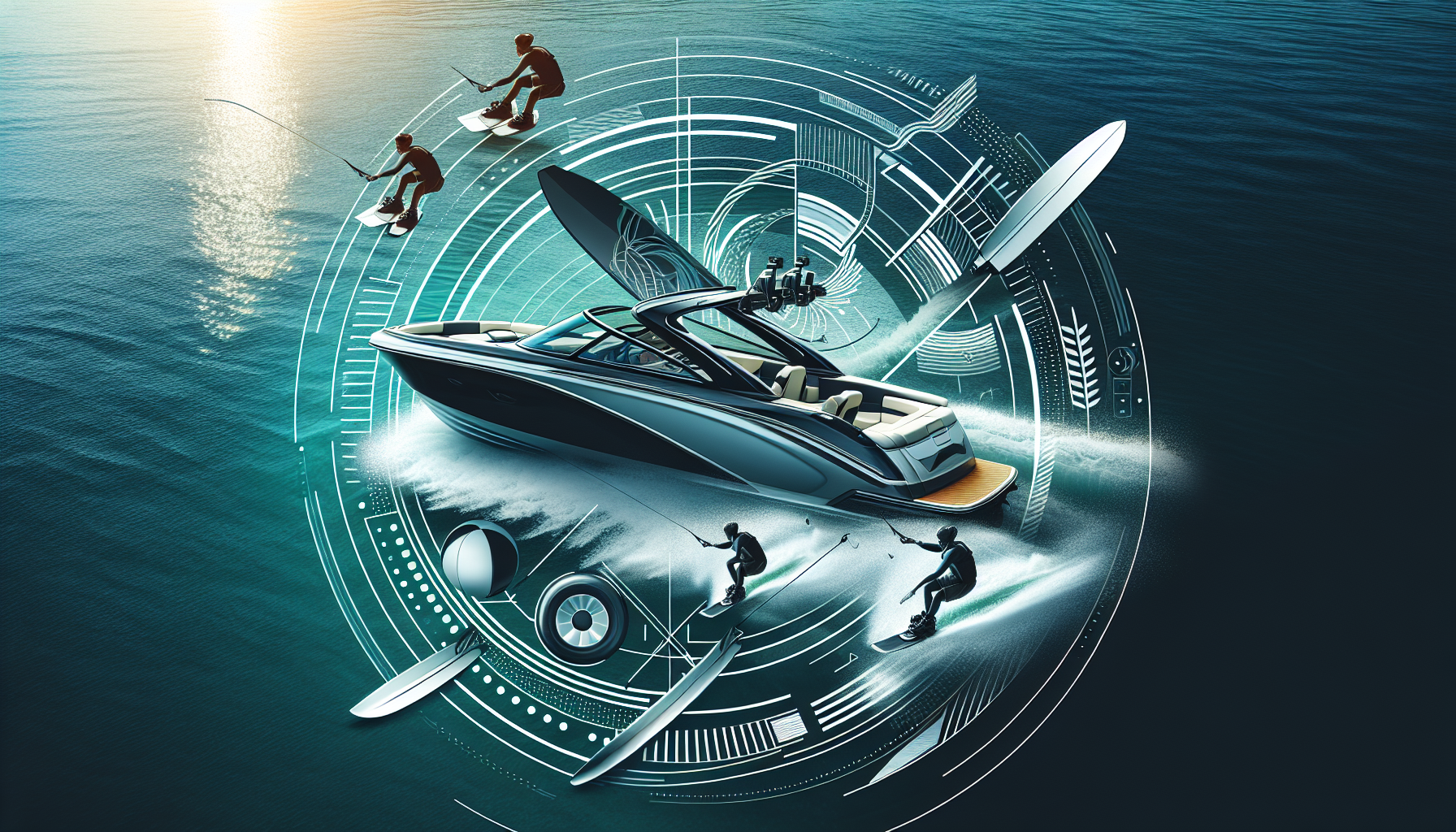
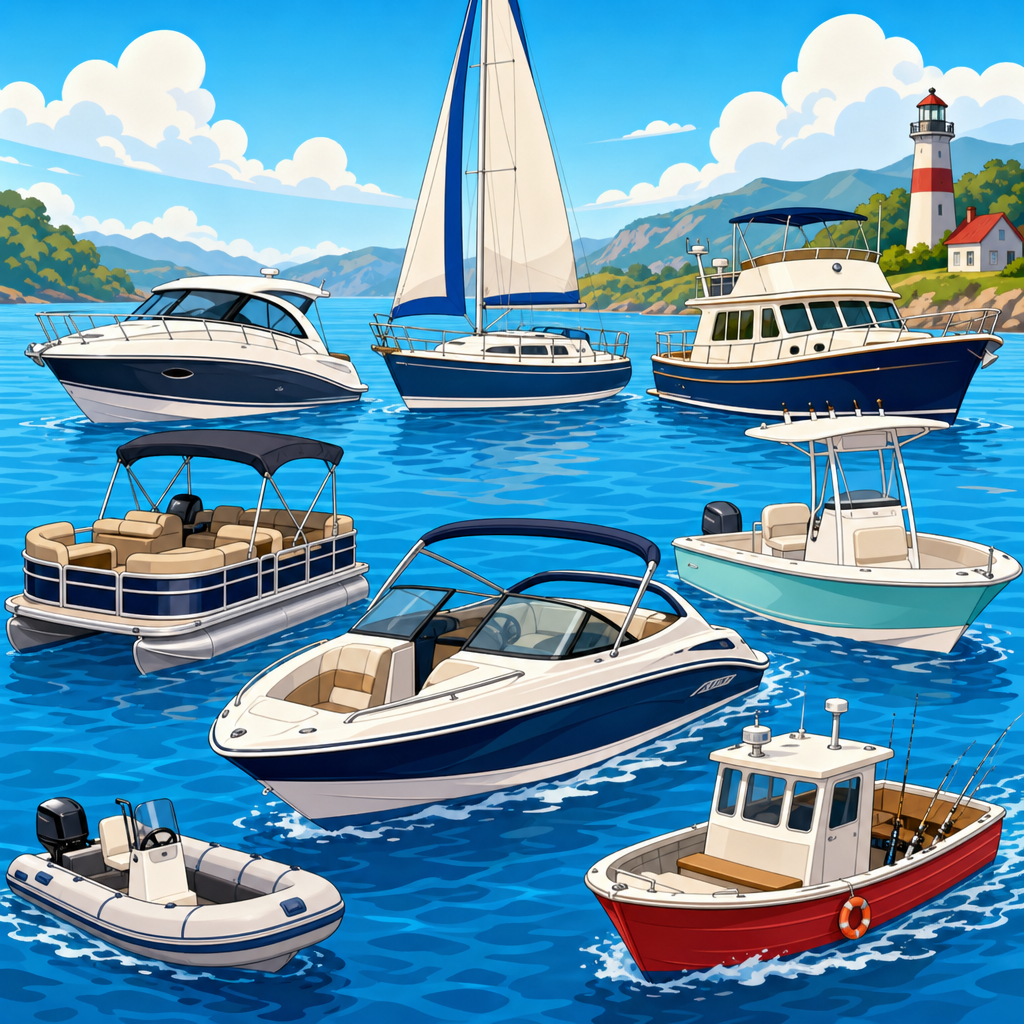
Jet boats deliver a uniquely aggressive kind of excitement, combining shallow-water capability, rapid acceleration, tight handling, and family-friendly layouts that make them stand out among the best boats for watersports. In this guide, I am treating jet boats as more than a niche category. They are a core option for buyers who want tubing, wake play, sandbar runs, fast cruising, and easier maintenance without exposed propellers. A jet boat uses an impeller-driven pump instead of a traditional propeller, drawing water in and pushing it out at high velocity for thrust. That design changes everything from safety around swimmers to hole shot performance and draft. For families comparing runabouts, wake boats, deck boats, and personal watercraft, understanding where jet boats excel is essential. This article serves as a hub for the wider best boats for watersports conversation, so it covers the leading models, key buying criteria, practical tradeoffs, and the real-world ownership details people usually learn only after several seasons on the water.
I have spent time testing different watersports boats in busy marinas, no-wake channels, shallow coves, and rough afternoon chop, and jet boats consistently attract buyers who value versatility over specialization. They are not all-purpose replacements for dedicated wake surf boats, and they are not magic in every condition. What they do exceptionally well is provide thrilling acceleration, good passenger space, and a safer stern area for active families. The top 10 jet boats below reflect current buyer priorities: reliable power, smart ballast or tow features, storage, comfort, and strong dealer support. If you are shopping for the best boats for watersports and want one platform that can handle high-energy weekend fun without locking you into a single activity, a well-chosen jet boat deserves serious consideration.
What Makes a Jet Boat Ideal for Watersports
The biggest advantage of a jet boat for watersports is the propulsion system itself. With no external propeller under the swim platform, the stern area feels more confidence-inspiring when people are boarding from the water, adjusting a tow rope, or lounging at anchor. That does not eliminate safety risks, but it changes the risk profile in a meaningful way. Jet boats also accelerate hard because the pump delivers immediate thrust, which is useful for pulling tubers or getting a skier out of the water quickly. Many modern models pair twin engines or high-output marine engines with electronic throttle systems, making low-speed control far better than older jet boats that earned a reputation for being twitchy around docks.
Another reason jet boats rank among the best boats for watersports is interior efficiency. Without a sterndrive intruding into cockpit space, designers can create broad swim platforms, wraparound seating, and deep storage compartments. Yamaha’s 22-foot and 25-foot platforms are good examples, using beam and transom design to maximize usable family space. Buyers should still understand the tradeoffs. Jet boats are often louder than comparable sterndrives, can be less efficient at certain cruise speeds, and may struggle to produce the clean surf wave of a purpose-built wake boat unless equipped with ballast and shaping systems. In rough water, hull design matters enormously; not every jet boat handles big chop with equal confidence.
How to Evaluate the Best Boats for Watersports
When I help buyers compare watersports boats, I focus first on intended use rather than brand loyalty. Ask how the boat will spend most of its time: tubing, kneeboarding, casual wakeboarding, wakesurfing, entertaining, or beach-hopping. Then assess passenger count, storage needs, tow-sport priorities, and local water conditions. A family on shallow rivers may value draft and safety around swimmers more than perfect surf wakes. A lakefront owner with teenagers may prioritize acceleration, sound systems, and seating for ten or more. A buyer on larger reservoirs should pay close attention to freeboard, deadrise, and hull confidence in afternoon wind chop.
Engine configuration matters too. Single-engine jet boats can be lighter and less expensive, but twin-engine boats usually offer better maneuverability, redundancy, and stronger performance under load. Wake features such as ballast tanks, wake enhancement devices, tow towers, board racks, and speed control can move a boat from general runabout duty toward serious tow-sport use. Also examine service access, clean-out ports, trailer setup, and dealer strength. Reliable ownership depends on practical details. The best boats for watersports are not just exciting during a demo ride; they remain easy to tow, launch, clean, store, and service through multiple seasons.
Top 10 Jet Boats for Extreme Water Fun
The models below represent the strongest jet boat choices for buyers who want extreme water fun with real versatility. They span compact recreation boats, family-focused midsize platforms, and premium models with surf capability. Availability varies by model year and market, so buyers should confirm current specifications with dealers.
| Model | Length | Best For | Standout Advantage |
|---|---|---|---|
| Yamaha 252XE | 24 ft 6 in | Wake sports | Integrated ballast and surf systems |
| Yamaha 255XD | 24 ft 6 in | Premium family towing | Supercharged power and upscale tech |
| Yamaha 222XD | 22 ft | Value surf capability | Strong watersports package in a manageable size |
| Yamaha 222SE | 22 ft | All-around family use | Balanced price, space, and performance |
| Yamaha AR220 | 22 ft | Wakeboarding and tubing | Tower-equipped versatility |
| Yamaha SX220 | 22 ft | Cruising and casual towing | Open layout and user-friendly handling |
| Scarab 255 Wake Edition | 24 ft 8 in | Style and tow sports | Bold design with wake-focused features |
| Scarab 215 ID | 21 ft | Sporty family use | Agile handling and social cockpit design |
| Scarab 195 Wake Edition | 19 ft 5 in | Entry-level tow fun | Compact size with wake hardware |
| Yamaha FX Cruiser HO with RecDeck | PWC platform | Small-group extreme play | Jet-powered modular watersports utility |
The Yamaha 252XE is one of the clearest answers for buyers asking which jet boat is best for watersports. It adds ballast, drive control enhancements, a wake-booster style system, and premium helm technology to a spacious 25-foot platform. The Yamaha 255XD pushes further with supercharged 1.8-liter engines, delivering stronger top-end performance and a more premium finish. For many families, though, the 222XD is the sweet spot because it brings dedicated tow-sport features to a slightly smaller and easier-to-store package. The 222SE, AR220, and SX220 round out the practical middle of the market, each serving buyers who want the broad benefits of a jet boat without paying for every wake-specific upgrade.
Scarab remains important in any serious comparison of the best boats for watersports because the brand blends aggressive styling with flexible layouts. The 255 Wake Edition targets buyers who want bold looks and larger-boat presence, while the 215 ID and 195 Wake Edition appeal to those shopping tighter budgets or smaller storage footprints. I also included the Yamaha FX Cruiser HO with RecDeck because some buyers comparing watersports platforms are really deciding between a compact jet boat and a highly capable personal watercraft setup. It is not a direct substitute for a 22-foot family boat, but for two or three people who want intense acceleration, towing flexibility, and easy storage, it can be the most efficient path to extreme fun.
Yamaha Jet Boats: Why They Dominate the Category
Yamaha dominates the jet boat segment because it has paired reliable marine engine development with layouts that directly address how families use boats. Features such as Yamaha’s clean-out ports, Connext touchscreen control systems, articulated keel handling aids on select models, and stern lounge concepts are not gimmicks. They solve real problems owners notice every weekend. The company also benefits from strong brand familiarity through its WaveRunner business, which helps buyers trust the underlying propulsion technology. In resale conversations, Yamaha often sets the benchmark because the market understands the product and dealer network.
From a watersports perspective, Yamaha’s biggest achievement has been moving jet boats beyond pure runabout duty. The 22-foot and 25-foot XD and XE models show that jet propulsion can support serious wakeboarding and approachable wakesurfing for families who do not want a dedicated tow boat. These boats still will not replace a premium inboard surf boat from MasterCraft, Malibu, or Nautique for advanced riders chasing elite wave customization. But they do offer a convincing crossover package. For buyers who want one boat to cruise, tow, swim, and entertain, Yamaha remains the strongest default recommendation in this category.
Scarab Jet Boats: Strong Alternatives with Sporty Appeal
Scarab approaches the market differently, leaning into sharp styling, energetic colorways, and a distinctly sporty feel. The brand, produced by Rec Boat Holdings, has built a following among buyers who want something visually bolder than the typical family runabout. Scarab models often feel youthful and playful, which matters in a segment driven by emotion as much as specifications. In test rides, I have found Scarab boats quick to plane and highly responsive, making them exciting for tubing sessions and short, high-energy lake runs.
For watersports buyers, the best Scarab options are the Wake Edition models because they include towers, racks, and tow-oriented rigging that reduce the need for aftermarket upgrades. Layout flexibility is another plus. Some Scarab interiors feel especially social, with seating arrangements that encourage conversation when the boat is not towing. The tradeoff is that brand perception and resale can vary more by region than Yamaha’s. Buyers should compare local dealer support closely. A great boat with weak service access can become frustrating during peak season.
Key Features to Prioritize Before You Buy
If your goal is to buy one of the best boats for watersports, prioritize features that materially improve the experience instead of cosmetic upgrades. A sturdy tow tower matters because it improves rope angle and opens storage for boards. Ballast matters if you care about wake shaping. Cruise-assist or speed-control systems matter because riders need consistent pull speed. Deep reboarding ladders, wide stern platforms, and thoughtful transom seating make the boat easier to use between sets. Storage for wet gear, removable coolers, and durable flooring also deserve more attention than flashy upholstery stitching.
Do not overlook trailer quality, either. Many ownership problems start on land. Look for disc brakes, swing tongues if garage storage is tight, accessible tie-down points, and bunks that properly support the hull. At the helm, test visibility while seated and standing, check touchscreen readability in sunlight, and make sure switching functions is intuitive when the boat is moving. Finally, inspect the clean-out access for the jet pumps. Debris ingestion is manageable if access is straightforward. It is much less manageable if routine clearing becomes a complicated dockside job.
Ownership Costs, Maintenance, and Real-World Tradeoffs
Jet boats often appeal to buyers who assume maintenance will be simpler than with sterndrives or inboards, and in some ways that is true. There is no exposed propeller, no lower unit in the same sense as an outboard, and no sterndrive gearcase hanging off the transom. Winterization, engine flushing, and routine care can be straightforward, especially for owners who follow manufacturer schedules carefully. However, simplicity should not be overstated. Impeller wear, pump inspection, debris management, battery maintenance, trailer care, and upholstery protection all remain important. Neglect is still expensive.
Fuel consumption is another tradeoff buyers should understand. A high-output twin-engine jet boat used aggressively for towing and repeated acceleration can burn fuel quickly. Noise levels can also be higher than some first-time buyers expect, particularly at certain rpm ranges. Docking has improved significantly with modern controls, but jet boats still feel different from prop-driven boats at idle, so new owners need practice. None of these issues are deal-breakers. They are simply part of an honest buying decision. The best boats for watersports are the ones that match your lake, crew, budget, and skill level rather than the ones with the loudest marketing pitch.
How This Hub Fits the Best Boats for Watersports Journey
As a hub within Best Boats & Reviews, this guide helps narrow the field for anyone exploring the best boats for watersports. If your priority is maximum surf performance, the next step is comparing dedicated inboard wake boats. If you want broader family versatility, compare jet boats with sterndrive bowriders and deck boats. If storage space, launch simplicity, and lower overall size matter most, cross-shop compact jet boats against premium personal watercraft with tow packages. In practice, the right answer usually comes from eliminating boats that do not match your actual weekend habits.
The main takeaway is clear: jet boats offer one of the most versatile paths to extreme water fun. Models like the Yamaha 252XE, 255XD, 222XD, and Scarab Wake Edition lineup prove that modern jet boats can do far more than simple cruising. They can tow, entertain, explore shallows, and keep the stern area more swimmer-friendly than prop-driven alternatives. Start by defining your watersports priorities, then schedule side-by-side test rides, inspect dealer support, and compare ownership details carefully. That process will lead you to the jet boat that delivers the most fun for your crew, season after season.
Frequently Asked Questions
What makes jet boats a top choice for extreme water fun compared with traditional propeller boats?
Jet boats stand out because they deliver a combination of acceleration, agility, and versatility that is hard to match with traditional sterndrive or outboard-powered boats. Instead of using an exposed propeller, a jet boat pushes water through an impeller-driven pump system, which creates strong thrust and allows for quick hole shots, rapid planing, and highly responsive handling. That setup makes jet boats especially appealing for buyers who want an exciting ride for tubing, tow sports, fast cruising, and playful maneuvering in open water.
Another major advantage is shallow-water capability. Because there is no propeller and lower unit hanging beneath the hull, many jet boats can operate in areas that would be riskier for conventional boats, such as skinny coves, shorelines, and sandbar approaches. That does not mean they are immune to damage, but it does mean they are often more practical for owners who spend time in changing water conditions or who want more flexibility in where they launch and beach.
Jet boats are also popular with families because the absence of an exposed propeller can offer added peace of mind during swimming, reboarding, and stern activities. Many modern models are designed with spacious cockpit layouts, swim platforms, wraparound seating, and easy-access transoms that make them feel social as well as sporty. In other words, a great jet boat is not just about speed. It is about creating a safer-feeling, more playful platform for a full day of watersports and lounging.
For extreme water fun specifically, jet boats bring a more aggressive personality to the water. They tend to corner flatter, accelerate harder, and feel more nimble than many comparable family runabouts. That makes them ideal for buyers who want a boat that feels lively every time they squeeze the throttle while still serving practical roles like day cruising, island hopping, and entertaining friends.
Are jet boats good for tubing, wake play, and family watersports?
Yes, jet boats are often excellent for tubing, casual wake play, and family-focused watersports, which is one reason they consistently appear on lists of the best boats for high-energy recreation. Their fast acceleration is a major strength when pulling riders out of the water or getting a tube up to speed quickly. That instant power delivery creates a fun, energetic tow experience and helps the driver maintain better control when changing pace or navigating turns.
For tubing, jet boats are especially enjoyable because they can whip into turns quickly, create exciting pull angles, and keep the ride lively without feeling sluggish. Families who want maximum fun from a compact or mid-size boat often appreciate how quickly a jet boat responds to driver inputs. That responsiveness can make towing more entertaining for riders and can also help experienced drivers manage the action more precisely.
When it comes to wake play, the answer is a little more nuanced. Most jet boats can handle casual wakeboarding, kneeboarding, and general tow sports very well, but they are not always the first choice for buyers who want huge, highly sculpted wakes comparable to specialized wake boats. Jet boats are typically designed for all-around recreation, not solely for wake shaping. That said, many newer models include ballast options, wake-enhancing features, and tow-focused packages that improve their performance for riders who want more than just casual fun.
For families, jet boats can be one of the smartest watersports platforms available because they combine social seating, swim-friendly stern designs, and broad versatility. You can spend the morning towing a tube, the afternoon anchored at a sandbar, and the evening cruising at speed without feeling like the boat is over-specialized for one activity. That broad-use personality is a big part of their appeal and a key reason they are so often considered by buyers looking for a single boat that can keep everyone entertained.
Do jet boats require less maintenance than other boats?
In many cases, jet boats can be simpler to live with than traditional propeller-driven boats, but “less maintenance” should be understood in the right context. A jet boat eliminates the exposed propeller, gearcase, and many of the underwater components associated with outboards and sterndrives. That can reduce the risk of certain types of impact damage and remove some of the maintenance items tied to lower units, propellers, and related driveline hardware.
Jet propulsion systems are often seen as easier for owners who want a cleaner, more streamlined ownership experience. There is no prop to ding on the trailer, no exposed blade to repair after a strike, and no lower unit extending below the hull in the same way a conventional setup does. For buyers boating in shallow areas, around beaches, or in locations where underwater contact is a concern, that can be a meaningful ownership advantage.
That said, jet boats still require regular care. Owners need to flush engines when appropriate, inspect and clean intake grates, watch for debris ingestion, maintain steering and control systems, and stay on top of standard engine service intervals. In some environments, especially where weeds, sand, or floating debris are common, jet pumps can demand extra attention to keep performance sharp. Debris sucked into the intake can affect thrust and responsiveness, so proactive inspection matters.
The real takeaway is that jet boats do not eliminate maintenance; they shift the maintenance profile. Many owners find them more convenient because they avoid propeller-related hassles and appreciate the simpler underwater footprint. As long as buyers understand how to care for the pump system and operate responsibly in debris-heavy areas, jet boats can be a very manageable and rewarding option from a maintenance standpoint.
Are jet boats safe for families and beginner boaters?
Jet boats can be a very strong choice for families and newer boaters, especially when safety is defined not just by construction but by design, usability, and the kinds of activities people actually do around the boat. One of the most commonly cited benefits is the lack of an exposed propeller. For families with kids who swim off the stern, climb back aboard frequently, or spend time near the transom at anchor, that design can feel reassuring and practical.
Many jet boats are also built around family-friendly layouts that emphasize secure seating, easy movement through the cockpit, and dedicated swim platforms for water access. These features make them well suited for social outings, sandbar stops, and all-day recreation. Because many models combine sporty performance with user-friendly deck arrangements, they can appeal to buyers who want a boat that feels exciting underway but approachable when everyone is onboard.
For beginners, the learning curve can be a little different than with propeller boats. Jet boats are highly responsive and often steer best under power, which means low-speed handling can feel unfamiliar at first. New owners may need some practice to become comfortable with docking, no-wake maneuvering, and throttle-based steering habits. Once understood, many people find them fun and intuitive, but they do reward a little seat time and technique.
Safety ultimately comes down to responsible operation, proper training, and choosing a model that matches your experience level and crew size. A well-designed jet boat with the right capacity, strong visibility, reliable controls, and proper safety gear can be an outstanding family platform. For beginner boaters willing to learn its handling characteristics, a jet boat often becomes an easy favorite because it blends confidence-inspiring design with a very high fun factor.
What should buyers look for when choosing one of the best jet boats for extreme water fun?
When shopping for one of the best jet boats, buyers should start by thinking about how they will actually use the boat. If the priority is tubing, fast cruising, and all-around family recreation, look for a model with strong acceleration, comfortable seating, practical storage, and a tow-friendly layout. If wake play matters more, pay attention to features like ballast options, transom design, tow towers, and hull characteristics that support rider-friendly wakes. The best jet boat is not just the fastest one. It is the one that fits your style of fun.
Size and capacity matter more than many first-time shoppers expect. A compact jet boat may feel thrilling and easy to trailer, but if you regularly bring a full crew, coolers, and gear, a larger model with more beam and better storage will be the better long-term choice. Seating layout is equally important. Look for a cockpit that supports conversation, easy boarding, and safe movement, especially if the boat will be used by families or mixed-age groups.
Engine performance and overall refinement should also be evaluated carefully. Pay attention to how smoothly the boat planes, how confidently it handles chop, how predictable it feels in turns, and how much noise and vibration it produces at cruising speed. The top jet boats combine aggressive performance with enough comfort to make long days on the water enjoyable. A boat that is thrilling for 20 minutes but tiring after two hours may not be the right fit for real-world ownership.
Finally, consider practical ownership factors such as build quality, brand reputation, dealer support, warranty coverage, and maintenance access. Features like cleanout access, easy engine service points, intuitive helm controls, quality upholstery, and durable hardware can make a huge difference over time. The strongest choices in this category deliver more than excitement. They offer a balanced package of performance, usability, reliability, and family-friendly design, which is exactly what buyers should expect from a top-tier jet boat built for extreme water fun.</p