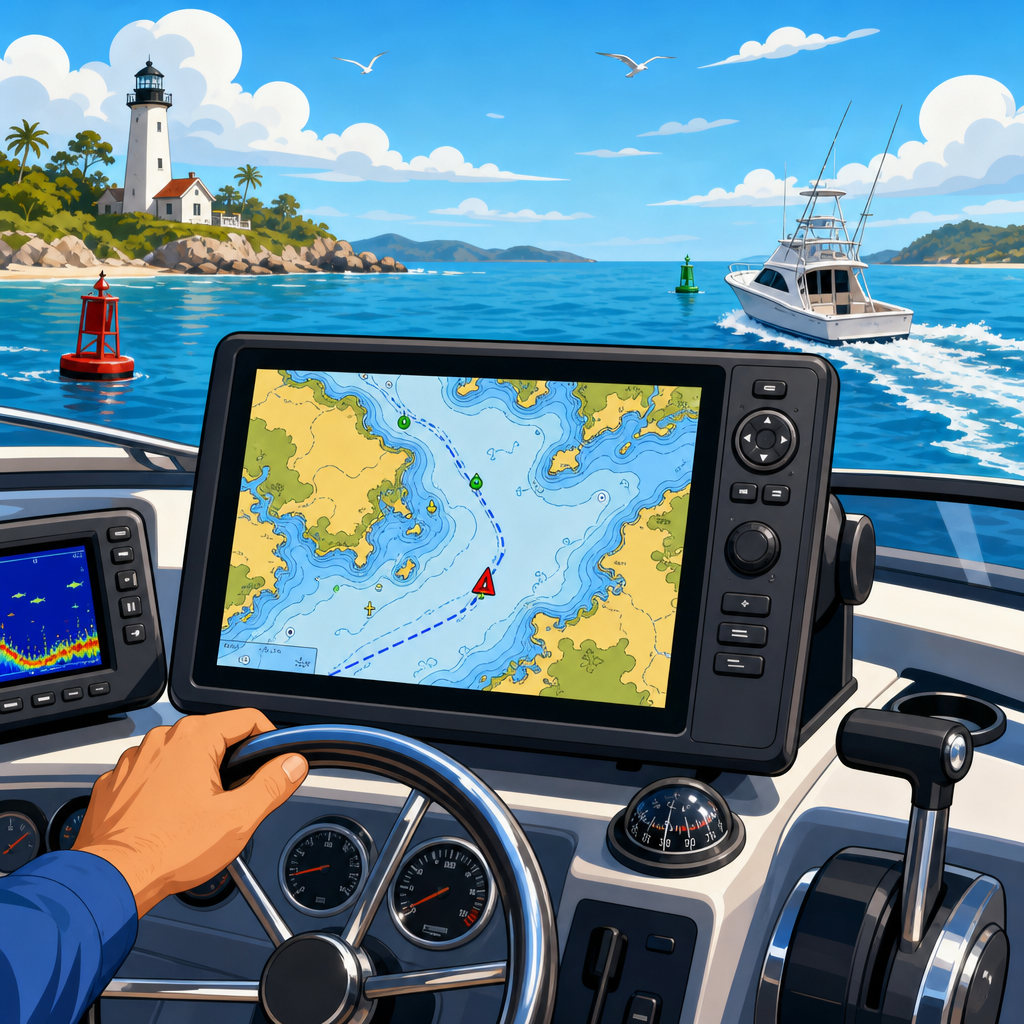
As a boating enthusiast, exploring the vast and interconnected waterways of the world offers both adventure and challenge. Among the most intriguing aspects of these journeys are the locks and canals that make passage possible between bodies of water at different elevations. Understanding how to navigate these marvels of engineering is critical to ensuring a smooth and enjoyable voyage. Locks and canals represent the pinnacle of human ingenuity in waterway management, facilitating international trade, travel, and recreational boating experiences. In this comprehensive guide, we will delve into the essential knowledge required to navigate through locks and canals effectively, ensuring that every boating excursion remains safe and efficient.
While locks and canals serve similar purposes in controlling water levels and facilitating navigation, each presents unique characteristics and demands differing strategies. This article will start by detailing the basic concepts of locks and canals, including history, types, and functionality. We will then move on to practical guidance on approaching these structures, what to expect during navigation, and safety considerations imperative for a successful passage. Whether you’re an experienced sailor or a novice boater, understanding these key elements will enhance your confidence and preparedness on every journey. From recognizing the intricacies of lock operations to mastering canal etiquette and regulations, consider this guide your essential resource in becoming adept at navigating locks and canals.
Before embarking on these journeys, it’s crucial to understand the environmental and logistical considerations of maneuvering through locks and canals. Preparing not just the vessel, but the crew as well, involves educating everyone on the steps and protocols to follow. By doing so, you ensure not only a rewarding trip but also contribute to maintaining these waterways for future generations of boaters. Understanding the interplay between historical developments and present-day practices in water management allows boaters to appreciate their role in a long tradition of maritime navigation. Navigating these waterways is more than just part of a journey; it’s stepping into a living legacy of human innovation and exploration. Now, let us delve deeper into the essential information that will guide you through these fascinating aquatic passages.
Understanding Locks and Canals
History and Purpose: Locks and canals have long been pivotal in facilitating navigation and commerce. Initially utilized by societies to overcome the natural limitations of riverine transport, these structures allow vessels to bypass geographic barriers and elevation changes. The Suez and Panama Canals, for instance, serve as monumental examples of human ingenuity in overcoming natural impediments, significantly reducing travel time between distant regions and fostering international trade. The history of these waterways is rooted in the need to connect water routes, enabling safe and efficient transport of goods and people. Throughout history, advancements in lock and canal construction have mirrored broader technological and industrial developments. The introduction of modern materials and machinery has only enhanced these early marvels, ensuring their continued relevance in today’s global landscape.
Types of Locks: Locks vary in operation and structure, tailored to the specific needs of their location and the vessels they accommodate. The three most common types are pound locks, staircase locks, and modern hydraulically operated locks. Pound locks, the most familiar type to recreational boaters, consist of a chamber between two gates. Staircase locks use a series of lock chambers to navigate steep gradients, providing a dramatic sequence often found in hilly terrain. Modern hydraulic locks are typically larger, facilitating the movement of substantial commercial vessels with sophisticated automation and pressure controls. Understanding the type of lock you may encounter helps in predicting operational procedures and preparing for potential challenges.
Operational Mechanics: The operation of a lock involves altering water levels to move vessels efficiently between sections of water with different heights. This process typically begins as the vessel enters the lock chamber, closing the gates behind it. Water is then either introduced or drained to adjust the chamber’s level to that of the destination water body. Lock operations require precise control to maintain equilibrium and facilitate safe passages for vessels, which today’s technology supports with high efficiency despite the complex dynamics. Familiarity with these mechanisms is vital for any boater to understand their surroundings and anticipate the level changes experienced within the chamber. Clear communication with lock operators and adherence to navigation signals ensure timely passage and safety.
Approaching and Navigating Locks
Preparations Before Entering: Effective preparation before entering a lock is crucial. Ensure that your vessel is equipped with adequate fenders and ropes for securing the boat against the lock walls, as contact is often unavoidable. Crew coordination is vital, with clear communication and assigned roles, such as handling ropes, managing engine controls, and communicating with lock operators. Equipping the boat with tools for potential mechanical adjustments on the fly is also hedging against unexpected situations. Ensuring all navigational aids are up-to-date, and considering the specifics of the lock, such as size constraints and opening hours, adds to a smoother passage through these infrastructure marvels. These preparatory measures safeguard not only your vessel and crew but also the integrity of the lock structures themselves.
Communication with Lock Operators: Establishing contact with lock operators is often key to efficient navigation. Many locks are equipped with VHF radio channels, allowing you to communicate your approach and receive instructions directly. Adherence to the lockkeeper’s directives is paramount; they manage traffic flow, water levels, and safety protocols. Timely, respectful communication facilitates mutual understanding and eases the process of navigating through these controlled environments. Checking for local guidance on communicating with operators beforehand can also enhance coordination and efficiency. Different locks may have specific communication protocols; confirming these details ahead of time ensures a smoother entry and avoid misunderstandings that could hinder progress. Boat crews should also be proficient in standard radio communication practices to assist in seamless interactions.
Navigating the Lock: Once you’re signaled to enter, proceed carefully, aligning your vessel with the lock entry and taking account of any currents. Both entering and exiting locks require steady and precise steering to avoid damaging the vessel or lock structure. Upon entering, position your boat in the designated area and secure it using ropes on the provided bollards. It’s important to remain alert—shifts in water level can impact vessel stability, necessitating constant monitoring and adjustments. While secured, regularly communicating progress and adjustments with crew members ensures safety while in the chamber. If traveling in a group, coordinating entry and exit to prevent collisions is crucial. Allocating an experienced crew member to oversee these interactions helps maintain operational order and reinforces safety protocols in a confined space environment.
Navigating Canals
Basic Etiquette: Canals have unique traffic dynamics, often featuring narrow passages and low-speed zones to maintain safety and environmental integrity. Observing speed limits and wake restrictions is essential to protect both the waterway environment and the surrounding ecosystems. Understanding standard signaling methods, such as horn signals or visual cues, ensures smooth interactions with other vessels. Passing other boats should always be done cautiously, using standardized procedures, allowing both vessels time to accommodate the change safely. Always give priority to vessels exiting a lock or canal cut, and adhere to any posted instructions or directives from local waterway authorities. Demonstrating civility and patience underscores your respect for fellow boaters and the shared space, which is particularly appreciated and necessary in busier sections of canals.
Restrictions and Regulations: Canals may have specific restrictions regarding vessel size, draft limits, or types of allowed propulsion, essential to study beforehand. These regulations often ensure the effective maintenance and operational integrity of the canal, maintaining tranquility and accessibility for its users. Keeping abreast of these specifications ahead of time will prevent regulatory conflicts, ensuring both a legal and hassle-free passage. Additionally, unexpected delays may arise from locks under maintenance or environmental conditions like droughts which limit water availability; being informed of these situations upon departure aids in planning. Compliance with regulations solidifies your standing as a responsible boater, contributing to both your personal safety and the preservation of these vital waterways.
Unique Hazards: Canals, unlike open waters, present unique challenges such as narrow widths, shallow drafts, and limited maneuverability space. Seasonal weather changes can affect water levels and navigation ease, necessitating flexibility in planning and navigation strategies. Furthermore, wildlife may be more prevalent in canal environments, potentially requiring strategic evasive maneuvers. Always remain on high alert for environmental signals indicative of changes in-depth or unexpected obstacles. Installing devices that detect underwater hazards can be invaluable on long canal voyages. The key to successful navigation lies in vigilance and adaptability, honing your skills to respond efficiently to changing conditions within this unique environment. This proactive preparation helps mitigate potential risks that can arise unexpectedly, maintaining the canal’s safety and enjoyment for all boaters.
Adapting to specific environmental warnings or guidelines is crucial, especially in navigating new waters, as canals are seldom static environments. Showing adaptability, such as altering speed in response to environmental changes, reflects a comprehensive understanding of the complexities involved. This kind of attention to detail ensures that even unforeseen elements are systematically controlled, safeguarding both crew and vessel through adept navigation practices.
Conclusion
Successfully navigating locks and canals constitutes an essential skill for any mariner, blending navigational dexterity, environmental awareness, and compliance with local regulations. This guide has equipped you with knowledge of lock and canal mechanics, operational protocols, necessary etiquette, and the inherent challenges these structures possess. Effective engagement with these waterways represents not only a testament to your mastery of boating fundamentals but also a commitment to the rich historical tradition they embody. Each lock passage or canal journey evidences the relentless pursuit of seamless navigation and resilience of maritime spirit. Recognizing both the functional and historical significance of these waterways enriches your navigation experience, bonding you across decades of maritime tradition.
Now armed with comprehensive insight, you are empowered to undertake these fascinating voyages with confidence and responsibility. By respecting the intricate balance between human-engineered structures and the natural water environments they augment, you contribute to the sustainable use and preservation of these invaluable aquatic passages. Whether for recreation or trade, the effective navigation of locks and canals remains one of the nautical world’s most revered competencies. As you embark on your next boating adventure, use this guide as a compass, steering you toward both safety and the exhilarated success of conquering the depths, heights, and intricacies of locks and canals.
May your journeys be invariably safe, enjoyable, and enlightening, richly imbued with the spirit of exploration and the discipline required to skillfully maneuver through these human-made marvels. We wish you smooth waters and unforgettable adventures, always remembering that beneath each ripple is both history and potential waiting to be discovered.
Frequently Asked Questions
1. What exactly are locks and canals, and why are they important for boating?
Locks and canals are man-made engineering structures that play significant roles in navigation and water management. Locks are intricate systems of chambers with gates and sluices, designed to raise and lower boats between stretches of water of different elevations. Canals, on the other hand, are artificial waterways constructed for navigation, irrigation, or water supply. They often span great distances to connect separate bodies of water, facilitating trade and transport. For boaters, locks and canals are the keys to accessing diverse waterways and exploring the globe’s far-flung aquatic treasures. By understanding and utilizing these engineering marvels, boaters can seamlessly transition between rivers, lakes, and even seas, navigating through complex water networks that would otherwise be impossible. Embracing the lock and canal systems ensures a smooth journey, allowing enthusiasts to focus on the adventure in their hydrological expeditions.
2. How do I safely operate through a lock system when boating?
Operating through a lock system requires attention to detail and patience, but it’s a rewarding experience that adds to your boating skills repertoire. Before entering a lock, you’ll typically wait in a designated holding area until the lock operator signals that it’s your turn. Approach slowly to ensure control of your vessel, and pay particular attention to the lock’s traffic signals. Once the green light is given, position your boat centrally within the lock chamber. Tying your boat properly is essential; use bow and stern lines to secure it, and stay alert as water levels rise or fall within the chamber. Be prepared for turbulence and remain vigilant, adjusting your lines to maintain control. Always keep your hands and feet away from the sides of the lock to avoid injury. Communication with the lock operator can be key, so use radios where possible to receive any specific instructions. Exiting the lock also requires caution; wait for the green departure signal before proceeding out. With each passage, you’ll grow more confident in lock navigation, turning this part of boating into an exciting component of your journey.
3. Are there fees associated with lock and canal use, and how can I pay them?
Indeed, using locks and canals may incur costs, as these fees contribute to the maintenance and staffing of these essential waterway systems. Charges vary depending on the specific waterway and your vessel’s size. Some canals have flat-rate fees, while others charge based on distance traveled or lock passages. Payment methods can differ: some require cash (particularly in smaller or less technologically advanced locks), while others have gone modern, accepting credit cards or online payments via their websites or dedicated apps. As a proactive boater, research the specific locks and canals ahead of your journey, and understand their payment methods. Local nautical guides and online boating forums can often provide firsthand insights into the best practices. Before heading out, ensure you have the right currencies or payment forms to facilitate swift transactions. Preparation is key, and having a financial plan for these fees reduces stress, allowing you to focus on the enjoyment of your boating adventure.
4. What should I expect in terms of time commitment when navigating through locks?
Navigating through locks requires a fair time investment, one that varies based on numerous factors such as traffic congestion, the size and complexity of the lock, and prevailing weather conditions. On a busy day, when the locks serve many vessels, expect longer waits, much like queuing in traffic or at a toll booth. Each lock cycle—filling and emptying to accommodate elevation changes—can take anywhere from 20 minutes to over an hour. Approach the process with patience and a flexible schedule; planning your itinerary with buffer time will alleviate concerns about potential delays. Engaging with other boaters in line or enjoying a moment of relaxation can turn the wait into a pleasant experience. Looking at wait times as opportunities to appreciate the surrounding scenery or delve deeper into the history of the canal system further enriches your trip. Efficient communication with lock operators and fellow boaters often helps in managing expectations and minimizing stress.
5. What common challenges might I encounter while navigating through locks, and how can I prepare for them?
Navigating through locks presents challenges that can include crowding, mechanical malfunctions, unexpected delays, and weather-induced complications. The key is to approach these with a blend of readiness and adaptability. Be prepared for heavy traffic during peak boating season; this might require sharing the lock chamber space closely with other vessels, necessitating careful line management and communication with other skippers. Mechanical issues, though rarer, can cause unforeseen halts, so having a flexible schedule and a radio handy for communication aids in troubleshooting. Weather can significantly impact lock operations, as high winds or substantial rainfall might delay proceedings. Regularly checking the weather forecast, staying prepared with appropriate gear, and remaining patient under testing circumstances are advisable strategies. Moreover, familiarizing yourself with the lock procedures before your journey, via charts, guides, and forums, equips you with invaluable foresight. A well-prepared boater is a relaxed boater, ensuring your lock navigation becomes an enjoyable chapter of your waterway adventures.