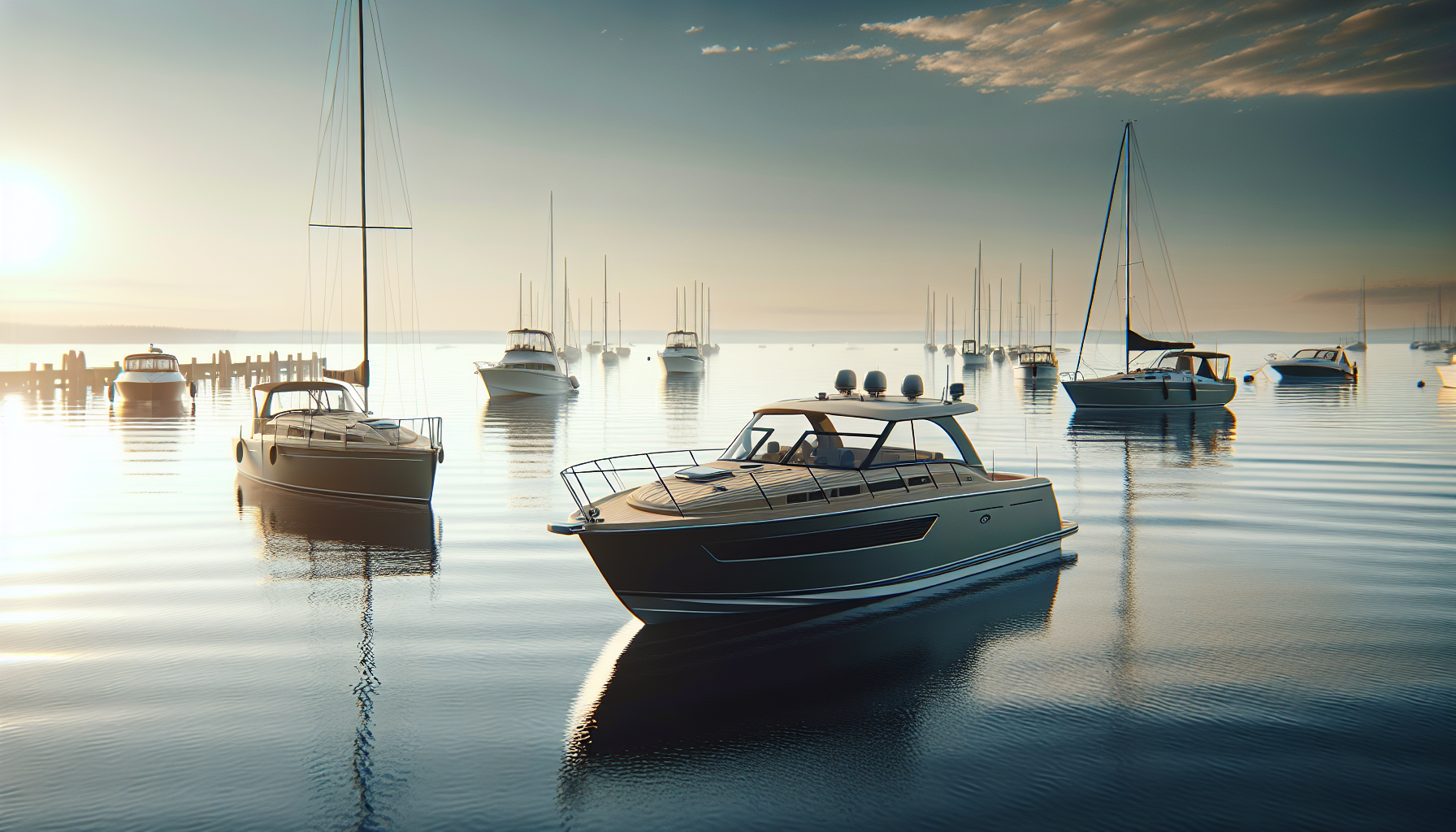
Extended travel on the water does not require a six-figure yacht. The best budget-friendly boats for extended travel are practical cruisers, compact trawlers, pilothouse sailboats, and trailerable pocket cruisers that balance purchase price, fuel economy, storage, sleeping comfort, and seaworthiness. I have helped owners compare boats for weekend cruising, coastal passages, and month-long river trips, and the same lesson comes up every time: the cheapest boat to buy is rarely the cheapest boat to own. A smart long-distance choice is one that can carry people, water, fuel, food, and safety gear without becoming expensive to maintain or hard to handle.
For this hub on best boats for overnight and long-distance trips, budget-friendly means more than a low sticker price. It means realistic annual costs, accessible replacement parts, manageable marina or trailer expenses, and systems simple enough for an owner to inspect and maintain. Extended travel means anything beyond a day trip: overnight anchoring, long weekends, coastal hopping, inland cruising, or multiweek passages where galley space, ventilation, tankage, and motion comfort start to matter. The best boats in this category are not necessarily fast. They are efficient, predictable, and forgiving.
This topic matters because a poor boat match can turn travel into constant compromise. A runabout with minimal freeboard may feel fine at the dock but becomes exhausting after six hours in chop. A cheap older cruiser with neglected plumbing, tired wiring, and thirsty engines can erase any upfront savings in a single season. By contrast, well-chosen overnight boats and long-distance boats let owners travel farther, sleep better, and spend more time underway than tied up for repairs. This guide explains the main boat types, what they do best, what they cost to run, and how to evaluate value before you buy.
What Makes a Boat Good for Overnight and Long-Distance Trips
A boat suited to extended travel needs five fundamentals: safe hull design, efficient propulsion, usable accommodations, sufficient tankage, and straightforward maintenance access. Hull design affects how the boat moves through waves, how much fuel it burns, and how fatiguing the ride feels after long hours. For overnight and long-distance trips, moderate displacement and semi-displacement hulls often outperform lightweight planing hulls on comfort and range, especially below 20 knots. Deep-V planing hulls can be excellent coastal travel boats, but only when fuel budget and weather windows are realistic.
Accommodations matter more than first-time buyers expect. A true overnight boat needs a dry berth, decent headroom, ventilation, safe deck access, and a real marine head or reliable portable setup. For trips lasting several days, a simple galley with a single-burner stove, sink, and 12-volt refrigeration changes everything. Water capacity is often the hidden limiter. Many compact cruisers can carry enough fuel for a weekend yet only enough freshwater for a day or two unless the crew is disciplined. Storage also matters; loose gear in the cabin becomes an annoyance and a safety risk in rough water.
Maintenance access is the factor that separates a bargain from a burden. I strongly favor boats where you can reach bilge pumps, strainers, batteries, seacocks, stuffing boxes or shaft seals, and fuel filters without dismantling interior furniture. On older boats, simple single-engine inboards, naturally aspirated diesels, and mechanical steering generally cost less to keep running than twin gasoline sterndrives packed into a cramped engine bay. Outboards can be economical and easy to service on trailerable cruising boats, but they reduce cockpit space and may require extra fuel storage for real range.
Best Budget-Friendly Boat Types for Extended Travel
Several categories consistently offer value. Used pocket cruisers in the 22- to 28-foot range are often the entry point. Boats such as the C-Dory 22 Cruiser, Rosborough RF-246, and older Parker pilothouse models are popular because they combine enclosed helms, simple berths, and efficient cruising speeds. These boats are especially strong for protected water, coastal hopping in fair conditions, and owners who want to trailer instead of paying full-time marina fees. Their strength is low operating cost. Their limitation is interior volume; two people can travel comfortably, but longer trips require disciplined packing.
Compact trawlers and trailerable trawler-style boats offer another strong option. The Ranger Tugs R-25, Rosborough, and older Nordic Tug models are common examples buyers cross-shop. Trawler-style boats emphasize economy, enclosed living space, and easy low-speed cruising. They are rarely the cheapest to buy new, but older used examples often hold value because owners know they can cover serious distance on modest fuel. A small diesel trawler cruising at displacement speed may burn only a few gallons per hour, making a weeklong trip financially realistic.
Older fiberglass sailboats are still among the best budget-friendly boats for extended travel if speed is not the priority. Models from Catalina, Pearson, Islander, and Pacific Seacraft can provide large interior volume for the price. For overnight and long-distance trips, sailboats bring exceptional range because wind replaces fuel for much of the passage. However, buyers need to budget for standing rigging inspections, sail condition, winches, and deck hardware. A cheap sailboat with tired rigging is not truly cheap. Still, for patient cruisers willing to learn weather, anchoring, and sail handling, few categories stretch a travel budget further.
| Boat type | Typical length | Main advantage | Main tradeoff | Best use |
|---|---|---|---|---|
| Pocket cruiser | 22–28 ft | Low operating cost and trailerability | Limited interior space | Weekends, coastal hopping, inland cruising |
| Compact trawler | 25–32 ft | Fuel-efficient long-range comfort | Higher purchase price than basic cruisers | Multi-day coastal and river travel |
| Pilothouse outboard boat | 23–30 ft | Simple service and protected helm | Cockpit space reduced by engine setup | Mixed fishing and cruising |
| Used cruising sailboat | 27–36 ft | Excellent range and interior value | Rigging and sail upkeep | Budget coastal passages and liveaboard travel |
Models Worth Considering in the Real World
Among powerboats, the C-Dory 22 Cruiser has earned a loyal following for good reason. Its nearly flat after sections let it plane with modest horsepower, while the enclosed cabin gives genuine overnight capability in a compact footprint. It is not a rough-water offshore machine, but on inland routes, protected coastal waters, and carefully planned summer cruising, it delivers outstanding efficiency. Owners often trailer it to new cruising grounds, which can save thousands annually in slip fees and expand travel options. For buyers searching used listings, condition of windows, transom core, electronics age, and trailer health matter as much as the hull itself.
The Ranger Tug line, especially older R-21 and R-25 models, is another practical benchmark. These boats use their interior volume intelligently, with enclosed heads, compact galleys, and diesel efficiency. In the used market, they are not rock-bottom cheap, but they can be cost-effective over time because they are purpose-built for cruising instead of trying to be everything at once. I have found that owners stepping up from open bowriders are often surprised by how much more usable a slow, enclosed boat becomes when weather turns cold or wet.
For sail, a Catalina 30 remains one of the classic value choices for overnight and long-distance trips. Parts are available, owner communities are extensive, and layouts are familiar to surveyors and yards. Pearson 323 and 365 models also deserve attention because they were built in an era when solid fiberglass construction and practical interiors were common. These boats can support serious coastal travel at a fraction of the cost of newer cruising yachts, but buyers should inspect chainplates, deck core around fittings, fuel tanks, and electrical upgrades carefully.
How to Judge Total Cost Instead of Purchase Price
The most important budgeting rule is to calculate annual ownership cost before making an offer. Start with storage or moorage. In many regions, a 26-foot boat kept in a slip costs substantially more each year than a trailerable 24-footer stored at home. Add insurance, registration, haul-outs, bottom paint if applicable, zincs, engine service, batteries, safety equipment, and electronics replacement reserves. Then estimate fuel based on real burn numbers at normal cruise, not brochure claims. The difference between burning 3 gallons per hour and 18 gallons per hour is the difference between frequent travel and dockside hesitation.
Survey costs are small compared with repair surprises. For used cruising boats, always budget for a marine survey and, on powered vessels, an engine inspection or oil analysis. Moisture intrusion, transom issues, soft decks, corroded tanks, and amateur wiring are common on otherwise attractive listings. I have seen buyers save $10,000 on asking price and then spend twice that sorting out fuel systems, sanitation hoses, and charging problems. The best value boat is usually the one with boring maintenance records, labeled wiring, recent hoses, and evidence that the previous owner used it regularly without neglect.
Refit priorities should follow safety and reliability first, comfort second. Replace bilge pumps, fuel lines, fire extinguishers, expired flares, battery cables, and questionable seacocks before buying new upholstery or plotter screens. For long-distance trips, invest in anchoring gear early. A modern anchor such as a Rocna or Mantus, matched to proper chain and rode, transforms overnight confidence more than cosmetic upgrades ever will. Likewise, a dependable charger, solar panel setup, and battery monitor can make a modest boat feel far more capable off-grid.
Choosing the Right Boat for Your Travel Style
The right boat depends on where and how you travel. For rivers, canals, and protected sounds, a low-draft pocket cruiser or small trawler is hard to beat. These routes reward economy, visibility, and simple docking more than raw speed. For exposed coastal runs with changing conditions, a stronger hull, better windshield protection, secure side decks, and more reserve buoyancy matter. On the Great Loop, for example, bridge clearance, fuel efficiency, and lock handling often matter more than top-end performance. In the Pacific Northwest, cabin heat, window demisting, and all-weather deck layout become bigger priorities.
Crew size changes the equation quickly. A solo traveler can cruise comfortably in a 22- to 25-foot pilothouse boat if systems are simple and lines are easy to manage from the helm. A couple planning weeks aboard usually benefits from at least a separated berth, enclosed head, and enough galley space to prepare real meals. Add children or pets, and cockpit security, rail height, shade, and storage jump up the list. Long-distance boats do not need luxury, but they do need a layout that reduces friction. Small annoyances become major issues after the third rainy day aboard.
This hub should also point you toward deeper research within the broader best boats and reviews category. As you narrow options, compare trailerable cruisers, compact trawlers, used cruising sailboats, and pilothouse boats separately, because each segment has different maintenance patterns and resale behavior. A buyer deciding between a C-Dory and a Catalina is not just choosing propulsion. They are choosing speed, draft, sleeping comfort, weather tolerance, and the kind of trips they will realistically take.
Buying Smart and Traveling Better
The best budget-friendly boats for extended travel share a simple trait: they make departure easy. They are affordable to fuel, easy to maintain, and comfortable enough that owners actually use them for overnight and long-distance trips instead of talking about someday. Pocket cruisers, compact trawlers, pilothouse outboard boats, and older cruising sailboats all deserve serious consideration, but the right answer depends on your waters, crew, towing ability, and tolerance for maintenance. Focus on hull integrity, service history, access to critical systems, and realistic operating costs before getting distracted by cosmetics or top speed.
If you remember one principle, let it be this: buy the boat that fits your travel pattern, not the fantasy version of it. Most owners cruise closer to home, carry more gear than expected, and value shelter and fuel efficiency more than speed after the first season. A well-kept, modest boat with sensible systems will take you farther and cost less than a bigger bargain with hidden defects. Use this hub as your starting point, then compare specific models, inspect carefully, and sea-trial any serious candidate in real conditions. The right budget cruising boat is out there, and choosing wisely will turn more nights aboard into good miles made.
Frequently Asked Questions
What type of boat is usually the most budget-friendly for extended travel?
For most buyers, the most budget-friendly boats for extended travel fall into four practical categories: small cruisers, compact trawlers, pilothouse sailboats, and trailerable pocket cruisers. Each of these designs can keep both purchase price and ongoing operating costs under control, but they do it in different ways. Small cruisers and pocket cruisers tend to be the easiest entry point because they are widely available on the used market, often simple to maintain, and usually efficient enough that fuel costs do not overwhelm the budget. Compact trawlers are especially attractive for people planning long river trips, intracoastal routes, or steady coastal cruising because they offer excellent fuel economy, usable storage, and a layout built around living aboard rather than day boating. Pilothouse sailboats can also be strong value choices for travelers who want the option of reducing engine hours and fuel burn while still having an enclosed helm and practical accommodations.
The best choice depends less on the sticker price and more on how you plan to travel. A couple doing month-long river cruising may get the best value from a used compact trawler with a dependable diesel, while a solo traveler or minimalist pair may find a trailerable pocket cruiser far cheaper overall because storage, transport, and maintenance are simpler. The key is to think beyond the initial purchase. A lower-cost boat that guzzles fuel, needs constant repairs, or lacks the storage and sleeping comfort for real travel can become expensive very quickly. In contrast, a slightly older but well-kept cruiser with a proven layout, efficient propulsion, and manageable systems often delivers the best long-term value. In budget boating, practicality beats glamour almost every time.
Is the cheapest boat to buy always the best deal for long trips?
No, and this is one of the most important lessons for anyone shopping for an affordable travel boat. The cheapest boat to buy is often not the cheapest boat to own, outfit, and use for extended trips. A low asking price can hide major expenses such as outdated wiring, tired engines, soft decks, leaking windows, poor fuel efficiency, obsolete electronics, or a layout that simply does not work for life aboard. Many buyers focus on getting into a boat for the smallest amount of cash upfront, only to discover that the real cost begins after the sale. Extended travel puts sustained demands on propulsion, plumbing, electrical systems, anchoring gear, sleeping arrangements, ventilation, and storage. If those basics are weak, the boat becomes a project instead of a travel platform.
A better approach is to evaluate total ownership cost. That means considering fuel burn, insurance, haul-outs, engine service, bottom maintenance, dockage, trailer requirements if applicable, and the upgrades needed to make the boat comfortable for multi-day or multi-week cruising. A boat with a higher purchase price but a strong survey, documented maintenance history, efficient engine, and sensible cruising layout can save thousands over time. In practical terms, the best budget-friendly deal is usually a boat that has already been maintained by a careful owner and is ready to travel with minimal refit. When comparing options, ask not just “What does it cost today?” but also “What will it cost me to cruise confidently for the next three years?” That question usually reveals the smarter buy.
What features matter most in a budget boat for week-long or month-long cruising?
The most important features are the ones that directly affect comfort, safety, and operating efficiency over time. Sleeping comfort matters more than many first-time buyers expect. A boat that feels acceptable for one night at anchor may become frustrating after a week if the berth is cramped, damp, or difficult to access. Storage is equally important. Extended travel requires room for clothing, food, tools, spare parts, safety gear, and personal items, and boats with clever built-in storage are far easier to live with than boats that force everything into loose bins. Galley functionality also deserves serious attention. Even a simple setup with a safe stove, usable counter space, and practical refrigeration can dramatically reduce travel costs by making it easier to cook aboard instead of relying on marinas and restaurants.
From an operational standpoint, fuel economy, range, and system simplicity should be near the top of the list. Efficient displacement or semi-displacement hulls are often excellent for affordable long-distance travel because they stretch fuel farther and place less strain on the budget. Reliable ventilation, a protected helm, an enclosed head if possible, and decent tankage for water and fuel also improve livability. Seaworthiness matters too, but it should be matched to your plans. A coastal cruiser does not need to be an offshore expedition vessel, but it should have solid construction, predictable handling, and the ability to keep crew dry, rested, and safe in changing conditions. The best budget travel boats are not overloaded with luxury features. They succeed because the essentials are well designed, durable, and easy to maintain.
Are trailerable pocket cruisers good enough for extended travel?
Yes, in many cases they are, especially for travelers who value low ownership costs, flexibility, and simplicity. Trailerable pocket cruisers can be an outstanding choice for extended travel when the route, crew size, and expectations match the boat’s limitations. Their biggest advantage is cost control. Because they can often be stored on a trailer instead of in a marina, owners may save significantly on slip fees, haul-outs, and seasonal storage. They are also easier and cheaper to transport to different cruising grounds, which opens up opportunities for affordable river trips, protected coastal cruising, and lake-to-lake adventures without the expense of running long offshore passages under power. For many owners, that flexibility is one of the strongest arguments in favor of a pocket cruiser.
That said, success in a smaller boat depends on realistic planning. Extended travel on a trailerable cruiser usually works best for one or two people who pack carefully and prioritize efficient living over extra space. Water capacity, fuel capacity, standing headroom, and onboard storage are typically more limited than on larger cruisers or compact trawlers, so the crew must be organized and comfortable with a more minimalist routine. The ideal pocket cruiser for travel has a well-protected cabin, secure deck layout, dependable propulsion, simple systems, and a berth arrangement that does not require a complete nightly rebuild of the interior. If your style of cruising emphasizes protected waters, frequent stops, smart provisioning, and moderate daily runs, a trailerable pocket cruiser can deliver some of the best value in boating. It may not feel luxurious, but it can absolutely be capable, economical, and rewarding for extended trips.
How can buyers choose a used boat that is affordable now and still dependable later?
The smartest buyers combine discipline, patience, and a clear travel mission. Start by defining how you will actually use the boat: weekend cruising, coastal hops, inland waterways, or month-long trips with regular anchoring. That mission immediately narrows the field and helps prevent expensive compromises. Once you know the type of travel you want, focus on proven models with a reputation for practical layouts, accessible systems, and steady resale demand. Boats that sold well in their time often have better owner communities, easier parts support, and more real-world feedback on what breaks and what lasts. This can make a tremendous difference when shopping on a budget, because a dependable older model with a known track record is usually safer financially than an obscure bargain with unanswered questions.
Always invest in a professional marine survey and, where appropriate, a mechanical inspection. A survey is not just a formality; it is one of the best tools for avoiding false economy. Pay close attention to hull condition, moisture issues, stringers, deck integrity, fuel tanks, wiring, plumbing, windows, and engine history. Ask for maintenance records and look for signs of steady care rather than flashy cosmetic updates. A clean bilge, organized wiring, dry interior, and detailed service file often tell you more than shiny upholstery. It is also wise to leave room in the budget for immediate post-purchase needs such as safety equipment, anchor gear, batteries, navigation electronics, or sanitation repairs. The most dependable budget boat is rarely the one that looks the prettiest on day one. It is the one with sound bones, honest documentation, manageable systems, and a layout you can comfortably live with for the kind of travel you actually intend to do.