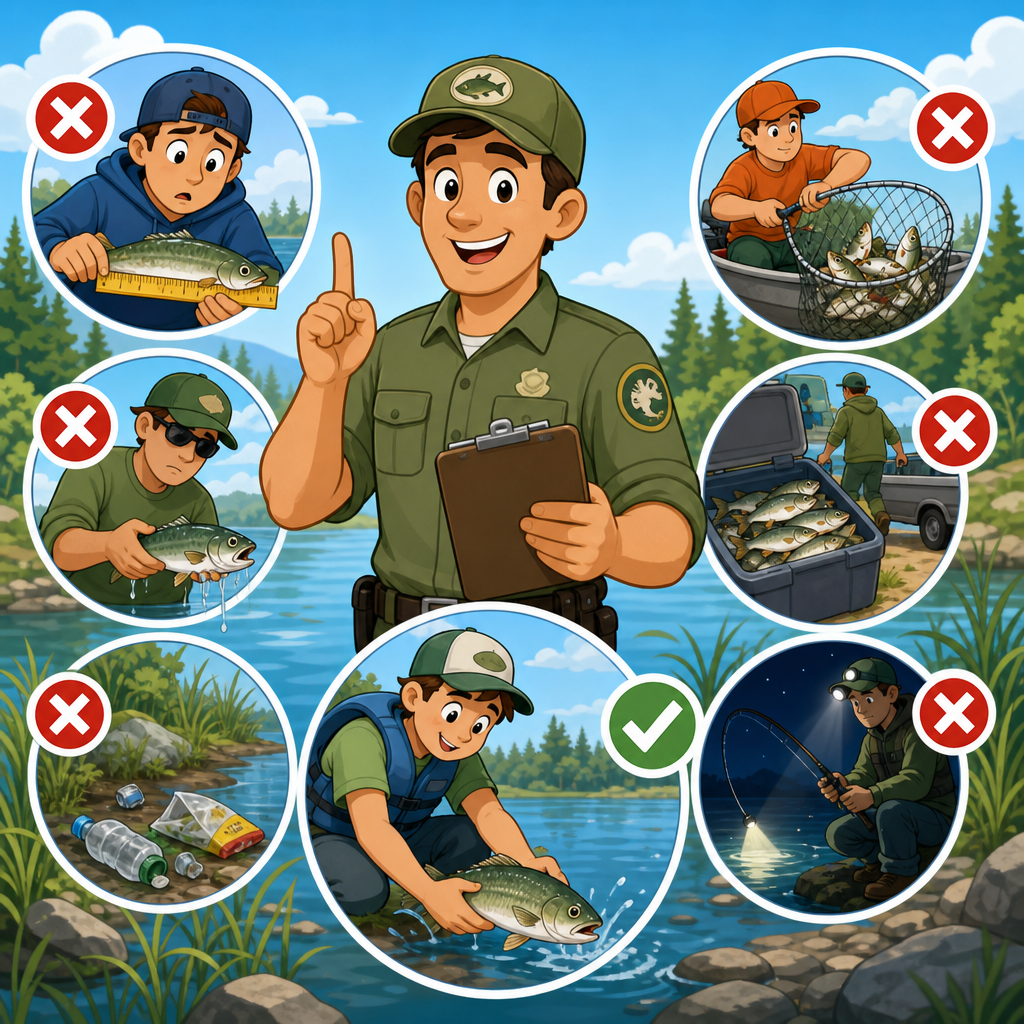
Fishing law violations are usually preventable, yet they remain one of the most common reasons anglers receive citations, lose equipment, or damage access for everyone else. In this hub on fishing regulations and licensing, the core issue is simple: every state manages fish and waterways through rules that control who can fish, where they can fish, when they can fish, and what they can keep. Those rules include license requirements, species limits, size restrictions, gear rules, harvest reporting, invasive species controls, and boating-related obligations that apply while traveling to and from the water. I have spent years reading regulation booklets, checking emergency orders before dawn, and helping boaters untangle citations that came down to one overlooked detail. The pattern is consistent. Most violations do not come from deliberate poaching. They come from assumptions, outdated habits, and confusion about overlapping state, federal, tribal, and local authority. That matters because fishing regulations are conservation tools, not paperwork for its own sake. Bag limits protect breeding populations, seasonal closures protect spawning fish, and gear restrictions reduce bycatch and habitat damage. For anglers, following the rules also protects licenses, insurance claims, tournament eligibility, and future access. This page explains the most common fishing law violations and how to avoid them, with practical examples tied to licensing, catch limits, equipment, transport, and recordkeeping.
Fishing without the right license or permit
The most frequent fishing law violation is fishing without a valid license, stamp, tag, or permit for the water, species, method, or season involved. A basic annual fishing license is often only the starting point. Many states require separate trout stamps, salmon report cards, lobster permits, harvest tags for species like sturgeon or paddlefish, or free but mandatory permits for certain public waters. Age exemptions, veteran exemptions, and free-fishing days create more confusion because anglers assume one exception covers every circumstance. It does not. In practice, I see this happen when someone buys a resident license after moving but before meeting residency rules, carries an expired auto-renew card, or launches into boundary waters where a neighboring state license is also required. Avoid this by reading the current regulations for the exact waterbody, then buying the license package that matches your activity. Keep digital and paper proof when allowed, and verify whether your state requires a signature, carcass tag, or immediate harvest record. If you fish from a charter, confirm whether the operator’s license covers passengers. Do not guess.
Ignoring seasons, closed areas, and emergency rule changes
Open water does not always mean open fishing. States and federal agencies routinely close seasons to protect spawning runs, reduce pressure during low returns, or respond to water temperature stress. Some areas stay closed year-round near dams, fish ladders, hatchery outfalls, bridges, or marine protected zones. Others use rotating closures, quota-triggered shutdowns, or in-season emergency orders that supersede printed booklets. Salmon, striped bass, red snapper, and steelhead fisheries are especially prone to rapid changes because managers react to real catch data. I have watched anglers receive tickets while standing beside signs because they relied on last year’s regulations or a tackle-shop rumor. The fix is disciplined pre-trip checking. Review the agency website the night before and again the morning of the trip, especially for quota-managed or temperature-sensitive fisheries. Save screenshots in case cell service disappears. Study maps carefully, because many violations happen at invisible lines on reservoirs, river confluences, and offshore boundaries. When a closure description says “from the mouth to the railroad trestle,” identify those landmarks before launching, not after you hook a fish in restricted water.
Keeping the wrong fish: size limits, bag limits, and possession limits
Harvest violations often look minor but carry serious consequences because they directly affect fish populations. Common mistakes include keeping undersized fish, retaining over-slot fish, exceeding the daily bag limit, or misunderstanding the possession limit during multiday trips. Size rules vary widely. One state may allow a protected slot where only smaller and larger fish are legal, while another requires immediate release of any fish above a maximum length to preserve brood stock. Measurement methods also matter. Regulations may require total length with the mouth closed and tail compressed, fork length on pelagic species, or carapace measurement on crustaceans using a rigid gauge. Bag limits cap what you can harvest in one day; possession limits cap what you can have in your custody, vehicle, cooler, or freezer. To avoid trouble, carry a legal measuring device, not a worn tape with missing marks. Measure every borderline fish before it goes into the livewell. Count fish by species out loud with your crew. Label freezer packages by date and species where required. If a rule says “aggregate limit,” learn exactly which species group together.
| Violation type | Typical example | How to avoid it |
|---|---|---|
| License deficiency | Annual license purchased, but no trout stamp for stocked waters | Check species and water-specific permits before leaving home |
| Season or area closure | Fishing below a dam inside a posted spawning closure | Review current agency maps and emergency orders |
| Size or bag limit | Keeping a fish outside the legal slot limit | Measure every borderline fish with a rigid ruler |
| Gear restriction | Using two rods where only one is allowed | Match rods, hooks, bait, and nets to local rules |
| Transport or reporting | Failing to validate a harvest tag before moving the fish | Complete tags and catch reports immediately |
Using prohibited gear, bait, or fishing methods
Gear restrictions are more technical than many anglers expect, and wardens enforce them closely because they affect fairness, fish survival, and habitat impact. Violations include fishing with too many rods, using more hooks than allowed, exceeding line limits on ice setups, snagging fish outside legal circumstances, or using cast nets, gaffs, gigs, or traps where prohibited. Bait restrictions are equally important. Some waters ban live bait entirely, while others prohibit transport of live fish, use of game fish as bait, or possession of certain invasive species such as round gobies or rusty crayfish. Artificial-lure-only streams, single-point-hook rules, and barbless-hook sections are common on trout and salmon water. Trotlines, jug lines, spearfishing, and bowfishing may be legal only in narrow windows. The safest habit is to build a compliance checklist for each fishery. I keep separate tackle trays labeled for barbless rivers, saltwater reef species, and live-bait lakes because cross-packing gear invites mistakes. Read hook definitions carefully; some states count a treble as one hook, others as three points under method restrictions. If you cannot explain your rig clearly to an officer, simplify it before fishing.
Mishandling catch, release rules, and protected species
Many anglers think a release requirement ends once the fish swims away, but the law often regulates how that release happens. Protected species, out-of-season fish, and fish outside legal size windows usually must be released immediately, and “immediately” means without avoidable delay for photos, transport, or repeated weighing. Some jurisdictions prohibit removing certain species from the water at all. Others ban targeting fish in closed seasons even if you intend to release them. That distinction matters. If you are drift fishing a known salmon run during a closure with salmon gear, an officer may conclude you are illegally targeting closed fish regardless of your stated intent. Handling rules also protect species with high post-release mortality. Tarpon, sturgeon, wild steelhead, and some shark species have specific release mandates. Use rubberized nets, wet hands, proper dehookers, and descending devices where required in reef fisheries. NOAA and many state agencies increasingly require venting or descending tools because barotrauma kills released bottom fish. Learn species identification in detail. Misidentifying a prohibited rockfish, juvenile grouper, or wild trout as a legal species is still a violation, and a common one.
Breaking transport, cleaning, and documentation rules
Violations do not stop at the dock. Transport and storage rules govern how fish move from water to home and how officers can verify legality. Many states require skin patches, heads, or whole carcasses to remain attached until you reach a residence or a final processing facility. That lets officers identify species and measure size after filleting. Anglers get cited when they clean fish on the water and discard carcasses before landing, making enforcement impossible. Documentation rules are equally strict for tagged or reported fisheries. Harvest cards may require notching the date immediately upon retention. Electronic reporting deadlines can be same-day or within twenty-four hours. For species such as tuna, halibut, or sturgeon, vessel permits, landing records, and carcass tags may all apply. Interstate travel adds another layer because Lacey Act enforcement can attach when fish are taken or transported illegally across state lines. My rule is simple: keep fish identifiable and paperwork current until you are completely done transporting. Use waterproof tag holders, store licenses on your phone and in the glove box, and know whether your state requires fish from different anglers to be kept separately.
Boating-related violations that overlap with fishing trips
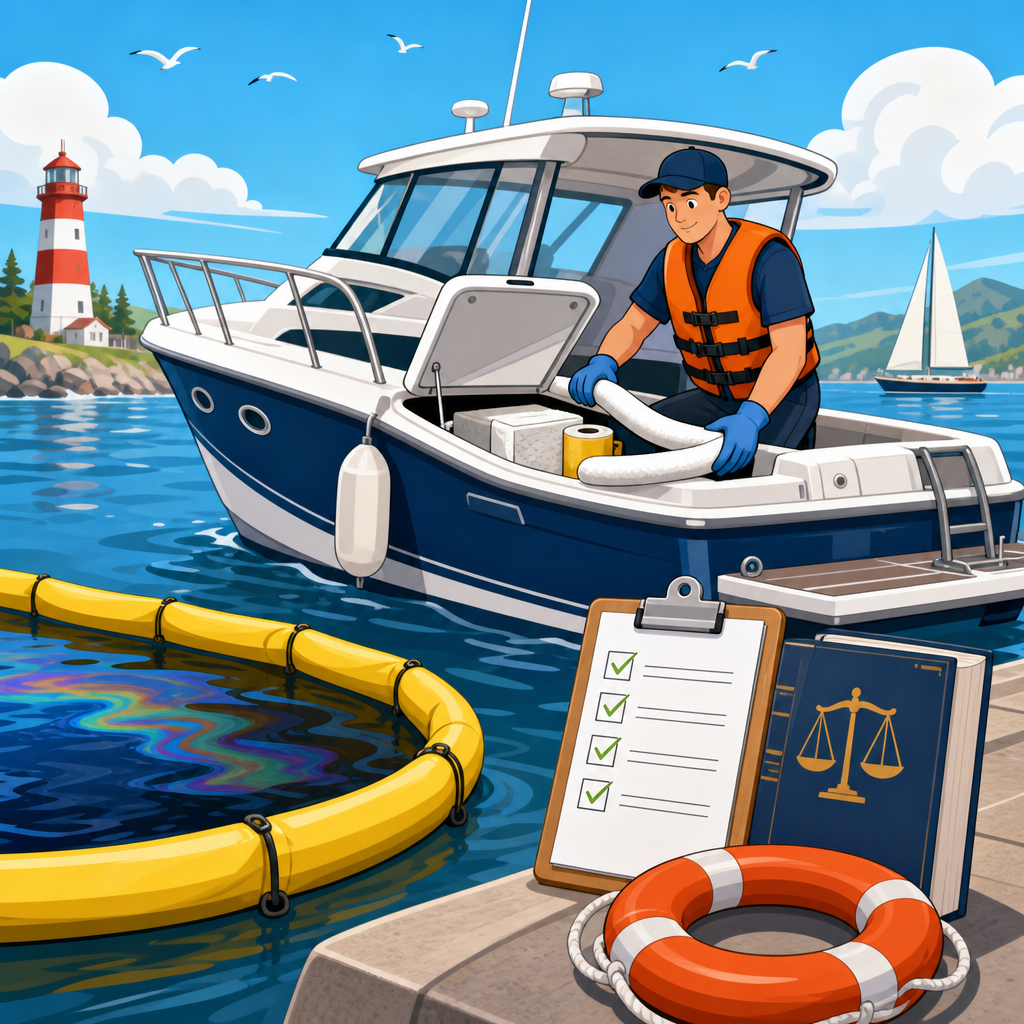
Because this article sits under boating laws and regulations, it is important to state clearly that many “fishing” citations begin as boating stops. Officers checking life jackets, navigation lights, registration numbers, fire extinguishers, sound devices, invasive species tags, or sober operation often discover fishing violations during the contact. The reverse is also true: an angler stopped for an over-limit may receive additional boating citations if required safety gear is missing. Common overlaps include fishing from an unregistered boat where registration is required, anchoring in marked channels, operating too close to swimmers, or failing to display lights while night fishing. On some waters, mussel inspection requirements and drain-plug rules carry substantial penalties. Guides and tournament anglers may also face marine sanitation, Coast Guard, or passenger-carrying rules depending on vessel type and waters navigated. Prevention is procedural. Before every trip, run both a boating compliance check and a fishing compliance check. Confirm registration, PFD count, throwable device, horn or whistle, lights, and invasive species requirements. Keep fish and boating documents together in one dry case so you can answer questions efficiently during an inspection.
How to avoid violations every trip
The best defense is a repeatable system, not memory. Start with the official regulations page for the state or managing authority, not social media summaries. Then confirm four basics: license package, open season, location boundaries, and harvest or gear rules for your target species. Build a trip card in your phone notes with the waterbody name, county, launch, legal methods, limit, and emergency-order link. If children, guests, or visiting relatives are aboard, review the rules before the first cast because the boat owner often gets drawn into enforcement conversations. Carry a rigid ruler, species ID guide, extra pens for tags, and a charged phone. When rules are ambiguous, choose the conservative option. Release the fish, switch the rig, or move areas. That approach has saved me more than once on fast-changing salmon and striped bass seasons. Finally, use this hub as your starting point for deeper pages on state fishing licenses, saltwater permits, catch-and-release rules, invasive species transport, and charter-boat compliance. Better preparation means fewer citations, healthier fisheries, and more time doing what you came to do: fish legally and confidently every season.
Fishing regulations and licensing can feel dense, but the common violations are remarkably predictable. Most cases trace back to five avoidable errors: lacking the correct license, missing a season or area closure, keeping fish outside legal limits, using unlawful gear or bait, and failing transport or reporting rules after the catch. Add boating compliance to that list, and the picture becomes complete for most freshwater and saltwater anglers. The practical takeaway is not to memorize every rule in every state. It is to build a reliable process for the specific water you will fish that day. Read the current agency rules, confirm permits and stamps, verify boundaries, measure fish carefully, and keep harvest records current from the moment a legal fish is retained. Use identifiable storage, maintain required safety gear on the boat, and treat emergency rule changes as part of normal trip planning. Those habits reduce citations and support the conservation purpose behind every limit and closure. If you want fewer surprises at the ramp or during a warden stop, use this hub to review each part of fishing regulations and licensing before your next trip, then check the official rules for your exact destination.
Frequently Asked Questions
What are the most common fishing law violations anglers get cited for?
The most common fishing law violations usually come down to a handful of preventable mistakes: fishing without a valid license, keeping too many fish, keeping fish that are under the legal size limit, fishing during a closed season, using prohibited gear, and failing to follow location-specific rules. In many states, anglers are also cited for not carrying proof of their license, not completing required harvest reporting, or misunderstanding special regulations on rivers, reservoirs, piers, and protected areas. These violations are common because fishing rules often vary by species, body of water, time of year, and even the method you use to fish.
Another frequent problem is assuming that general statewide rules apply everywhere. In reality, many waters have exceptions that override standard limits. For example, one lake may allow harvest of a species that is catch-and-release only elsewhere, or a river section may have stricter hook, bait, or artificial-lure requirements. Some anglers also run into trouble by transporting fish in ways that make it impossible for officers to verify species or length compliance. Even honest mistakes can still result in citations, equipment seizure, or loss of fishing privileges, which is why checking the current regulations before every trip is one of the smartest habits any angler can develop.
How can I make sure I have the right fishing license and permits before I go?
The safest approach is to verify your license requirements directly through your state fish and wildlife agency before every trip. Start by confirming whether you need a resident or nonresident license, whether your age affects licensing requirements, and whether you need additional permits for certain species or fishing locations. Many states require extra tags, stamps, or endorsements for trout, salmon, shellfish, saltwater fishing, or harvest of specific game fish. If you are fishing across state lines, do not assume one license covers neighboring waters unless the state specifically recognizes a reciprocity agreement.
You should also pay attention to expiration dates, short-term license periods, and digital versus printed proof requirements. Some states accept mobile licenses, while others may expect you to produce identification or a physical copy on demand. If you are on a guided trip, do not assume the guide’s credentials cover you unless the law clearly says so. The best way to avoid a licensing violation is to buy the correct license from an official source, store proof where you can access it quickly, and review any species-specific permit requirements tied to your target fish. A two-minute check before you leave home can prevent a costly citation and a ruined day on the water.
How do size limits, bag limits, and seasons work, and why do anglers get them wrong so often?
Size limits, bag limits, and seasonal closures are designed to protect fish populations and keep fisheries healthy over time. A size limit tells you the legal length a fish must be to keep, whether that means a minimum size, a maximum size, or a slot limit where only fish within or outside a certain range may be retained. A bag limit sets the maximum number of fish you may keep in a day, while a possession limit may restrict how many you can have in your control at one time, including fish stored in a cooler, vehicle, or camp. Seasons determine when a species may legally be targeted or harvested, and some waters may close entirely during spawning periods or conservation windows.
Anglers often get these rules wrong because they rely on memory, old regulation booklets, secondhand advice, or assumptions based on past trips. Regulations can change from year to year and can differ dramatically by species and waterbody. One of the most effective ways to stay legal is to measure fish immediately with a reliable measuring device, count your catch carefully, and stop harvesting as soon as you reach the daily limit. It is also important to know whether your state counts released fish in certain tournaments or special harvest systems, and whether filleting fish on the water is restricted. When in doubt, release the fish and verify the rule later. That conservative decision is usually the safest one.
What gear and method restrictions should anglers watch for to avoid accidental violations?
Gear restrictions are a major source of accidental violations because they can be highly specific and vary widely depending on where and what you are fishing. Common examples include limits on the number of rods, hooks, or lines you may use; restrictions on treble hooks, barbed hooks, lead tackle, snagging gear, nets, traps, or set lines; and rules requiring artificial lures only in certain waters. Some states also regulate the use of live bait, especially baitfish that could spread invasive species or fish disease. In fly-fishing-only areas, for example, using spinning tackle may be illegal even if your target species and license are otherwise lawful.
Method restrictions can be just as important as tackle rules. Fishing from a boat in a no-motor zone, targeting fish at night where night fishing is prohibited, or using a cast net in waters where it is banned can all lead to enforcement action. In some fisheries, even how you handle your catch matters, particularly in catch-and-release or protected-species situations. To avoid trouble, read the water-specific regulations closely, inspect your tackle before you start, and do not rely on what other anglers nearby are doing. People around you may be uninformed, exempt, or already violating the law. Your best defense is knowing the exact rules that apply to your location, species, and technique.
What are the best practical steps to avoid fishing law violations on every trip?
The best way to avoid violations is to build a simple pre-trip compliance routine. First, confirm the current regulations for the exact water you plan to fish, not just the general statewide summary. Second, verify your license, permits, and any required tags or harvest cards. Third, check the rules for your target species, including season dates, size limits, bag limits, possession limits, and any gear restrictions. Fourth, pack the right tools: a current copy of the regulations or official app, a valid measuring device, identification, and a way to record harvest if your state requires immediate reporting. These steps take very little time and eliminate most of the guesswork that causes violations.
It also helps to make careful decisions once you are on the water. Measure fish before placing them in the cooler, keep different anglers’ catches separated only if allowed and clearly lawful, and never keep a fish unless you are certain it meets the regulations. If a conservation officer approaches, be respectful, cooperative, and ready to show your license and catch. Most importantly, stay current. Fishing laws change to respond to habitat conditions, population data, and conservation needs. Treat regulation checks as part of your normal trip planning, just like checking weather or fuel. That mindset not only protects you from citations, fines, and equipment loss, but also helps preserve fisheries and public access for everyone.