Buying your first boat is exciting, but the wrong purchase can turn a weekend hobby into a steady drain on your budget. The best affordable boats for first-time buyers are not simply the cheapest models on a dealer lot or classifieds site. They are boats with manageable purchase prices, predictable operating costs, forgiving handling, and layouts that match how new owners actually spend time on the water. In practice, affordability means total ownership cost: financing, insurance, storage, fuel, maintenance, safety gear, registration, and towing requirements.
I have helped first-time buyers compare entry-level fishing boats, pontoon boats, aluminum utility boats, bowriders, and compact center consoles, and the same pattern appears every season. Beginners usually focus on sticker price, then underestimate the costs tied to engine size, trailer condition, marina fees, and basic equipment. A truly affordable first boat leaves room in the budget for life jackets, electronics, routine service, and the inevitable upgrades that follow a few months of use.
This matters because first-time ownership decisions shape whether boating feels simple or stressful. A 16-foot aluminum boat with a reliable outboard and trailer can open the door to years of low-cost use on lakes and rivers. A larger used cruiser bought at a bargain price can quickly become expensive if it needs upholstery, bellows service, bottom paint, or slip fees. For a beginner, the best value usually comes from modest size, mechanical simplicity, and broad versatility.
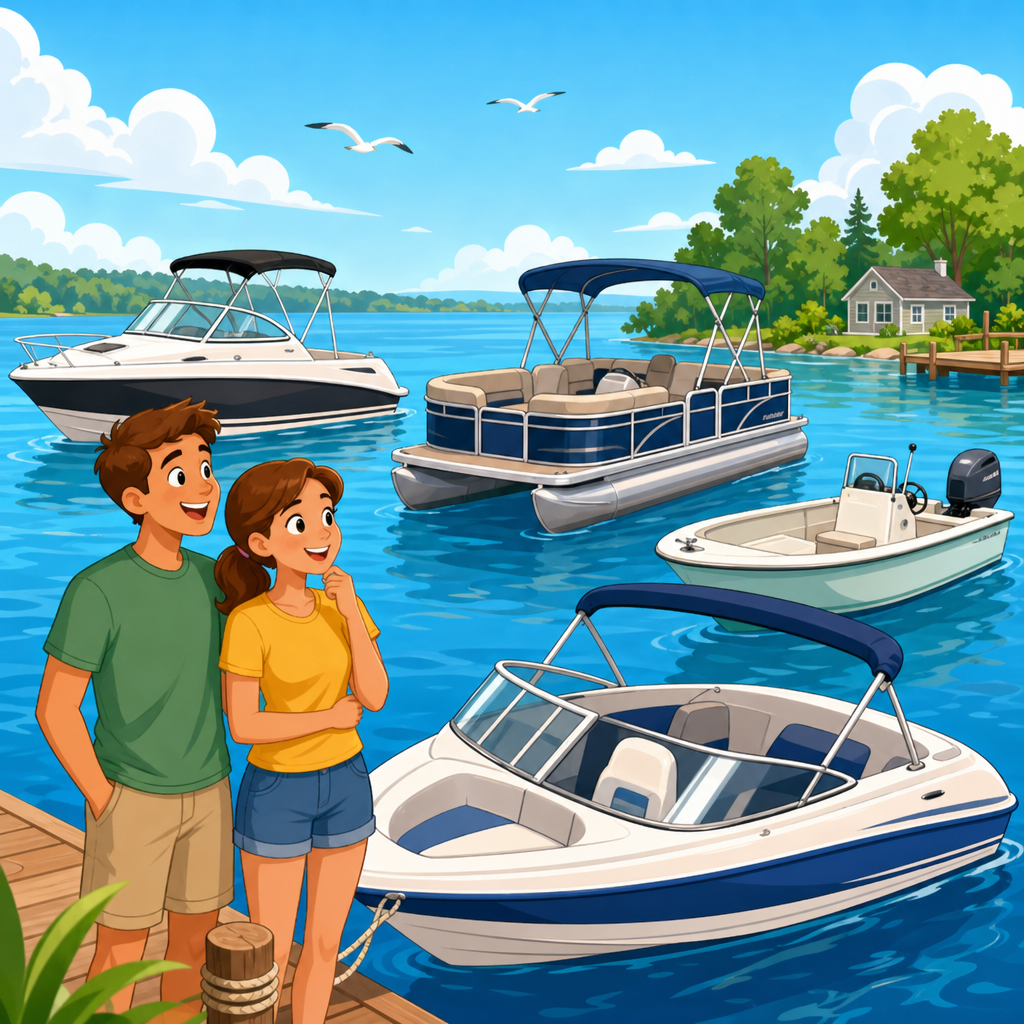
Most affordable boats fall into a few clear categories. Aluminum fishing boats are among the cheapest to buy and operate, especially in tiller or basic side-console setups. Small pontoons offer comfort and family-friendly space at lower speeds. Entry-level bowriders deliver all-around recreation for lakes and sheltered coastal areas. Compact center consoles provide fishability and straightforward washdown. Human-powered and electric-ready boats can reduce operating expenses even further for buyers focused on local waters.
As a hub for the most affordable boats, this guide explains which boat types make sense, what they typically cost, what tradeoffs to expect, and how to choose a model that stays affordable after the sale. If you are comparing new versus used, wondering how much horsepower you really need, or trying to avoid common first-buyer mistakes, the sections below will give you a practical framework for making a smart first purchase.
What makes a boat affordable for a first-time buyer
An affordable boat is one you can buy, launch, insure, maintain, and store without financial strain. For most first-time buyers, that points to boats between roughly 10 and 20 feet with simple systems and outboard power under 115 horsepower. These boats are easier to tow with midsize vehicles, easier to launch at public ramps, and easier to service than larger sterndrive or inboard models. They also limit fuel burn, which is one of the fastest-rising ownership costs when buyers move up in size and horsepower.
Affordability starts with acquisition cost, but it does not end there. New entry-level boats can offer warranty coverage and predictable reliability, while used boats often deliver better value if the hull, engine, and trailer are sound. In many markets, a clean used aluminum fishing boat package can cost less than a year of payments on a new premium rig. At the same time, a neglected used boat with soft flooring, poor compression, or cracked trailer tires can erase every dollar saved on the asking price.
When I walk first-time buyers through a realistic budget, I break costs into fixed and variable categories. Fixed costs include loan payments, registration, insurance, winterization in cold climates, storage, and annual service. Variable costs include fuel, launch fees, bait, cleaning supplies, and wear items such as batteries or bilge pumps. This exercise often changes the shortlist quickly. A buyer who thought a 21-foot runabout was affordable may realize that a 17-foot aluminum deep-V fits both budget and usage far better.
Another overlooked factor is learning curve. Beginners benefit from boats that are stable at rest, predictable at the dock, and not intimidating in wind or current. A cheaper boat that is hard to handle is not a bargain if it discourages use. Simple helm layouts, visible corners, and moderate horsepower make training easier and reduce the risk of accidental damage. That practical ease is one reason many small pontoons, utility boats, and compact bowriders remain strong entry points year after year.
Best affordable boat types for beginners
Different buyers define value differently, so the best affordable boats depend on your water, your passengers, and your priorities. For calm inland lakes, a pontoon or bowrider may offer the best mix of comfort and versatility. For anglers on lakes and rivers, aluminum fishing boats and compact center consoles usually lead the value conversation. For shallow water, duck hunting, or utility use, jon boats and small skiffs remain hard to beat. The right choice is the one that fits your most common trip, not your once-a-year fantasy outing.
| Boat type | Typical entry price range | Best for | Main affordability advantage | Primary tradeoff |
|---|---|---|---|---|
| Aluminum fishing boat | $8,000–$25,000 used or basic new package | Lakes, rivers, fishing, light family use | Low fuel burn, simple systems, easy towing | Less comfort and offshore capability |
| Jon boat | $3,000–$15,000 | Shallow water, hunting, ponds, utility tasks | Very low purchase and operating cost | Basic ride quality and limited amenities |
| Pontoon boat | $15,000–$35,000 used or entry-level new | Families, cruising, swimming, calm lakes | Space and stability for the price | Storage size and lower rough-water performance |
| Bowrider | $12,000–$30,000 used, higher new | Watersports, day cruising, mixed recreation | Versatile layout with broad resale appeal | Sterndrive versions can cost more to maintain |
| Small center console | $15,000–$40,000 | Fishing, bay use, simple coastal boating | Open deck, easy cleaning, durable use case | Less seating and weather protection |
Aluminum fishing boats are my most frequent recommendation for first-time buyers who want low cost and low drama. Brands such as Tracker, Lund, Alumacraft, Crestliner, and Lowe offer practical packages with trailer, trolling motor options, and modest outboards. These boats are durable, light enough for many crossovers and midsize SUVs to tow, and inexpensive to fuel. A 40- to 75-horsepower outboard on a 16- to 18-foot aluminum hull can cover a surprising amount of real-world boating for a modest budget.
Jon boats are even cheaper, especially for buyers who fish small lakes, backwaters, and marshes. Their flat-bottom design provides shallow draft and exceptional utility, though the ride gets harsh in chop. For some beginners, that tradeoff is acceptable because ownership is so simple. You can launch quickly, clean them easily, and often store them at home without major hassle. If your boating is local and practical, a jon boat may be the purest affordable option on the market.
Pontoons earn their place because they deliver a lot of usable space per dollar. Families with children, older passengers, or dogs often enjoy them more than narrower hulls. They are easy to board, stable when people move around, and well suited to picnics, sunset cruises, and swimming days on calm lakes. Insurance and storage can be higher than with a small aluminum boat, but many first-time buyers find the comfort worth it. A basic pontoon with a 60- to 90-horsepower outboard can remain economical while still carrying a crowd.
Bowriders are classic starter boats because they do many jobs well enough. You can tow a tube, cruise with friends, stop at a sandbar, and still keep the package trailerable. The affordability warning here is propulsion. Outboard bowriders are often simpler and less expensive to maintain than sterndrive models, especially in brackish or saltwater use. I have seen many buyers get lured by cheap older sterndrive runabouts only to face costly transom assembly or exhaust manifold repairs shortly after purchase.
Small center consoles, especially in the 17- to 20-foot range, work well for anglers and coastal beginners who need a simple layout and easy washdown. Brands such as Boston Whaler, Mako, Carolina Skiff, Key West, and Robalo all appear in the affordable used market, though prices vary sharply by region. These boats hold value because they are versatile and durable. The downside is fewer comfort features, but if your priority is fishing and short day trips, a center console can be one of the smartest first buys available.
Should you buy new or used
For most first-time buyers searching for the most affordable boats, used boats provide the strongest value. Depreciation is steepest in the early years, and a well-kept three- to ten-year-old package can offer modern reliability at a significantly lower price than a brand-new rig. A used boat may also include expensive extras such as fishfinders, life jackets, anchors, covers, and upgraded trailers. Those additions matter because outfitting a bare boat after purchase can add thousands of dollars to the real entry cost.
New boats still have advantages. Warranty support lowers risk, financing is often easier through dealers, and you know exactly how the boat has been used and stored. For buyers who are not mechanically inclined and want maximum predictability, a basic new aluminum boat or pontoon package can make sense. The problem is feature creep. Once buyers add larger engines, premium seats, touchscreen electronics, upgraded trailers, and cosmetic packages, affordability disappears quickly. The best new-boat strategy is disciplined simplicity.
When evaluating used boats, inspect the engine first, then the trailer, then the hull and systems. Request service records, verify the HIN and title status, and test everything from lights to livewells. Compression testing on older outboards is worthwhile, and a marine survey is smart for larger purchases. I also check tire date codes, wheel bearings, bunks, brake lines, and transom condition because trailer problems and hidden structural issues are common budget killers. A sea trial is essential; boats reveal more under load than on a hose at home.
How to budget beyond the purchase price
A useful rule for first-time buyers is to reserve 10 to 20 percent of the purchase price for immediate post-sale needs. That money covers registration, safety equipment, lines, fenders, PFDs, a fire extinguisher, maintenance items, and small repairs. On used boats, I often recommend changing fluids, replacing the water pump impeller if history is unclear, checking batteries, and refreshing trailer bearings before the first full season. These are not glamorous expenses, but they protect reliability and prevent more expensive failures.
Storage and towing deserve special attention. Dry-stack or marina slip fees can make a cheap boat expensive, while home storage can save thousands per year if local rules allow it. Towing also affects affordability because vehicle limits matter. A package that pushes your tow rating may require a different vehicle, better mirrors, or brake controller upgrades. Many first-time owners stay happiest with boats light enough for easy, stress-free trailering. If launching feels difficult every time, the boat tends to sit unused.
Fuel economy varies dramatically by hull and engine setup. Small aluminum boats and moderate-horsepower pontoons can be surprisingly efficient, especially at cruising speeds. Larger runabouts with big sterndrives are not. Insurance premiums are usually reasonable for entry-level boats, but location, horsepower, and boating history change the number. Get quotes before you buy. I have seen buyers assume coverage would be cheap, then discover coastal exposure or high engine value pushed premiums above expectations.
How to choose the right affordable first boat
The best way to choose is to define your primary use in one sentence. If your answer is “I want to fish small lakes with one friend,” your shortlist is very different from “I want to cruise with six family members on weekends.” Match the boat to 80 percent of your actual use, not to every possible scenario. Then set hard limits for purchase price, total annual cost, and towing weight. Those three numbers remove a lot of confusion and keep emotion from overruling practicality.
Finally, buy the cleanest, simplest boat that fits your water and your routine. Prioritize reliability, usable layout, and safe trailering over flashy electronics or maximum horsepower. For most beginners, the sweet spot is a modest outboard-powered package from a mainstream brand with strong parts support and resale demand. Start small, learn what you truly enjoy, and upgrade later if your habits change. If you are comparing options now, build a shortlist of three boat types, inspect examples in person, and choose the one you can afford to use often, not just afford to buy.
Frequently Asked Questions
What makes a boat truly affordable for a first-time buyer?
A boat is only truly affordable when the total cost of ownership fits your budget, not just the sticker price. Many first-time buyers focus on the purchase price alone, but affordability also includes financing, insurance, storage, registration, maintenance, fuel, safety gear, and occasional repairs. A lower-priced boat can become expensive quickly if it has an inefficient engine, requires marina storage, or needs constant mechanical work. On the other hand, a slightly newer or simpler model may cost more upfront but save money over time through lower maintenance and better fuel economy.
For most beginners, the best affordable boats are modest in size, easy to trailer, and powered by reliable, common engines with widely available parts. Boats in the 16- to 20-foot range often hit the sweet spot because they are large enough for family fun and beginner-friendly activities, but still manageable when it comes to towing, docking, cleaning, and storing. Affordability also depends on how you plan to use the boat. If you mostly want calm-water cruising, sandbar trips, and occasional fishing, a simple bowrider, small center console, or aluminum fishing boat may offer better long-term value than a larger, more specialized boat. The most affordable first boat is the one you can comfortably buy, operate, maintain, and still enjoy without financial stress.
What types of boats are usually best for first-time buyers on a budget?
First-time buyers on a budget usually do best with versatile, uncomplicated boats that are widely available on the used market. Bowriders are a popular starting point because they work well for cruising, light watersports, and family day trips, and many models are easy to trailer and maintain. Aluminum fishing boats are another strong choice, especially for lakes and rivers, because they are durable, lightweight, fuel-efficient, and often less expensive to own than fiberglass models. Small center consoles can also be a smart buy for beginners who want a simple all-around platform for fishing, nearshore use, and casual boating.
Pontoon boats can be a good affordable option as well, particularly for buyers focused on comfort, entertaining, and relaxed cruising rather than speed or rough-water performance. They often provide a lot of usable space for the money, though storage and towing needs can increase with size. In many cases, the best beginner boat is not the one with the most features, but the one with the fewest complications. Simple layouts, moderate horsepower, and proven construction matter more than premium electronics or luxury upgrades. Boats with one clear purpose and broad resale appeal tend to be easier for first-time buyers to evaluate, insure, and eventually sell if their needs change.
Should I buy a new boat or a used boat as my first affordable boat?
For many first-time buyers, a used boat offers the best value, but only if it has been well maintained and carefully inspected. A new boat comes with clear advantages: warranty coverage, modern features, predictable condition, and fewer immediate repair concerns. However, new boats usually carry a higher purchase price, steeper depreciation in the early years, and often higher insurance and financing costs. If your budget is tight, buying new can leave less room for the equally important expenses that come after the sale, such as safety equipment, maintenance, storage, and fuel.
A well-kept used boat often makes more sense for a beginner because it allows you to enter boating at a lower cost while learning what you actually like to do on the water. The key is to buy carefully. Check service records, inspect the hull, test all systems, and pay close attention to the engine, trailer, upholstery, flooring, and signs of water intrusion or neglect. A marine survey or professional inspection can be money well spent, especially if you are not mechanically experienced. In general, a used boat from a reputable seller with documented maintenance is often a smarter first purchase than a brand-new model that stretches your budget too far. The goal is to start boating with confidence, not with a payment and repair burden that makes ownership stressful.
How much should a first-time buyer budget beyond the purchase price?
First-time buyers should expect the purchase price to be only part of the total financial picture. A practical rule is to leave room in your budget for ongoing annual costs as well as immediate startup expenses. Right away, you may need to pay for taxes, registration, title fees, safety equipment, dock lines, fenders, life jackets, a fire extinguisher, electronics, and possibly a trailer if one is not included. If the boat needs updates, even routine items like batteries, tires, impellers, pumps, covers, and fluid changes can add up quickly.
On an annual basis, common ownership costs include insurance, fuel, winterization if applicable, routine engine service, bottom cleaning or hull cleaning, storage, marina fees, and trailer maintenance. Storage is one of the biggest variables. A trailerable boat stored at home can be far more affordable than a larger boat kept in a slip or dry stack facility. Fuel costs also vary dramatically based on boat size, engine type, and how often you run at higher speeds. For this reason, many experienced buyers recommend choosing a boat that leaves enough financial margin for real-world use. If every outing feels expensive, you are less likely to enjoy ownership. The smartest budget is one that covers the full experience of boating, not just the closing transaction.
What should first-time buyers look for to avoid buying the wrong affordable boat?
First-time buyers should look beyond a low asking price and focus on fit, condition, and simplicity. Start by matching the boat to how you realistically plan to use it. A boat that is too large, too specialized, or too complex can be a poor value even if it seems like a bargain. Think about passenger count, towing capacity, storage options, local waterways, and your comfort level with launching, docking, and maintenance. A smaller, easier-to-handle boat that gets used often is usually a better first purchase than a larger boat that feels intimidating or costly every time you take it out.
Condition matters just as much as category. Inspect the hull for damage, soft spots, poor repairs, and signs of impact. Evaluate the engine carefully, because major engine work can erase any savings from a low purchase price. Check the age and condition of the trailer, test electrical systems, and look for neglect in upholstery, flooring, compartments, and hardware. Ask for maintenance records and verify the title and ownership paperwork. It is also wise to research the model’s reputation for reliability, parts availability, and resale value. The best affordable boat for a first-time buyer is one that is easy to own, easy to use, and unlikely to surprise you with major hidden costs. A careful, patient buying process is often what protects your budget the most.